
(DISCLAIMER: I am not a doctor, and you should consult your healthcare professional before starting any health regimen.)

Steam rises from a warm mug, while a soft lavender scent drifts through an open window. A few quiet minutes like this can make home feel calmer, especially during a busy season.
Many people explore essential oils for immune system support because they want comforting aromas, easier breathing, deeper rest, and simple wellness habits. Research on direct immune effects remains early, yet eucalyptus, ginger, lavender, and tea tree can still bring welcome character to a soothing routine.
The most satisfying approach is practical and gentle: choose quality oils, use small amounts, enjoy herbal tea as its own ritual, and make safety part of every blend.
Key Takeaways for Using Essential Oils Safely
- Essential oils can support a comforting wellness routine, while medical care remains the right source for diagnosis and treatment.
- Eucalyptus and ginger bring fresh or warming aromas to seasonal self-care, while lavender often suits restful evening rituals.
- Use a diffuser in short, intermittent sessions, with fresh air moving through the room.
- For topical blends, start with a gentle 1% dilution, about 3 drops per tablespoon of carrier oil.
- Choose oils with clear labels, botanical names, batch details, and usage directions from reputable suppliers.
- Herbal tea is a water-based plant infusion, while essential oils are concentrated aromatic extracts used through scent or diluted skin application.
Using Essential Oils for Immune System Support: What They Can Offer
When people talk about essential oils for immune system support, they often mean something broader than immunity itself. They want a home routine that feels fresh, relaxing, and cared for during seasonal changes.
Aroma can shape the tone of a room within seconds. Eucalyptus may bring a cool, open feeling to a morning diffuser session. Ginger adds warmth on a gray afternoon. Lavender can signal that bedtime is near.
Early laboratory work and reviews have explored essential oils, including eucalyptus and ginger. However, their most dependable place at home is within a wider routine built around sleep, hydration, nourishing food, handwashing, movement, and rest.
A familiar aroma can become a useful cue for slowing down, drinking water, opening a window, or settling into an earlier bedtime.
Choose oils according to the feeling you want to create. That simple shift keeps aromatherapy enjoyable, personal, and grounded.
Eucalyptus, Ginger, Lavender, and Tea Tree: Which Oils Are Commonly Used?
Eucalyptus has a brisk, camphor-like aroma that suits fresh seasonal blends. Ginger smells warm, spicy, and slightly earthy, which makes it a natural match for cozy morning or afternoon rituals.
Lavender, often labeled Lavandula angustifolia, has a soft floral scent that many people enjoy before bed. Tea tree has a clean, sharp aroma and works well in blends meant to smell crisp and refreshed.
Scent preferences vary widely. Follow each product’s label directions, choose reputable suppliers, and review safety details for every oil before adding it to your collection.
How Aromatherapy Fits Into a Daily Wellness Routine
Aromatherapy works best when it has a simple place in your day. Run a diffuser while you fold laundry, use a personal inhaler before a walk, or massage a diluted blend onto your shoulders after work.
Morning may call for eucalyptus or ginger. Midday can bring a fresh inhaler blend and a glass of water. At night, lavender can pair beautifully with dim lights and a warm cup of herbal tea.
These small rituals encourage consistency without filling your shelf with complicated blends. For related ideas, explore essential oils and herbal tea wellness practices.
Safe Ways to Use Essential Oils at Home
Essential oils are concentrated, so a little goes a long way. Inhalation and properly diluted topical use are two approachable methods for home aromatherapy.
For diffusion, use short sessions in a well-ventilated room. A helpful rhythm is 30 to 60 minutes on, followed by 30 to 60 minutes off. Some people prefer even shorter sessions of 15 to 30 minutes, especially in smaller spaces.
A 1% dilution is a gentle starting point for sensitive users, older adults, children age 6 and older, pregnancy, and people with health concerns. Healthy adults often use a 2% dilution for body oils. As a practical guide, 1% equals about 3 drops of essential oil in 1 tablespoon, or 15 mL, of carrier oil.
Jojoba, fractionated coconut, sweet almond, sunflower, and grapeseed oil all make useful carriers. For more detail, see how to dilute essential oils for skin.
Three Easy Aromatherapy Recipes for Seasonal Self-Care
Fresh Morning Diffuser Blend
Ingredients
- 2 drops eucalyptus essential oil
- 2 drops lavender essential oil
- 1 drop ginger essential oil
- Water for your diffuser, according to its fill line
Add water to the diffuser first, then add the oils. Diffuse for 30 minutes in a room with gentle airflow, then give the space a rest. Keep the diffuser where children and pets can move freely away from the aroma.
Pocket Comfort Inhaler Blend
Ingredients
- 2 drops lavender essential oil
- 1 drop eucalyptus essential oil
- 1 drop ginger essential oil
- One blank personal inhaler wick and inhaler tube
Place the oils on the cotton wick, then assemble the inhaler according to its directions. Take one or two light breaths when you want a fresh, comforting pause. Store the capped inhaler in a cool drawer or bag.
Gentle Shoulder and Wrist Oil
Ingredients
- 2 drops lavender essential oil
- 1 drop eucalyptus essential oil
- 1 tablespoon jojoba or fractionated coconut oil
- One small glass bottle
Combine the oils in the bottle and roll it between your palms to mix. Apply a small amount to shoulders or wrists after a patch test. Keep this blend away from the face and eyes, and adjust or skip any oil whose aroma feels uncomfortable. Glass storage helps preserve both scent and quality, as outlined in this guide on how to blend essential oils safely.
Simple Herbal Tea Pairings for a Comforting Wellness Ritual
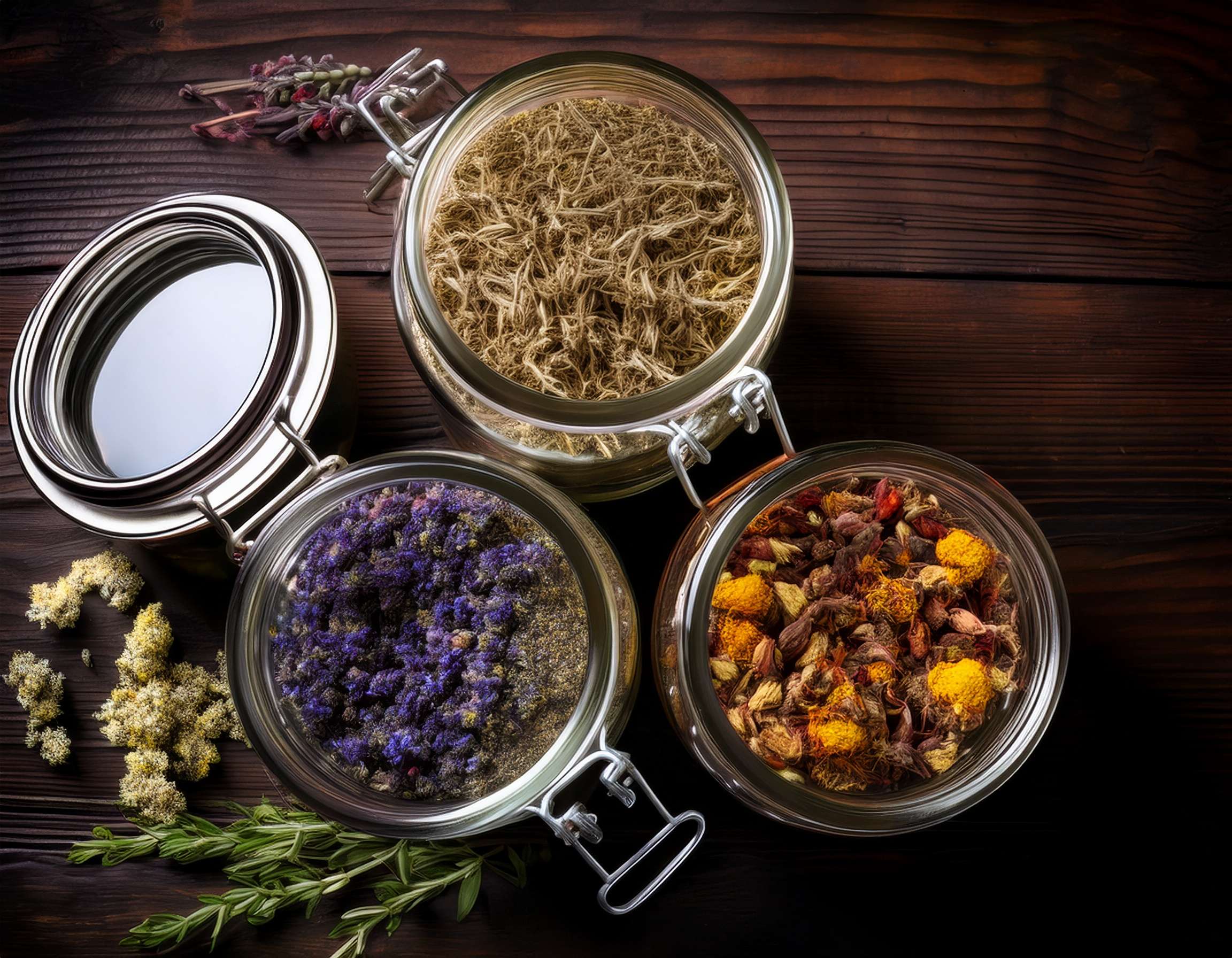
Herbal tea brings warmth, flavor, and a slower pace to an aromatherapy routine. Keep the practices separate: tea is a water-based infusion of herbs, while essential oils belong in aromatic or properly diluted topical blends.
Ginger tea fits a chilly morning and pairs naturally with ginger’s warm aroma. Peppermint tea can feel bright after lunch. Chamomile tea has a gentle floral character for evenings, while lemon balm tea makes a pleasant afternoon cup.
Choose a tea you enjoy and prepare it according to the package directions. Pregnancy, medication use, and ongoing health needs are good reasons to review ingredients carefully and seek personalized guidance. You can find more ideas in this beginner’s guide to herbal infusions.
Safety Checks Before You Diffuse or Apply
Fresh air, small amounts, and careful dilution create a comfortable aromatherapy experience. Before using a topical blend more widely, apply a small amount to a limited area of skin and observe it over the next day.
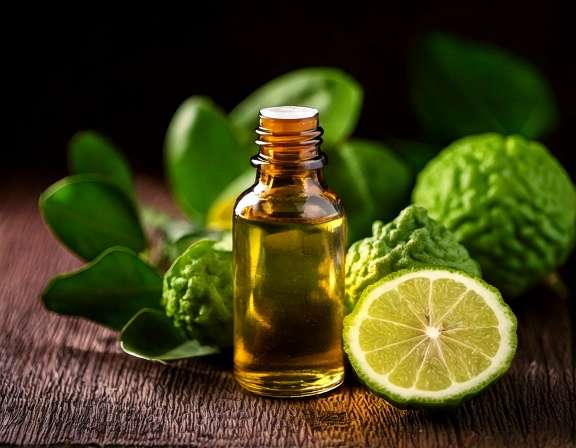
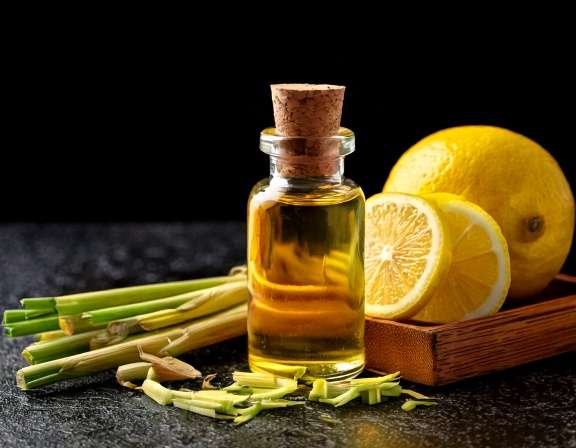
Some expressed citrus oils, including certain bergamot, lemon, lime, and grapefruit oils, can increase sun sensitivity after skin application. Follow the label guidance and keep treated skin protected from strong sunlight.
Extra care supports enjoyable use around children, pets, pregnancy, asthma, sensitive skin, allergies, and chronic health conditions. A strong skin reaction, swelling, breathing trouble, or serious discomfort calls for pausing the blend and getting prompt medical advice. This essential oil patch testing guide offers a helpful starting point.
How to Build a Simple Essential Oil Wellness Plan
A good routine starts with one goal. You might want a brighter morning scent, a calmer evening, or a soothing break during the workday. Begin with one oil or a mild blend, then notice how the aroma feels in your space.
Keep a small note on your phone or calendar. Record the oil, the time of day, and whether you enjoyed the scent. This makes it easier to find a routine that feels natural rather than crowded.
Here is a gentle seven-day rhythm:
| Day | Wellness Ritual |
|---|---|
| Monday | Morning eucalyptus and lavender diffuser session |
| Tuesday | Evening lavender inhaler or diffuser session |
| Wednesday | Fresh-air rest day with herbal tea |
| Thursday | Morning ginger and eucalyptus diffuser session |
| Friday | Diluted lavender shoulder oil after work |
| Saturday | Fresh-air rest day and a favorite tea |
| Sunday | Evening lavender routine before bedtime |
Quality, moderation, and consistency matter more than using many oils at once.
Choosing Quality Oils and the Right Aromatherapy Method
A quality label lists the common name and botanical name, such as Lavandula angustifolia. It may also include the plant part, extraction method, batch number, sourcing information, and clear directions for use.
Diffusion brings aroma into a room. A personal inhaler keeps the experience close and portable. Diluted topical use adds a gentle massage element to shoulders, wrists, or feet.
Start with small amounts and straightforward blends. For more guidance, review these safe essential oil diffuser practices.
When to Ask a Qualified Professional for Guidance
A qualified aromatherapist or healthcare professional can help tailor a routine during pregnancy, childhood, asthma, allergies, medication use, sensitive skin, or ongoing health conditions.
Personal guidance can also help when you want to select oils for a household with pets or several family members. Aromatherapy can add comfort to everyday wellness, while professional care supports persistent or serious symptoms.
Frequently Asked Questions
Can I use essential oils every day?
Daily use can fit well into a wellness routine when sessions stay short and blends remain simple. Alternate diffuser days with fresh-air rest days, and notice how your body and household respond.
How many essential oils should I blend together?
Two or three oils create plenty of character for most home blends. Starting small also helps you learn which scents you enjoy most.
Can essential oils go into herbal tea?
Enjoy herbal tea as a brewed plant infusion, and reserve essential oils for aromatic or properly diluted topical use. Their concentrated nature means they follow different preparation and safety directions.
Is a diffuser or personal inhaler better?
A diffuser is ideal when you want to scent a shared room. A personal inhaler offers a lighter, portable option for brief moments of aroma throughout the day.
How should I store essential oils and blends?
Keep bottles tightly capped in a cool, dark place away from heat and direct sunlight. Amber or cobalt glass bottles help protect blends, especially those you plan to use over several weeks.
A Calmer Way to Enjoy Aromatherapy
Essential oils can bring pleasant aromas, comfort, and a sense of rhythm to everyday wellness. Eucalyptus and ginger brighten seasonal rituals, while lavender softens an evening routine.
Start with one simple recipe, use intermittent diffusion, and keep topical blends at a gentle dilution. Pair the scent with a separate cup of herbal tea, then notice which combinations make your home feel most welcoming.
A diffuser humming softly beside an open window can turn an ordinary pause into a peaceful home ritual.
Stay Connected for More Natural Living Inspiration
For more wellness tips, subscribe to the blog for weekly posts about essential oils, teas, and herbs. Want an ad free experience with DIY essential oil, herbal recipes and tips? Head here for a distraction free experience.
Thanks for stopping by!

You must be logged in to post a comment.