
(DISCLAIMER: I am not a doctor, and you should consult your healthcare professional before starting any health regimen. Product links are commissioned and supports the blog)

Key Takeaways
- Choose pure essential oils by room size, scent strength, and your sensitivity
- Look for labels with a botanical name and clear sourcing details
- Start with fewer drops than you think you need
- Use short diffusion sessions with breaks for a gentler scent
- Keep blends simple, two to three aroma oils usually smell best
- Ventilation and placement matter as much as the oils
- Clean often so old residue doesn’t muddy the aroma
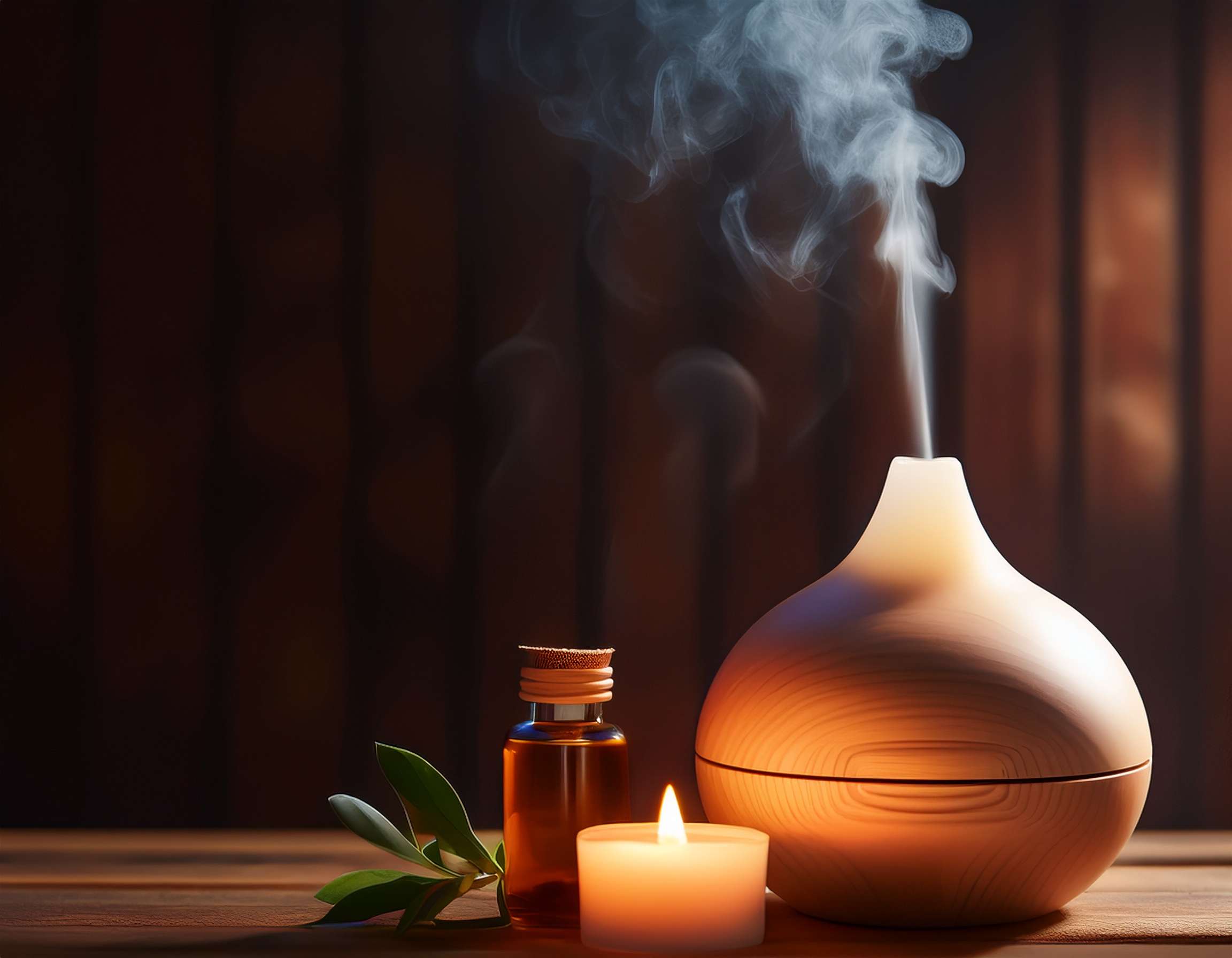
The kettle clicks off, and your kitchen still feels half-asleep. Outside, the sky is gray and heavy. You fill the diffuser, press the button, and within minutes the air changes, filling the space with a soothing home fragrance. It’s like opening a window without the cold rush. Scent can do that. It can soften sharp mornings, settle a busy mind, or make a room feel freshly cleaned.
This guide to essential oils for diffusers keeps things simple and practical. You’ll learn how to pick diffuser-friendly pure essential oils made from natural ingredients, make easy blends, use oils safely around people and pets, and clean your diffuser so every run smells true.
Start here: how to choose the right essential oils for your diffuser
A diffuser doesn’t need the “strongest” oil. It needs the right oil for your space and your body. Think of scent like music in the background. If it’s too loud, you can’t focus on anything else.
Start with aroma strength. Citrus oils often smell bright and clear, yet they fade faster. Woods and resins linger longer, so a little can fill a room. Minty oils can feel sharp in the nose, especially in small spaces. If headaches happen easily for you, keep your first tests light and short.
Next, pick oils by purpose, but keep it realistic. Diffusing is great for comfort, mood, and a fresh-feeling home. It’s not a substitute for medical care. For example, lavender can make bedtime feel calmer, while lemon can make a stuffy room feel cleaner. Your goal shapes your choice.
Personal sensitivity matters more than any “best oil” list. If a scent reminds you of a bad memory, your body won’t relax. If you dislike floral notes, you won’t use the bottle. Choose oils you actually enjoy. You’ll stick with them.
Finally, match oils to room size. A small bathroom can feel overwhelmed fast. An open living room often needs a little more, or longer intervals. When in doubt, start low and adjust slowly.
Quality doesn’t have to be confusing. A few labels and habits can steer you away from disappointment:
- Look for the botanical name and botanical notes (example: Lavandula angustifolia for lavender).
- Check for the country of origin or sourcing details.
- Prefer brands that offer batch information and optional GC-MS reports (or a clear way to request them).
- Avoid fragrance oils when you want aromatherapy. They’re made for scent, not plant-based support, and they can smell “flat” in a diffuser.
If you’re also using essential oils for diffusers around the home for freshening and cleaning, this guide to antibacterial essential oils for diffusers can help you choose options that smell clean without turning your space into a perfume shop.
Top oil families and what they feel like in a room
Each oil family has a “personality” reflected in their scent profiles. Knowing the vibe helps you build a collection you’ll use.
Citrus (bright): Lemon and grapefruit smell like clean counters and sunny light. They’re friendly for daytime, and they blend with almost everything.
Floral (soft): Lavender and chamomile feel like warm linens. Florals can calm the edges of sharper oils, like eucalyptus or rosemary.
Herbaceous (clean): Peppermint and rosemary smell crisp and awake. In a small room, peppermint can feel intense, so use less.
Woodsy (grounding): Cedarwood feels quiet and steady. It’s great at night because it doesn’t shout.
Resin and spice (warm): Frankincense smells smooth and cozy. Spice oils like cinnamon or clove are powerful, so use them sparingly (or skip them in diffusers if you’re sensitive).
How many drops should you use? A simple rule that prevents headaches
Most diffuser problems come from one habit: adding too many drops. Stronger isn’t better, it’s just louder.
Here’s an easy starting point for ultrasonic diffusers based on tank size:
- 100 ml water tank: start with 2 to 4 drops total
- 200 ml water tank: start with 4 to 6 drops total
- 300 to 500 ml water tank: start with 6 to 10 drops total
After that, use the “start low, then add” rule. Run it for 10 minutes, then decide. If you can taste the oil in the back of your throat, you’ve gone too far. The fine mist carries diffuser oil scents gently through the air.
Open-concept rooms need a different approach. Instead of dumping in extra drops, try intermittent diffusion. Run 30 to 60 minutes, then take a break. Many diffusers have a timer function and interval mode, and it often smells better because your nose doesn’t get used to it as fast. Breaks also feel gentler for kids, guests, and anyone with scent triggers.
Best essential oils for diffusers by mood and moment
Choosing a diffuser oil is like choosing lighting for home fragrance. Harsh overhead bulbs don’t fit every moment, and neither does the same blend all day. Keep a few dependable pure essential oils, then swap your “scent setting” based on the hour.
Before you mix essential oil blends, remember this: two to three oils usually smells cleaner than five. A simple essential oil blend has shape. It has a top note (often citrus), a heart (floral or herb), and a base (wood or resin). You don’t need rare oils to get that effect.
Also, pay attention to timing. Peppermint at 9 a.m. can feel amazing. Peppermint at bedtime can feel like trying to sleep with the porch light on.
If you like having a ready-made recipe list for seasonal sniffles and allergy days, these diffuser blends for allergy relief offer more ideas you can adapt by using fewer drops.
For focus and a fresh, clean-air vibe
When your brain feels foggy, go for scents that feel crisp and bright. Rosemary, lemon, grapefruit, and a small touch of peppermint can make a room feel freshly aired out. Eucalyptus also works here, although it can feel strong in tight spaces, so keep the drops low.
Try this beginner blend (total 7 drops for a 200 ml diffuser): Blend: 3 drops lemon, 2 drops grapefruit, 1 drop rosemary, 1 drop peppermint.
If you’re working at a desk, pair the diffuser with a real reset. Open a window for 5 minutes first. Then diffuse. Stale air holds scent in a heavy way, while fresh air lets the aroma feel lighter.
For more on using eucalyptus thoughtfully, including why it can feel so bold, see eucalyptus oil benefits for congestion relief. Keep the focus on comfort and freshness, and use short sessions.
For calm evenings and better sleep routines
Evening blends should feel like a dimmer switch. You want the day to soften, not snap.
Great single oils for nighttime include lavender, cedarwood, and frankincense. Bergamot is citrusy but softer than lemon, so it fits well after dinner. If you have it, chamomile can add a gentle “tea-time” note.
Try this bedtime blend (total 6 drops for a 200 ml diffuser): Blend: 3 drops lavender, 2 drops cedarwood, 1 drop frankincense.
Need a low-scent option for sensitive noses? Use fewer drops and choose rounder oils: Low-scent blend (total 3 drops): 2 drops lavender, 1 drop cedarwood.
For many people, it helps to diffuse earlier in the evening. Run it while you shower or read, then shut it off before deep sleep if you prefer. The room will still hold a faint, cozy trace.
For stress, comfort, and that cozy-at-home feeling
Some days call for “clean cozy,” like hotel-inspired scents with a candle vibe without smoke. Warm oils do that best.
Start with sweet orange for softness and light. Add cedarwood or frankincense to ground it. Ylang-ylang can feel lush and floral, but it’s optional. If you use patchouli, keep it tiny because it can take over fast.
Try this cozy blend (total 7 drops for a 200 ml diffuser): Blend: 3 drops sweet orange, 2 drops cedarwood, 1 drop frankincense, 1 drop patchouli.
A quick note on spice oils: cinnamon and clove smell comforting, but their concentrated fragrance can irritate when diffused too heavily. If you use them at all, think “one drop,” not “a few.”
For stuffy seasons and post-sick-room freshness
When a room feels stale after a long week indoors, refreshing oils can help improve indoor air quality and make it feel livable again. Keep your language and expectations simple here. You’re aiming for comfort and a “clean air” feeling, not treatment.
Try gentle, low-dose options like lemon, lavender, and a little tea tree. Use eucalyptus or peppermint in short bursts, and keep the drop count conservative.
Try this “fresh room” blend (total 5 drops for a 200 ml diffuser): Blend: 2 drops lemon, 1 drop lavender, 1 drop tea tree, 1 drop eucalyptus.
Tea tree is a favorite for that crisp, freshly cleaned scent. If you want a deeper look at using it in a diffuser, this post on tea tree essential oil diffuser benefits breaks down why it’s so popular.
Be extra cautious around pets and children, older adults, and anyone with asthma or scent triggers. In those homes, “light diffusion” usually works best, plus ventilation and frequent water changes in the diffuser.
Diffuse safely: people, pets, and your home
Diffusing essential oils should feel like comfort, not a chemistry experiment. It’s popular for creating an ambiance, much like scent marketing in commercial spaces, using natural plant extracts instead of harsh chemicals. The safest setups are simple: a few drops, fresh water, and enough airflow that the scent doesn’t get trapped.
First, think about ventilation. Even a good scent can feel heavy in a closed room, whether from ultrasonic diffusers or nebulizing diffusers using cold-air diffusion. Crack a window, run a fan, or diffuse in a larger shared space instead of a tiny bedroom. Next, use intermittent sessions. Short runs with breaks can keep the aroma pleasant and reduce headaches.
Also, remember that diffusing is not skin use. Carrier oils are intended for topical application, not diffusers. You don’t need oil on your body to enjoy the scent. If oil splashes onto skin while filling the tank, wipe it off right away and wash with soap and water. If irritation happens, stop using that oil and keep things mild next time.
Pets add another layer. Many dogs handle light diffusion well, but cats are more sensitive, and birds have delicate lungs. Keep the room ventilated, let pets leave the space, and never diffuse in a small closed room where they can’t escape. If you’re unsure, ask a vet who understands essential oils.
If the room smells “too strong,” your body is already giving feedback. Listen early, and adjust down.
Simple safety rules that cover most homes
- Start with fewer drops, then build slowly over a week.
- Diffuse when people are awake in the room, especially with new oils.
- Use scent breaks, such as 30 minutes on, then 30 minutes off.
- Keep water topped up, because low water can stress some devices.
- Place the diffuser on a stable surface, away from edges and electronics.
- Keep oils out of reach of pets and children.
- Don’t diffuse in a closed, tiny room for long periods.
- Avoid “more is better” thinking, because it often leads to headaches.
- Store oils in a cool, dark spot, with caps tight after each use.
- Pregnancy, babies, and complex health needs: keep it mild, and ask a qualified professional when in doubt.
Common diffuser mistakes that make a blend smell “off”
Sometimes a blend smells muddy or weird, and it’s not your nose. It’s usually one of these issues.
Mixing too many oils is the big one. When four to six scents compete, especially fragrance oils, the result can feel like a crowded room. Fix it by using two oils, or three at most, until you learn what you love.
Old, oxidized citrus oils can smell sharp or stale. Citrus oils don’t always last as long as woods and resins. If lemon starts to smell “plasticky” or flat, replace it and store the next bottle away from heat and sun.
Running the diffuser until it’s empty can also change the smell. When the tank runs dry, residue can bake onto the surface (even without heat). Instead, set a timer and stop before it empties.
Letting water sit for days creates a musty note that no oil can cover. Refresh the water daily, even if you only diffuse for short periods.
Keep your diffuser and oils smelling great (easy cleaning and storage)
A diffuser is like a coffee maker. If you never rinse it, yesterday’s flavor shows up in today’s cup. Oils leave trace residue, and that residue can twist the scent over time. A well-maintained device ensures a steady mist stream for that perfect dry mist.
These instructions apply to standalone units, not HVAC diffusers.
A quick daily rinse helps most. Empty leftover water, wipe the inside, and let it air-dry with the lid off. Once a week, do a deeper cleaning process, especially if you use heavier oils like frankincense or patchouli.
If a scent clings, don’t fight it with more oil. Clean first. Many brands allow a little soap and water, and some suggest diluted vinegar for mineral buildup. To prevent mineral buildup from the start, opt for distilled water. Always check your manufacturer’s instructions, since materials differ.
Storage matters too. Heat and sunlight can change an oil’s smell faster. Keep bottles upright, caps tight, and store them in a cool cabinet. If you blend oils ahead of time, use dark glass and label it with the date so you don’t forget what’s inside.
A quick clean routine you can actually stick with
- Unplug the diffuser and let it cool if it was running.
- Pour out leftover water, then wipe the water tank with a soft cloth.
- Add a small amount of clean water (follow your manual for the amount).
- Add a tiny drop of mild soap, or use diluted vinegar only if your brand allows it.
- Run it for a few minutes, then unplug and empty it.
- Rinse well, wipe again, then air-dry completely. This wraps up the simple cleaning process.
- Never soak the base or any electronic parts.
Conclusion
A diffuser can turn ordinary moments into something softer through aromatherapy. Start with a few dependable essential oils for diffusers, then keep your essential oil blends simple. Use fewer drops than you think, because light scent from aroma oils and concentrated fragrance often feels best. As the seasons shift, rotate between bright citrus, calming florals, and grounding woods to craft home fragrance or hotel-inspired scents with diffuser oil scents.
Pick one goal this week, sleep, focus, or cozy comfort, and try one blend for seven days. Then adjust by a drop or two. Above all, listen to your body and keep diffusion gentle if anyone in your home feels sensitive, sticking to natural fragrance oils.
Stay Connected for More Natural Living Inspiration
If you enjoyed this post about herbal wellness and love discovering natural ways to refresh your home and wellness, don’t miss out on future recipes and clean-living tips! Subscribe to the blog for weekly DIYs, wellness inspiration, and herbal remedies delivered straight to your inbox.
Don’t forget to visit my Amazon storefront for the links to my favorite essential oils, herbal teas, and natural recipes. I also create YouTube ambiance videos for sleeping; a channel I created to help people who have trouble sleeping. The link to all social media content is here.
Thanks for coming by!



Leave a Reply