

(DISCLAIMER: I am not a doctor, and you should consult your healthcare professional before starting any health regimen.)

Key takeaways
- Coriander comes from the same plant that also gives us cilantro leaves and stems.
- In many US kitchens, cilantro means the fresh green parts, while coriander means the dried seeds.
- The leaves taste fresh, citrusy, and a little peppery. The seeds taste warmer, softer, and slightly sweet.
- Fresh leaves work best as a finishing herb, while whole or ground seeds fit cooked dishes, spice mixes, and tea.
- Coriander seed has a long history in herbal traditions for digestive support, especially for gas and bloating.
- The leaves offer nutrients such as vitamin K, while the seeds contain useful plant compounds with antioxidant activity.
- Coriander essential oil is far more concentrated than the herb or tea, so it needs extra care.
- Some people are allergic to coriander or related plants. Others may notice stomach upset if they use too much.
- If you’re pregnant, breastfeeding, managing a health condition, or taking medicines that affect blood sugar or blood pressure, get personal guidance before using coriander in concentrated forms.
- For everyday use, start small and choose the form that matches your goal, fresh leaves for flavor, seeds for cooking or tea, and oil for careful aromatic use.
Coriander sounds simple, but the name can trip people up fast. In one place, it means the fresh leafy herb. In another, it means only the dried seeds. In the US, many cooks call the leaves cilantro and the seeds coriander. In other regions, coriander may mean the whole plant.
That small language shift matters. It affects what you buy, how you cook, and which form fits a tea, spice blend, or wellness routine. If you want a practical guide to coriander leaves, seeds, and oil, this one keeps it clear, grounded, and easy to use.
What coriander is, and why people often confuse it with cilantro
Coriander and cilantro come from the same plant, Coriandrum sativum. That’s the root of the mix-up. Different regions use different names, and labels don’t always help.
In most US grocery stores, cilantro means the fresh leaves and tender stems. Coriander means the dried seeds, either whole or ground. Yet in parts of Europe, Asia, and the Middle East, coriander may refer to the whole plant, including the leaves.
This can lead to easy mistakes. A recipe calling for coriander might want seeds, not the fresh herb. A wellness product labeled coriander tea usually means seed tea. A bottle of coriander essential oil usually comes from the seeds, not the leaves.
So, when shopping, pause and check the form. Fresh bunch in the produce aisle, spice jar on the shelf, tea blend, and essential oil bottle all give you a very different experience.
Coriander leaves, seeds, and oil each have different uses
Fresh coriander leaves are bright and tender. People chop them over soups, curries, tacos, rice bowls, and salads right before serving. Heat dulls their flavor, so they work best at the end.
Whole coriander seeds are dry, round, and beige. They shine in cooking, especially when lightly toasted. Ground coriander is the same seed in powdered form, but it loses aroma faster.
Coriander tea usually starts with crushed seeds steeped in hot water. It’s mild, warming, and more subtle than many spice teas.
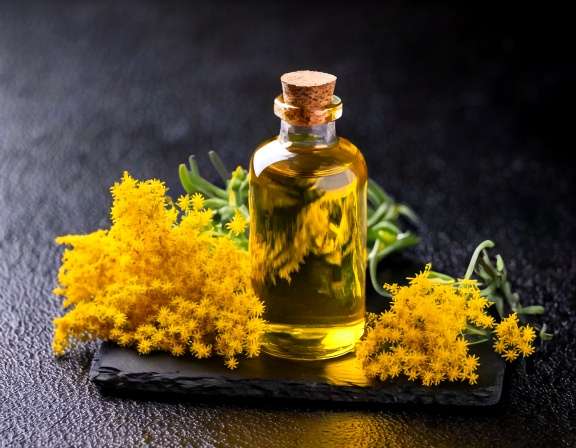
Coriander essential oil is a different thing altogether. It’s concentrated and strong, more like a spotlight than a lamp. A small amount goes a long way, so it doesn’t replace the herb in food or tea.
What coriander tastes and smells like
The leaves taste fresh, green, citrusy, and lightly peppery. Some people love that clean bite. Others find it sharp or even soapy. That strong reaction is real, and it helps explain why cilantro can split a dinner table in two.
The seeds are much gentler. They smell warm, slightly sweet, and softly spicy, with hints of citrus peel. If the leaves feel loud, the seeds feel rounded and calm.
That contrast is useful. Fresh leaves wake up a dish. Seeds add background warmth and depth.
Coriander benefits that may support everyday wellness
Coriander has a long history in home cooking and herbal use. People have turned to it for flavor, comfort, and gentle support after meals. Modern research doesn’t turn it into a cure, but it does support some of its traditional uses.
For wellness readers, the best way to think about coriander is simple. It may support daily routines, especially around digestion, food variety, and sensory self-care. It’s not a fix-all, and that’s fine.
Coriander works best as a gentle helper, not a miracle remedy.
Digestive support is one of coriander’s best known uses
Coriander seed has long been used for bloating, gas, and mild stomach discomfort. Traditional herbal systems often include it in teas or spice blends meant to settle the belly after a heavy meal.
Part of that appeal comes from its warming, aromatic nature. Crushed seeds release fragrant compounds that many people find soothing after rich or greasy food. That doesn’t mean everyone will feel the same effect, but it explains why coriander keeps showing up in digestive recipes.
If digestive teas interest you, these best herbal teas for bloating relief offer more gentle options for occasional gut discomfort.
Coriander also provides antioxidants and useful nutrients
Fresh coriander leaves bring a few helpful nutrients in a light package. Vitamin K stands out, and the leaves also contain small amounts of vitamin A and vitamin C.
The seeds offer a different value. They contain plant compounds with antioxidant activity, along with small amounts of minerals. You won’t use huge amounts at once, but they still add something useful while building flavor.
That’s one reason herbs and spices matter. They don’t need to be the main event to pull their weight. Like salt in bread dough, a little can shape the whole result.
The scent of coriander may fit into calming self-care routines
Coriander essential oil has a warm, spicy, softly sweet aroma. Some people enjoy it in diffuser blends or diluted body oils because the scent feels grounding and cozy.
Aromatic comfort is personal, though. One person may find coriander relaxing, while another may prefer lavender, citrus, or a calming cup of tea. If tea suits you better than scent, these calming teas to reduce stress can fit a simple evening routine.
Scent can support a quiet moment, but it’s not a treatment for anxiety or a stand-in for medical care.
How to use coriander in food, tea, and simple wellness routines
Coriander is easy to bring into daily life because it doesn’t ask for much. You can chop it, toast it, steep it, or smell it. The trick is matching the form to the job.
Easy ways to cook with coriander leaves and seeds
Fresh coriander leaves brighten food right before serving. Scatter them over soup, curry, chili, eggs, beans, or roasted vegetables. Stir them into dressings, yogurt sauces, or salsa for a clean herbal note.
Seeds work best when heat has time to wake them up. Toast whole coriander seeds in a dry pan for a minute or two, then crush them. That deepens the flavor and brings out a warm citrus edge. Add them to lentils, rice, stews, spice rubs, or roasted carrots and potatoes.
Ground coriander is handy for quick cooking. It blends well into curry powder, dry rubs, marinades, and creamy dressings. Because it fades faster than whole seeds, buy small amounts if you don’t use it often.
A simple rule helps here. Use fresh leaves at the end, and use seeds early or during cooking.
A simple coriander tea can be a gentle option
Coriander seed tea is easy to make and usually mild. Lightly crush a small spoonful of whole seeds, pour hot water over them, and let them steep for several minutes before straining.
The flavor is warm and soft, not fiery. Some people drink it after meals when they want something gentle and plain. You don’t need a heavy hand. A light cup is often enough to see whether it suits you.
If you’re new to herbal teas, start small and pay attention to how your body responds.
Using coriander essential oil calls for extra care
Essential oil is not the same as herb, spice, or tea. It’s much more concentrated, which means small amounts matter.
Always dilute coriander essential oil before putting it on skin. A patch test also helps, especially if your skin is sensitive. Internal use isn’t a casual DIY step, so avoid it unless a qualified professional guides you.
Use extra caution during pregnancy, while breastfeeding, and when using oils around children or pets. Diffusing in a well-ventilated space is usually a gentler starting point than topical use.
How to buy, store, and use coriander safely
Good coriander should smell alive. If it has little scent, it won’t bring much to the pan or the cup.
What to look for when buying fresh coriander or dried seeds
Choose fresh coriander with bright green leaves and firm stems. Skip bunches that look slimy, yellow, or wilted.
For dried seeds, look for whole seeds that smell fragrant when crushed. If you buy ground coriander, check the packing date if one is listed. A newer jar often has much better aroma.
Organic is optional. It can be a good choice if it fits your budget, but freshness matters more than labels alone.
Storage tips that help coriander keep its flavor longer
Store fresh coriander in the fridge. Some people place the stems in a jar with a little water and loosely cover the leaves. Others wrap the bunch in a slightly damp towel. Either way, use it soon for the best taste.
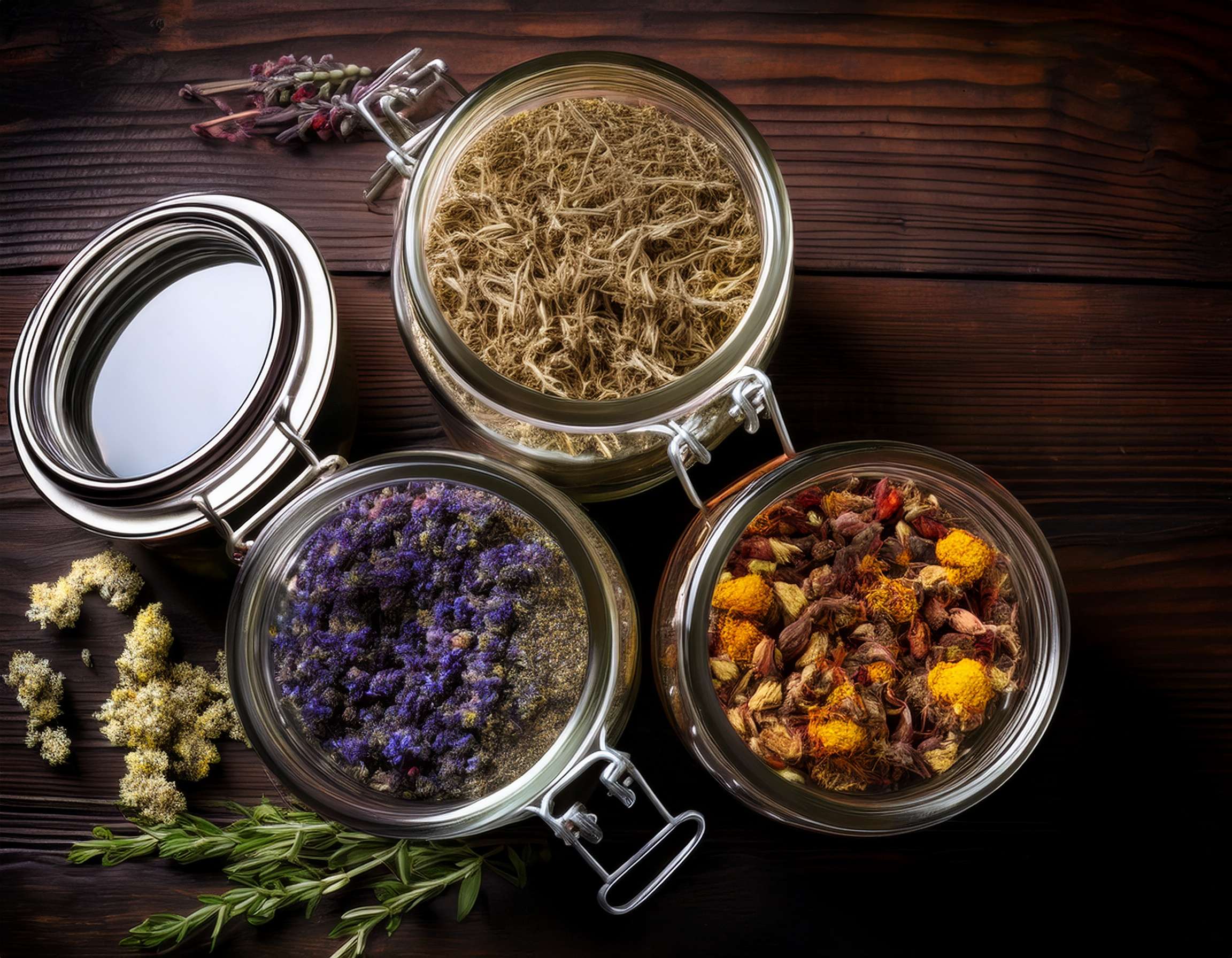
Keep whole coriander seeds in an airtight jar away from heat, light, and moisture. Whole seeds hold flavor longer than ground spice. Ground coriander should also stay sealed and cool, but plan to replace it sooner.
Think of whole seeds as coffee beans and ground coriander as pre-ground coffee. Both work, but one keeps its character longer.
Who should be careful with coriander
Coriander is safe for many people in normal food amounts, but caution still matters. Some people may be allergic, especially if they react to plants in the carrot, parsley, or celery family.
Others may notice digestive upset if they use too much coriander tea or spice at once. Start modestly, especially with seed tea or essential oil products.
If you’re pregnant, breastfeeding, managing a health issue, or taking medicines that affect blood sugar or blood pressure, get advice before using concentrated coriander forms. Essential oil needs the most care because it is the strongest form by far.
The bottom line on coriander
Coriander can mean different things, but the basic split is easy to remember. The leaves are fresh and bright, adding a zesty flavor and vibrant color to dishes, often used as a garnish or ingredient in salads, salsas, and curries. The seeds, on the other hand, are warm and gently spicy, lending depth and aromatic notes to various recipes, commonly found in spice blends and baked goods. Additionally, the oil is concentrated and needs care; it can enhance flavors but requires dilution before use to avoid overwhelming the palate. Each form has its own place in cooking and simple wellness habits, making coriander a versatile herb that can elevate both savory and sweet creations while also offering potential health benefits, such as aiding digestion and providing antioxidant properties.
Start small, choose the form that fits your goal, and let your senses guide you. A handful of leaves, a pinch of toasted seeds, or a cautious aromatic use can all be enough. Used thoughtfully, coriander is a practical herb with more range than most people expect.
Stay Connected for More Natural Living Inspiration
If you enjoyed this post about herbal wellness and love discovering natural ways to refresh your home and wellness, don’t miss out on future recipes and clean-living tips! Subscribe to the blog for weekly DIYs, wellness inspiration, and herbal remedies delivered straight to your inbox.
Don’t forget to visit my Amazon storefront for the links to my favorite essential oils, herbal teas, and natural recipes. I also create YouTube ambiance videos for sleeping; a channel I created to help people who have trouble sleeping. The link to all social media content is here.
Thanks for coming by!

Leave a Reply