
(DISCLAIMER: I am not a doctor, and you should consult your healthcare professional before starting any health regimen. Product links are commissioned and support the blog)

Key Takeaways
- Some oils, including frankincense, lavender essential oil, peppermint essential oil, ginger essential oil, turmeric essential oil, and eucalyptus essential oil, show anti-inflammatory promise.
- Most of the research is still early, with more lab and animal data than strong human trials.
- For daily use, topical application is often the most practical option for muscle pain and joint pain.
- Dilution matters, and 1 to 2 percent is a good starting point for most adults.
- Patch testing matters too, because even gentle oils can irritate some skin.
- Blends may work better than single oils, since plant compounds can act in more than one way at once.
- Severe, sudden, or ongoing symptoms need medical advice, especially with fever, injury, or chronic illness.
Inflammation can feel small at first, like joint pain in the knee in the morning, skin inflammation by noon, or muscle pain after a workout. Then, over time, it can start to color the whole day.
Your body needs some inflammation. It’s part of repair and defense. Still, when it lingers too long as chronic inflammation, it can leave you tired, achy, and worn thin. That’s where essential oils for inflammation may offer some comfort.
They aren’t a cure, and they don’t replace medical care. Yet as of early 2026, research does point to promise, mostly in lab and animal studies. Human evidence is still limited, so the smartest approach is simple, use oils for support, not miracles.
How essential oils may help calm inflammation
Think of anti-inflammatory essential oils like small plant messengers. They don’t rebuild the whole house, but they may help quiet some of the noise inside it. Certain compounds in oils seem to reduce irritation signals in immune cells by inhibiting the COX-2 enzyme, dampening proinflammatory cytokines, and modulating signaling pathways such as NF-kB; they also ease muscle tension and support a greater sense of comfort.
That last part matters. Pain and inflammation often travel together, and tension makes both feel louder. A soothing oil may not stop the root cause, but it can make the body feel less braced.
As of 2026, the research picture is hopeful but unfinished. Lab studies show several oils can affect inflammatory pathways. Animal studies also suggest benefit in some settings, including models of rheumatoid arthritis and oxidative stress. Human evidence exists, but it’s still thin, and many studies are small or indirect.
Many of these oils possess antioxidant properties that help quiet cellular noise.
Newer cell research has also looked at combinations. In immune cell models, compounds linked to peppermint, eucalyptus, and ginger worked better together than alone, showing greater reductions in proinflammatory cytokines. That doesn’t prove a home blend will act the same way, but it supports the old aromatherapy idea that a thoughtful blend may do more than a single note.
Essential oils may help with comfort and routine, but they can’t diagnose or treat the cause of lasting inflammation.
Why smell, skin contact, and stress relief all matter
Inflammation isn’t one switch. It’s more like a dimmer board, with stress, sleep, movement, skin health, and immune signals all affecting the light.
That’s why inhalation can still be useful. When you breathe in a calming oil, the scent may help settle stress and soften the body’s tension response. Since chronic stress is linked with higher inflammatory activity, that calming effect has value.
Skin contact matters too. A diluted massage blend brings the oil right to a sore spot while the massage itself improves comfort. Warm hands, a carrier oil, and a few drops of the right blend can turn a tight shoulder or tired knee into something more manageable.
The best essential oils to try for inflammation support
No oil works the same for every person. Some feel best when you want a calm, quiet routine. Others shine after a hard workout or a long day on your feet. The oils below are some of the most talked about for inflammation support, and each brings a different kind of help.
Frankincense essential oil for sore joints, stiffness, and daily discomfort
Frankincense essential oil is often the first bottle people reach for when joints feel creaky. Its scent is deep and resinous, almost like walking past sun-warmed wood. Recent reviews continue to highlight frankincense compounds for anti-inflammatory effects, but most of that evidence is still preclinical.
In everyday life, frankincense essential oil fits best in massage blends for knees, hands, shoulders, and lower back. It tends to feel grounding rather than sharp or cooling, which many people like for daily discomfort and stiffness that builds slowly.
If joint aches are your main concern, this guide to essential oils for joint inflammation relief can give you more ideas for targeted use.
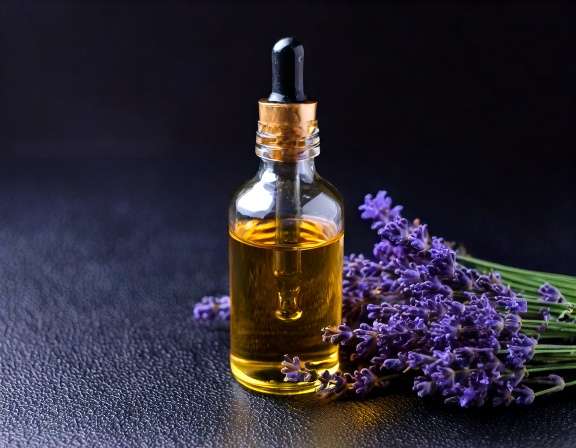
Lavender essential oil for irritation, tension, and stress-linked flare-ups
Lavender essential oil is softer in both scent and feel. It’s the oil you reach for when inflammation seems tangled up with poor sleep, headaches, stress, or skin irritation. The direct anti-inflammatory evidence is more modest than many claims online suggest, but lavender essential oil consistently stands out for comfort, relaxation, and soothing routines.
A bedtime diffuser, a warm bath, or a cool compress with diluted lavender essential oil can help the body unclench. That matters more than it may seem. When you sleep better and carry less tension, flare-ups often feel easier to handle.
Lavender essential oil also pairs well with emotional care. If stress is part of the picture, this post on lavender oil for stress relief and mood boost offers more simple ways to use it.
Peppermint essential oil and ginger essential oil for cooling relief after activity
Peppermint essential oil and ginger essential oil make a strong pair because they feel like opposites that cooperate well. Peppermint essential oil brings a cool, brisk sensation. Ginger essential oil feels warmer and deeper. Together, they can be useful after exercise, yard work, long walks, or any day your muscles feel overworked.
Research through 2026 adds an interesting note here. New immune cell studies found stronger anti-inflammatory effects when certain peppermint-linked and ginger-linked compounds were combined rather than used alone. That doesn’t mean a home roller blend is medicine, but it does support why these two often feel good together.
For practical use, keep the blend light. Peppermint essential oil can overwhelm sensitive skin, especially on the neck or after a hot shower. Start small, then adjust only if your skin handles it well.
Turmeric essential oil and eucalyptus essential oil when you want a stronger massage blend
Turmeric essential oil has a strong reputation for inflammation support, though much of that fame belongs to curcumin from the root rather than the essential oil itself. The oil is less common, but it can still play a useful supporting role in a blend.
Eucalyptus essential oil adds a fresh, clearing edge. Research has also looked at 1,8-cineole, one of eucalyptus essential oil’s best-known compounds, for its effect on inflammatory pathways. In practice, eucalyptus essential oil works best as part of a blend rather than a stand-alone answer for aches.
This pair makes sense in a massage oil for larger areas, like thighs, calves, upper back, or shoulders. If you also deal with chesty tension or sinus swelling, this sinus decongestant diffuser blend with frankincense shows another gentle way to bring eucalyptus essential oil and peppermint essential oil into your routine.
Other supportive options include thyme essential oil, clove essential oil, helichrysum essential oil, rose essential oil, and bergamot essential oil, each valued for their diverse chemical profiles in inflammation support.
How to use essential oils safely, with simple recipes that are easy to follow
For most people, topical application is the easiest place to start. A 1 percent dilution equals about 6 drops of essential oil per 1 ounce of carrier oil. A 2 percent dilution is about 12 drops per ounce. For everyday aches, that’s usually enough.
Good carrier oils include jojoba, sweet almond oil, fractionated coconut, and olive oil. Apply a small amount to sore muscles or joints 1 to 2 times a day for short-term support. Gentle massage helps.
Warm or cool compresses also work well. Add your diluted blend to a cloth, then place it over the area for 10 to 15 minutes. For baths, don’t drop oils straight into water. Mix 3 to 5 drops first with a tablespoon of carrier oil or unscented bath base, then add that to the tub.
Inhalation is useful when stress, headaches, or general body tension are part of the picture. Diffuse for 20 to 30 minutes at a time, then take a break.
Safety matters every step of the way. Always perform a patch test first. Don’t apply to broken skin. Keep oils away from eyes, lips, and other mucous membranes. Check safety before use if you’re pregnant, taking medication, managing asthma, or using oils around children or pets. And if your skin is reactive, less is often better.
Safety Caution
Avoid wintergreen essential oil if you are sensitive to aspirin or salicylates.
While some relief from muscle pain can be immediate due to cooling sensations, the effects on chronic inflammation are typically cumulative over several days of use.
A basic sore muscle massage oil you can make in minutes
Use this when muscles feel tight, heavy, or tender after a long day.
- 1 tablespoon jojoba or sweet almond oil
- 2 drops frankincense essential oil
- 2 drops lavender essential oil
- 1 drop ginger essential oil
Mix in a small dish or bottle. Rub into shoulders, knees, calves, or hands. Use once or twice daily as needed. Wash hands after applying, especially before touching your eyes.
A cooling roller blend for post-workout aches and puffy spots
This one is simple and beginner-friendly, with a light peppermint touch (or try lemon eucalyptus oil for a brighter scent).
- 10 mL roller bottle
- 2 drops peppermint essential oil
- 1 drop ginger essential oil
- 2 drops frankincense essential oil
- Fill the rest with jojoba oil
Roll onto calves, forearms, shoulders, or around puffy areas, but not too close to the eyes. Reapply up to twice a day if your skin tolerates it well. Peppermint can feel intense, so don’t be tempted to add more right away.
Frequently Asked Questions
Can essential oils cure inflammation?
Essential oils for inflammation offer supportive comfort but aren’t a cure. Most research is still early, with lab and animal studies showing promise in calming inflammatory pathways, yet human trials remain limited. Use them as part of a broader routine including medical advice for chronic or severe symptoms.
What’s the best way to dilute essential oils for safe topical use?
Start with a 1 to 2 percent dilution, about 6 to 12 drops of essential oil per ounce of carrier oil like jojoba or sweet almond. This keeps skin irritation low while delivering benefits to sore muscles or joints. Always patch test first, especially with peppermint or eucalyptus.
Which essential oil should I try first for joint or muscle pain?
Frankincense essential oil or lavender essential oil make great starting points for daily stiffness or tension. Frankincense feels grounding for joints, while lavender eases stress-linked flare-ups. Blend them lightly for better results, as research hints combinations may support inflammation more effectively.
When should I stop using essential oils and see a doctor?
Seek medical help for sudden swelling, fever, severe pain, or ongoing inflammation without clear cause. Oils support mild aches but can’t replace diagnosis for conditions like rheumatoid arthritis or injury. Consult your healthcare professional before regular use, especially if pregnant or on medications.
When essential oils are not enough, and when to get medical advice
Essential oils can support comfort, but some symptoms need more than a bottle and a blend. Get medical care for severe joint pain, skin inflammation, sudden swelling, fever, chest symptoms, shortness of breath, injury, or inflammation that keeps returning without a clear reason.
That’s even more important if you have rheumatoid arthritis, autoimmune disease, eczema, asthma, or another chronic condition. While essential oils for inflammation offer helpful support, a medical diagnosis is essential for these issues. Oils may still fit into your routine, but regular use should be discussed with a qualified clinician who understands your health history.
A balanced approach usually works best. Let oils be one small tool among others, including sleep, movement, food choices, stress care, and the right medical support when needed. If you like keeping soothing basics on hand, a well-stocked natural first aid kit with lavender, peppermint, and eucalyptus can make daily flare-ups easier to manage.
Small aches can make life feel narrow. Small habits can widen it again.
Start with one or two oils, keep your blends simple, and notice how your body responds. Frankincense, lavender, peppermint, ginger, turmeric, and eucalyptus each offer something a little different, whether you want grounding, cooling, warmth, or calm.
The best routine is rarely the most complicated one. With essential oils for inflammation, steady and careful use often helps more than chasing a miracle fix.
Stay Connected for More Natural Living Inspiration
If you enjoyed this post about herbal wellness and love discovering natural ways to refresh your home and wellness, don’t miss out on future recipes and clean-living tips! Subscribe to the blog for weekly DIYs, wellness inspiration, and herbal remedies delivered straight to your inbox.
Don’t forget to visit my Amazon storefront for the links to my favorite essential oils, herbal teas, and natural recipes. I also create YouTube ambiance videos for sleeping; a channel I created to help people who have trouble sleeping. The link to all social media content is here.
Thanks for coming by!

Leave a Reply