(DISCLAIMER: I am not a doctor, and you should consult your healthcare professional before starting any health regimen.)
Key Takeaways
- Bergamot essential oil has a fresh citrus scent with a soft floral note, and many people use it to create a relaxed, uplifting atmosphere.
- It can fit into daytime aromatherapy or an evening wind-down routine.
- For skin products that stay on the body, bergamot FCF is generally the better option because it lacks the furanocoumarins linked to phototoxicity.
- Dilute bergamot before applying it to skin, and patch test your blend before regular use.
- Regular bergamot can increase skin sensitivity to sunlight, so keep treated areas out of the sun and away from UV exposure.
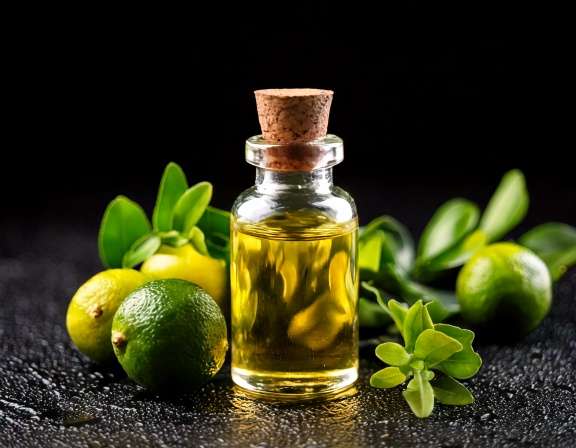
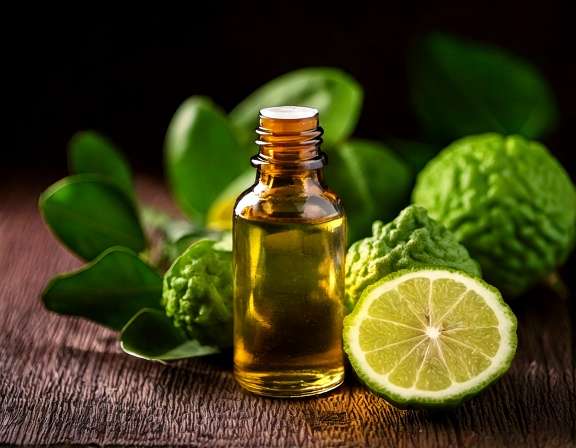
Bergamot essential oil comes from the peel of the bergamot orange, Citrus bergamia, a citrus fruit related to bitter orange and lemon. Its aroma is bright and fresh, with a gentle floral quality that feels softer than many other citrus oils.
In aromatherapy, bergamot is a popular choice for creating a calm, pleasant atmosphere. It can bring a little brightness to a workday or add a soothing note to an evening routine. In this guide, we’ll cover bergamot oil’s aroma, common uses, safety basics, and three simple recipes to try at home.
What Makes Bergamot Essential Oil Distinct?
Producers typically extract bergamot essential oil from the fruit peel through cold pressing. The oil has a rounded citrus scent that appears in perfumery and personal-care products. It’s also the familiar citrus aroma in Earl Grey tea.
Many people choose bergamot when they want a fresh scent that feels less sharp than lemon or grapefruit. It blends well with florals, woods, and herbs, so a small amount can add a bright note without overpowering a blend.
Aroma and Common Components
Bergamot oil naturally contains aromatic compounds such as linalyl acetate, linalool, and limonene. These compounds contribute to its distinctive scent. You don’t need to know their individual properties to enjoy the oil; choose it based on the aroma and the kind of atmosphere you want to create.
Regular Bergamot and Bergamot FCF
Bergamot essential oil is commonly sold as regular bergamot or bergamot FCF. FCF means “furanocoumarin-free.” Furanocoumarins in regular bergamot can make skin more sensitive to sunlight and UV light, a reaction known as phototoxicity.
For leave-on products such as body oils and rollers, many people prefer bergamot FCF. Check the product label for its type and usage guidance, and patch test any blend before applying it more widely.
Common Uses for Bergamot Essential Oil
Bergamot’s fresh, softly floral aroma suits a range of aromatherapy routines. Use it to scent a room, create a transition between work and rest, or add a citrus note to a personal-care blend.
Aromatherapy for a Calm, Uplifting Atmosphere
Many people turn to bergamot when they want a lighter, more relaxed feel in a room. Try a short diffusion session while you work, read, or take a break. Start with fewer drops than your diffuser’s maximum recommendation, and adjust based on the room size and your preference.
You can also place one drop on a tissue and breathe in the aroma from a short distance. Keep the tissue away from your face and skin, and stop if the scent feels irritating or overwhelming.
Evening Wind-Down Routines
Bergamot can bring a softer mood to an evening routine. Diffuse it while you dim the lights or prepare for bed, then turn off the diffuser before sleeping. Pair the scent with habits that already help you settle, such as a warm shower or a cup of caffeine-free tea.
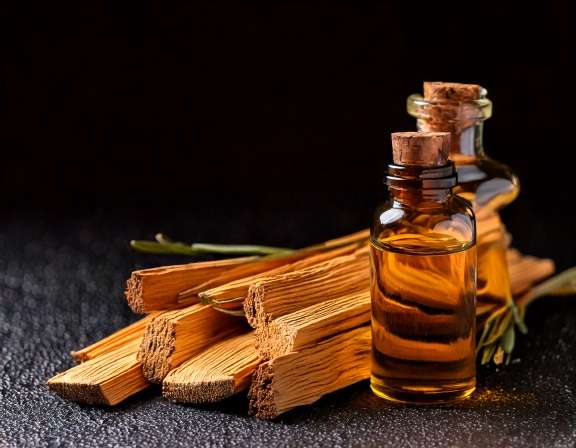
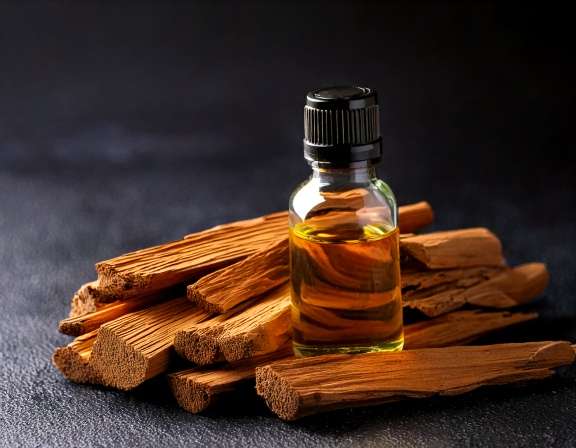
Lavender and cedarwood are popular companions for bergamot in evening blends. Keep the routine simple and use a scent level that feels comfortable to you.
Skin and Scalp Care
Some people add bergamot to diluted body or scalp-care blends for its fresh scent. However, essential oils can irritate skin, and bergamot should never be applied undiluted. Choose FCF bergamot for leave-on products, use a suitable carrier oil, and patch test the mixture first.
For shampoo, mix a drop into the amount you plan to use in your hand rather than adding it directly to the bottle. Avoid applying essential oils near the eyes or to broken or irritated skin. Bergamot oil should not be treated as a cure for acne, scalp conditions, or hair loss.
Freshening Indoor Spaces
Bergamot can add a clean citrus note to a room. Diffusion is a simple option, but remember that fragrance does not replace cleaning. For spills, mold, or heavy grime, use appropriate cleaning methods first.
How to Use Bergamot Essential Oil Safely
Bergamot is concentrated, so use it thoughtfully. Avoid applying it neat, follow the label directions, and keep it away from eyes and sensitive areas.
Sun Exposure and Phototoxicity
Regular bergamot can make skin more vulnerable to sunlight and UV exposure. If you apply regular bergamot to your skin, keep the treated area out of direct sun and away from tanning beds for at least 12 to 24 hours. Follow the product label if it gives a longer restriction.
For daytime body oils, rollers, and other leave-on products, choose bergamot FCF. FCF reduces the concern about phototoxicity, but it doesn’t prevent irritation or an allergic reaction.
Dilution and Patch Testing
A gentle starting point for adults is:
- Face: About a 1% dilution, or 1 drop of essential oil in 1 teaspoon of carrier oil.
- Body: About a 2% dilution, or 2 drops of essential oil in 1 teaspoon of carrier oil.
Drop sizes vary, so these are approximate guides. Follow the essential oil manufacturer’s directions when they call for a lower concentration.
Before using a new blend, apply a small amount to a discreet patch of skin. Wait 24 hours and check for redness, itching, or swelling. Don’t use the blend if a reaction appears.
If you’re pregnant, nursing, have asthma or sensitive skin, or take medication, ask a qualified health professional whether bergamot is suitable for you. Keep essential oils away from children. When diffusing around pets, use a well-ventilated room and give them a clear way to leave. Never apply bergamot or other essential oils to a pet unless a veterinarian directs you to do so.
Three Bergamot Essential Oil Recipes
Bergamot blends easily with floral, woody, and herbal oils. Start with a small amount, and follow your diffuser or product instructions.
1. Bergamot and Lavender Diffuser Blend
Ingredients
- 3 drops bergamot essential oil
- 3 drops lavender essential oil
- 2 drops cedarwood essential oil
- Water, as directed by your diffuser
Add water to your diffuser according to its manual, then add the essential oils. Run the diffuser for 20 to 30 minutes, or use its intermittent setting. Take a break between sessions and ventilate the room.
2. Bergamot FCF Roller Blend
Ingredients
- 2 drops bergamot FCF essential oil
- 2 drops lavender essential oil
- 10 ml carrier oil, such as jojoba or fractionated coconut oil
- One 10 ml roller bottle
Add the essential oils to the roller bottle, then fill it with carrier oil and secure the cap. Shake gently to combine. Patch test the blend before use, and apply a small amount to your wrists or another area of intact skin. Keep it away from your eyes and sensitive areas.
3. Bergamot Shower Washcloth
Ingredients
- 1 drop bergamot essential oil
- 1 drop lavender essential oil
- 1 damp washcloth
Place the drops on a damp washcloth and set it on a shower shelf away from the direct stream of water. Let the warm air carry the aroma through the shower. Keep the cloth from rubbing against your skin, and don’t place it where it could create a slipping hazard.
Frequently Asked Questions
Can I apply bergamot essential oil directly to my skin?
No. Dilute bergamot in a carrier oil before applying it to skin. For leave-on products, choose bergamot FCF and patch test the diluted blend first.
What does FCF mean on a bergamot oil label?
FCF stands for “furanocoumarin-free.” This type of bergamot has had the furanocoumarins associated with phototoxicity removed. It can be a practical choice for leave-on skin products, though irritation is still possible.
Can I use regular bergamot in a diffuser?
Yes. Phototoxicity is a concern when bergamot oil is applied to skin and then exposed to sunlight or UV light. Follow your diffuser’s instructions, use a moderate amount, and ventilate the room.
Is bergamot a good choice for bedtime?
Many people enjoy its fresh, soft aroma as part of an evening routine. Try diffusing it for a short period before bed, and turn off the diffuser before you fall asleep.
Is bergamot safe to use around pets?
Use caution when diffusing essential oils around animals. Keep the room ventilated and let pets leave whenever they choose. Don’t apply bergamot oil to a pet unless a veterinarian has advised you to.
A Simple Way to Start
Bergamot essential oil can add a fresh, gentle scent to a diffuser or a carefully diluted body-care blend. Start with a small amount, choose FCF bergamot for leave-on skin use, and keep regular bergamot-treated skin out of sunlight and UV exposure. Once you find a blend you enjoy, use it as a small part of a routine that already feels comfortable and familiar.
Stay Connected for More Natural Living Inspiration
For more wellness tips, subscribe to the blog for weekly posts about essential oils, teas, and herbs. Want an ad free experience with DIY essential oil, herbal recipes and tips? Head here for a distraction free experience.
Thanks for stopping by!