
(DISCLAIMER: I am not a doctor, and you should consult your healthcare professional before starting any health regimen. Product links are commissioned and supports the blog)

Key Takeaways:
- Always dilute in a carrier oil for skin use (don’t apply most oils neat).
- Start small, then adjust. It’s easier to add than to fix a blend that’s too strong.
- Patch test every new blend, especially if you have sensitive skin.
- Keep notes (drops, date, brand, and how it smelled after 10 minutes). Your future self will thank you.
- Use glass when possible, because oils can degrade some plastics over time.
- Avoid eyes, inner nose, and broken skin, even with diluted blends.
- Be extra careful with kids and pets. Many oils aren’t a fit for them, and diffusing in shared air takes caution.
- Store blends in a cool, dark place, with caps tightly closed.
- When in doubt, use fewer drops. A gentle blend can still feel special.
If a blend smells “too much” in the bottle, it’ll usually feel even stronger once it warms on skin or fills a room.
Twist open a bottle of essential oil and breathe in. The first whiff is often bright and quick, like the sparkle of citrus peel. A few seconds later, deeper notes show up, like a warm sweater pulled from a cedar chest.
That shift is a clue. Mixing essential oils isn’t just tossing drops together and hoping for the best. In real life, it usually means blending oils into something you’ll actually use, like a diluted roll-on, a body oil, a room spray, or a diffuser routine.
Before you chase the “perfect” scent, lock in safe habits. Essential oils are concentrated. A tiny amount goes a long way.
This guide keeps it simple. You’ll learn a repeatable method, a few easy ratios, and the safety basics that help you make blends for stress relief, a fresh-smelling home, and a softer bedtime wind-down.
Start with safety, dilution, and the right supplies
Think of essential oils like strong spices. A pinch can transform the whole dish, while a handful can ruin it. That’s why dilution matters, and why “more” isn’t better.
For skin blends, pick a carrier oil that fits your use. Jojoba feels light and close to skin’s natural oils, so it’s great for roll-ons. Fractionated coconut oil stays liquid and has little scent, which helps your blend shine. Sweet almond oil gives a silky glide for massage, while grapeseed oil feels thin and fast-absorbing. If you want a deeper guide to options and ratios, bookmark safe dilution ratios for essential oils.
A few cautions keep you out of trouble. Many citrus oils can increase sun sensitivity (phototoxicity), especially expressed bergamot, lemon, lime, and grapefruit. Plan those blends for nighttime, or keep the application area covered. Pregnancy, asthma, epilepsy, and certain medications can change what’s appropriate, so check with a qualified professional if you’re unsure.
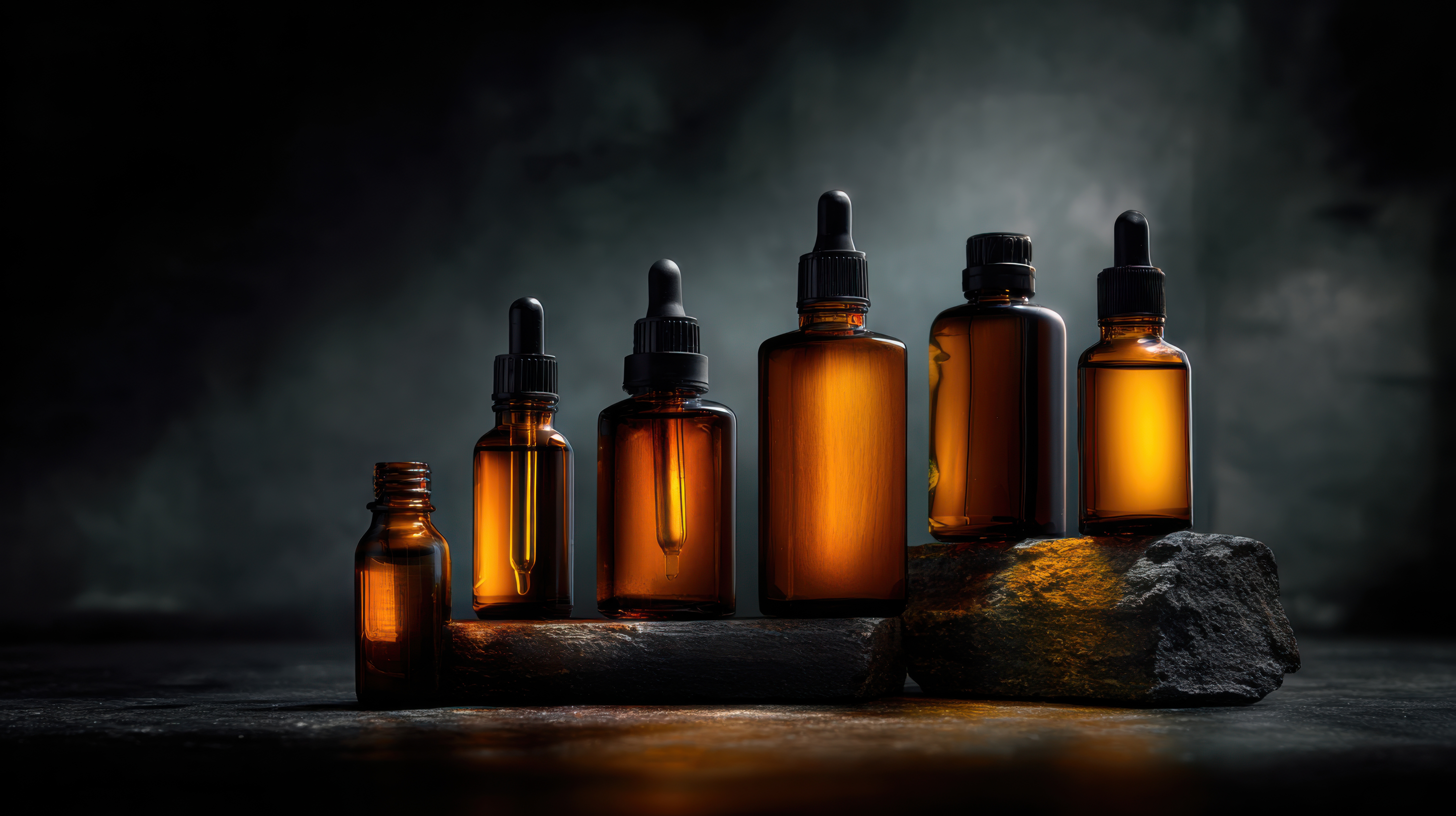
You don’t need fancy gear, but a few tools make blending calmer and cleaner: glass dropper bottles, roller bottles, labels, pipettes, a small funnel, and a notebook (or notes app). Labeling sounds boring, yet it’s how you avoid the mystery bottle problem.
Easy dilution guide for roll-ons and body oils
Dilution sounds technical, but the idea is simple: use fewer essential oil drops for everyday use, and save stronger blends for short-term needs (if your skin tolerates them).
A plain-language range that works for many adults:
- 1 percent: extra-gentle blends (often best for sensitive skin). Kids require special safety rules, so only use kid blends if you’ve checked age guidelines first.
- 2 percent: common for daily adult use (roll-ons, body oils).
- 3 percent: short-term use on small areas, not a “more is better” default.
Here’s a quick drops guide you can actually follow. Drop size varies by oil and dropper, so treat this as an estimate.
- 10 ml roller bottle
- 1 percent: about 2 drops total essential oil
- 2 percent: about 4 drops
- 3 percent: about 6 drops
- 30 ml bottle (1 oz)
- 1 percent: about 6 drops
- 2 percent: about 12 drops
- 3 percent: about 18 drops
After mixing, do a patch test on your inner forearm. Wait 24 hours. If you notice burning, itching, or a rash, stop using it and wash with soap and plenty of water.
When not to mix, or when to keep it extra simple
Most beginner problems come from getting excited and going too big. A blend with eight oils often smells muddy, not magical. Start with 2 to 4 oils until your nose learns what each one does.
Skip these common mistakes:
- Undiluted oils on skin. “Neat” use can cause irritation or sensitization.
- Oils straight into bath water. Oil and water don’t mix, so droplets can cling to skin. If you want a bath, use a proper dispersant, or blend into a carrier oil first, then add with care.
- Plastic storage. Use glass for blends you plan to keep.
- “Hot” oils without caution. Cinnamon bark, clove, oregano, and thyme can irritate skin fast. If you’re new, avoid them in topical blends.
A simple rule helps: if you wouldn’t rub a strong chili on your skin, don’t treat spicy essential oils casually either.
How to build a blend that smells balanced, not muddy
A good blend has a shape to it. It rises, softens, then settles. Perfumers talk about top, middle, and base notes, and the same idea helps with essential oil mixing.
- Top notes hit first and fade faster (citrus, many mints).
- Middle notes feel like the “heart” (lavender, rosemary, geranium).
- Base notes last longer and add depth (cedarwood, frankincense, vetiver).
For a starter ratio, try 3 parts top, 2 parts middle, 1 part base. It’s not a law, it’s training wheels. If your blend feels sharp, add a touch more middle or base. If it feels heavy, brighten it with a top note.
Smell as you go. Use scent strips, or just cotton swabs. Also, take breaks. Noses get tired quickly, and then every blend starts to smell the same.
Some pairings tend to behave:
- Citrus + herbs (lemon + rosemary)
- Florals + woods (lavender + cedarwood)
- Mint + citrus (peppermint + grapefruit)
On the other hand, too much mint can bully a blend, and too much floral can feel powdery. Balance is usually quieter than you expect.
Pick your “main character” oil, then support it
Choose one oil to star in the blend. This is the scent you want to notice first when you open the bottle. After that, add support oils like you’re building a frame around a picture.
Think in simple roles:
- Brighten: lemon, bergamot, grapefruit
- Calm: lavender, geranium, Roman chamomile
- Ground: cedarwood, vetiver, frankincense
- Freshen: peppermint, eucalyptus, rosemary
For example, if lavender is your main character, you might add bergamot to lift it and cedarwood to warm it. If grapefruit is your star, rosemary can add a clean edge, while frankincense can slow it down so it doesn’t vanish too fast.
Keep your goal simple, too. “Cozy and clean” is easier to blend than “everything shower, forest hike, and bakery at once.”
A simple scent test you can do in 2 minutes
Before you commit drops to a bottle, do a dry run. This keeps waste low and results high.
- Put one drop of each oil on separate cotton swabs.
- Waft them from a little distance, then bring the swabs closer together.
- Remove one swab if it feels sharp or heavy, then test again.
- Jot a quick score in your notes: “fresh,” “sweet,” “sharp,” “heavy,” “soothing.”
- Rest your nose for 30 seconds, then re-smell.
That tiny pause matters. After a few rounds, you’ll trust your nose more than any recipe.
Mix essential oils for real life, roller bottles, room sprays, and diffusers
Mixing gets easier when you pick a format first. A diffuser blend behaves differently than a skin blend, and a room spray has its own rules because water and oil don’t naturally blend.
Whatever you make, label it. Write the date, dilution percent, oils used, and drop counts. If you loved it, you can remake it. If it irritated your skin, you’ll know what not to repeat.
Also, store blends like you’d store good olive oil: cool, dark, and tightly closed. Heat and light can dull the scent over time.
Roll-on blends that feel good on skin
Roll-ons are beginner-friendly because they’re small, simple, and easy to adjust.
Method (10 ml roller bottle):
- Add your essential oil drops to the empty bottle first.
- Fill the rest with carrier oil.
- Cap it, then roll the bottle between your palms to mix.
- Label it, then patch test.
Try these gentle, everyday ideas at about a 2 percent dilution (around 4 drops total in 10 ml):
- Calm: 2 drops lavender + 1 drop bergamot + 1 drop cedarwood
- Focus: 2 drops rosemary + 1 drop grapefruit + 1 drop frankincense
- Comforting: 2 drops geranium + 1 drop frankincense + 1 drop sweet orange
Apply to wrists or the back of the neck, then pause and breathe normally. If your skin reacts, wash the area and stop using the blend.
Room spray and diffuser blends that smell clean and cozy
Room sprays sound easy, yet there’s one catch: oil and water don’t mix. If you pour essential oils into water, they’ll float on top. That means the first spray can be harsh and uneven.
For a simple home spray, you have a few options:
- Use a solubilizer made for essential oils (best for even mixing).
- Use a small amount of high-proof alcohol to help disperse the oils.
- If you use water only, keep oils low and shake before each spray, every time.
Keep sprays away from faces, and avoid spraying near pets’ bedding, aquariums, or bird cages.
Diffusers are usually simpler. Start low, especially in smaller rooms or if anyone is sensitive. A practical range is 3 to 6 drops in a small bedroom diffuser, then adjust next time. Diffuse with breaks (for example, 30 minutes on, then off), and open a window now and then.
Beginner-friendly ideas:
- Fresh Kitchen: lemon + rosemary + a touch of eucalyptus
- Sleepy Evening: lavender + cedarwood + a little bergamot
- Rainy Day Cozy: sweet orange + frankincense + cedarwood
If you want more ideas for aroma-only blends, natural diffuser recipes for allergies can spark new combinations, even if you simply use the scent pairings as inspiration.
Conclusion
Mixing essential oils can feel like cooking by scent, a pinch of bright notes, a spoon of calm, then something warm to hold it all together. Start with one goal, pick 2 to 4 oils, dilute well, and keep notes so you can repeat what worked. Make one small blend today, live with it for a day, then tweak it next time. What combo do you love most right now, fresh citrus, cozy woods, or soft florals?
Stay Connected for More Natural Living Inspiration
If you enjoyed this post about herbal wellness and love discovering natural ways to refresh your home and wellness, don’t miss out on future recipes and clean-living tips! Subscribe to the blog for weekly DIYs, wellness inspiration, and herbal remedies delivered straight to your inbox.
Don’t forget to visit my Amazon storefront and Patreon community for the links to my favorite essential oils, herbal teas, and natural recipes. The link to all social media content is here.
Thanks for coming by!
You must be logged in to post a comment.