
(DISCLAIMER: I am not a doctor, and you should consult your healthcare professional before starting any health regimen.)

Key Takeaways
- Nettle leaf tea is a nutrient-rich herbal drink with antioxidants, vitamins, and minerals.
- It may offer mild support for seasonal allergies and inflammation, but research is still limited.
- Nettle tea can act as a gentle diuretic, so some people use it for urinary support.
- Most nettle tea is made from dried nettle leaf, not nettle root.
- It isn’t right for everyone, especially during pregnancy or when taking certain medicines.
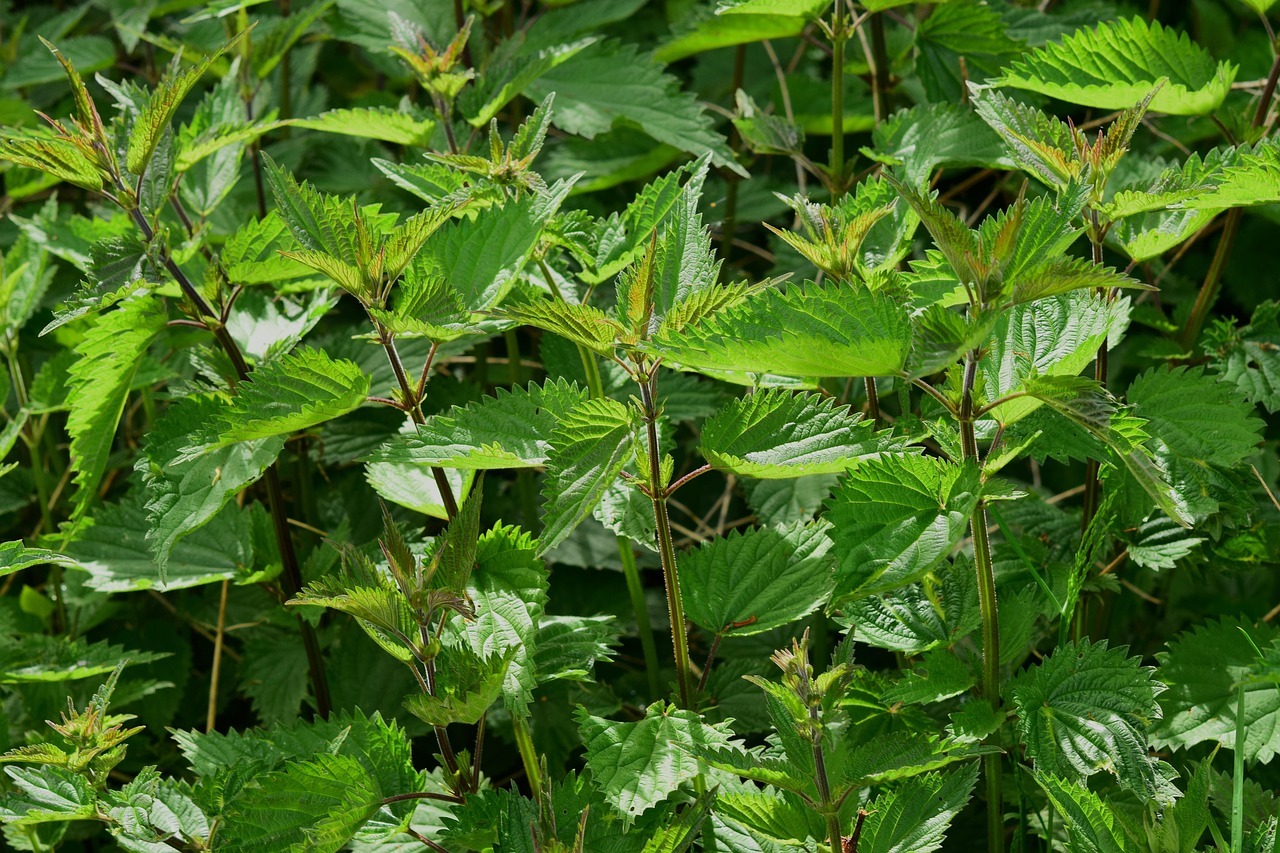
Stinging nettle, Urtica dioica, has a rough reputation because the fresh plant can sting your skin. Yet once the leaves are dried and brewed, nettle becomes a mild, earthy herbal tea that many people drink for general wellness.
Most nettle tea is made from the leaf, not the root. That matters, because nettle root is a different herbal product and is often used for different goals, especially prostate support. People usually look into nettle tea benefits for allergies, inflammation, mineral support, skin health, and everyday nourishment.
The interest is easy to understand. Still, tea can support your health routine, not replace medical care, testing, or prescribed treatment.
The main nettle tea benefits people use it for
People often search for nettle tea benefits because the herb has a long history and a practical profile. Research is promising, but still limited. Many claims come from small studies, reviews, traditional use, or research on nettle leaves and extracts rather than tea itself.
May help calm inflammation and ease achy joints
Nettle leaf contains plant compounds such as flavonoids and phenolic compounds. These may help lower oxidative stress and calm some inflammatory activity in the body. That doesn’t make nettle tea a treatment for arthritis, but it helps explain why people often reach for it when they feel stiff or run down.
Some early research on nettle has linked it with less joint discomfort, especially in inflammatory conditions. In daily life, that often translates to simple goals, such as taking the edge off mild aches or supporting recovery after activity. A warm cup won’t work like a pain reliever, but it may fit into a broader routine that includes movement, sleep, and medical care when needed.
Can offer gentle support during allergy season
Nettle has a long folk history for hay fever, and small human studies have suggested it may have a mild antihistamine effect. That’s why people use it during pollen season for sneezing, itchy eyes, scratchy throat, and a stuffy nose.
Results vary, and the effect is usually subtle. Nettle tea makes more sense as supportive care than as a rescue option for severe symptoms. If your allergies hit hard, you may need other tools too, such as saline rinses, air filters, or medical treatment. Some people also pair herbal teas with other home supports like natural allergy relief with essential oils, as long as those options are used safely.
Supports urinary health and adds useful nutrients
Nettle tea also has a mild diuretic effect, which means it may increase urine output a bit. Because of that, some people drink it for fluid balance or mild urinary comfort. The effect is gentle, not dramatic, and it isn’t a fix for urinary pain, infection, or retention.
It’s also worth separating leaf tea from root products. Evidence for urinary and prostate support is stronger for nettle root extracts, especially in studies on benign prostate enlargement. Plain nettle leaf tea may still feel supportive, but it’s not the same thing.
On top of that, nettle leaf contains vitamins A, C, and K, plus minerals such as iron, calcium, magnesium, and potassium. Tea gives you some of that benefit, though not in the same amount you’d get from eating nutrient-dense foods. In other words, nettle tea is a helpful add-on, not a meal replacement in a mug.
How nettle tea has been used in traditional herbal medicine
Long before modern wellness trends, nettle was already a familiar household herb. In European folk herbalism and other traditions, people used it as a spring plant, a nourishing tonic, and a general herb for rebuilding after winter.
A classic spring tonic for energy, skin, and overall nourishment
Traditional herbalists often used nettle in spring, when heavier winter meals were over and fresh greens were back. Nettle was seen as a cleansing and rebuilding herb, something to gently support the body rather than push it hard.
People brewed it for tiredness, dull skin, and that worn-out feeling that can follow long winters or poor eating habits. The idea was simple: a mineral-rich green herb could help the body feel better fed and more balanced. Modern readers may hear “detox” and roll their eyes, but older use was often closer to nourishment than extreme cleansing.
Long used for allergies, joints, and women’s wellness
Nettle also shows up in older herbal records for hay fever, sore joints, urinary complaints, and menstrual support. That wide use explains why modern interest in nettle tea benefits covers more than one issue.
For women’s wellness, the herb was often used in nourishing blends, especially around monthly cycles. Still, tradition isn’t the same as safety. That matters most during pregnancy, when nettle tea should only be used if a qualified clinician says it’s appropriate.
How to make nettle tea at home and how much to drink
Nettle tea is beginner-friendly. It tastes grassy, earthy, and a little like spinach crossed with green tea, but without the caffeine. Start simple, then adjust strength and steep time to your taste.
Loose leaf, tea bags, hot tea, and cold infusion options
Loose leaf nettle usually gives better color, aroma, and strength than tea bags. Tea bags are easier, though, and they work well if convenience matters more than fine-tuning the brew.
For a standard hot cup, use 1 to 2 teaspoons dried nettle leaf per 8 ounces of hot water. Cover the cup and steep for 5 to 15 minutes. Covering helps keep the aromatic compounds in the tea instead of letting them drift off with the steam.
If you want a stronger, more mineral-rich drink, make a long infusion. Use about 1 tablespoon dried nettle per cup of hot water, cover it, and let it steep for 4 to 8 hours or overnight. The flavor gets deeper and greener.
Cold infusion works too. Add dried nettle to cool water, place it in the fridge for several hours, then strain. The taste is softer and milder, which some people prefer in warm weather.
Best times to drink nettle tea and how often to use it
A good starting point is 1 cup a day. If it agrees with you, you can move up to 1 to 3 cups daily. More isn’t always better, especially when you’re trying a new herb.
Because nettle tea is caffeine-free, many people drink it in the morning or afternoon. Some avoid it late in the evening because of the mild diuretic effect. If you’re sensitive to nighttime bathroom trips, that choice makes sense.
Store prepared tea in the fridge and use it within about 2 days. If the flavor turns flat or sour, toss it. If you enjoy rotating herbs, you may also like other calming herbal teas for stress relief for later in the day.
Who should avoid nettle tea, plus side effects and drug interactions
Safety matters more than benefits. If you take regular medicines or manage a health condition, check with a clinician or pharmacist before adding nettle tea to your routine.
Tea can be helpful, but it isn’t a stand-in for medical care or medication review.
Pregnancy, kidney problems, allergies, and other reasons to be careful
People who are pregnant should avoid nettle tea unless a qualified clinician says otherwise. Safety hasn’t been well established, and traditional warnings include possible uterine stimulation. If you’re breastfeeding, use caution too, because evidence is limited.
Nettle tea may also be a poor fit if you have kidney disease, are on dialysis, or have heart failure with fluid-balance issues. Since it can mildly increase urination, it may complicate conditions where fluid status needs close control.
Plant allergies matter as well. Fresh nettle can sting the skin because of tiny hairs on the plant. Tea is made from dried or processed leaves, so it won’t sting in the same way, but people who react to plants should still start carefully.
Possible side effects and medicine interactions to know about
Most healthy adults tolerate moderate amounts of nettle tea fairly well. Mild side effects can include stomach upset, diarrhea, or changes in urination. Strong infusions may bother sensitive stomachs, so start small.
Drug interactions are the bigger issue. Nettle may interact with blood pressure medicines, diuretics, diabetes medicines, blood thinners, lithium, and medicines that affect hormones. Vitamin K content is one reason blood thinner users should be careful.
If your stomach tends to rebel with strong herbs, it may help to rotate gentler herbal teas for bloating relief instead of forcing a tea that doesn’t suit you.
How to choose a good nettle tea, store it well, and make it taste better
Good nettle tea shouldn’t look tired or dusty. A quality tea feels alive before it even hits the cup.
What to look for when buying nettle tea and how to store it
Look for organic nettle leaf from a trusted brand when possible. Quality testing for contaminants is a plus, especially for herbs that may pick up heavy metals or other residues during growing and processing.
The leaves should look fairly vibrant green and smell fresh and earthy. If the tea looks gray, stale, or powdery, skip it. Once you bring it home, store it in an airtight jar or tin away from heat, light, and moisture. For best flavor and potency, use it within 6 to 12 months.
Easy nettle tea blends with mint, lemon balm, or raspberry leaf
Nettle is mild enough to blend well with other herbs. A few easy options:
- Nettle plus mint makes a fresher cup that works well after meals or as iced tea.
- Nettle plus lemon balm gives a softer, calmer evening blend with a light citrus note.
- Nettle plus raspberry leaf is a classic herbal combo for general nourishment, but avoid raspberry leaf blends during pregnancy unless a clinician approves them.
A squeeze of lemon brightens the flavor. A little honey can soften nettle’s grassy edge if plain tea tastes too green for you.
Nettle tea can be a smart, low-caffeine herbal drink if you want gentle support for allergies, mild inflammation, urinary comfort, or a bit more mineral-rich variety in your routine. Its best use is simple and steady, not dramatic.
Choose good-quality leaf, brew it without fuss, and start with small amounts. If you have a health condition, are pregnant, or take medicine, put safety first and get advice before making it a daily habit.
Stay Connected for More Natural Living Inspiration
If you enjoyed this post about herbal wellness and love discovering natural ways to refresh your home and wellness, don’t miss out on future recipes and clean-living tips! Subscribe to the blog for weekly DIYs, wellness inspiration, and herbal remedies delivered straight to your inbox.
Don’t forget to visit my LinkTree for the links to my favorite essential oils, herbal teas, natural recipes, YouTube ambiance videos for sleeping; a project I created to help with insomnia symptoms and the second channel, Rooted in Nature YouTube Channel both channels feature herbal recipes for wellness and home.
Thanks for coming by!


Leave a Reply