(DISCLAIMER: I am not a doctor, and you should consult your healthcare professional before starting any health regimen. Product links are commissioned and supports the blog)
A bump can leave your skin tender, discolored, and uncomfortable for days. Many people reach for helichrysum essential oil because it has a long history in traditional herbal care and fits easily into a gentle body-care routine.
Still, it isn’t a proven medical treatment for bruises. Research doesn’t show that it speeds bruise healing or removes trapped blood. Dilution, light application, and basic first aid matter more than using extra drops. Before trying it, learn how to use it safely, when to skip it, and which symptoms need medical care.
Key Takeaways
- Dilute helichrysum essential oil in a carrier oil or suitable gel. Never apply it neat.
- Use it only on clean, intact skin. Keep it away from cuts, eyes, lips, and mucous membranes.
- Research on helichrysum for bruises is limited, so treat it as optional comfort care.
- A cold pack, rest, and elevation may help after a minor bump during the first day.
- Frequent, severe, painful, or unexplained bruising deserves advice from a healthcare professional.
How Helichrysum Essential Oil for Bruises and Minor Skin Discomfort May Help
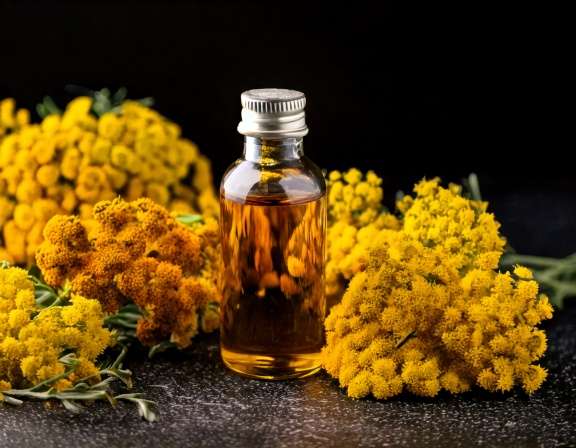
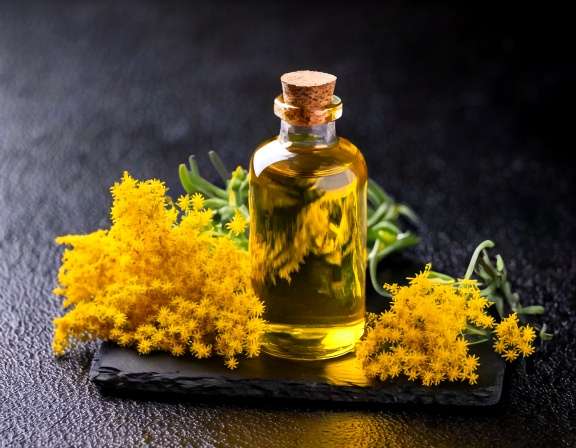
Helichrysum essential oil is a concentrated aromatic extract, often made from the flowering tops of Helichrysum italicum. The plant is also called immortelle or everlasting. Its warm, herbal scent makes it popular in massage oils, body products, and natural skin-care blends.
Traditional herbal practices have used helichrysum for skin comfort after minor bumps and everyday irritation. Personal reports also describe it as soothing when mixed into a gentle massage blend. However, these uses are different from clinical proof. Current evidence doesn’t establish that the oil speeds the healing of a bruise, prevents discoloration, or clears a hematoma.
A bruise forms when small blood vessels break and blood collects beneath the skin. Over time, your body reabsorbs that blood, and the color usually changes before fading. Gentle care may make the area feel more comfortable, but the oil doesn’t replace rest, a cold pack, or medical assessment when an injury looks serious.
What it may offer for bruises, bumps, and irritated skin
Diluted helichrysum can add a pleasant scent and a smooth feel to a simple body-care routine. Some adults use a small amount around a minor bruise when the skin feels tender but isn’t cut or scraped. Light contact may feel calming, especially when you want a brief self-care ritual.
The cause of skin discomfort matters, though. Tenderness may come from a strain, allergic reaction, infection, burn, or a more serious injury. For that reason, helichrysum belongs in the comfort-care category rather than the treatment category. It shouldn’t replace first aid or prescribed care.
Why dilution matters more than using extra drops
Essential oils are highly concentrated. Adding more doesn’t make a blend work better, but it can increase the chance of burning, itching, redness, or sensitization.
A cautious beginner blend uses 1 to 2 drops of helichrysum in 1 teaspoon of carrier oil. For a very mild formula, use about 2 to 3 drops per 1 ounce of carrier oil. Jojoba, sweet almond, and coconut oil are common choices. Use less for sensitive skin, and follow the product label because oils and recommendations vary.
For more safe use of essential oils in skincare, keep the same rule in mind: dilute first, avoid delicate areas, and use a small amount.
How to Use Helichrysum Essential Oil Safely on a Bruise
First, check the injury before reaching for any oil. If the area is severely painful, rapidly swelling, numb, misshapen, or difficult to move, don’t massage it. Seek medical advice instead.
For a small, uncomplicated bruise, clean and dry the surrounding skin. Mix the essential oil into a carrier oil or suitable gel before it touches your body. Apply a thin layer with almost no pressure, and avoid rubbing deeply. Stop immediately if you notice burning, itching, redness, swelling, or a rash.
During the first day after a minor bump, place a cold pack wrapped in cloth over the area for short periods. Rest the injured body part, and raise it when that feels practical. Don’t place essential oil directly beneath a cold pack, and don’t use massage to forcefully work through pain.
You can use a diluted blend once or twice daily if the skin remains comfortable. More frequent application isn’t automatically safer or more effective. Keep the bottle closed, store it away from heat and sunlight, and wash your hands after application.
A simple patch test for first-time users
Mix the blend at the same dilution you plan to use. Apply a small amount to the inner wrist or inside of the elbow, then wait 24 hours. Watch for itching, redness, swelling, warmth, or a rash before applying it to a larger area.
A patch test lowers uncertainty, but it can’t guarantee that you won’t react later. If you have fragrance allergies, eczema, or highly reactive skin, you may want to avoid essential oils altogether. This essential oil patch test guide offers another practical reference for cautious testing.
Who should skip it or ask a clinician first
Ask a healthcare professional before using helichrysum if you’re pregnant, breastfeeding, treating a young child, or managing asthma or fragrance sensitivity. People with eczema, known plant allergies, or sensitive skin also need extra care.
Ask about topical essential oil use if you take a blood-thinning medication or have a bleeding disorder. Safety information for these situations isn’t strong enough for casual self-treatment.
Never apply helichrysum to open wounds, broken skin, infected areas, fresh cuts, eyes, lips, or other mucous membranes. Essential oils also aren’t for internal use unless a qualified professional gives you specific instructions.
Three Easy Helichrysum Blends for Minor Skin Discomfort
These recipes are optional topical blends for adults using intact skin only. Make small amounts, use clean and dry tools, and label each container with its ingredients and date. None of these formulas is a proven treatment for bruising.
Gentle helichrysum and jojoba spot blend
INGREDIENTS
- 1 teaspoon jojoba oil
- 1 to 2 drops helichrysum essential oil
Mix the jojoba oil and helichrysum in your palm or a small glass container. Stir with a clean fingertip or glass stirrer, then apply a very thin layer around a minor bruise with almost no pressure. Use it up to twice daily if your skin stays comfortable. Don’t apply it to broken, scraped, or irritated skin.
Jojoba has a light feel and works well for a small spot blend. Keep the unused mixture covered and make a fresh batch rather than storing a large amount.
Helichrysum, lavender, and sweet almond comfort oil
INGREDIENTS
- 1 tablespoon sweet almond oil
- 2 drops helichrysum essential oil
- 1 drop lavender essential oil
Add the ingredients to a clean, dark glass bottle and roll it gently between your hands to combine them. People with tree-nut allergies should avoid sweet almond oil or choose a different carrier after asking a healthcare professional. Apply a small amount with light, brief strokes on intact skin only.
Don’t press on a swollen or painful injury. Store the bottle tightly closed in a cool, dark place, and stop using it if the scent changes or your skin reacts.
Cooling helichrysum aloe gel for intact skin
INGREDIENTS
- 1 tablespoon plain aloe vera gel
- 1 drop helichrysum essential oil
Mix the oil thoroughly into the aloe gel before use. Apply a thin layer to intact skin without rubbing hard. Refrigerate the mixture and discard it if the smell, color, or texture changes.
Because water-based homemade products can spoil, make only enough for a few uses. Don’t keep the blend for weeks or add it to cuts, scrapes, open wounds, or areas with a rash. If the gel stings, rinse it off and don’t apply it again.
When a Bruise Needs More Than Essential Oil
Most minor bruises fade within one to two weeks. The color may shift from red or purple to green, yellow, or brown as the body reabsorbs the trapped blood. A bruise that slowly improves usually needs time, not stronger products.
Contact a healthcare professional if you have severe pain, major swelling, numbness, limited movement, or a bruise after a serious fall. A head or eye injury also deserves prompt medical attention. Seek advice when bruises appear often without a clear cause, grow larger, fail to improve, or begin after you start a new medication.
Redness that spreads, increasing warmth, pus, fever, or worsening pain may point to infection. Get urgent care for trouble breathing, fainting, confusion, uncontrolled bleeding, or signs of a serious injury.
Helichrysum may be a pleasant, diluted comfort option for a minor bump, but it can’t tell you why bruising happened or whether an injury is safe to manage at home. Proper first aid and timely care come first.
A Gentle, Safety-First Approach
Helichrysum essential oil may fit into a simple self-care routine when minor skin discomfort occurs, but evidence for faster bruise healing remains limited. Use a low dilution, patch test first, and apply only to intact skin with a light touch.
Stop if irritation develops, and don’t massage a painful or swollen injury. When bruises are unusual, persistent, severe, or unexplained, contact a healthcare professional instead of relying on an essential oil blend.
Stay Connected for More Natural Living Inspiration
If you enjoyed this post about herbal wellness and love discovering natural ways to refresh your home and wellness, don’t miss out on future recipes and clean-living tips! Subscribe to the blog for weekly DIYs, wellness inspiration, and herbal remedies delivered straight to your inbox.
Don’t forget to visit my Amazon storefront for the links to my favorite essential oils, herbal teas, and natural recipes. I also create YouTube ambiance videos for sleeping; a channel I created to help people who have trouble sleeping. The link to all social media content is here.
Thanks for coming by!
Leave a Reply