

(DISCLAIMER: I am not a doctor, and you should consult your healthcare professional before starting any health regimen. Some links are commissioned and supports the blog)

Seasonal allergies can turn beautiful spring days into uncomfortable struggles with sneezing, congestion, itchy eyes, and fatigue. While over-the-counter medications offer temporary relief, they often come with unwanted side effects. Thankfully, nature provides a gentler solution. Essential oils are powerful natural remedies that can help manage allergy symptoms without chemicals. In this post, you’ll discover which essential oils are most effective for seasonal allergy relief, how to use them safely, and easy blends to help you breathe easier.
Understanding Seasonal Allergies
To tackle seasonal allergies head-on, it’s helpful to first understand what they are, their triggers, and how they affect your body.
What Are Seasonal Allergies?
Seasonal allergies, also called hay fever or allergic rhinitis, occur when your immune system overreacts to harmless substances in the environment. Common culprits include pollen from trees, grass, and flowers that bloom during certain times of the year. For those with a sensitive immune system, exposure to these allergens sends warning signals that mistakenly cause inflammation and irritation in the body.
Think of your immune system as a watchful guard, always on the lookout for intruders. But during allergy season, that guard gets a little overzealous and raises the alarm unnecessarily.
Common Symptoms of Seasonal Allergies
Do you find yourself sneezing nonstop or reaching for tissues every spring or fall? You’re not alone. Common allergy symptoms include:
- Sneezing
- Stuffy or runny nose
- Itchy, watery eyes
- Scratchy throat
- Fatigue or brain fog
These symptoms might seem minor at first, but they can make daily tasks feel like an uphill struggle. If left unmanaged, they put a serious damper on your energy and mood.
Top Triggers for Seasonal Allergies
The main triggers for seasonal allergies often depend on where you live and the time of year. Some of the biggest offenders include:
- Pollen from trees, grasses, or weeds
- Mold spores, especially after rain
- Dust mites or other airborne particles stirred up during seasonal cleaning efforts
Tracking local allergen levels can help anticipate flare-ups, but staying indoors 24/7 isn’t feasible for most people.
How Essential Oils Can Help
Essential oils are more than pleasant aromas. They contain powerful, natural compounds that can help control the inflammation and irritation caused by allergies.
The Science Behind Essential Oils and Allergies
Essential oils work by interacting with your body in therapeutic ways. Many oils contain anti-inflammatory, antiseptic, and decongestant properties, which can reduce swelling, clear mucus, and calm irritated airways. Some oils also target bacteria, mold, or other harmful particles lurking in the air. Whether inhaled or applied to the skin (always diluted), these oils assist the body in calming allergic reactions while promoting overall well-being.
Benefits Over Traditional Remedies
Over-the-counter allergy medications often come with side effects like drowsiness, dry mouth, or jitteriness. Essential oils, when used correctly, provide relief without these drawbacks. They’re a natural, gentler alternative that not only addresses the symptoms but also promotes relaxation and stress reduction, a bonus for those struggling during allergy season.
Best Essential Oils for Quick Allergy Relief
Not all essential oils are created equal when it comes to tackling seasonal allergies. Below are five standout options and how they can help.
Peppermint Oil for Congestion Relief
If your nose feels stuffy or clogged, peppermint oil is your go-to. Its menthol content works as a natural decongestant, helping to open nasal passages and make breathing easier. To use, add a few drops to a bowl of steaming water and inhale deeply, or mix with a carrier oil and rub onto your chest for fast relief.
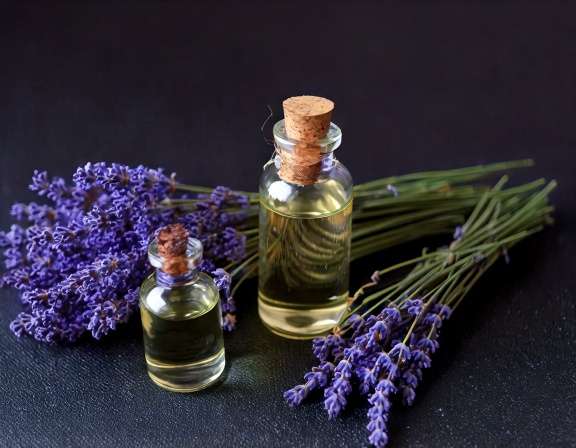
Lavender Oil for Inflammation and Relaxation
Lavender oil is like a two-in-one solution for allergy season. It reduces inflammation in the respiratory tract while also calming nervous tension. Feeling stressed about your symptoms? A drop or two of lavender oil on your pillow at night can help you relax and breathe easier as you drift off to sleep.
Eucalyptus Oil for Clearer Airways
Known for its ability to fight congestion, eucalyptus oil is often used to clear stuffy airways. It acts as a natural expectorant, helping to loosen mucus and improve airflow. Try diffusing eucalyptus oil in your home or adding it to your shower for soothing, steam-based relief.
Tea Tree Oil for Fighting Airborne Allergens
Tea tree oil is a natural antimicrobial powerhouse. Its ability to combat mold, bacteria, and other airborne irritants makes it especially helpful for those with indoor allergies. You can create an air-purifying room spray by mixing tea tree oil with water and a small amount of vinegar.
Lemon Oil for Boosting Immunity
Lemon oil isn’t just bright and refreshing, it also supports your immune system. This helps your body fend off allergens more effectively. Use lemon oil to cleanse the air by adding it to a diffuser or combine it with a carrier oil for gentle topical application on pulse points.
How to Use Essential Oils Safely and Effectively
While essential oils are powerful allies in the fight against allergies, they must be used properly to avoid irritation or side effects.
Dilution and Carrier Oils
Essential oils are highly concentrated and should never be applied directly to your skin. Diluting them with a carrier oil like coconut, almond, or jojoba oil ensures they’re safe for topical use. A good rule of thumb is 2-3 drops of essential oil per teaspoon of carrier oil.
Best Application Methods
There are several ways to use essential oils to relieve allergy symptoms:
- Diffusing: Add oils to a diffuser to fill the air with therapeutic benefits.
- Steam Inhalation: Add a few drops to steaming water, cover your head with a towel, and breathe deeply to clear congestion.
- Topical Application: Mix with a carrier oil and rub onto your chest, neck, or wrists.
Precautions and Potential Side Effects
Although natural, essential oils can cause reactions if not used correctly. Patch-test new oils on a small area of skin before full application. Avoid using oils near the eyes and never ingest them unless directed by a healthcare professional. Pregnant women, children, and pets may also need to avoid certain oils, so always research carefully.
Conclusion
Essential oils like lavender, peppermint, eucalyptus, and lemon provide natural relief from seasonal allergies by reducing inflammation, clearing congestion, and calming histamine responses. Lavender aids relaxation and headache relief, peppermint opens airways, eucalyptus acts as a decongestant, and lemon boosts the immune system and mood. They can be used in various ways without the side effects of synthetic drugs, and with some knowledge, you can create personalized allergy blends that may include other oils like tea tree or rosemary, allowing you to enjoy the seasons without allergy symptoms.
Stay Connected for More Natural Living Inspiration
If you enjoyed this post about herbal wellness and love discovering natural ways to refresh your home and wellness, don’t miss out on future recipes and clean-living tips! Subscribe to the blog for weekly DIYs, wellness inspiration, and herbal remedies delivered straight to your inbox.
Don’t forget to visit my Amazon storefront for the links to my favorite essential oils, herbal teas, and natural recipes. I also create YouTube ambiance videos for sleeping; a channel I created to help people who have trouble sleeping. The link to all social media content is here.
Thanks for coming by!


You must be logged in to post a comment.