
(DISCLAIMER: I am not a doctor, and you should consult your healthcare professional before starting any health regimen.)

Key Takeaways
- Chamomile, lavender, lemon balm, passionflower, and valerian are popular choices for evening relaxation.
- Peppermint and ginger can support comfortable digestion during stressful moments.
- Ashwagandha and holy basil, also known as tulsi, are traditionally used as adaptogenic herbs for daily stress support.
- Rooibos is naturally caffeine-free, while green tea contains L-theanine for a calm, focused feeling.
- Fresh water, quality herbs, and the right steeping time bring out the best flavor in every cup.
- Herbal teas and essential oils fit well into a thoughtful wellness routine when you follow product directions and choose herbs that suit your needs.
A stressful day can settle into your body before you even realize it. Your shoulders may feel tight, your thoughts may move quickly, and your stomach may become unsettled. A warm cup of tea gives you a small, comforting pause.
Herbal teas have been part of traditional wellness routines for generations. Today, many people enjoy calming teas when they want to create a peaceful evening, support restful sleep, or add a soothing ritual to a busy day. Every herb has its own flavor, aroma, and ideal time of day.
Let’s look at ten herbal teas for anxiety and stress relief, along with brewing tips, safety guidance, and three simple recipes.
How Herbal Tea Can Support Calm
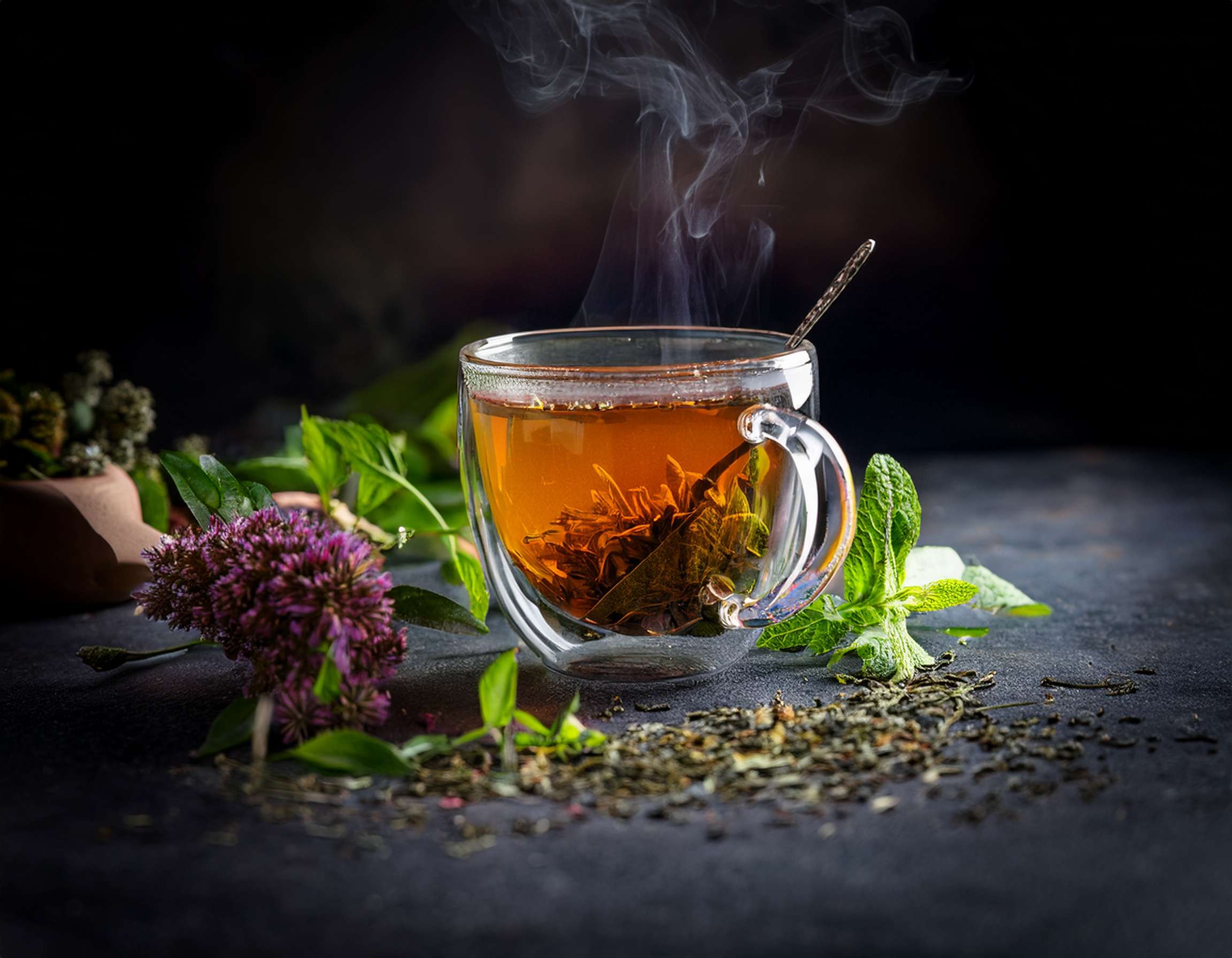
Herbal tea offers warmth, aroma, hydration, and a few quiet minutes to yourself. The herbs also contain natural plant compounds that are traditionally used to support relaxation, digestion, sleep, and the body’s response to everyday stress.
The tea ritual matters, too. Heating the water, preparing your mug, watching the herbs steep, and taking slow sips can help create a more peaceful rhythm. Herbal tea fits best alongside regular sleep, nourishing meals, movement, time outdoors, and appropriate professional care.
A calming tea may become part of your morning routine, an afternoon reset, or a gentle signal that the day is winding down.
Natural Compounds in Calming Herbs
Each herb contains a different collection of plant compounds. These compounds contribute to the herb’s scent, taste, and traditional wellness uses.
- Apigenin is found in chamomile. It is associated with relaxation and evening sleep support.
- Rosmarinic acid appears in lemon balm and several other aromatic herbs. It is being studied for its connection to mood and nervous system support.
- Valerenic acids are found in valerian root, which has a long history of use in nighttime herbal blends.
- Linalool gives lavender much of its familiar floral aroma. It is one reason lavender is popular in tea and aromatherapy.
- Menthol creates peppermint’s cool flavor and is traditionally used to support comfortable digestion.
- L-theanine is an amino acid found in green tea. It is associated with a calm, alert feeling.
These compounds have different roles. Some herbs are best suited to relaxation, some support a comfortable stomach, and others fit naturally into a bedtime routine.
Herbal Tea and the Nervous System
Stress can affect your thoughts, muscles, breathing, digestion, and sleep. A calming beverage gives your body a chance to slow down while you enjoy a familiar sensory experience.
Chamomile, lemon balm, passionflower, and lavender are common choices for relaxation. Peppermint and ginger work well when tension shows up as digestive discomfort. Ashwagandha and tulsi are often enjoyed during the day as part of a consistent stress-care routine.
Your preferred tea may change with the time of day. A bright lemon balm tea can feel refreshing in the morning, while chamomile or rooibos may feel more comfortable after dinner.
10 Herbal Teas for Anxiety and Stress Relief
1. Chamomile Tea for Gentle Evening Relaxation
Chamomile has a soft floral aroma and a light flavor with hints of apple. It is one of the most familiar herbal teas for relaxation and remains a favorite for evening routines.
Chamomile contains apigenin, a plant compound associated with a relaxed feeling and nighttime support. Many people enjoy a cup while reading, journaling, or preparing for bed.
- Flavor: Light, floral, gently sweet, and apple-like
- Best time: Evening or before bed
- Simple pairing: Chamomile and lavender create a soft floral blend
Chamomile is an easy herb to try when you’re new to herbal tea. Add honey, lemon, cinnamon, or a small splash of milk for a comforting variation.
2. Lavender Tea for Aromatic Calm
Lavender is loved for its soothing fragrance, and the flowers also make a delicate herbal tea. Its aroma begins to fill the room as soon as you pour in the hot water.
Lavender tea has a floral flavor with mild sweetness and a gentle earthy finish. It fits well after a busy day, during a quiet afternoon, or as part of an evening wind-down.
- Flavor: Floral, lightly sweet, and gently earthy
- Best time: Late afternoon or evening
- Simple pairing: Lavender blends nicely with chamomile, lemon balm, and rose
Use culinary lavender that is labeled for tea or food use. Lavender has a strong flavor, so a small amount is often enough for one cup.
3. Lemon Balm Tea for a Bright, Relaxed Mood
Lemon balm has a fresh lemon-mint flavor that makes it especially pleasant during the day. The leaves are traditionally used to support calm nerves, a balanced mood, and a settled mind.
This bright herbal tea can feel refreshing without the stronger evening character of valerian or passionflower. It also pairs well with peppermint, green tea, fresh lemon, and ginger.
- Flavor: Lightly lemony, fresh, and gently minty
- Best time: Morning, afternoon, or early evening
- Simple pairing: Lemon balm and peppermint create a cool, refreshing blend
Lemon balm grows easily in many home gardens. Fresh leaves create a light cup, while dried leaves usually produce a fuller herbal flavor.
4. Passionflower Tea for Evening Support
Passionflower is traditionally used in calming herbal blends for nervous tension and an active mind. Its flavor is grassy, earthy, and lightly floral.
Many people enjoy passionflower in the evening because it fits naturally into a peaceful bedtime routine. It blends well with chamomile, lemon balm, lavender, and honey.
- Flavor: Grassy, earthy, and lightly floral
- Best time: Evening
- Simple pairing: Passionflower and chamomile make a gentle nighttime blend
Begin with the serving amount listed on the product label and give yourself time to notice how the tea fits into your evening. A modest cup can be a comfortable way to become familiar with this herb.
5. Peppermint Tea for a Cool, Comfortable Cup
Peppermint tea brings a crisp, cooling flavor to your mug. Its menthol-rich leaves are traditionally used to support comfortable digestion, especially after meals or during tense moments.
Peppermint is refreshing during an afternoon break and makes a bright choice when you want an herbal tea with plenty of flavor.
- Flavor: Cool, brisk, minty, and refreshing
- Best time: Morning, afternoon, or after meals
- Simple pairing: Peppermint and ginger create a warming digestive blend
The aroma of peppermint adds to the experience. Let the steam rise toward you, take a slow breath, and enjoy each sip.
6. Valerian Root Tea for a Restful Nighttime Routine
Valerian root is a traditional herb for evening relaxation and sleep support. It has a stronger earthy, musky, woody flavor, so it is often blended with softer herbs and warming spices.
A cup of valerian tea can fit into a consistent bedtime routine. Many people enjoy it with chamomile, lemon balm, peppermint, cinnamon, or a small amount of honey.
- Flavor: Earthy, musky, and woody
- Best time: Evening or before bed
- Simple pairing: Valerian, chamomile, and lemon balm create a balanced blend
Follow the serving information provided with your valerian product. This tea is best enjoyed when you have time to settle in for the evening.
7. Ashwagandha Tea for Daily Stress Support
Ashwagandha has a long history in Ayurvedic wellness practices. It is commonly described as an adaptogenic herb, meaning it is traditionally used to help the body respond to everyday stress.
The root has a bold, earthy, slightly bitter flavor with a mild nutty quality. Cinnamon, ginger, cardamom, and milk can create a smoother and more enjoyable cup.
- Flavor: Earthy, mildly bitter, and slightly nutty
- Best time: Morning, afternoon, or evening, depending on your routine
- Simple pairing: Ashwagandha, cinnamon, and ginger create a warm spiced tea
Ashwagandha is often included in a regular wellness routine. Use the serving information on the package and select a product with clear ingredient details.
8. Holy Basil Tea, Also Called Tulsi
Holy basil, or tulsi, is a treasured herb in Ayurvedic traditions. It has a warm, spicy flavor with clove-like notes and a fresh herbal finish.
Tulsi makes a pleasant daytime tea when you want something calming and bright. Many people enjoy it in the morning or afternoon as part of a daily stress-care ritual.
- Flavor: Warm, spicy, earthy, and lightly clove-like
- Best time: Morning or afternoon
- Simple pairing: Tulsi pairs well with lemon balm, ginger, cinnamon, and rose
You can find tulsi as a single-herb tea or in blends created for daily wellness. Look for a product with a clear ingredient list and serving directions.
9. Rooibos Tea for Caffeine-Free Comfort
Rooibos comes from South Africa and has a naturally sweet, smooth flavor. It is naturally caffeine-free, making it a comfortable choice for an evening beverage.
Rooibos has a rich color and a gentle nutty taste. It pairs beautifully with vanilla, cinnamon, orange, cardamom, and a splash of milk.
- Flavor: Smooth, naturally sweet, and lightly nutty
- Best time: Any time of day, including after dinner
- Simple pairing: Rooibos, cinnamon, and orange make a cozy evening blend
Rooibos is an easy tea to share with family and guests. Choose a simple product with familiar ingredients and prepare it according to the package directions.
10. Green Tea with L-Theanine for Calm Focus
Green tea comes from the Camellia sinensis plant, so it is technically a tea rather than an herbal infusion. It still belongs in this list because it contains L-theanine, an amino acid associated with calm focus.
Green tea also contains caffeine, which makes it a natural choice for the morning or early afternoon. A lower-caffeine variety can provide a lighter cup.
- Flavor: Fresh, grassy, lightly sweet, and mildly astringent
- Best time: Morning or early afternoon
- Simple pairing: Green tea tastes lovely with lemon, mint, ginger, or jasmine
Green tea can support a focused tea ritual when you want steady attention and a fresh flavor without an evening-style herbal blend.
How to Brew Herbal Tea for the Best Flavor
Good brewing brings out the aroma, taste, and natural plant compounds in your herbs. A few simple details can make each cup more enjoyable.
Start with Quality Herbs
Choose herbal tea from a trusted source with a clear ingredient list, serving information, and preparation directions. Loose herbs often provide a full, fresh flavor, while tea bags offer an easy option for busy mornings.
Single-herb teas are helpful when you’re learning which flavors and herbs fit your routine. Once you know your favorites, try combining two or three herbs in one blend.
Use Fresh Water
Use about 1 to 2 teaspoons of dried herbs for every 8 ounces of water. A standard tea bag usually provides the right amount for one serving.
Fresh water helps the tea taste clean and bright. Most herbal teas steep well with water at or just below a boil. Green tea has a softer flavor when brewed with water that has cooled slightly after boiling.
Cover the Cup While It Steeps
Place a lid, saucer, or small plate over your cup while the herbs steep. Covering the tea helps hold in the delicate aromatic oils.
Use these general steeping times as a starting point:
- Chamomile and lemon balm usually need 5 to 7 minutes.
- Lavender and peppermint often need 5 to 7 minutes.
- Passionflower and valerian may need 8 to 10 minutes.
- Ashwagandha and tulsi can steep for 8 to 10 minutes, depending on the blend.
- Green tea usually tastes best after 2 to 3 minutes.
Taste your tea as it steeps and adjust the time to match your preferred strength.
Simple Herbal Tea Safety Tips
Herbal tea can be a comforting part of a wellness routine when you use clear labels, moderate servings, and good-quality ingredients.
- Read the ingredient list and serving directions before preparing a new tea.
- Start with one new herb at a time so you can learn how it fits into your routine.
- Keep a simple note of the herbs you enjoy and the time of day you drink them.
- Choose naturally caffeine-free teas in the evening when restful sleep is part of your goal.
- Select products with clear botanical names and preparation information.
- Ask a qualified healthcare professional which herbs fit your personal needs, especially during pregnancy, breastfeeding, or while managing a health condition.
- Share your herbal tea routine with your healthcare professional when you take prescription or over-the-counter medication.
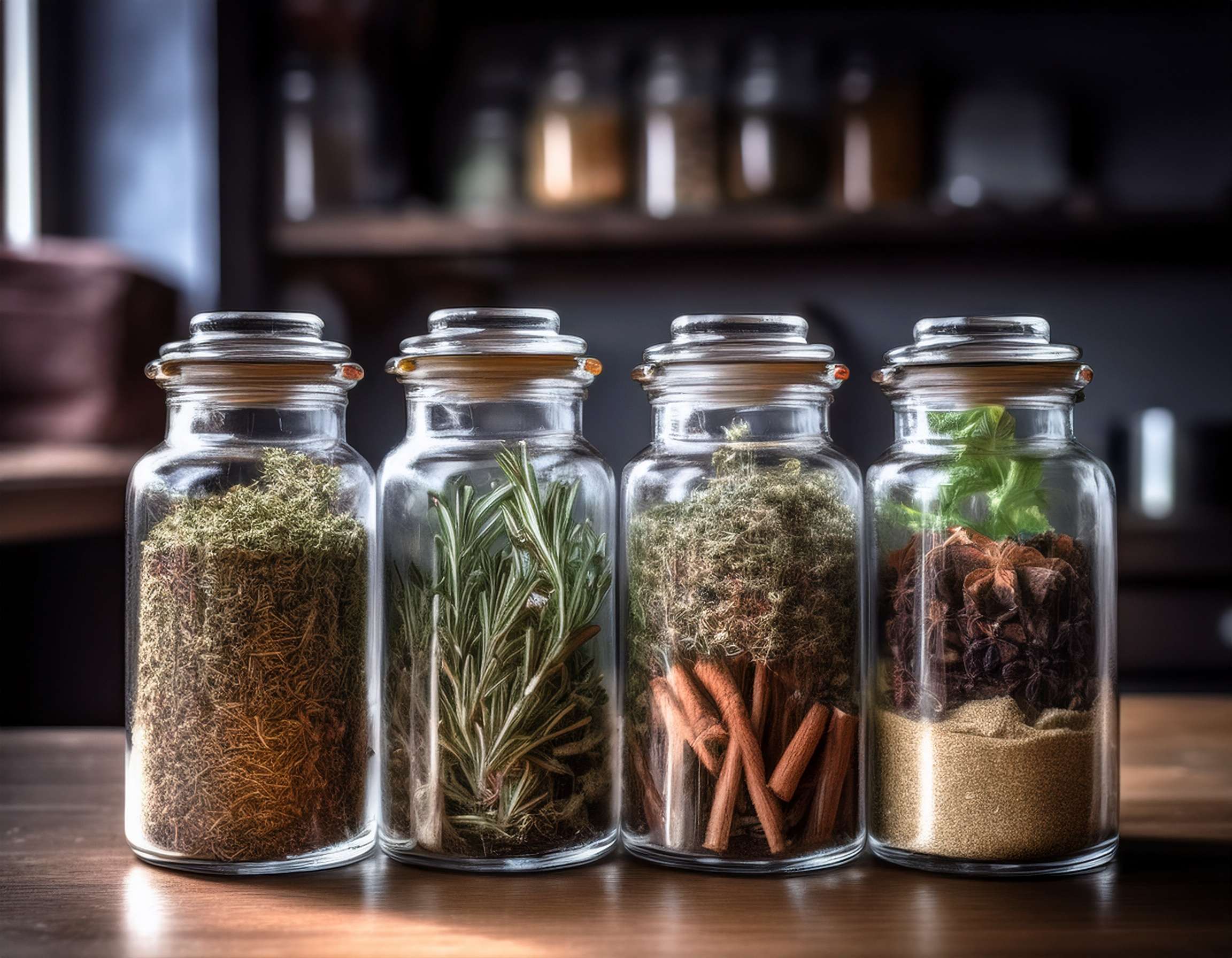
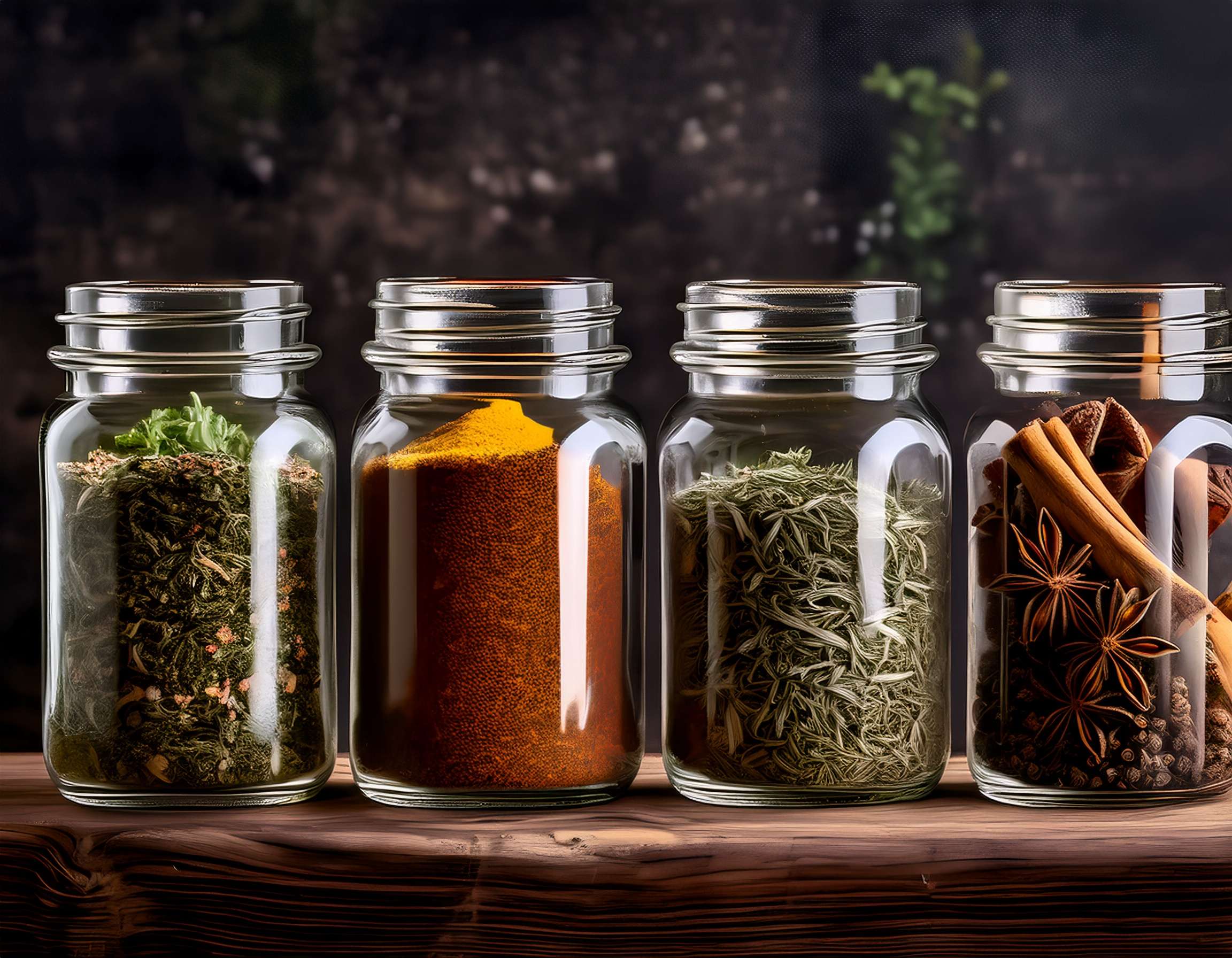
- Store dried herbs in sealed containers in a cool, dry place away from direct sunlight.
- Keep herbal products stored safely away from children and pets.
Essential oils can complement a calming tea ritual when used in their intended form. Choose oils labeled for aromatherapy, follow the manufacturer’s dilution instructions, and use a diffuser according to its directions. For topical use, dilute essential oils in a suitable carrier oil and apply them as directed on the product label.
Use ventilation during diffusion and keep oils away from the eyes, mucous membranes, children, and pets. Herbal tea is best prepared with culinary herbs, tea leaves, or products labeled for beverage use.
Three Easy Herbal Tea Recipes for Stress Relief
1. Chamomile Lavender Evening Tea
This gentle floral blend is a lovely choice for a quiet evening, a relaxing bath routine, or a few peaceful minutes before bed.
Ingredients
- 1 teaspoon dried chamomile flowers
- 1/2 teaspoon culinary lavender flowers
- 8 ounces hot water
- 1 teaspoon honey, optional
- 1 thin lemon slice, optional
Instructions
Place the chamomile and lavender in a tea infuser or small teapot. Pour the hot water over the herbs, cover the cup, and let the tea steep for 5 to 7 minutes. Strain the tea into a mug, then add honey or lemon if desired. Sip slowly while you prepare for the evening.
2. Lemon Balm Peppermint Tea
Lemon balm adds a soft citrus flavor, while peppermint creates a cool and refreshing finish. This blend works well during an afternoon break or after lunch.
Ingredients
- 1 teaspoon dried lemon balm
- 1 teaspoon dried peppermint leaves
- 8 ounces hot water
- 1 teaspoon honey, optional
- 2 fresh mint leaves, optional
Instructions
Add the lemon balm and peppermint to a tea infuser. Pour in the hot water, cover, and steep for 5 to 7 minutes. Strain the tea and add honey or fresh mint if desired. Enjoy it warm, or let it cool and pour it over ice.
3. Warming Tulsi Ginger Rooibos Tea
This caffeine-free blend combines naturally sweet rooibos with spicy ginger, tulsi, and cinnamon. It is comforting in the morning, afternoon, or evening.
Ingredients
- 1 teaspoon rooibos tea
- 1 teaspoon dried holy basil, also called tulsi
- 3 thin slices of fresh ginger
- 8 ounces hot water
- 1 cinnamon stick
- 1 teaspoon honey, optional
Instructions
Add the rooibos, tulsi, ginger, and cinnamon stick to a small teapot or tea infuser. Pour the hot water over the ingredients, cover, and steep for 8 to 10 minutes. Strain the tea into a mug and sweeten it with honey if desired.
Easy Ways to Enjoy Calming Tea Every Day
A tea ritual works best when it fits naturally into your schedule. Try lemon balm or green tea in the morning, peppermint after lunch, and chamomile or rooibos after dinner.
Create a small tea station with your favorite mug, tea infuser, honey, lemon, and a few dried herbs. Keeping these items together makes it easy to prepare a comforting drink when your day feels full.
You can also pair your tea with a few minutes of gentle stretching, quiet music, journaling, or deep breathing. These simple habits give your attention a peaceful place to settle.
For an aromatherapy addition, diffuse lavender or sweet orange essential oil while you enjoy your tea. Follow the diffuser instructions, use the amount recommended on the label, and keep the space comfortably ventilated. A simple routine is easier to enjoy when it feels natural and easy to repeat.
Frequently Asked Questions
What is the best herbal tea for anxiety?
Chamomile is a popular first choice because it has a mild flavor and fits easily into an evening routine. Lemon balm, lavender, passionflower, and tulsi are also common options. Your best tea depends on the flavor you enjoy, the time of day, and the type of support you want from your routine.
Which calming tea is best before bed?
Chamomile, valerian, passionflower, and rooibos are popular bedtime teas. Valerian and passionflower have a more pronounced relaxing character, while chamomile and rooibos offer lighter flavors.
Can I drink herbal tea every day?
Many people enjoy herbal tea as part of a daily routine. Follow the serving information on the package and choose products with clear ingredient details. A healthcare professional can help you select herbs that fit your personal needs and long-term wellness routine.
Does herbal tea work right away?
The warmth, aroma, and slow pace of drinking tea can create a soothing moment right away. Each herb feels different from person to person, and regular routines often make it easier to notice which teas you enjoy most. Herbal tea pairs well with sleep, hydration, movement, and other calming habits.
Which herbal teas are caffeine-free?
Chamomile, lavender, lemon balm, peppermint, passionflower, valerian, ashwagandha, holy basil, and rooibos are naturally caffeine-free. Green tea contains caffeine, and the amount varies according to the variety and brewing method.
Can I combine calming herbs?
Many herbal blends combine two or three complementary herbs. Chamomile and lavender, lemon balm and peppermint, and rooibos with tulsi are simple combinations to try. Use modest amounts at first so you can enjoy the flavor of each herb and learn how the blend fits your routine.
Can I add essential oils to herbal tea?
Essential oils are highly concentrated products designed for specific uses. Enjoy them in a diffuser according to the product directions, or dilute them in a suitable carrier oil for topical use. Prepare beverages with culinary herbs, tea leaves, or products labeled for drinking.
How should I store herbal tea?
Store dried herbs and tea bags in sealed containers inside a cool, dry cabinet. Keep them away from moisture, heat, and direct sunlight. Label homemade blends with the ingredients and the date you prepared them.
Create Your Own Calming Tea Ritual
Herbal teas for anxiety can add a simple moment of comfort to your day. Chamomile softens an evening, peppermint refreshes an afternoon, and tulsi or ashwagandha can become part of a steady daytime routine.
Start with one tea that appeals to you. Brew it with fresh water, give it enough time to steep, and enjoy a few unhurried minutes with your mug. With thoughtful herbal use and safe aromatherapy habits, a calming tea ritual can become an affordable and comforting part of everyday wellness.
Stay Connected for More Natural Living Inspiration
If you enjoyed this post about herbal wellness and love discovering natural ways to refresh your home and wellness, don’t miss out on future recipes and clean-living tips! Subscribe to the blog for weekly DIYs, wellness inspiration, and herbal remedies delivered straight to your inbox.
Don’t forget to visit my Amazon storefront for the links to my favorite essential oils, herbal teas, and natural recipes. I also create YouTube ambiance videos for sleeping; a channel I created to help people who have trouble sleeping. The link to all social media content is here.
Thanks for coming by!

Leave a Reply