
(DISCLAIMER: I am not a doctor, and you should consult your healthcare professional before starting any health regimen. Product links are commissioned and supports the blog)

Geranium essential oil gets tucked into aromatherapy shelves, but it can do more than scent a room. When it’s diluted well, it can fit into skin care, body freshness, scalp blends, foot soaks, and a few easy home recipes.
If you like practical wellness tools, this oil is one of the easier ones to work into daily routines. The focus here is on simple, evidence-informed ways to use it at home, plus the safety basics that keep every blend useful instead of irritating.
Key takeaways for using geranium essential oil safely and well
- Geranium oil fits well into skin care, body freshness, outdoor sprays, scalp blends, and soothing massage oils.
- It must be diluted before skin contact. A carrier oil, salt, or a proper DIY base should do the heavy lifting.
- Use it externally only. Never swallow essential oils.
- Patch test first, especially if your skin runs sensitive or you plan to use it often.
A gentle blend is the goal. Stronger doesn’t mean safer, and it often means more irritation.
What makes geranium essential oil useful in everyday routines
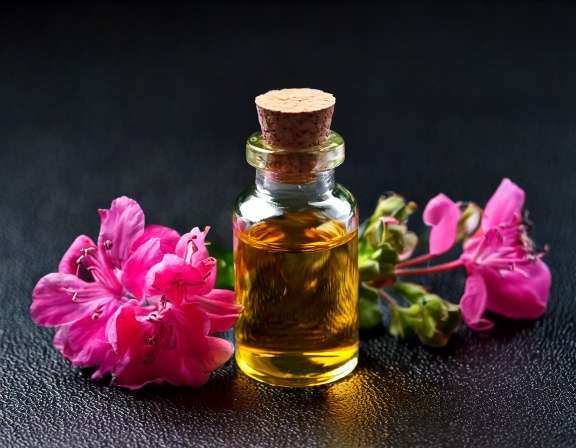
Geranium essential oil usually comes from Pelargonium graveolens or P. x asperum. Its scent is floral, fresh, and slightly green, which makes it easier to wear than many sweeter florals. It feels polished without turning powdery, so it fits nicely into body oils, creams, and DIY sprays.
People also reach for it because it has a long reputation for balancing, soothing, and freshening. In everyday use, that means it shows up in products meant for oily-feeling skin, tired muscles, body odor support, and lighter scalp routines. It also slips neatly into scalp oils and pre-shampoo blends when you want hair care to smell clean rather than heavy.
Good quality matters here. A pure bottle with the plant name on the label, plus clear sourcing, gives you a better starting point for recipes and safer dilution. Look for bottles that list Pelargonium graveolens or P. x asperum, and when possible, a certificate of analysis or GC-MS report.
The gentle floral profile people love
The scent sits somewhere between rose petals and crushed leaves. It is bright at first, then softens into something calm and clean.
That profile is why geranium appears in lotions, balms, and body mists so often. It adds scent without crowding out the rest of a blend. In a roller bottle, it can smooth sharper oils. In a cream, it can make a basic formula feel more thoughtful and wearable.
Why quality and dilution matter
Essential oils are concentrated, so more is not better. For skin use, keep the blend low and let the carrier oil do most of the work. A face blend usually stays around 0.5% to 1%, while body care can sit a little higher.
If you want a simple refresher on topical safety, essential oil skincare dilution guide covers the basics well. Store bottles away from heat and sunlight, use glass containers when you can, and keep your labels clear so you know what’s in each blend.
Geranium essential oil uses for skin, body care, and freshening up
This is where geranium earns its shelf space. It blends into daily care easily, and it does not need a complicated routine to be useful. A few drops can support the look of oily skin, soften a body spray, freshen a massage oil, or round out an outdoor blend.
A simple helper for oily or breakout-prone skin
Geranium oil is often used in diluted face oils, creams, and spot blends for skin that feels shiny or uneven. It is a support oil, not a fix-all, but that makes it easy to use with a steady hand.
For a small amount of oilier skin, jojoba is a smart match. It feels light, and it pairs well with the floral note. If you try a facial blend, keep it away from the eyes and patch test first. The same low-strength idea can also suit scalp care when roots feel oily.
Natural deodorant and body spray ideas
Geranium’s clean floral scent makes it useful in homemade deodorant-style blends and body sprays. It can soften sharper ingredients and leave a more polished smell on skin or clothing.
For summer evenings, it is often paired with citronella in outdoor sprays, where the floral note softens the sharper edges. It does not replace proper bug protection, but it can make a porch blend or bathroom spray feel less harsh. The trick is to keep the recipe light, because heavy oil use can stain fabric or irritate skin.
Massage blends for tired muscles and everyday tension
A diluted geranium massage oil fits nicely after a long workday or a workout. It works well on shoulders, calves, and the lower back when mixed into sweet almond oil or fractionated coconut oil.
The goal is comfort, not intensity. A few minutes of gentle massage can feel more useful than a stronger blend you cannot keep on your skin. If you like a softer evening routine, geranium also pairs well with lavender or frankincense in low doses.
Why some people use it for the look of scars and skin marks
Geranium oil has a steady place in skin care because people like what it can do in a calm routine. It is often added to blends meant to support the look of old marks, uneven tone, or skin that feels a little dull.
That does not mean it erases scars. It does mean it can be part of a routine built around moisture, consistency, and gentle care. A small amount in a face oil or balm can make the whole blend feel more skin-friendly.
Simple geranium essential oil recipes you can make at home
These recipes keep the ingredients short and the ratios easy. If you want more help with blending basics, how to mix essential oils safely is a useful place to start.
Freshening body spray for daily use
- Add 2 tablespoons distilled water, 2 tablespoons witch hazel, and 8 drops geranium essential oil to a 2-ounce spray bottle.
- Shake well before every use, then mist lightly on arms, legs, or around the bathroom.
- Safety note: skip broken skin and avoid the face. Make small batches and use them within a week.
Diluted skin oil for oilier areas or blemish-prone spots
- Fill a 10 mL roller bottle with jojoba oil, then add 2 drops geranium essential oil for a gentle blend.
- Roll onto clean skin in a thin layer, or dab a tiny amount on areas that need extra care.
- Safety note: patch test first and stop if your skin feels warm or stingy.
Soothing foot soak with a floral finish
- Mix 1/2 cup Epsom salt with 1 teaspoon jojoba oil and 4 drops geranium essential oil, then stir it into a basin of warm water.
- Soak your feet for 15 to 20 minutes after a long day.
- Safety note: do not use on broken skin, and rinse if the soak feels too strong.
How to choose the right carrier oils, tools, and strength
Jojoba, sweet almond, and fractionated coconut oil all work well, but each one brings a slightly different feel. Jojoba is light and face-friendly. Sweet almond gives massage blends a smoother glide. Fractionated coconut oil is handy for roller bottles because it stays liquid and does not feel greasy.
Use amber or cobalt glass if you want your DIY blends to keep better. Glass bottles also make labels easier to read, which helps when you return to a recipe later. A clean funnel and a sticky label can save you a lot of mess.
The simplest rule is to match the carrier to the job. Light oils suit face and scalp use, while richer oils feel better on legs, shoulders, and feet.
Best carrier oils for different uses
| Carrier oil | Best for | Why it fits geranium |
|---|---|---|
| Jojoba | Face blends, scalp oils | Light feel, easy to wear |
| Sweet almond | Massage oils, body blends | Smooth glide and soft skin finish |
| Fractionated coconut oil | Roll-ons, travel bottles | Lightweight and stays liquid |
Easy dilution rules beginners can follow
For the face, start with about 0.5% to 1%, which keeps the scent gentle and lowers the chance of irritation. For body care, 1% to 2% is usually enough. If your skin is sensitive, stay on the lower end.
That same low approach matters for pre-shampoo or scalp blends too. A little goes a long way, and irritation is a sign to back off. If a recipe starts to smell overpowering, it is probably too strong for regular use.
Who should be careful with geranium essential oil
Sensitive skin can react to any essential oil, even one with a soft floral scent. Pregnant or nursing readers should use extra caution and check with a healthcare professional before trying new blends.
Children and babies need special care, and essential oils should stay out of reach. Keep them away from eyes, mouths, and mucous membranes, and never offer them in food or drinks. Birds are especially sensitive, so keep oils away from them. If you have pets, especially cats, use caution around topical products and stored bottles.
Signs a blend may be too strong
Redness, stinging, itching, or a warm burning feeling are the most common clues. If that happens, wash the area with mild soap and water, then stop using the blend.
When to skip home use and ask for advice
Ask for professional guidance if you have eczema, rosacea, very reactive skin, or any condition that already needs treatment. The same is true if you want to use essential oils around babies, pets, or during pregnancy.
Conclusion
Geranium essential oil gets boxed into aromatherapy, but it has a useful place in daily care when you keep it gentle. A diluted body spray, a low-strength skin oil, or a simple foot soak can do more for your routine than a bottle used carelessly.
The safest path is also the easiest one, good dilution, clean ingredients, and a patch test before you settle on a recipe. If you want to start small, try the body spray, the roller blend, or the foot soak, and let the rest wait for another day. A little geranium goes a long way when you use it well.
Stay Connected for More Natural Living Inspiration
If you enjoyed this post about herbal wellness and love discovering natural ways to refresh your home and wellness, don’t miss out on future recipes and clean-living tips! Subscribe to the blog for weekly DIYs, wellness inspiration, and herbal remedies delivered straight to your inbox.
Don’t forget to visit my Amazon storefront for the links to my favorite essential oils, herbal teas, and natural recipes. I also create YouTube ambiance videos for sleeping; a channel I created to help people who have trouble sleeping. The link to all social media content is here.
Thanks for coming by!

Leave a Reply