
(DISCLAIMER: I am not a doctor, and you should consult your healthcare professional before starting any health regimen. Product links are commissioned and supports the blog)

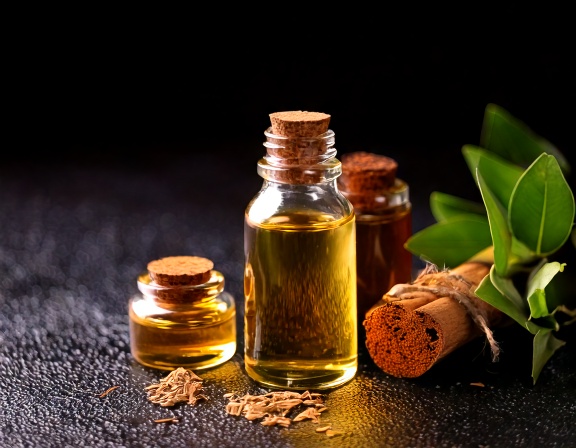
Cajeput opens with a bright, camphor-like scent, crisp enough to bring to mind crushed leaves after rain. Its fresh character can make a wellness routine feel more awake and intentional, yet cajeput essential oil is concentrated and deserves a careful first approach.
This guide focuses on simple topical blends, light aromatic practices, proper dilution, and thoughtful product choices. With a few steady habits, essential oils can become enjoyable tools for everyday self-care.
Key Takeaways for Using Cajeput Essential Oil With Care
- Dilute cajeput oil in a carrier oil before applying it to adult skin.
- Start with a low dilution, usually around 1% for a first blend.
- Choose a skin-friendly option such as jojoba, fractionated coconut, or sweet almond oil.
- Patch test every new blend on a small area of intact skin.
- Keep cajeput away from the eyes, face, mucous membranes, and sensitive areas.
- Watch for possible side effects, including warmth, itching, redness, or discomfort.
- Reserve this concentrated oil for external or carefully considered aromatic use, not food or drinks.
- Store the bottle securely away from young children and pets.
Pregnancy, breastfeeding, asthma, breathing problems, epilepsy, serious liver concerns, and ongoing medication routines call for personalized guidance. Anyone monitoring blood sugar or taking related medication should consult a medical professional before use. These simple habits make aromatic use feel approachable while keeping your routine calm and well considered.
Cajeput Essential Oil Safety Guide for Beginners: What to Know First
Cajeput essential oil usually comes from the leaves and twigs of Melaleuca cajuputi. Steam distillation captures its sharp, eucalyptus-like aroma in a small bottle of concentrated plant oil. Also spelled cajuput oil, it has a clean, herbal scent that many people enjoy in personal blends.
One naturally occurring component is 1,8-cineole, found in eucalyptus oil and tea tree oil. Its sharp aroma may resemble eucalyptus oil, but the presence of 1,8-cineole doesn’t establish safety or effectiveness.
Marketing may associate cajeput oil with antiseptic properties, anti-inflammatory effects, or antibacterial activity. Claims may also mention support for skin infections, a fungal infection, respiratory ailments, common cold symptoms, or joint pain. These health benefits aren’t established treatment advice because scientific evidence and human safety data remain limited.
AromaWeb advises dilution before topical use, while ANSES recommends cool, dark storage for Melaleuca oils. WebMD also advises special care with exposure. Check the label carefully, since some products use cajuput oil while others use cajeput oil. Keep your use external, reserve it for personal aromatherapy, label every blend, and close the cap as soon as you finish.
How to Dilute Cajeput Oil for Skin Use
A 1% to 2% dilution is a comfortable place for an adult beginner to start. Broader guidance may range from 1% to 5%, depending on the person, product, and intended use. However, a lower amount gives you room to learn how your skin responds.
For 1 tablespoon of carrier oil, use 1 drop of cajeput for a gentle blend. Use 2 to 3 drops when you’re ready for a fuller beginner blend. Jojoba oil, fractionated coconut oil, and sweet almond oil are popular choices, although the best option is one your skin already tolerates well.
Apply a small amount of the prepared blend to intact skin on the inner forearm. Wait and observe the area before broader use. If warmth, itching, redness, or discomfort appears, wash the area with jojoba oil and set the blend aside.
For more practical help, see this beginner essential oil blending guide and these essential oil skincare safety tips.
Who Should Use Extra Care With Cajeput Essential Oil?
Young children need especially thoughtful boundaries around strongly aromatic oils. Keep cajeput away from children under 6, particularly around the face, nose, and chest. Casual diffusion around little ones can create more exposure than intended.
Pregnant and breastfeeding people benefit from individualized guidance because reliable safety information for these stages is limited. People monitoring blood sugar should seek individualized advice before use. Medication routines for blood sugar deserve extra caution, and changes in blood sugar are another reason to consult a qualified professional. Potential drug interactions aren’t well established, especially for people with complex medication routines.
The same careful approach applies to people with asthma, COPD, other breathing concerns, epilepsy, or significant liver conditions. A qualified aromatherapist or health professional can help tailor a routine to your circumstances. Keep the original bottle locked in a cabinet or stored high enough that children and pets can’t reach it.
A small, well-labeled blend gives you more control than an open bottle used repeatedly throughout the day.
Simple Ways to Use Cajeput Oil Safely at Home
An adult beginner can keep cajeput use simple and occasional. For beginners, cajeput oil is easiest to manage in small amounts. A diluted body oil, a personal scent strip, or a brief aromatherapy moment in a ventilated room is easier to manage than continuous diffusion.
Make one recipe first, then give it time before trying another. That slower pace helps you notice the scent, your skin’s response, and the amount that feels pleasant.
People who monitor blood sugar or take medication that affects it should ask a professional before experimenting with concentrated oils.
Recipe: A Gentle Cajeput and Jojoba Body Oil
Ingredients
- 1 tablespoon jojoba oil
- 1 drop cajeput essential oil
- One clean 1-ounce dark glass bottle
Add the jojoba oil and cajeput oil to the bottle. The jojoba serves as the carrier oil. Close the cap and roll the bottle gently between your palms to combine the oils. Label it with the ingredients and date, then patch test the finished blend on a small area of intact skin.
When the blend feels comfortable, smooth a small amount over adult shoulders, arms, or legs. Keep it away from the face, eyes, broken skin, and sensitive areas. A small batch stays fresher and is easier to use up, so there is no need to prepare a large bottle.
Store the blend in a cool cabinet away from sunlight. Jojoba’s light, almost neutral feel lets the fresh aroma come through without overwhelming the senses.
Recipe: A Personal Aromatherapy Inhaler for Occasional Use
Ingredients
- One empty personal inhaler stick, cotton wick, or scent strip
- 2 drops cajeput essential oil
- 1 drop lavender essential oil, optional
Place the cotton wick on a clean surface and add the oils one drop at a time. Slide the wick into the inhaler tube and close it securely. If you are using a scent strip, let the drops settle into the paper for a minute before use.
Hold the inhaler or strip a comfortable distance from your nose and take one or two gentle sniffs. The brisk scent includes compounds such as 1,8-cineole. Lavender softens its camphor-like edge, although the clean profile can stand alone.
People with asthma or other breathing problems should seek personalized professional guidance before aromatic inhalation. Store the inhaler with your oils, well away from children. For home aromatherapy, this essential oil diffuser safety guide offers useful guidance on ventilation and lighter sessions.
Recipe: A Fresh, Low-Dilution Foot Massage Blend
Ingredients
- 1 tablespoon fractionated coconut oil
- 2 drops cajeput essential oil
- One small clean bottle or bowl
Combine the fractionated coconut oil and the aromatic drops in a clean bottle or bowl. Stir or swirl until the oils are evenly mixed. Before use, patch test the blend on intact skin, especially if your feet tend to be sensitive.
Massage a small amount onto clean, dry feet after a shower or before settling in for the evening. Apply it to the soles, heels, and tops of the feet while keeping it away from cuts, irritated areas, and spaces between the toes where moisture tends to gather.
Wash your hands with soap and water after application. This simple step keeps the blend from traveling to your eyes or face later in the evening. Keep the bottle capped and stored in a cool, dark place between uses.
How to Choose and Store a Quality Cajeput Essential Oil
A clear label gives you useful information before the cap ever comes off. Look for the botanical name Melaleuca cajuputi, the plant part used, net contents, a batch or lot number, and external-use directions. Some labels may use the alternate term cajuput oil. They also can’t establish safety for people managing blood sugar or taking related medication.
Batch-specific GC/MS testing can be a helpful sign of transparency when a company makes the report available. It may identify constituents such as 1,8-cineole, but a report doesn’t prove therapeutic effectiveness. For cajeput oil, choose a seller that shares sourcing details and answers reasonable questions instead of buying only by price.
A dark glass bottle and a secure cap protect the oil from light and air. Store cajeput oil in a cool drawer or cabinet, away from a sunny windowsill, bathroom steam, and heat sources. Aroma, color, and freshness can vary naturally between batches.
Once you’ve chosen an oil, how to patch test essential oils can help you build a reliable routine before using a new topical blend.
Frequently Asked Questions
Can beginners use cajeput oil on their skin?
Adults can begin with a low dilution in a carrier oil, followed by a patch test on intact skin. Cajuput oil is another name you may see on product labels. Start with one drop per tablespoon of carrier oil for a gentle first blend.
Watch for redness, itching, burning, or other side effects. Stop using it if symptoms appear, and seek medical help if they persist. If you monitor blood sugar or take related medication, ask a medical professional before use.
Can it be added to tea or water?
Keep cajeput oil for external or carefully considered aromatic use. Don’t use it to manage blood sugar, and ask a medical professional about any exposure or related concerns. A warm cup of herbal tea can still pair beautifully with an aromatherapy routine, and a beginner’s guide to tisanes offers ideas for enjoying herbal infusions.
Can cajeput be diffused around the family?
Diffusion affects everyone sharing the room, so it calls for extra thought. Keep cajeput oil away from young children, pets, pregnant or breastfeeding people, and anyone with asthma or breathing concerns. Personalized guidance can help you choose an aromatic practice that fits your household.
How long does a homemade blend stay fresh?
Small batches are the easiest choice because freshness depends on the carrier oil, bottle, storage conditions, and cleanliness. Label each blend with its ingredients and date. Before every use, check that cajeput oil still has a fresh, familiar aroma and appearance.
What should I do if cajeput oil gets in my eyes or is swallowed?
For eye contact, rinse gently with clean, lukewarm water. If discomfort continues, contact a poison center or medical professional for guidance. If someone swallows it, contact Poison Control or local emergency services promptly and keep the product label nearby.
A Calm Start With Cajeput
Cajeput’s crisp, refreshing aroma can become a welcome part of an adult self-care routine when you choose a clearly labeled oil, dilute it carefully, and use a small amount. Thoughtful storage and a simple patch test add confidence to every blend.
Begin with one recipe, such as the gentle jojoba body oil, rather than trying several methods at once. Careful preparation leaves room to enjoy cajeput’s bright character while honoring your own needs and those of everyone in your home.
If you monitor blood sugar or use related medication, seek personalized guidance before making cajeput oil part of your routine.
Stay Connected for More Natural Living Inspiration
If you enjoyed this post about herbal wellness and love discovering natural ways to refresh your home and wellness, don’t miss out on future recipes and clean-living tips! Subscribe to the blog for weekly DIYs, wellness inspiration, and herbal remedies delivered straight to your inbox.
Don’t forget to visit my Amazon storefront for the links to my favorite essential oils, herbal teas, and natural recipes. I also create YouTube ambiance videos for sleeping; a channel I created to help people who have trouble sleeping. The link to all social media content is here.
Thanks for coming by!


Leave a Reply