

(DISCLAIMER: I am not a doctor, and you should consult your healthcare professional before starting any health regimen. Product links are commissioned and supports the blog)

Quick takeaways for using essential oils during allergy season
If you want the short version, keep these points in mind:
- Use fewer drops than you think you need. A light scent is usually easier to tolerate.
- Run the diffuser in short sessions, about 15 to 30 minutes, then pause and let the room clear.
- Open a window or keep air moving. Fresh air helps keep the scent from feeling heavy.
- Stop if you get a headache, throat tickle, coughing, watery eyes, or nausea.
- Be extra careful with babies, pets, and anyone with asthma. A small test run is a smart first step.
Less is usually better. A soft scent that fades can feel nicer than a strong cloud that hangs around.
Seasonal allergies can make a home feel heavy, stale, and tiring. When your nose is blocked and your eyes feel scratchy, even a quiet evening can feel hard to enjoy. Essential oils may bring comfort for some people when they’re used with care, but they are not a cure.
This post looks at seven popular oils and simple, safe ways to diffuse them at home. If you’re pregnant, nursing, have asthma, or plan to use oils around children, check with a healthcare professional first.
A few oils smell soft and restful. Others feel bright and sharp. The goal is to keep the scent light, notice how your body responds, and stop if the air feels too strong. If you want a broader starter guide, this guide to seasonal allergy support with oils pairs well with the ideas here.
The seven essential oils people turn to for seasonal allergy support
People reach for these oils for different reasons. Some want a cool, open feeling. Others want a softer, calmer room after a long day outdoors. What they share is a simple goal, a little more comfort when allergy season makes everything feel off.
Use them with a light hand. That matters more than chasing a strong scent.
Lavender for calming irritation and easing the body into rest
Lavender essential oil is often the first oil people try because it smells gentle and familiar. Its soothing aroma is not only pleasant but is also known for its calming properties that can help ease anxiety and promote relaxation. When allergies leave you feeling itchy, tense, or worn down, that soft floral scent can make the room feel less harsh and create a serene environment. Many individuals find that diffusing lavender oil helps to alleviate their discomfort and brings a sense of peace during stressful times, making it a staple in wellness routines. Furthermore, its versatility extends beyond just scent; lavender can be used in various applications, such as in bath products or massages, enhancing its ability to provide comfort and relief.
It also works well in evening blends. Lavender pairs nicely with citrus or mint oils when you want the scent to stay balanced instead of flat. Many people like it before bed, especially after a long day of sneezing and rubbing tired eyes.
Peppermint for a cool, open feeling when congestion hits
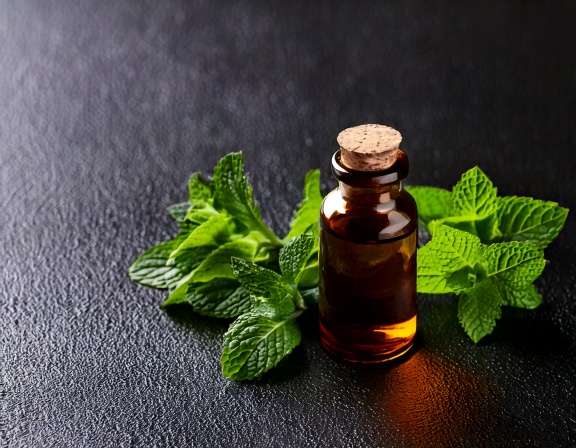
Peppermint essential oil has a fresh, minty scent that feels crisp right away, often evoking a sense of renewed energy and clarity. When your nose feels blocked, that cooling smell can make breathing feel easier, even if only for a short while, allowing you to regain focus and feel more at ease in moments of discomfort. Beyond its immediate refreshing properties, peppermint essential oil is also known for its potential therapeutic benefits, such as soothing headaches and enhancing mental clarity. This versatile oil can be used in aromatherapy, added to massage oils, or diffused in the air, creating a revitalizing atmosphere that uplifts the spirit and promotes a sense of well-being.
Because peppermint is strong, start small. Too much can feel sharp fast, especially in a small room. It’s often blended with lemon or eucalyptus for a cleaner, brighter mix that feels more open without taking over the whole space.
Eucalyptus for stuffy noses and heavy breathing days
Eucalyptus essential oil is a classic choice for congestion, widely celebrated for its powerful therapeutic properties. Its sharp, clean scent feels especially welcome on days when your head feels full and your breathing feels heavy, providing a refreshing lift that can open up the airways. This oil is known to possess anti-inflammatory and antiseptic qualities, making it not only effective for relieving symptoms of colds and allergies but also for boosting overall respiratory health. Used in a diffuser or added to hot steam inhalation, eucalyptus oil can transform a stuffy room into a sanctuary of clarity and ease. Whether you are battling seasonal discomfort or simply seeking an invigorating aroma, eucalyptus essential oil remains a go-to remedy in holistic wellness practices.
Many people use it in morning blends or after coming in from outdoors. A short session can help a room feel fresher after pollen, dust, or a long walk home. For a closer look, safe eucalyptus diffusion for allergies covers why this oil shows up so often in congestion blends. Keep the amount low, and avoid overexposure in small rooms.
Lemon for a fresh, clean scent that lifts the room
Lemon essential oil brings a bright scent that not only makes a space feel cleaner and lighter but also invigorates the mind and uplifts the spirit. Its refreshing aroma can transform an otherwise dull and oppressive atmosphere into a rejuvenating environment, especially during allergy season, when the air may feel heavy and closed-up rooms may seem stale. The zesty fragrance of lemon has been known to promote feelings of positivity and energy, offering a natural way to enhance overall well-being while helping to neutralize unpleasant odors and purify the air within your home.
It’s a common daytime choice because it feels cheerful without being heavy. Lemon also blends well with softer oils, so it can add lift without overpowering the mix. Use it with care, since citrus oils can smell sharp if you add too much at once.
Tea tree for a crisp scent that supports a cleaner-feeling space
Tea tree essential oil has a brisk, herbal scent that many people associate with a fresher room, evoking sensations of cleanliness and vitality. This invigorating aroma not only uplifts the mood but also purifies the air, making it a popular choice for diffusing during spring cleaning. That’s part of why it’s often used in allergy season blends, as its natural properties are believed to aid in relieving nasal congestion and other allergy symptoms, providing a sense of relief and comfort to those affected by seasonal irritants. Additionally, the antimicrobial qualities of tea tree oil contribute to promoting a healthier indoor environment, as it helps eliminate airborne bacteria and fungi, further enhancing the overall atmosphere of freshness.
The focus here is comfort in the space, not a hard medical promise. Tea tree can make the air feel less dull, especially when the house has been shut up for a while. It’s potent, though, so a little goes a long way. If the scent feels too piercing, cut the amount right away.
Frankincense for a grounded, calming blend when allergies feel draining
Frankincense essential oil has a deeper, resin-like scent that feels steady and warm, making it a popular choice for those seeking comfort and tranquility in their daily routines. The oil is often used in aromatherapy practices, as its rich, earthy aroma promotes a sense of grounding and stability. People often choose it when allergies leave them tired, tense, or mentally foggy; its calming properties are believed to help alleviate stress and foster mental clarity. Additionally, many users appreciate how it can enhance meditation practices, creating an atmosphere conducive to relaxation and mindfulness, thus supporting both emotional and spiritual well-being.
It fits well in evening diffusion because it doesn’t hit the nose as hard as mint or citrus. Instead, it helps a blend feel settled. Frankincense also pairs well with lavender or lemon, depending on whether you want a softer or brighter finish.
Chamomile for a soft, soothing option when allergies make skin or senses feel tender
Chamomile essential oil is the gentle one in this group. Its scent is soft and comforting, which makes it a good choice when allergy season leaves you feeling tender and worn thin. This soothing oil not only helps to ease the discomfort of seasonal allergies but also provides a calming effect on the mind, enhancing your overall sense of well-being. With its anti-inflammatory properties, chamomile essential oil can alleviate irritation and redness in the skin caused by allergies, making it a versatile addition to your natural remedy arsenal. Consider diffusing it in your living space or adding a few drops to your favorite carrier oil for a relaxing massage, allowing its delightful fragrance to envelop you in tranquility while promoting a sense of peace during those challenging times.
Many people use it in evening blends because it feels calm without being sleepy in a heavy way. It also pairs well with lavender, especially when you want the room to feel peaceful after a rough day. If your senses feel overloaded, chamomile can bring the tone down a little.
Safe ways to diffuse each oil at home without overdoing it
A diffuser can make a room feel more comfortable, but the scent should never take over the space. Short sessions work better than all-day diffusion, especially during allergy season when your nose may already feel touchy.
An ultrasonic diffuser is usually the easiest place to start. It spreads scent with water and mist, so the smell stays softer than a strong steam bowl. Steam inhalation can feel intense, so keep it brief and gentle if you try it at all.
Start with fewer drops and shorter sessions
Begin with 3 to 5 drops total in a standard diffuser. If you’re in a small room, start even lower. You can always add one more drop later, but a room that smells too strong is harder to fix.
Use the diffuser for 15 to 30 minutes, then turn it off and let the air clear. Long, nonstop sessions can make some people feel headachy or irritated. If the scent still feels pleasant after a break, you can run another short round later.
A simple rule helps here. Start low, pause often, and notice how the room feels.
Choose a blend based on the symptom you want to ease
Match the oil to the feeling you want to change in the room. Lavender with chamomile is a soft evening choice when you want to settle down. Peppermint with eucalyptus feels better for congestion and a blocked nose. Lemon with tea tree works well when the space feels stale and needs a fresh reset.
If you try steam inhalation, keep it gentle and use only a drop or two. Some oils are too strong for babies, pets, and people with asthma, so a small test run is wise. Good ventilation matters too. Crack a window if the scent starts to hang in the air.
Easy home diffuser blends that fit real life
These blends are simple on purpose. They’re easy to try, easy to adjust, and easy to stop if the scent feels too sharp. If your diffuser is for a small room, cut the drop count in half.
- Evening calm: 3 drops lavender and 2 drops chamomile. Use this before bed when the day has left you restless.
- Morning reset: 2 drops peppermint and 2 drops eucalyptus. This fits best after waking or after coming in from outside.
- Fresh room lift: 3 drops lemon and 2 drops tea tree. Try it when the air feels stale after a closed-up day.
- Grounded wind-down: 3 drops frankincense and 2 drops lavender. This is a good match for nights when allergy season feels draining.
If any blend feels too strong, stop the session, air out the room, and try fewer drops next time. The scent should support the room, not crowd it.
Conclusion
Essential oils can be a helpful part of a seasonal allergy routine when they’re used carefully and in small amounts. Lavender, known for its calming properties, can reduce stress while also tackling allergy symptoms, making it an excellent choice for nighttime relaxation. Peppermint oil offers a refreshing scent and may help clear the sinuses, providing relief from congestion. Eucalyptus, with its strong aroma, acts as a natural decongestant, helping you breathe easier when allergies strike. Lemon oil not only brightens the atmosphere but also has natural antibacterial properties that can enhance your environment. Tea tree oil is well-regarded for its antifungal benefits, helping to purify the air. Frankincense adds a grounding scent that may promote overall wellness, while chamomile is soothing and can help calm irritations. Each of these essential oils brings a unique feel to the room, allowing you to choose what fits the moment, transforming your space into a sanctuary that supports your seasonal health needs.
The safest habits stay simple, use short diffusion times, keep the scent light, and ventilate the room when needed. If you’re pregnant, nursing, have asthma, or are using oils around children, check with a healthcare professional first.
A calm, well-scented room won’t erase pollen, but it can make allergy season feel more manageable.
Stay Connected for More Natural Living Inspiration
If you enjoyed this post about herbal wellness and love discovering natural ways to refresh your home and wellness, don’t miss out on future recipes and clean-living tips! Subscribe to the blog for weekly DIYs, wellness inspiration, and herbal remedies delivered straight to your inbox.
Don’t forget to visit my Amazon storefront for the links to my favorite essential oils, herbal teas, and natural recipes. I also create YouTube ambiance videos for sleeping; a project I created to help with insomnia symptoms and the second channel, Rooted in Nature YouTube Channel both channels feature herbal recipes for wellness and home. The link to all social media content is here.
Thanks for coming by!


Leave a Reply