(DISCLAIMER: I am not a doctor, and you should consult your healthcare professional before starting any health regimen. Product links are commissioned and supports the blog)

Key Takeaways:
- Main skin benefits: may help with acne-prone skin, minor irritation, and oily, congested areas
- Best use cases: short-term spot care, small itchy patches, and targeted body breakouts
- Dilution basics: always dilute, start low, patch test, and avoid eyes and lips
- Who should avoid it: very sensitive skin, eczema flares, young kids (unless guided), and anyone with a known allergy
- When to see a doctor: painful, spreading, or infected skin, stubborn acne that scars, or rash with fever, pus, or swelling
If you’ve ever looked in the mirror and wished a breakout would chill out, you’re not alone. Tea tree essential oil is one of those “I’ve heard it helps” remedies people keep in a cabinet for oily skin, random itchy spots, and the occasional surprise pimple.
But tea tree oil is strong. It’s not a cure-all, and it’s not something to slap on straight like a toner. Used the right way, it can be a helpful add-on for acne-prone skin and small areas of irritation. Used the wrong way, it can mess with your skin barrier fast.
What tea tree essential oil does for your skin (and why it works)
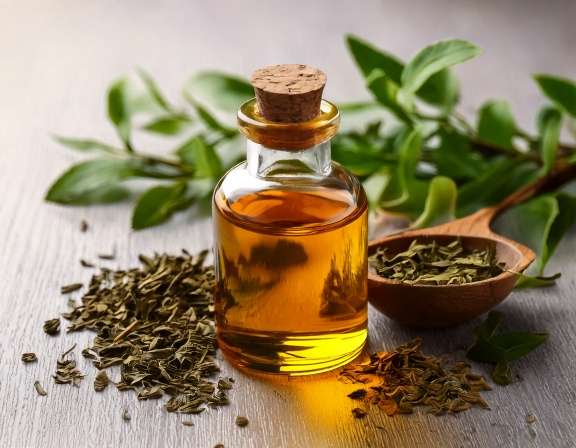
Tea tree essential oil comes from the leaves of Melaleuca alternifolia. The reason it shows up in so many skin products is simple: it contains natural compounds (like terpinen-4-ol) that can reduce certain germs on the skin and calm some inflammation.
In real-life terms, that can matter if your skin gets clogged easily, feels oily by noon, or reacts to sweat and friction (think: sports bras, backpack straps, or tight collars). Tea tree oil may help lower the “busy” feeling on your skin, when pores look stuffed and bumps pop up.
A few things are worth keeping in mind:
- Results vary, and it won’t fix every type of acne or rash.
- More is not better. Stronger usually means more irritation.
- Consistency plus gentle basics (cleanser, moisturizer, sunscreen) often does more than any single oil.
Helps with acne-prone skin by lowering bacteria and inflammation
Acne isn’t just “dirty pores”, it’s a mix of oil, clogged follicles, bacteria, and inflammation. Tea tree oil may help in a couple of those steps, which is why people use it as a spot treatment.
For small pimples, it can reduce the angry, swollen look and help a blemish feel less “hot.” It may also help with tiny clogged bumps, though those often improve more slowly.
What to expect, realistically:
- Some people notice calmer skin in a few days.
- Stubborn breakouts often take 2 to 6 weeks of consistent, gentle care.
- If your skin is sensitive, you might only tolerate it a few times a week.
What to avoid:
- Don’t use tea tree oil on raw, cracked, or actively bleeding skin.
- Don’t dab it on popped pimples. That’s an easy way to burn the area and prolong healing.
- Don’t stack it with other harsh acne products at the same time (more on that later).
Tea tree oil can still irritate acne-prone skin, especially if you’re also using strong actives. If your face starts to feel tight, shiny, or stingy, your barrier is asking for a break.
May soothe itchy, irritated spots from minor skin issues
Tea tree oil sometimes helps with small itchy patches from minor irritation, like a bug bite, a little friction rash, or a spot that feels mildly inflamed. Think of it like a targeted helper, not an all-over body lotion ingredient.
Keep it small-area only. If you spread it over a big patch of skin, you raise the odds of irritation and dryness.
A simple way to use it is to dilute it in a bland carrier oil, then dab a thin layer on the itchy spot. If it burns, feels hot, or gets redder within minutes, rinse it off and don’t re-try.
Get medical help if you notice any of these red flags:
- a rash that spreads quickly
- pus, crusting, or intense pain
- fever or feeling sick
- swelling around eyes or lips
If you like having plant-based options for minor, everyday issues, this fits well alongside other basics in a natural kit. This post on top essential oils for natural first aid also covers practical safety reminders that matter when you’re using oils on skin.
How to use tea tree oil on your face and body without messing up your skin barrier
Tea tree oil is one of those things that works best when you treat it like hot sauce. A tiny amount, blended well, and used with intention.
If your goal is clearer skin, the safest path is boring but effective: dilute, patch test, start slow, and don’t combine it with everything in your cabinet.
Here’s a simple safety-first flow:
- Pick a carrier that fits your skin.
- Mix a low dilution.
- Patch test once.
- Use it a few times, then reassess.
Dilution made simple (spot treatment vs larger areas)
Start gentler than you think you need. You can always increase later, but you can’t un-irritate skin once it’s angry.
- Gentle starter dilution (face or sensitive areas): 1 drop tea tree oil per 1 teaspoon carrier oil
- Short-term spot use (small pimples only): some people tolerate a slightly stronger mix, but keep it minimal and don’t use it all over the face
A few rules that prevent most problems:
- Never use tea tree oil undiluted on your skin.
- Keep it far away from eyes, nostrils, inner ears, and lips.
- Wash hands after applying, it’s easy to rub your eye without thinking.
- Start with once daily or every other day. If your skin stays calm after a week, you can adjust.
Patch testing is simple and worth doing. Apply your diluted mix to a small area on your inner arm or along the jawline (not near the eye). Wait 24 hours. If you get itching, rash, or swelling, skip it.
Best carrier oils and products to mix it with
The carrier you choose changes how tea tree oil feels on your skin. It also changes how likely you are to overdo it.
Good options by skin type and area:
- Oily or acne-prone skin: jojoba oil or grapeseed oil (lighter feel)
- Body use (back, chest, legs): fractionated coconut oil is popular and spreads easily
- Lightweight, not oily: aloe gel can work for some people, but it can sting on reactive skin, so patch test first
- Ultra simple: an unscented moisturizer can work as your “carrier” if it’s plain and gentle
What not to mix with at the same time (especially on the face):
- strong exfoliating acids
- retinoids
- benzoyl peroxide
- gritty scrubs or strong cleansing brushes
If you’re using actives for acne, keep tea tree oil for off-nights, or use it only as a small spot treatment. Your barrier will thank you.
Common skin problems people use tea tree oil for, plus what actually helps
Tea tree oil has a reputation for being the answer to everything. The truth is, it’s more like a reliable helper for a few common issues, when the problem is mild and you use it carefully.
If your skin concern is severe, painful, or keeps coming back in the same way, tea tree oil shouldn’t be the main plan. That’s when it helps to look at the bigger routine, or bring in a professional.
Oily skin and clogged pores, building a simple routine
Oily skin can feel like it’s always one step away from a breakout. The instinct is to scrub harder and wash more. That often backfires, because stripping your skin can trigger more oil and more irritation.
A simple routine that supports tea tree use looks like this:
- Gentle cleanser (no harsh scrubs)
- Light moisturizer (yes, even if you’re oily)
- Sunscreen every morning
- Tea tree oil only as a spot treatment or on a small congested area
Tea tree oil is not a replacement for moisturizer. If you use it and skip hydration, your skin can get tight, then overproduce oil, and you end up right back where you started.
If clogged pores are your main issue, consistency matters more than intensity. Use fewer products, not more. Give your routine a couple weeks before judging it.
Dandruff, scalp itch, and body breakouts (back and chest)
Tea tree oil is also used for scalp issues and body acne, mostly because sweat, oil, and yeast can play a role in those areas.
For the scalp, keep it simple and avoid leaving strong oil blends sitting on skin too long.
Safer ways to try it:
- Add a single drop to the shampoo in your palm, lather, then rinse well
- If you add it to a shampoo bottle, keep the overall amount low, and shake before use
- For body breakouts, mix a diluted blend in a body oil, then apply to back or chest after a shower
Be careful around mucous membranes. That means no tea tree oil near genitals, and don’t let it run into eyes in the shower.
If you have persistent scalp scaling, thick flakes, or redness that keeps coming back, it could be seborrheic dermatitis. Many people need a medicated shampoo (like ketoconazole or zinc pyrithione) to get real relief. Tea tree oil might help as a side support, but it’s not always enough on its own.
Side effects and who should skip tea tree oil for skin
“Natural” doesn’t mean harmless. Tea tree oil is a concentrated plant extract, and concentrated things can irritate skin fast.
Most problems happen for three reasons:
- using it undiluted
- using too much, too often
- layering it with other strong products
Some people also develop an allergy over time, even if they used it before without issues.
Signs of irritation, allergic reaction, and what to do right away
Pay attention to how your skin feels in the first few minutes and over the next day.
Common irritation signs:
- burning or stinging
- new redness that spreads beyond the spot you treated
- dry, tight, flaky patches
- itching that wasn’t there before
Possible allergic reaction signs:
- rash or hives
- swelling (especially face, lips, eyelids)
- blistering or weeping skin
- worsening redness that looks angry and hot
If this happens:
- Rinse with cool water and a mild cleanser.
- Stop using tea tree oil and any strong actives.
- Use a bland moisturizer (simple, fragrance-free).
- Seek care fast if there’s facial swelling, trouble breathing, or blistering.
If you’re curious about another oil that’s also powerful and more likely to irritate when overused, this guide to clove oil for natural skin healing is a good reminder that “strong oil” always means “respect the dose.”
Extra caution for sensitive skin, eczema, kids, and pregnancy
If your skin is dry, reactive, or eczema-prone, tea tree oil can be a rough match. Eczema skin already has a weaker barrier, so even diluted oils can sting and trigger a flare.
If you still want to try it, keep the dilution extra low and patch test. Many people with eczema do better skipping it and focusing on barrier repair first.
For kids, the safest approach is to avoid using essential oils on skin unless a qualified professional guides you. Kids’ skin is thinner, and reactions can be stronger.
For pregnancy and breastfeeding, keep it cautious:
- avoid using it on nipples or anywhere a baby could ingest
- keep it away from hands if you might touch baby’s face
- if you’re unsure, ask your clinician first
Also, store essential oils like they’re medicine. Keep bottles tightly closed and out of reach of kids and pets. Tea tree oil can be toxic if swallowed.
Conclusion
Tea tree oil can be a helpful skin tool for acne-prone skin and minor irritation, but only when it’s diluted and used with care. If you’re new to it, keep it simple: patch test, start with a low dilution, use it as a spot treatment, and watch your skin for a week before you change anything.
If you’re dealing with severe acne, painful rash, or anything that looks infected, get medical guidance instead of trying to push through. Share what you’re trying in the comments, what’s working, what’s not, and what you want help troubleshooting.
Stay Connected for More Natural Living Inspiration
If you enjoyed this post about herbal wellness and love discovering natural ways to refresh your home and wellness, don’t miss out on future recipes and clean-living tips! Subscribe to the blog for weekly DIYs, wellness inspiration, and herbal remedies delivered straight to your inbox.
Don’t forget to visit my LinkTree for the links to my favorite essential oils, herbal teas, natural recipes, YouTube ambiance videos for sleeping; a project I created to help with insomnia symptoms and the second channel, Rooted in Nature YouTube Channel both channels feature herbal recipes for wellness and home.
Thanks for coming by!

Leave a Reply