
(DISCLAIMER: I am not a doctor, and you should consult your healthcare professional before starting any health regimen. Product links are commissioned and supports the blog)

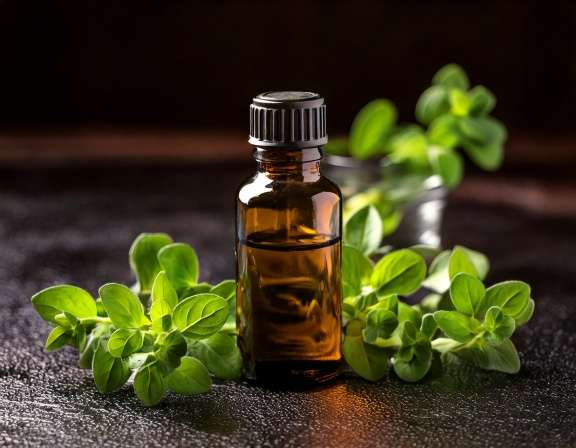
A tiny bottle of marjoram essential oil contains a highly concentrated plant extract. A few drops can scent an entire room, so applying the oil directly to your skin is too strong for most people.
The safest approach is simple: mix sweet marjoram oil with a carrier for massage and skin care, or combine it with a suitable bath dispersant before it reaches the water. The right dilution depends on where you plan to use it.
Key Takeaways for Using Marjoram Essential Oil Safely
- Never apply sweet marjoram essential oil neat, or undiluted, to your skin.
- Healthy adults can start with about a 2% dilution for a body massage.
- Choose a lower concentration, around 0.5% to 1%, for facial products or sensitive skin.
- Mix essential oil with liquid Castile soap or another suitable bath dispersant before adding it to bath water.
- Patch test every new blend before regular use.
- Stop using the blend if you notice burning, itching, redness, swelling, or a rash.
- Children, pregnant or breastfeeding people, older adults, anyone with epilepsy or asthma, and people taking medication should ask a qualified health professional for individual advice first.
Sweet marjoram oil can be suitable for topical use when diluted correctly, but even a gentle-smelling oil may irritate certain skin types. Start with a small amount and give your skin time to respond.
Choose the Right Marjoram Essential Oil Dilution
Dilution is the percentage of essential oil in the finished product. A 1% blend contains less essential oil than a 3% blend, while the rest consists of carrier oil or another base.
For beginners, a lower concentration is a sensible starting point. Use about 1% for sensitive skin, and 1% to 2% for facial products. Most massage blends fall between 1.5% and 2%. A full-body massage blend shouldn’t exceed 3% unless a trained professional gives you different instructions.
The table below provides practical drop estimates for common batch sizes.
| Dilution | Per 10 mL carrier | Per 1 fl oz carrier |
|---|---|---|
| 1% | About 2 drops | About 6 drops |
| 2% | About 4 drops | About 12 drops |
| 3% | About 6 drops | About 18 drops |
Drop size varies between bottles, oils, and droppers, so these numbers are useful estimates rather than laboratory measurements. Use a clean glass bottle and measure carefully instead of adding drops by feel.
A higher percentage doesn’t automatically make a blend more effective. More essential oil can increase the chance of redness, dryness, or sensitization.
Pick a Gentle Carrier Oil for Your Skin Type
The carrier oil spreads marjoram essential oil across the skin and reduces its concentration. Water doesn’t perform this job, which is why adding essential oil to plain water doesn’t make it safe for skin.
Jojoba oil feels light and works well in many facial and leave-on blends. Its texture is close to the skin’s natural oils, so it usually feels less greasy than heavier options. Fractionated coconut oil has little scent and stays liquid, making it a useful choice for massage.
Sweet almond oil gives massage blends a smooth glide, while grapeseed oil has a thinner texture that many people prefer for quick absorption. If your skin reacts easily, choose a fresh, fragrance-free carrier with as few added ingredients as possible.
People with nut allergies should check the source of sweet almond oil and choose another carrier when needed. Store all carrier oils tightly closed in a cool, dark place, and discard them if they smell stale or rancid. For more guidance, see these safe skin application tips for essential oils.
Measure Small Batches Without Guessing
A simple formula is 4 drops of essential oil in 10 mL of carrier oil for roughly a 2% blend. For a 1% blend, use about 2 drops in the same amount of carrier.
Add the essential oil to a small amber or cobalt glass bottle, then pour in the carrier oil. Cap the bottle, roll it gently between your palms, and label it with the ingredients and date. Make a small batch first, especially when you’re testing a new oil or carrier.
For help with the basic process, this beginner’s guide to mixing essential oils can help you organize bottles, measurements, and carrier choices.
How to Dilute Marjoram Essential Oil for Massage
A body massage blend can use a slightly higher dilution than a facial product because the skin on the shoulders, hands, and legs is generally less delicate. Healthy adults can begin with 2%, which equals about 4 drops in 10 mL of carrier oil or 12 drops in 1 fluid ounce.
Apply a small amount to clean, intact skin. Avoid cuts, scrapes, active rashes, inflamed areas, and freshly shaved skin. Test the finished blend on a small patch first, even if you’ve used the carrier oil before.
Gentle Marjoram Massage Oil
Ingredients
- 10 mL fractionated coconut oil or jojoba oil
- 4 drops sweet marjoram essential oil
Add the sweet marjoram oil to a clean 10 mL glass bottle. Fill the bottle with fractionated coconut oil or jojoba oil, leaving a little space at the top. Close it and roll it gently to combine.
Patch test a small amount on the inner forearm and wait at least 24 hours before a wider application. If your skin stays comfortable, use a small amount on the shoulders, hands, or legs. Keep the pressure and amount modest, and wash your hands after applying it.
Massage can support relaxation and comfort, but it isn’t a substitute for medical care. Persistent pain, swelling, numbness, or limited movement needs assessment from a qualified health professional.
Add Marjoram to a Bath Without Irritating Your Skin
Essential oil drops should never go straight into bath water. The oil floats on the surface, where concentrated droplets can touch your skin and cause irritation.
Instead, mix 3 to 6 drops of sweet marjoram oil into about 1 tablespoon of liquid Castile soap or another suitable bath dispersant. Stir or shake the mixture well, then add it while the tub fills. A purpose-made bath dispersant can also help distribute the oil more evenly.
Bath-Time Marjoram Blend
Ingredients
- 1 tablespoon liquid Castile soap
- 3 drops sweet marjoram essential oil
Combine the soap and essential oil in a small glass container, then stir or shake thoroughly. Pour the mixture beneath the running water as the tub fills, rather than dropping it onto the water’s surface.
Use warm water instead of a very hot bath, and keep the soak short. Before getting out, move carefully because oils can make the tub slippery. Rinse the tub afterward with hot water and wipe away any remaining residue.
If stinging or burning begins during the bath, drain the water and rinse your skin with clean water. Avoid adding more essential oil to make up for a weak scent. The goal is a comfortable bath, not a stronger aroma.
Use a Lower Dilution for Marjoram Skin Care
Facial skin and everyday leave-on products call for less essential oil than most body massage blends. Start around 0.5% to 1%, especially if your skin is dry, reactive, or new to essential oils. A 1% dilution uses about 2 drops per 10 mL of carrier oil.
Keep the blend away from the eyes, lips, nostrils, mucous membranes, and damaged skin. Don’t use marjoram oil as a proven treatment for acne, eczema, psoriasis, or another skin condition. Essential oils can irritate these areas, and symptoms that persist need proper evaluation.
Simple Marjoram Body Oil
Ingredients
- 30 mL jojoba oil
- 6 drops sweet marjoram essential oil
Place the essential oil in a clean 30 mL glass bottle, then add the jojoba oil. Cap the bottle and gently roll it between your hands until the ingredients combine.
Apply a small amount to the inner arm as a patch test. Wait 24 hours before using it more widely. If your skin remains clear and comfortable, smooth a small amount over intact skin after bathing. Keep the bottle away from your face and avoid using it on irritated areas.
For very sensitive skin, begin with fewer drops. You can also test jojoba oil by itself first, since the carrier may be responsible for a reaction.
Follow These Marjoram Essential Oil Safety Rules
Patch testing gives your skin a chance to respond before you cover a larger area. Apply the diluted blend to a small section of the inner forearm, then watch the area for at least 24 hours. Sensitive or reactive skin may need a longer observation period.
Store sweet marjoram oil and finished blends in a cool, dark place with the caps tightly closed. Heat, sunlight, and air can affect essential oils over time. Keep every bottle away from children and pets, and don’t use essential oils internally unless a properly trained professional directs you to do so.
Pregnant or breastfeeding people, children, older adults, and people with epilepsy or asthma should seek individual advice before topical use. The same applies to anyone taking prescription or over-the-counter medication. Essential oils can interact with personal health factors, and a general dilution chart can’t account for every situation.
If a rash, burning, itching, or swelling develops, wash the area with soap and water and stop using the blend. Seek medical help if the reaction is severe, spreads quickly, affects breathing, or involves significant swelling.
Finally, read the label carefully. Confirm that the bottle contains sweet marjoram, Origanum majorana. Other plants sold under marjoram-related names may have different chemical profiles and safety guidance.
Conclusion
Choose the application first, then measure a modest dilution for that purpose. Use a suitable carrier oil for massage or skin care, and mix bath blends with Castile soap or a proper dispersant before adding them to water.
Beginners should start in the 1% to 2% range rather than assuming more oil works better. Essential oils can fit into a personal care routine, but persistent skin symptoms, pain, or other health concerns deserve advice from a qualified health professional.
Stay Connected for More Natural Living Inspiration
If you enjoyed this post about herbal wellness and love discovering natural ways to refresh your home and wellness, don’t miss out on future recipes and clean-living tips! Subscribe to the blog for weekly DIYs, wellness inspiration, and herbal remedies delivered straight to your inbox.
Don’t forget to visit my Amazon storefront for the links to my favorite essential oils, herbal teas, and natural recipes. I also create YouTube ambiance videos for sleeping; a channel I created to help people who have trouble sleeping. The link to all social media content is here.
Thanks for coming by!

Leave a Reply