

(DISCLAIMER: I am not a doctor, and you should consult your healthcare professional before starting any health regimen.)

If you want to skip harsh chemicals but still keep your home clean, antibacterial essential oils offer a simple, effective swap. These natural alternatives to chemical disinfectants are gaining popularity, especially among those who want a greener, safer way to care for their living spaces. People are drawn to essential oils with antibacterial properties because they’re plant-based and help reduce exposure to synthetic ingredients.
From lemon to tea tree, these essential oils for cleaning and disinfecting bring a fresh approach that’s both eco-friendly and easy to use. Whether you’re new to natural cleaning or looking to expand your toolkit, learning about the benefits and uses of these oils can help you make informed choices for a healthier home. For a deeper dive into which oils pack the most punch, take a look at this guide to the top antibacterial essential oils for natural cleaning.
What Makes Essential Oils Antibacterial?
Essential oils with antibacterial properties get their powerful punch from the unique compounds inside each drop. These plant oils don’t just smell nice. They contain natural chemicals that act like shields and swords against germs. Unlike many chemical disinfectants that rely on harsh synthetic agents, antibacterial essential oils offer a more natural alternative for cleaning and wellness routines. Let’s explore what sets these oils apart and how they work to keep surfaces and skin safe.
The Science Behind Antibacterial Essential Oils
Plants produce essential oils as a defense system. When you use these oils, you’re tapping into this natural shield. Key components like terpenes, phenols, aldehydes, and alcohols give essential oils their ability to fight germs. For example, tea tree oil has terpinen-4-ol, while thyme oil is high in thymol. Each of these has been shown in studies to damage bacterial cell walls or disrupt how bacteria function.
When you apply these oils whether in a cleaning spray or a diffuser, the compounds can:
- Break through bacterial cell walls, causing the germs to rupture.
- Interfere with bacterial growth and reproduction cycles.
- Disturb the way bacteria stick to surfaces, making them easier to wipe away.
Essential oils work a little like a multi-tool for your cleaning kit. They hit bacteria from more than one angle, so it’s harder for germs to develop resistance.
How Do Essential Oils Compare to Chemical Alternatives?
Both essential oils and synthetic disinfectants aim to kill bacteria, but they approach the problem differently. While chemical cleaners often contain ingredients like bleach or ammonia that kill bacteria quickly, they can also irritate your skin or lungs and leave behind strong odors.
In contrast, antibacterial essential oils:
- Are derived from plants, reducing your exposure to harsh synthetic substances.
- Often come with bonus benefits, such as pleasing scents and calming effects.
- Can be used in lower concentrations for everyday cleaning or diffusing.
- Offer a safer choice for families, pets, and those with sensitivities.
If you want to see how these oils help with other non-toxic remedies, you might enjoy reading about the Best Essential Oils for Acne-Prone Skin, as many of the same properties that fight skin bacteria can also keep your surfaces fresh.
Examples of Essential Oils with Strong Antibacterial Effects
Not all essential oils are equally powerful when it comes to fighting germs. Some have a proven track record thanks to their chemical makeup. Here are a few favorites among people looking for natural alternatives to chemical disinfectants:
- Tea Tree: Known for its broad-spectrum antibacterial properties, making it great for both surfaces and skin.
- Lemon: Its high limonene content helps break down grime and inhibit bacteria.
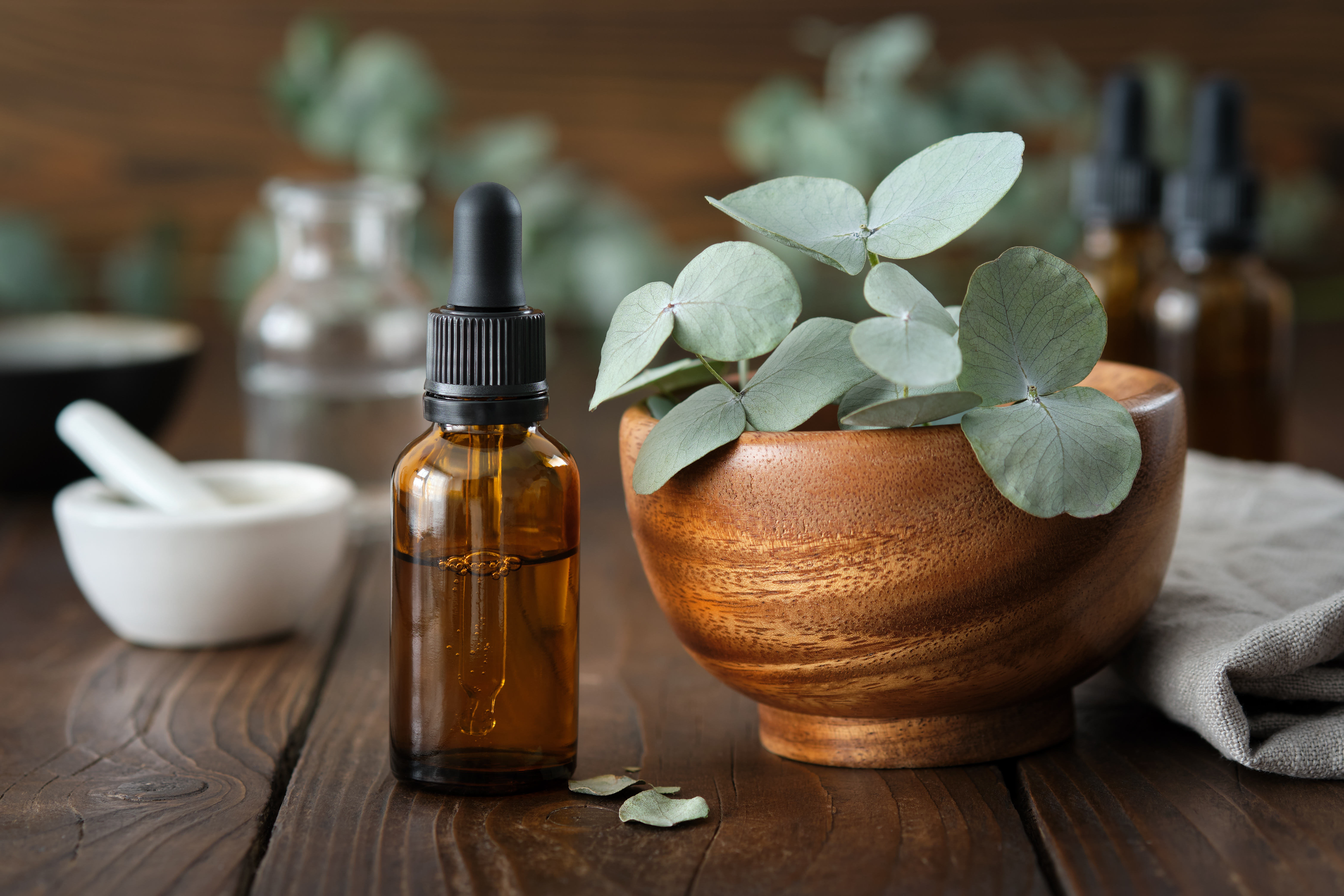
- Eucalyptus: Offers a crisp, clean scent while targeting bacteria and freshening the air.
- Thyme: Contains thymol, a well-studied agent for breaking down bacterial defenses.
- Lavender: Milder but still effective, great for gentle cleaning or air freshening.
Each oil’s antibacterial strength comes from its blend of active compounds. Combining a couple can boost results, think of it as giving your cleaning routine a plant-powered upgrade.
By understanding what makes antibacterial essential oils tick, you’re better equipped to choose the right oil for your needs, whether you’re cleaning kitchen counters or seeking gentle support for your skin.
Top Antibacterial Essential Oils and Their Benefits
Antibacterial essential oils stand out as natural alternatives to chemical disinfectants, supporting a clean, healthy home without the need for harsh synthetics. Each oil brings unique benefits, with some standing out for their germ-fighting abilities and versatility. Here’s what makes these essential oils so effective for cleaning and disinfecting, plus some tips for using them safely and efficiently around your home.
Tea Tree Oil: The Star Antibacterial
Tea tree oil is often the go-to choice when it comes to essential oils with antibacterial properties. Backed by research, tea tree’s key compound, terpinen-4-ol, works against a broad range of bacteria found on surfaces, skin, and even in the air. It disrupts bacterial cell walls and halts the growth of germs, making it tough for harmful microbes to survive.
This oil isn’t just powerful, it’s also practical. You can use tea tree oil for:
- Mixing into homemade spray cleaners for counters and doorknobs.
- Adding to laundry to help eliminate bacteria on clothes and towels.
- Cleaning kids’ toys or high-touch surfaces safely, since it doesn’t leave any harsh fumes.
For most people, tea tree oil is safe when used diluted with water or carrier oils. However, it’s best to avoid direct contact with eyes and never ingest it. A patch test can help check for skin sensitivity. If you’re interested in supporting your immune health with tea tree or learning how its properties work across seasons, consider reading about seasonal suggestions in the Top Essential Oils for Immune Support Throughout the Year.
Eucalyptus and Lemon: Fresh Scents, Potent Action
Eucalyptus and lemon oils both shine with their crisp scents, but their real strength lies in how they clean and protect. Eucalyptus oil contains 1,8-cineole, which has shown great results in killing bacteria in lab studies. When added to cleaning solutions or diffusers, eucalyptus not only purifies the air but also discourages bacteria from lingering on surfaces.
Lemon oil, rich in limonene and citral, tackles bacteria while cutting through grease and grime. It leaves rooms smelling fresh and feels gentle compared to some chemical sprays. Want to deodorize and sanitize your home in one go? Try adding a few drops of eucalyptus or lemon oil to:
- A spray bottle with water and vinegar for kitchen and bathroom counters.
- Floor mopping solutions for antibacterial action and lingering fresh aroma.
- Diffusers to cleanse the air after cooking or during cold season.
Both oils are safe for cleaning, but they should be diluted and kept away from pets and young children’s direct reach.
Thyme and Oregano: Herbal Antibacterial Powerhouses
Thyme and oregano oils hold a top spot for anyone searching for the strongest natural alternatives to chemical disinfectants. Their herbal notes carry high amounts of thymol (thyme) and carvacrol (oregano), two compounds well-studied for their bacteria-busting effects. These oils can even outperform some commercial products in lab tests, tackling everything from kitchen bacteria to germs found on personal items.
Research points to the ability of thyme and oregano oils to:
- Destroy bacterial biofilms, making it harder for germs to stick to surfaces.
- Disrupt the structure of bacterial cell walls and membranes.
- Offer lasting protection when used in cleaning sprays or added to laundry routines.
For safe use, always dilute these potent oils and avoid direct skin contact without a carrier oil. If you’re interested in learning about other ways these oils fit into natural remedies and wellness, you might explore related options in the Natural Relief with Essential Oils for Ear Infections, where antibacterial compounds like those in thyme and oregano play a key role.
Choosing antibacterial essential oils for cleaning and disinfecting isn’t just about swapping out chemicals. It means supporting a safer, more pleasant home environment with the power and protection of nature’s own defense system.
How to Use Antibacterial Essential Oils for Cleaning and Disinfecting
Antibacterial essential oils are more than just pleasant scents. These powerful plant extracts can help keep your home clean without the strong chemicals found in many store-bought products. Whether you need to wipe down counters, mop floors, or just refresh the air, essential oils with antibacterial properties make natural alternatives to chemical disinfectants that actually work. Let’s look at simple, effective ways to put these oils to use and what you need to know to clean safely.
DIY Natural Cleaning Recipes with Essential Oils
Homemade cleaning products with antibacterial essential oils are easy to make. You only need a few ingredients, most of which you probably already have. Here are some beginner-friendly recipes that work well for everyday cleaning and disinfecting around your home.
All-Purpose Cleaning Spray
This basic spray tackles counters, sinks, doorknobs, and more.
- 2 cups water
- 1 cup white vinegar
- 15 drops Tea Tree Essential Oil
- 15 drops Lemon Essential Oil
Mix the water and vinegar in a spray bottle. Add the essential oils. Shake well before each use. Spray directly on surfaces and wipe clean with a cloth.
Natural Surface Wipes
Skip store-bought wipes and make your own reusable cleaning cloths.
- 2 cups warm water
- 1 tablespoon castile soap
- 10 drops Eucalyptus Essential Oil
- 10 drops Lavender Essential Oil
Soak clean, cut-up rags or washcloths in this solution. Store in an airtight container and use as needed, especially for quick kitchen cleanups.
Refreshing Floor Cleaner
Get your floors sparkling (and bacteria-free) without synthetic scents.
- 1 gallon hot water
- 1/4 cup castile soap
- 20 drops Thyme Essential Oil
- 10 drops Lemon Essential Oil
Stir soap and essential oils into the water. Mop as usual, and enjoy a fresh, welcoming aroma.
For more about how natural household cleaners stack up against commercial options, check out the explanation on Natural Household Cleaners Explained. It’s a great place to pick up extra tips on chemical-free cleaning and herbal disinfectants.
Safety Tips and Best Practices
Essential oils for cleaning and disinfecting work best when used correctly. Like any cleaning product, safe handling matters, especially when kids or pets are around.
Proper Dilution Guidelines
Never use essential oils undiluted on skin or surfaces. Most cleaning recipes call for a few drops per cup of water (see above recipes for easy ratios). For disinfecting, aim for no more than 20-30 drops per quart of liquid. Too much oil can irritate skin, damage surfaces, or trigger breathing issues.
Watch for Skin Sensitivity
Some oils, like oregano or thyme, are potent. Always wear gloves or rinse your hands well if you’re sensitive. Do a small spot test on surfaces, and never spray oils around eyes or mucous membranes.
Essential Oils and Pets
Certain oils are unsafe for cats, birds, and some dogs. Keep products with tea tree oil, clove, or eucalyptus away from pets’ bedding, food dishes, and cages. If you’re not sure, check with your vet before using antibacterial essential oils in areas your pets frequent.
Safe Storage and Responsible Use
Store your oils and oil-based cleaning solutions in dark, glass bottles away from heat and sunlight. Always label bottles so there’s no confusion. Make sure kids can’t reach cleaning products, even the natural ones.
Oil Interactions and Mixing
Combining oils can give you stronger results (think tea tree with lemon), but don’t go overboard. Some oils should not be mixed or can cause reactions for sensitive individuals. Always follow guidelines and measure carefully.
For anyone starting out or wanting a refresher on using essential oils in the home, the Essential Oils Guide for Beginners is a handy resource for safe use, dilution tips, and more.
Used wisely, antibacterial essential oils protect your home and give you peace of mind. Stick to smart recipes and safety guidelines for a naturally clean space without harsh chemicals.
Other Applications of Antibacterial Essential Oils
While most people reach for antibacterial essential oils when cleaning and disinfecting their homes, these natural plant extracts do much more. Essential oils with antibacterial properties extend their benefits well beyond surface cleaning. They can help clear the air, support your body’s natural defenses, and even target skin concerns like acne and blemishes. Exploring non-cleaning uses opens up even more ways these oils become useful daily allies for health and wellness.
Immune Support and Air Purification
When used in diffusers or homemade sprays, antibacterial essential oils help create a cleaner, safer environment indoors. Diffusing oils like tea tree, eucalyptus, and thyme sends molecules into the air that can tackle airborne bacteria and other irritants. This process gently supports the body’s immune response and makes a room feel fresher and easier to breathe in, especially during cold and allergy seasons.
For those seeking better respiratory health, try adding a few drops of oil to a diffuser or DIY air spray. Many people notice smoother breathing and less discomfort from seasonal changes. Key benefits include:
- Reducing airborne bacteria and germs
- Promoting easy breathing by opening airways
- Refreshing stale indoor air with pleasant, natural fragrance
Blending eucalyptus with lavender or oregano is a great way to target both bacteria and congestion at the same time. If you want step-by-step recipes, check out the Best essential oils for immune health plus DIY recipes for more science-backed blends you can use safely at home.
Skincare Uses for Acne and Blemishes
Antibacterial essential oils are a favorite in natural skincare, especially for anyone dealing with acne-prone or sensitive skin. Their plant-based chemical compounds fight bacteria that cause breakouts but skip the drying or harsh effects common with some store brands. Oils like tea tree, lavender, and thyme stand out as gentle yet powerful choices.
When properly diluted with carrier oils, these essential oils can:
- Kill acne-causing bacteria on the skin’s surface
- Soothe redness and irritation without harsh chemicals
- Help balance oil production and promote clearer skin
Compared to over-the-counter (OTC) options, plant-based antibacterial oils work with your skin, not against it. A little goes a long way, making them practical and affordable for most routines.
If you need a starter list or want tips for creating your own blends, take a look at the Best essential oils for acne-prone skin for more ways to tap into these benefits.
Using antibacterial essential oils for air quality and skin care brings you closer to a natural, mindful routine, one drop at a time.
Conclusion
Choosing antibacterial essential oils as natural alternatives to chemical disinfectants supports a cleaner home and a healthier body. Their plant-based nature helps reduce synthetic exposure and supports a greener lifestyle for families and the planet. When you use essential oils for cleaning and disinfecting, you cut down on harsh residues and artificial scents, supporting the wellbeing of everyone in your space.
The real power of essential oils with antibacterial properties comes from using them responsibly. Stick to safe dilution practices, keep learning about each oil, and stay informed about new research in the field so you can enjoy their effectiveness with less risk.
Exploring these options offers sustainable benefits for today and future generations. For more ideas on bringing botanical solutions into daily routines, consider reading about the Lavender Essential Oil Benefits. Thanks for spending your time here. Feel free to share your experiences or questions about natural cleaning to keep the conversation going.
Stay Connected for More Natural Living Inspiration
If you enjoyed this post about antibacterial essential oils and love discovering natural ways to refresh your home and wellness, don’t miss out on future recipes and clean-living tips! Subscribe to the blog for weekly DIYs, wellness inspiration, and herbal remedies delivered straight to your inbox.
Tap here for more essential oil products, essential oil blends, natural recipes, plus some ambience videos for your sleeping pleasure.
Thanks for coming by!

Leave a Reply