

(DISCLAIMER: I am not a doctor, and you should consult your healthcare professional before starting any health regimen. Product links are commissioned and supports the blog)

Key Takeaways
- Rose geranium, cedarwood, eucalyptus, lavender, lemongrass, and citronella are the oils most often discussed for tick repellent use.
- Essential oils need proper dilution before skin use, because undiluted oils can irritate or sensitize skin.
- A patch test matters, since even a gentle-looking blend can cause redness or itching.
- Most essential oil blends fade fast outdoors, so reapplication is often needed, especially with sweat, heat, and sun.
- Clothing choices still matter, including long socks, closed shoes, and light-colored fabrics that make ticks easier to spot.
- Tick checks after outdoor time are still one of the best habits you can build.
- In heavy tick areas, or for long hikes, EPA-registered repellents and permethrin-treated clothing usually make more sense than DIY oils alone.
Picture a warm trail, tall grass brushing your calves, sunlight slipping through the trees. It feels peaceful, right up until you remember what may be waiting in the weeds.
That’s why tick repellent essential oils get so much attention. Some oils do show promise for short-term tick deterrence, especially in light outdoor use. Still, they often don’t last as long, or work as reliably, as EPA-registered repellents in real outdoor conditions.
Natural also doesn’t mean risk-free. Strong oils can irritate skin, trigger headaches, and cause problems for kids, pets, pregnant people, or anyone with sensitive skin. So before you mix a bottle and head outside, it helps to know where these oils shine, and where they don’t.
What to know before using essential oils for tick repellent
Research on essential oils for ticks is mixed. Some oils look helpful in lab settings or for brief use, while others lose strength fast outside. Results can also change based on the tick species, how strong the blend is, and how long you stay outdoors.
In other words, a blend that smells strong on your wrist may not hold up well on a sweaty two-hour hike. That doesn’t make essential oils useless. It simply means expectations should stay grounded.
How essential oils may help, and where they fall short
Essential oils contain scent compounds that may bother or confuse ticks. That scent may make a tick less likely to crawl onto treated skin or fabric for a short time. For quick yard work, dog walking, or a short walk on a mowed path, that light support may feel worthwhile.
However, these oils often fade fast. Heat, sun, and sweat break down the scent. Friction from clothing does the same. As a result, many DIY blends need more frequent reapplication than people expect.
Registered repellents are different. They’re tested for staying power and labeled for how long they work. So while essential oils may offer short-lived scent-based help, they usually don’t match the endurance of products made for longer exposure.
Who should be extra careful with topical blends
Some people should be more cautious with any topical oil blend. That includes young children, pregnant or nursing people, and anyone with asthma, eczema, or highly reactive skin.
Pets also matter. Cats are especially sensitive to many essential oils, and dogs can react too. A blend that seems harmless on human skin may not be safe on pet bedding, hands that pet them, or in enclosed spaces.
Natural doesn’t always mean gentle. With essential oils, strength is part of the appeal, and part of the risk.
Start light. Patch test first. Keep oils away from eyes, face, broken skin, and small children unless you’ve checked reliable safety guidance for each ingredient.
The best essential oils often used to repel ticks
A few oils come up again and again in tick repellent discussions. That doesn’t mean each one has strong real-world protection. Still, these are the names most readers search for, and the ones most often used in DIY blends.
Rose geranium, cedarwood, and eucalyptus oils
Rose geranium oil is one of the most talked-about options for ticks. It has a green, floral scent that feels softer than harsh bug sprays. Many people add it to roll-ons or diluted body oils for ankles, socks, and pant cuffs. Its main limit is staying power. Outdoors, the scent can thin out faster than you’d hope.
Cedarwood oil has a dry, woody smell that blends well with other oils. It’s popular in natural pest recipes because it feels earthy rather than perfumey. You’ll also see cedarwood show up in other pest-focused blends, such as these top essential oils that repel lice naturally. For ticks, cedarwood is usually used as part of a mix, not as a stand-alone fix.
Eucalyptus oil brings a sharp, clean scent that many people associate with outdoor freshness. It’s often included because it smells strong and can make a blend feel more active. But sharp scent alone doesn’t equal lasting tick protection. Eucalyptus can also feel intense on sensitive skin, so lower dilution matters.
Together, these three oils make a practical, common DIY base. Still, they’re better thought of as short-term support than all-day armor.
Lavender, lemongrass, and citronella oils
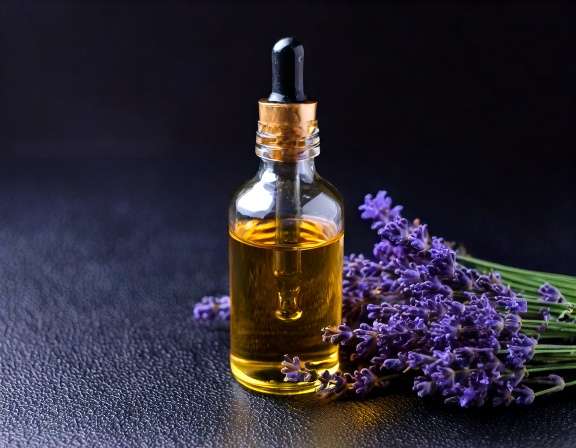
Lavender oil is one of the easiest oils to like. It smells calm, soft, and familiar, which makes it common in body oils and sprays. It may help round out harsher scents in a tick blend. Yet lavender’s popularity often outruns its power. Pleasant scent does not always mean strong repellency.
Lemongrass oil smells bright and fresh, with a crisp citrus edge. It’s a favorite in natural bug sprays, and many people already have it at home. That makes it tempting for DIY tick blends. Still, like many fresh-smelling oils, it may need frequent reapplication when you’re sweating or spending time in direct sun.
Citronella oil has a classic outdoor bug-spray smell, so people often reach for it first. It can make a blend feel familiar and purposeful. Even so, citronella is usually better known for mosquitoes than ticks, and its scent can fade quickly on clothing and skin.
These oils can still play a role. They’re easy to blend, easy to find, and pleasant for short outings. If you enjoy making plant-based pest sprays, you may also like these fly-repelling essential oils for patio use, which use some of the same fresh-smelling ingredients.
Simple tick repellent essential oil recipes you can actually make
DIY blends work best when they stay simple. You don’t need ten oils and a chemistry set. You need a mild formula, clean ingredients, and realistic expectations.
For skin use, always dilute essential oils in a carrier oil such as jojoba, fractionated coconut oil, or sweet almond oil. For clothing sprays, test a small hidden area first, because some oils may stain or shift color on fabric.
A gentle roll-on blend for short walks and yard time
This blend is meant for short walks, gardening, or yard work, not long hikes in heavy tick areas.
Add 10 mL of carrier oil to a roll-on bottle. Then add 2 drops rose geranium, 1 drop cedarwood, and 1 drop lavender. Cap it and roll gently between your hands to mix.
That creates a light dilution that’s more skin-friendly than a strong, perfume-like blend. Apply sparingly to ankles, lower legs, and around the edges of socks. You can also swipe a little on the outside of pant cuffs. Keep it away from the face, eyes, and broken skin.
Patch test first on a small area of your inner arm and wait 24 hours. If your skin feels hot, itchy, or tight, don’t use the blend.
Because the scent is mild, reapply before a second short outing later in the day. If you’ll be outside for hours, this roll-on should not be your only plan.
A quick spray for shoes, socks, and outdoor clothing
This one is better for gear than skin. It’s fast, easy, and handy for shoes, socks, pant legs, and backpack straps.
In a 2-ounce spray bottle, combine 1 ounce witch hazel and 1 ounce distilled water. Add 6 drops cedarwood, 4 drops lemongrass, and 3 drops citronella. Shake well before each use, because water and oils separate quickly.
Spray lightly on shoes, socks, and the lower edges of outdoor clothing. Let items dry before wearing. Since scent sprays fade fast, take the bottle with you if you’ll be outside for more than an hour or two.
This kind of spray works a bit like a breeze through a screen door. It may help for a while, but it isn’t a locked barrier. Use it as one layer, not the whole system.
How to use these oils safely, and what works better with them
Essential oils work best when they support smart habits. A bottle alone won’t do the heavy lifting. Think of it as one small tool in a bigger tick-avoidance routine.
Smart ways to lower your tick risk beyond the bottle
Clothing still matters more than many people think. Wear long socks, closed shoes, and long pants when you can. Tuck pants into socks if you’re walking through brush or tall grass. Light-colored clothes help you spot crawling ticks sooner.
Path choice matters too. Stay near the center of the trail and avoid brushing against low branches, weeds, and dense edge growth. When you get home, shower soon and do a full-body tick check. Look carefully behind knees, around the waist, under arms, around the hairline, and behind the ears.
These habits aren’t flashy, but they work. A good tick check is often more useful than a strong-smelling blend.
When to skip DIY and reach for proven tick protection
Sometimes a homemade oil blend isn’t the right tool. If you’re hiking for hours, camping, working in leaf litter, or spending time in places known for tick-borne illness, stronger protection makes more sense.
That’s where EPA-registered repellents come in. They’re tested for how well they work and how long they last. Permethrin-treated clothing can also be a smart choice for pants, socks, and outdoor gear, especially during peak tick season.
You don’t have to choose one camp forever. Use essential oils for light, casual situations if they suit you. But for heavy exposure, it’s wise to reach for options built for the job.
Ticks don’t care whether a product is trendy, natural, or expensive. They only care whether it keeps them off.
Essential oils may offer light, short-term support, especially for yard time and brief walks. Still, their best use is as one layer alongside smart clothing, careful trail habits, and thorough tick checks after you come inside.
If you enjoy the scent and ritual of a DIY blend, keep it in the mix, but keep your expectations clear too. The most useful tick routine is the one that smells pleasant, fits your day, and still respects the limits of natural protection.
Stay Connected for More Natural Living Inspiration
If you enjoyed this post about herbal wellness and love discovering natural ways to refresh your home and wellness, don’t miss out on future recipes and clean-living tips! Subscribe to the blog for weekly DIYs, wellness inspiration, and herbal remedies delivered straight to your inbox.
Don’t forget to visit my Amazon storefront for the links to my favorite essential oils, herbal teas, and natural recipes. I also create YouTube ambiance videos for sleeping; a channel I created to help people who have trouble sleeping. The link to all social media content is here.
Thanks for coming by!


Leave a Reply