
(DISCLAIMER: I am not a doctor, and you should consult your healthcare professional before starting any health regimen. Product links are commissioned and supports the blog)

Key Takeaways
- For congestion comfort, eucalyptus and peppermint are the classic picks because they can make breathing feel clearer.
- For irritated, “tender” sinuses, many people reach for lavender, tea tree, or frankincense for a calmer, cleaner feel.
- For air-freshening support, lemon is a favorite when a room feels stale or heavy.
- Easiest methods: diffuser sessions (short and spaced out), shower steam, a gentle steam bowl, and a properly diluted roller.
- Dilution basics: for a 10 ml roller, aim for 5 to 10 total drops of essential oils, then fill with carrier oil (less for sensitive skin).
- Extra caution: infants and young kids, people with asthma or migraine triggers, pregnant or nursing parents, and households with cats, dogs, or birds.
- Get medical care if you have fever, wheezing, chest tightness, shortness of breath, severe sore throat, or symptoms that last longer than 10 days.
The window’s cracked open, and the air smells like wet grass and trees waking up. It also feels like trouble. Your eyes start to itch, your throat turns scratchy, and your nose can’t decide between dripping and stopping up. If you’ve been there, you know how fast a good day can get derailed.
Essential oils can’t erase pollen counts or replace medical care. Still, they can support comfort in practical ways, like helping a room smell fresher, encouraging relaxation, and making breathing feel easier when you’re stuffed up. The key is using them simply, safely, and in small amounts.
Below you’ll find the best essential oils for seasonal allergies and sniffly days, what each one is good for, and easy ways to use them at home. Quick safety note: always dilute for skin use, patch test first, avoid eyes and mucous membranes, and ask a clinician before use if you’re pregnant, have asthma, or you’re using oils around kids or pets.
If you want ready-made diffuser ideas that stay on the gentle side, these powerful diffuser blends for allergies are a helpful starting point.
The top essential oils for seasonal allergies and sniffles, and what each one is best at
Essential oils are complicated little bottles. The aroma is strong, the effects can feel real, and yet the evidence is mixed. Research is often small, and many uses come from tradition and everyday experience. In other words, these oils don’t “cure” allergies or illness, but lots of people still find them useful for day-to-day comfort.
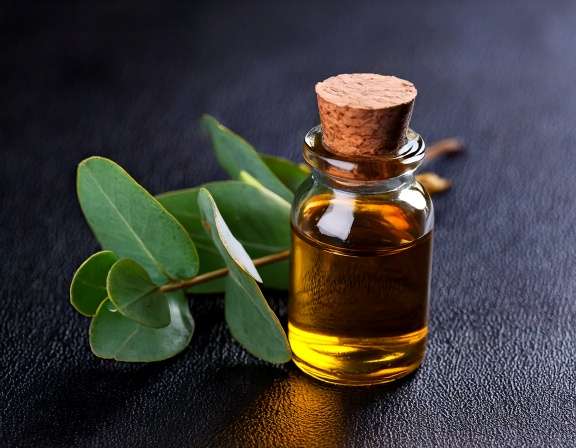
Eucalyptus (radiata or globulus) essential oil for that “stuck” feeling in your chest and nose
Comfort goal: Help your breathing feel more open when you’re congested.
Scent profile: Sharp, clean, and brisk, like a steamy shower.
Best use method: Diffuser sessions or shower steam. Eucalyptus radiata is often seen as gentler, while globulus can smell stronger.
For diffusion, start small and see how your body responds. For topical use, keep it light, think 1 percent dilution (about 1 drop per teaspoon of carrier oil) for a chest rub. Avoid using it near the face, and never use it near an infant’s face.
Quick safety note: Use extra care with young kids, asthma, and pets, especially cats and birds.
One-line blend idea: Eucalyptus radiata + lavender + lemon for a clean, airy room feel.
Peppermint essential oil for cooling relief when your head feels full
Comfort goal: Cooling relief when your forehead and sinuses feel “packed.”
Scent profile: Minty and bright, with that menthol-like chill.
Best use method: A low-dose roller on the neck and temples, or brief diffusion.
Peppermint can make breathing feel clearer, even when you’re not actually less congested. That cooling sensation can be a relief on long pollen days. Keep it away from your eyes, and don’t swipe it under your nose. A gentle roller blend works well: apply to the sides of the neck, then wash hands.
Quick safety note: Peppermint can bother reflux-prone folks. Use extra caution around children and pets, and keep the dose low.
One-line blend idea: Peppermint (1 drop) + lavender (2 drops) in a diffuser for a soft “cool and calm” vibe.
Lavender essential oil for calm sleep when coughing and sneezing keep you up
Comfort goal: Relaxation and better rest when symptoms feel noisy at night.
Scent profile: Soft, floral, and clean, like fresh sheets.
Best use method: Bedtime diffuser session or a pillow spray.
Lavender won’t shut off pollen, but it can help your body unclench. When you’re run down, sleep is the closest thing to a reset button. Try a short diffuser session before bed, then turn it off. For a pillow spray, mist the air above the bed lightly, then let it settle. Keep it off your face.
Quick safety note: Often gentle, but still patch test for skin use. Some cats hate strong scents, so diffuse with caution.
One-line blend idea: Lavender + frankincense for a quieter, steadier bedtime mood.
Tea tree essential oil for musty air and a “clean” feeling during sick season
Comfort goal: Freshen “stale” air and support irritated skin around the nose.
Scent profile: Herbal and medicinal, like a clean cabinet.
Best use method: Diffusion for short sessions, or diluted skin support.
When tissues and wiping leave your nose raw, a properly diluted blend can feel soothing on the surrounding skin (not inside the nostrils). Tea tree is strong, so it’s not the oil to splash around. Think tiny amounts, plenty of carrier oil, and a careful patch test.
Quick safety note: Tea tree can irritate skin and is unsafe to ingest. Keep it away from pets, especially cats and dogs.
One-line blend idea: Tea tree + lemon in a diffuser for a crisp, “just cleaned” scent.
If an oil makes your throat scratchier, your eyes water more, or your head start pounding, stop. Your body’s allowed to vote no.
Lemon essential oil for bright, clean-smelling air when the house feels heavy
Comfort goal: A fresher room feel when you’re stuck indoors.
Scent profile: Bright citrus, like a peeled lemon on a cutting board.
Best use method: Diffuser or DIY room spray.
Lemon shines when the air feels tired, like it’s been breathed in for days. It’s also a nice bridge oil, meaning it can soften sharper scents like eucalyptus or tea tree. Use it in short diffuser sessions, especially in shared spaces like the kitchen or living room.
Quick safety note: Cold-pressed citrus oils can be phototoxic on skin. If you apply topically, keep it on covered areas, or choose steam-distilled lemon if you have it.
One-line blend idea: Lemon + lavender for a light, “windows open” mood.
Frankincense essential oil for slow, steady comfort when your breathing feels tight from irritation
Comfort goal: Grounding comfort when your chest feels tight from irritation or stress.
Scent profile: Resinous, warm, and slightly sweet, like quiet incense.
Best use method: Diffuser or low-dilution chest rub.
Frankincense is not loud. It’s the oil you notice more after a few minutes, when the room feels calmer and your breath slows. Some people like it during allergy season because it pairs well with both citrus and florals. Keep the topical dilution low, especially if your skin is already cranky.
Quick safety note: Often well tolerated, but irritation can still happen, so patch test.
One-line blend idea: Frankincense + lavender at night when you want comfort without a sharp scent.
Simple ways to use essential oils safely when allergies are flaring
A little oil goes a long way. That’s not a slogan, it’s the difference between “this feels nice” and “why does my head hurt?” Keep your approach small, spaced out, and consistent.
Diffusing for fresher air without overdoing it
Match the drops to the room. A bathroom needs far less than an open living area. Start with 3 to 6 drops total in your diffuser. Run it 20 to 30 minutes, then take a break for at least the same amount of time. Better yet, open a window a crack if weather allows.
Pay attention to your body. Headache, nausea, coughing, or throat burn means you should stop and air out the space. Also, pets and kids can’t always leave when they want. Diffuse in a well-ventilated area, and give them a scent-free room option.
Steam bowl and shower drops for quick comfort
Steam can feel like a warm washcloth for your face, as long as you keep it gentle. For a shower, add 1 to 2 drops of eucalyptus or peppermint to a damp washcloth, then place it on the shower floor away from direct water. You can also put a drop on the shower wall where it won’t touch skin.
For a steam bowl, fill a bowl with hot water, then add 1 to 2 drops total. Sit back, keep eyes closed, and don’t trap your face right over the water. Stop right away if your eyes sting or your lungs feel irritated.
Roller blends for itchy noses, sore throats, and tender temples (with proper dilution)
Rollers are great because they keep the dose controlled. For a 10 ml roller, add 5 to 10 drops total essential oils, then fill with a carrier oil like jojoba, sweet almond, or fractionated coconut oil. If your skin is sensitive, use half that amount.
Apply to safer spots: sides of the neck, chest, wrists, or behind the ears. Avoid the eye area, the inside of the nose, and any broken skin. After you apply, wash your hands, especially if you used peppermint or eucalyptus.
Common mistakes to avoid include using oils undiluted, mixing too many strong oils at once, and diffusing all day without breaks. Simple routines work better than “kitchen sink” blends.
For more ideas on what to keep on hand year-round, this guide to top first aid kit essential oils fits nicely with an allergy season setup.
Three go-to blends for allergy season and “coming-down-with-something” days
Once you find two or three blends you like, everything gets easier. You stop guessing, and you stop over-pouring. Keep your drop counts modest, especially if you’re sensitive to scents.
Quality matters, too. Look for a clear botanical name on the label, and choose brands that share testing practices (many list GC/MS or similar batch testing). Store oils in dark bottles, tighten caps, and keep them in a cool cabinet away from sun and heat.
Pollen Day Diffuser Blend (fresh air feel)
Use this when the house feels closed in and your nose feels fussy.
Add to your diffuser: 2 drops lemon, 2 drops lavender, 1 drop eucalyptus. Diffuse 20 minutes, then take a break. If citrus bothers you, swap lemon for a gentler citrus you tolerate better, or skip it and add one more drop of lavender.
Head-Clearing Roller Blend (cool and soothing)
This one is for tense temples and that “full head” feeling, not for your under-nose area.
In a 10 ml roller bottle: 1 drop peppermint, 3 drops lavender, 2 drops frankincense, then fill with carrier oil. Apply to temples (away from eyes), back of neck, and wrists. If you’re sensitive, cut the peppermint to 0 and keep the rest.
Shower Steam Blend for the first hint of a sniffle
When you want a quick comfort routine, the shower does the work.
Put 1 drop eucalyptus and 1 drop tea tree on a damp washcloth, then place it on the shower floor away from direct water. Breathe normally. Use once a day for a short stretch, not every shower for weeks.
Conclusion
Seasonal allergies and sniffly days can make your home feel like it’s working against you. The right essential oils can shift that mood. Eucalyptus and peppermint can feel like a breath of fresh air, lavender helps you rest, tea tree and lemon brighten the space, and frankincense adds steady comfort.
Start low, take diffuser breaks, and keep skin use properly diluted. Pair oils with basics that still matter, like hydration, saline rinses, clean bedding, and airing out rooms at the right time. For the next week, pick one oil and one method, then adjust based on how you feel. If symptoms turn severe, asthma flares, or high fever shows up, seek medical care right away.
For more wellness tips, subscribe to the blog for weekly posts about essential oils, teas, and herbs. Want an ad free experience with DIY recipes and tips? Head here for a distraction free experience.
Thanks for stopping by!


You must be logged in to post a comment.