
(DISCLAIMER: I am not a doctor, and you should consult your healthcare professional before starting any health regimen. )

Key Takeaways
- Lilac oil is loved for scent first, especially for a calm mood, a cozy room, and gentle self-care rituals.
- It may help you relax during aromatherapy, especially in the evening or during quiet downtime.
- It works well in home fragrance, including diffuser blends, linen mists, and soft floral DIY products.
- Product type matters. True lilac essential oil is rare, lilac absolute is a solvent extract, fragrance oil is scent-focused, and infused oil is a milder carrier oil blend.
- Use it with care. Dilute skin-safe oils properly, patch test first, and don’t make medical claims about what lilac oil can do.
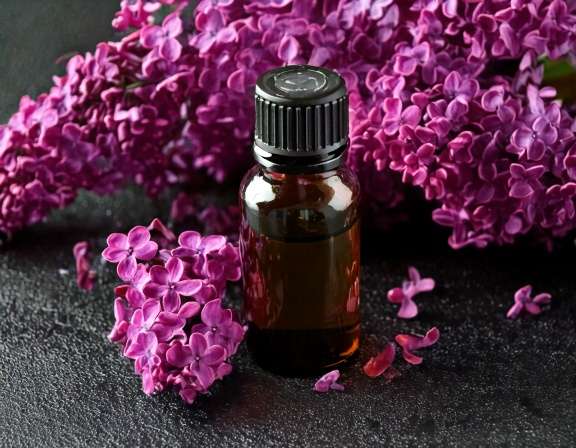
There’s one catch, though. True lilac essential oil is rare and often pricey because lilac blossoms don’t yield much oil through standard steam distillation. Because of that, many bottles sold as lilac oil are fragrance oil, lilac absolute, or a lilac-infused blend.
Lilac has a scent that stops people in their tracks. It smells soft, fresh, and a little nostalgic, like spring air drifting through an open window. That’s why so many people look for lilac essential oil benefits, hoping to bring that feeling into daily life.
That doesn’t make them useless. It simply means the label matters, and so does how you use the product. Let’s look at the real-world benefits, safe use tips, and easy recipes worth trying.
The top lilac essential oil benefits for mood, home, and self-care
Most people don’t reach for lilac oil because they want a strong herbal scent. They want something softer. Lilac brings a clean floral note that can make a space feel calmer and a routine feel more special.
That matters more than it sounds. Scent has a quick way of shaping the mood of a room. Still, the effect is personal, so one person may find lilac soothing while another simply finds it pleasant.
It may help you feel calm and relaxed
Floral aromas often show up in aromatherapy for one simple reason, they can feel gentle and comforting. Lilac fits that style well. It doesn’t have the sharp edge of some minty oils or the heavy feel of some rich florals.
For many people, lilac works best as an evening scent. You might diffuse it while reading, add it to a quiet bath routine, or breathe it in during a few slow breaths before bed. In that setting, the scent can help shift the room from busy to peaceful.
That said, lilac oil isn’t a treatment for anxiety, insomnia, or stress-related conditions. It’s better thought of as an atmosphere oil. Like soft lighting or clean sheets, it supports a calm moment without trying to do too much.
It makes DIY blends and home spaces smell fresh
Lilac also shines as a home fragrance. The scent feels airy, slightly green, and floral without being too sugary. Because of that, it can make a room smell fresh in a way that feels lived-in and welcoming.
In a diffuser, lilac pairs well with lavender, bergamot, cedarwood, and sweet orange. In a linen spray, it adds a spring-like note to bedding or curtains. You can also add a skin-safe lilac oil to unscented lotion or body oil for a light floral touch.
The biggest benefit here is emotional. A pleasant scent can change how a space feels. It won’t clean your house or fix your mood on its own, but it can make daily routines feel softer and more grounded.
How to use lilac oil safely and get the best results
Lilac products can be confusing because the name on the front of the bottle doesn’t always tell the full story. Before you diffuse, blend, or apply anything, check what’s actually inside.
Once you know the product type, safe use gets much easier.
Know what you are buying before you use it
True lilac essential oil is rare. If you find one, expect it to be expensive, and read the source details closely. Lilac absolute is more common. It’s made with solvent extraction, so it captures the scent of the flower in a different way.
Fragrance oil is another category. This is made for scent, not for therapeutic use, and it may be synthetic, natural, or mixed. Some fragrance oils work well in candles, room sprays, or soap. Many are not made for skin use or for aromatherapy diffusion.
An infused lilac oil is different again. That usually means lilac flowers were steeped in a carrier oil such as jojoba or sunflower oil. It’s much milder and often used for simple body care.
Quick tip: If the bottle says fragrance oil, treat it as a scent product unless the label clearly says it is skin-safe.
Simple safety tips for skin use and diffusing
If your lilac product is skin-safe, dilute it before use. A 1 percent dilution is a good starting point for most adults, which is about 6 drops per 1 ounce of carrier oil. For a stronger body blend, many people stay around 2 percent, or about 12 drops per ounce.
Patch testing is smart, especially with floral extracts and absolutes. Apply a small amount to the inside of your arm, then wait 24 hours. If your skin feels itchy, red, or warm, don’t keep using it.
For diffusion, less is usually better. Start with a few drops, follow your diffuser directions, and run it in a well-ventilated room for short periods, such as 15 to 30 minutes. Also use extra care around children, pets, and during pregnancy. When in doubt, keep the scent light and ask a qualified professional.
Easy lilac oil recipes to try at home
Lilac works best in simple blends. You don’t need a long ingredient list to enjoy it. In fact, a light hand often gives a better result because the floral note stays soft instead of turning heavy.
Before making any recipe, check the label so your product matches the use.
Relaxing lilac diffuser blend for quiet evenings
For a calm evening scent, add 2 drops lilac oil, 2 drops lavender, and 1 drop bergamot to your diffuser. If you want something warmer, swap the bergamot for 1 drop cedarwood.
This blend feels clean and restful, like fresh air in a quiet room. Start with fewer drops if your room is small or if you’re sensitive to floral scents. Then adjust next time if you want a fuller aroma.
If your bottle is a fragrance oil, only use it in a diffuser if the maker says that use is appropriate.
Lilac room spray or linen mist for a fresh floral scent
In a 2-ounce spray bottle, combine 1 1/2 ounces distilled water with 1/2 ounce witch hazel or high-proof alcohol. Then add 10 to 15 drops of lilac oil and shake well.
Mist it lightly into the air, on curtains, or on bed linens. Because oil and water separate, shake before each use. Also spot test fabric first, especially silk, satin, or dark delicate materials.
If your lilac product is fragrance oil, keep this spray for room use only unless the label says it’s safe for body products.
Soft floral roller blend for a personal scent
For a gentle roller blend, fill a 10 mL roller bottle with jojoba oil, leaving a little room at the top. Add 1 drop lilac, 1 drop vanilla oleoresin or jasmine, and 1 drop sweet orange. Then cap and roll the bottle between your hands to mix.
This makes a light personal scent with a soft floral center. Lilac gives it freshness, while the other notes round it out. Apply a small amount to pulse points only if every oil in the blend is skin-safe and properly diluted.
If you prefer a quieter scent, skip the orange and use 1 drop cedarwood instead. That version feels a little more grounded and less sweet.
What to expect from lilac oil, and what not to expect
Lilac oil has a clear lane, and that’s part of its charm. It shines in mood-setting, home fragrance, and simple self-care. If you want a scent that feels airy, floral, and comforting, it can be a lovely choice.
At the same time, it helps to keep expectations realistic. Lilac isn’t a cure-all, and it isn’t one of the most studied oils for direct health effects. Compared with oils like lavender or peppermint, the research base is limited, especially for true lilac oil because it’s so uncommon.
That doesn’t mean it lacks value. It means its best use is sensory, not medical. Think of lilac as a finishing touch. It can soften a routine, freshen a room, and make a blend feel more personal.
Above all, the product itself shapes the experience. A lilac absolute, a fragrance oil, and an infused oil may all smell good, but they are not the same thing. Once you know which one you have, you can use it with more confidence and get better results.
Lilac’s appeal has always been simple. It smells like a pause, a breath, a lighter room.
If that’s what you want, lilac oil can earn a place in your routine. Choose the right product type, keep safety in mind, and start small.
Try one easy recipe first, then notice how the scent fits your space, your mood, and your day.
Stay Connected for More Natural Living Inspiration
For more wellness tips, subscribe to the blog for weekly posts about essential oils, teas, and herbs. Want an ad free experience with DIY essential oil, herbal recipes and tips? Head here for a distraction free experience.
Thanks for stopping by!


Leave a Reply