
(DISCLAIMER: I am not a doctor, and you should consult your healthcare professional before starting any health regimen. Some links are commissioned and supports the blog)

Key Takeaways:
- Stress support: Spikenard’s calming properties and grounded scent may help you feel steadier during tense days.
- Bedtime calm: Often used in evening routines to help the mind slow down before sleep.
- Skin comfort: When well-diluted, it may support skin health and the look and feel of dry, stressed-looking skin.
- Scalp care: A few drops in a carrier oil can add a soothing, earthy note to oiling days.
- Massage wind-down: Common in neck and shoulder blends for end-of-day relaxation.
- Meditation and quiet focus: Used in spiritual practices to encourage a grounded mood.
- Safe use matters: Dilute, patch test, avoid eyes, and store properly in a cool, dark place.
- Realistic expectations: It can support wellness habits, but it doesn’t replace medical care.
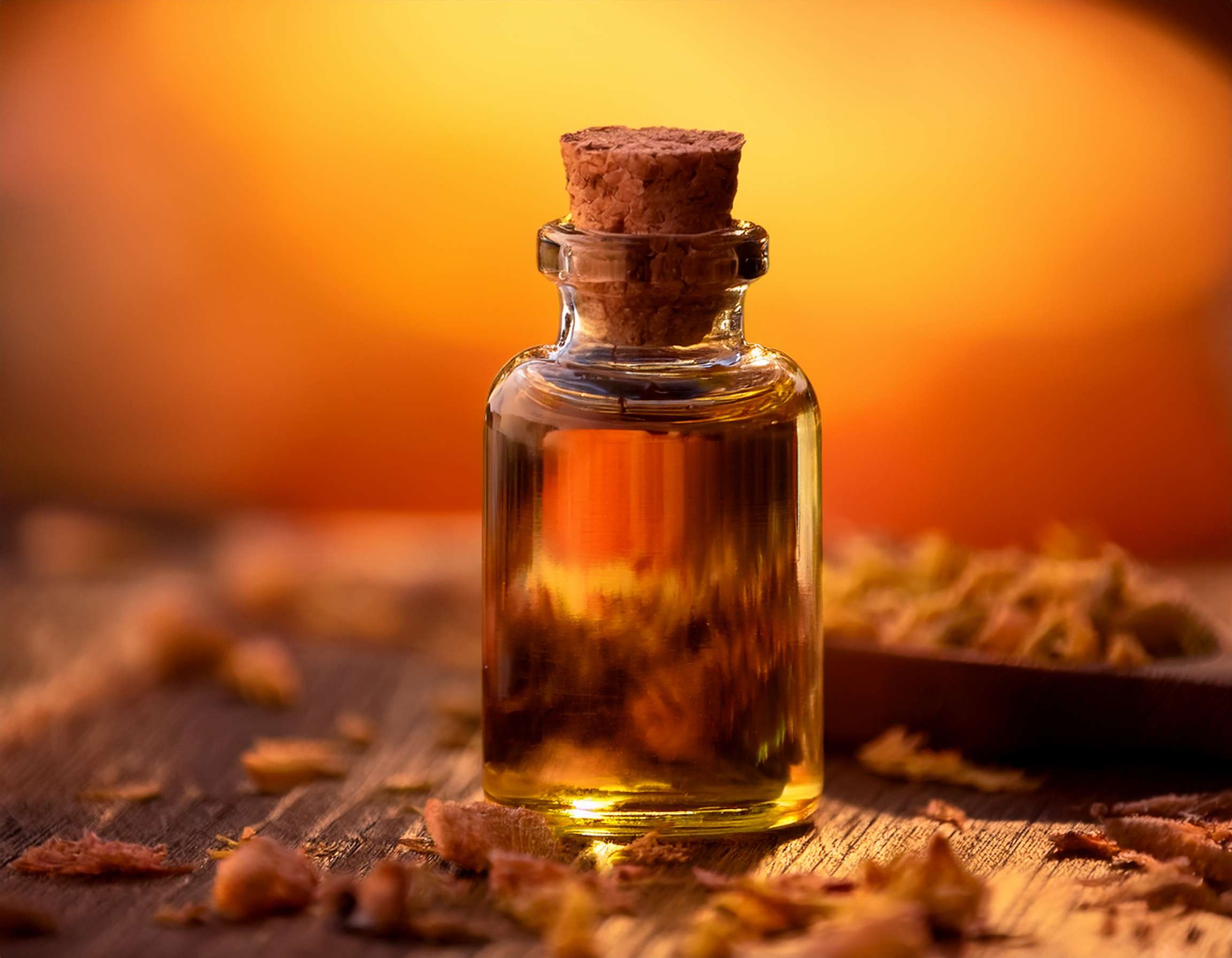
The first time you meet Spikenard essential oil, it doesn’t shout. It settles in, like damp forest soil after rain with a woody aroma, like worn cedar shelves in an old cabin. The scent is earthy, with a musky scent, and a little herbal, the kind of aroma that makes your shoulders drop before you realize they were tense. It’s a grounding aroma.
In this guide to spikenard essential oil benefits, you’ll learn what it’s traditionally used for, what limited research suggests, and how people use it in everyday routines for relaxation, skin comfort, and a calmer bedtime rhythm. You’ll also get clear safety steps, plus who should skip it or ask a professional first.
Spikenard can be a gentle companion in a wellness routine, but it isn’t a cure-all. Used with care, it can help you build small moments of ease.
What is spikenard essential oil, and why does it smell so calming?
Spikenard essential oil comes from Nardostachys jatamansi, a flowering plant that grows in the Himalayan mountains of Asia, including Nepal. The oil is usually distilled from the plant’s roots and rhizomes (the underground stem). That origin shows up in the aroma. Spikenard smells like earth and roots, with a soft, smoky green edge.
People have used spikenard for centuries, including in Ancient Egypt, in traditional wellness systems and in spiritual settings, where it’s linked with grounding and quiet reflection. In perfumery, it’s valued as a base note, the part of a scent that lingers close to the skin after brighter notes fade.
Most spikenard essential oil is steam distilled. Plant material is exposed to steam, the aromatic compounds lift with the vapor, then cool and separate into essential oil and hydrosol. The result is potent. A small amount goes a long way.
Why can a scent feel calming so fast? Smell has a direct route to parts of the brain tied to memory and emotion. Aromatherapy doesn’t need to be mysterious to be meaningful. If your body learns, “This smell means it’s safe to soften,” the response can become almost automatic.
Buying tips that help you avoid disappointment:
Look for the botanical name (Nardostachys jatamansi), a country of origin, and a dark glass bottle. When possible, choose a brand that offers third-party testing or a batch report and emphasizes sustainable sourcing. Spikenard is sometimes confused with other “nard” products, so label details matter.
Spikenard vs. valerian, vetiver, and frankincense: how they compare for relaxation
These oils can all be part of a calming routine, but they feel different in the air.
Valerian, from the Valerian family, tends to smell sharp, funky, and strong, and some people love it for nighttime blends while others can’t stand it. Vetiver is deep and smoky, like damp roots and burnt wood, and it can feel heavier than spikenard.
Frankincense is resinous and bright, with a clean, meditative tone that many people use for breath work and quiet focus. Spikenard sits in the middle. It’s earthy and grounding, but often softer than vetiver and less intense than many valerian blends.
If you want calm without a “perfumey” floral vibe, spikenard can be a good pick, especially paired with woods like cedarwood.
Spikenard essential oil benefits you can feel in everyday life
Research on spikenard essential oil in humans is still limited, so it’s best to treat these benefits as possible supports, not promises. Many of spikenard’s best-known uses come from aromatherapy practice and traditional use. The good news is that everyday routines don’t need big claims to be helpful. Small sensory cues can shift the mood of a whole evening.
Below are practical ways people use spikenard, plus simple safety notes to keep each method comfortable.
May ease stress and help you unwind after a long day
What it may support: A steadier mood, less emotional tension and “buzzing” in the body, and an easier transition from doing to resting.
How people use it: Try 2 to 3 drops in a diffuser when you get home, especially in the last hour of work or chores. If you don’t want a diffuser, place 1 drop on a tissue, hold it a few inches from your nose, and take a slow inhale.
A quick reset that pairs well with spikenard is a 30-second breathing practice: inhale for 4, hold for 2, exhale for 6, repeat twice. The scent becomes a cue, like turning down the lights.
Safety note: Avoid direct inhalation from the bottle if it stings or triggers a cough. Sensitive airways can react to concentrated vapors.
May support better sleep when used as part of a bedtime routine
What it may support: A calmer pre-sleep mood and fewer racing thoughts at bedtime.
How people use it: Diffuse spikenard for 30 to 60 minutes before sleep to enjoy its calming properties, then turn the diffuser off. Many people like it blended with lavender or cedarwood in aromatherapy, which can round out the earthy note.
If you like pillow sprays, keep the formula light and avoid soaking fabric. Mist away from your face and let it dry before lying down. Some oils can stain, so test on a corner first.
If you enjoy exploring other scent styles for home routines, you might also like these eucalyptus essential oil benefits for a fresher, more clearing aroma on days you feel heavy.
Safety note: Ongoing insomnia can have many causes (stress, hormones, sleep apnea, medication). If sleep problems keep going, talk with a clinician.
Skin-soothing support for dry, stressed-looking skin
What it may support: The look of calmer skin and a more comfortable feel when dryness makes skin seem tight or “tired,” with anti-inflammatory and antibacterial support.
How people use it: Add spikenard to a simple face or body oil. For the face, aim for 0.5 to 1% dilution (about 1 to 2 drops per 2 teaspoons of carrier oil). For the body, 1 to 2% is common (about 2 to 4 drops per 2 teaspoons).
Jojoba and argan oil pair nicely with spikenard’s earthy scent and feel light on the skin. Apply to damp skin after a shower for a softer finish.
Safety note: Patch test first, especially on facial skin. Spikenard isn’t generally known as a phototoxic oil, but sun safety still matters. Use sunscreen and avoid intentional sun exposure after applying any new oil blend.
Scalp and hair care: a grounding add-in for oiling days
What it may support: A more soothing scalp massage experience and a calmer “self-care” feel during hair routines.
How people use it: Mix 1 to 2 drops per tablespoon of carrier oil (like jojoba, fractionated coconut, or argan) for safe topical application. Part your hair in sections, apply a small amount to the scalp, then massage with slow pressure for 2 to 3 minutes.
Let it sit for 20 to 60 minutes, then shampoo well. If your hair holds oil easily, double shampoo or use a gentle clarifying wash.
For more ideas on scalp-friendly oils and blends, this guide on essential oils for hair growth can help you build a routine that fits your hair type.
Safety note: Avoid use on broken skin, and keep oils away from eyes. If you have an itchy rash or flakes that don’t improve, consider checking in with a dermatologist.
Massage and post-workout wind-down
What it may support: A calmer body after activity, especially when tension or muscle aches settle into the neck, shoulders, or lower back. Spikenard won’t “fix” soreness, but it can support relaxation, which often changes how discomfort feels.
How people use it: Add spikenard to a neck and shoulder massage oil. Many people keep it simple: carrier oil plus spikenard, maybe with a touch of lavender and frankincense if they like a warmer scent.
If massage is part of your routine for aches and stiffness, you may also like this practical guide on essential oils for joint pain relief, which covers safe application basics and blend ideas.
Safety note: Don’t use essential oils on children without proper guidance. Avoid during pregnancy unless a qualified professional who knows your health history says it’s appropriate.
How to use spikenard essential oil safely (and get the best results)
Spikenard is powerful in a small bottle. Less is more. Overdoing it can turn a calming scent into a headache.
For most adults, these methods are common:
- Diffuser: Start with 2 to 4 drops of Spikenard essential oil in a water-based diffuser for a medium room. Run it in short sessions.
- Personal inhaler: Add 5 to 10 drops to the cotton wick inside an inhaler tube, then inhale gently from a short distance.
- Roller blend: A 10 ml roller is a neat way for topical application to wrists or the back of the neck without mess.
- Bath: Never drop essential oils straight into bathwater. They float and can irritate skin. Mix 2 to 4 drops into a dispersant (like unscented liquid soap or a carrier oil) for proper dilution before adding.
- Topical use: For most body applications, 1 to 2% dilution is a safe starting point. For sensitive skin or facial use, stick to 0.5 to 1%.
Quality and storage help results, too. Choose pure essential oil, keep the cap tight, store away from heat and sunlight, and avoid leaving bottles in steamy bathrooms.
Be extra cautious if you are pregnant, breastfeeding, managing asthma, using sedating medications, or if you have pets (especially cats). Diffuse in a well-ventilated space, and make sure animals can leave the room.
Easy starter recipes: diffuser blends and a calming roller
Start small and keep drop counts modest.
Diffuser blend 1 (medium room):
3 drops Spikenard essential oil + 2 drops lavender (total 5 drops)
Diffuser blend 2 (small room):
2 drops spikenard + 2 drops cedarwood (total 4 drops)
Calming roller (10 ml):
Add 2 drops spikenard, then fill with jojoba oil (about a 1% dilution). Roll onto wrists or the back of the neck, then wait 10 minutes to see how it feels.
Label and date your blends. Stop use if irritation shows up.
When to skip spikenard and talk to a professional first
Stop using spikenard and get help if you notice:
- Allergic reactions (hives, swelling, wheezing)
- Headaches or nausea that start after diffusing or topical use
- Skin burning or a hot, stinging rash
- Strong sleepiness that affects driving or work safety
Medication interactions are possible with essential oils, especially if you take sedatives or sleep aids. A pharmacist or clinician can help you check for risks based on your meds and health history.
Final thoughts on spikenard essential oil benefits
Spikenard essential oil brings a quiet kind of support: a grounding aroma for stress, a soft nudge toward better sleep habits, and a comforting addition to skin, scalp, and massage routines. The best results come from simple use, not a complicated plan.
Start with one small step, like a short diffuser session or a well-diluted roller on your wrists. Keep the basics in place: dilute, patch test, go slow, and stop if your body says no.
Choose a quality bottle, track how you feel for a week, and adjust from there. Spikenard essential oil works best when it becomes part of your rhythm, like meditation for grounding routines, lowering the lights, and letting the day finally end.
Stay Connected for More Natural Living Inspiration
If you enjoyed this post about essential oils and love discovering natural ways to refresh your home and wellness, don’t miss out on future recipes and clean-living tips! Subscribe to the blog for weekly DIYs, wellness inspiration, and herbal remedies delivered straight to your inbox.
Tap here for more essential oil products, essential oil blends, natural recipes, plus some ambience videos for your sleeping pleasure.
Thanks for coming by!


Leave a Reply