

(DISCLAIMER: I am not a doctor, and you should consult your healthcare professional before starting any health regimen. Some links are commissioned and supports the blog)

Tired of reaching for over-the-counter painkillers every time your joints ache? You’re not alone. Whether it’s arthritis, stiffness, or post-workout soreness, many people are turning to essential oils for joint pain relief as a safer, natural alternative. With anti-inflammatory and circulation-boosting benefits, oils like ginger, frankincense, and eucalyptus may offer real relief, without the side effects often associated with pharmaceutical options.
Additionally, the aromatic properties of these oils can provide a calming effect, which can further enhance overall well-being during painful episodes. In this post, I’ll explore the best oils for soothing discomfort in detail, how to use them safely to maximize their benefits, and DIY blend ideas to try at home, so you can create personalized remedies tailored to your needs. Embracing these natural solutions not only addresses pain but also promotes a holistic approach to health and wellness.
Ready to feel better naturally? Check out my LinkTree shop for pain relief oils, rollers, and soothing herbal support.
Understanding Essential Oils and Their Benefits
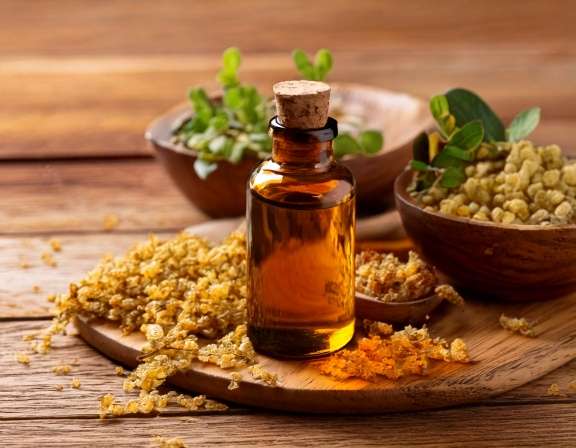
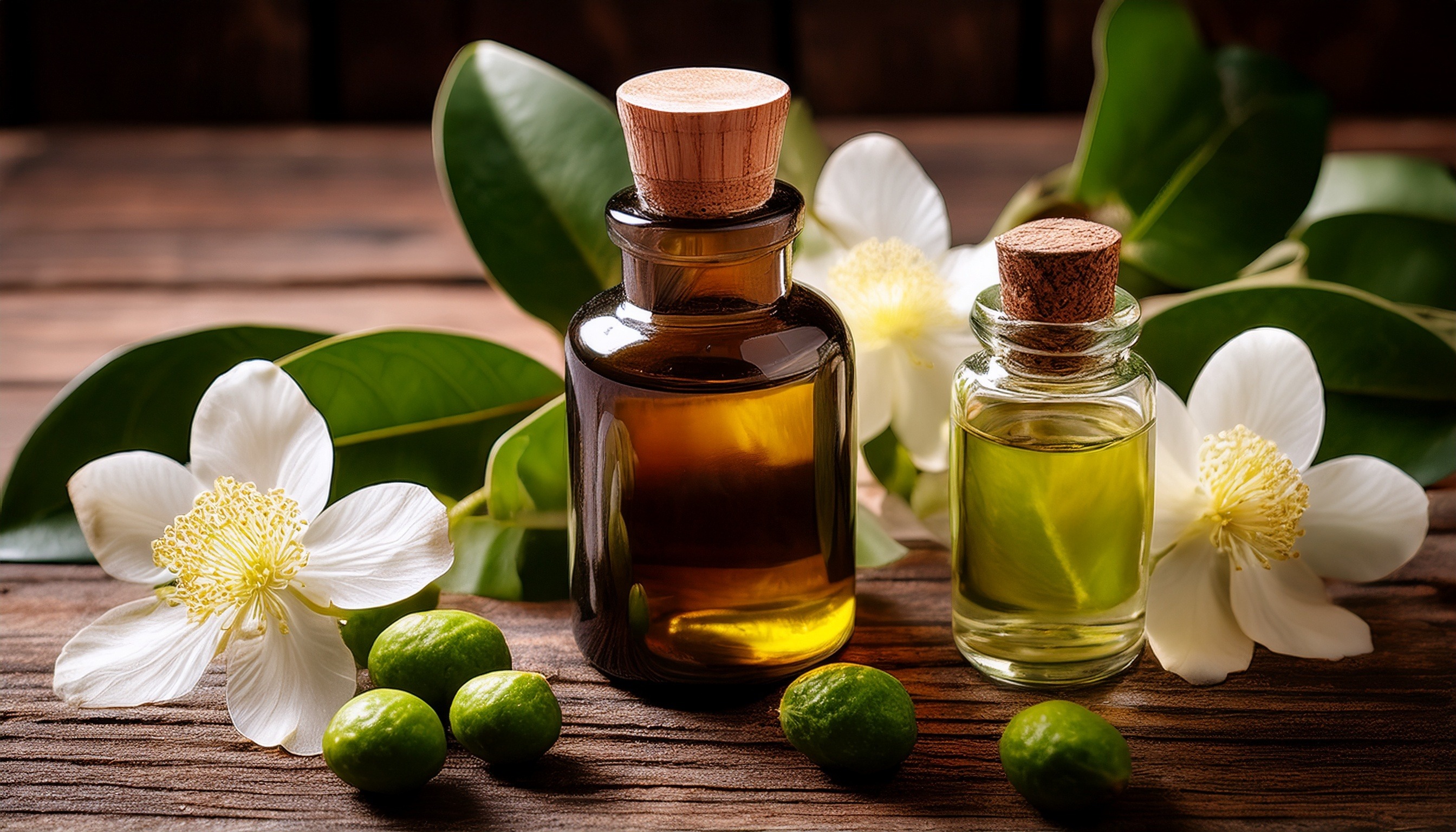
Essential oils are highly concentrated plant extracts that capture the natural benefits of flowers, leaves, bark, and roots. These oils are often used in natural remedies for their calming, anti-inflammatory, and therapeutic properties. From inhalation through diffusers to topical applications, essential oils have become a go-to for those seeking holistic solutions for their health concerns.
How Essential Oils Work for Pain and Flexibility
So, how do these oils help with pain and flexibility? Their benefits come down to their chemical composition. Many essential oils contain compounds like terpenes and phenols, which boast anti-inflammatory and analgesic properties. These compounds work to reduce swelling, relax muscle tension, and improve circulation, all of which are crucial for easing stiffness and enhancing flexibility.
Common Essential Oils for Joint and Muscle Support
Some essential oils are more effective than others when it comes to addressing issues like arthritis, back pain, and muscle soreness. Here are a few popular options:
- Lavender: Known for its calming effects, lavender oil can reduce tension and help with muscle relaxation. It’s especially effective for stress-induced pain.
- Eucalyptus: This oil has anti-inflammatory and cooling properties, making it an excellent choice for relieving muscle and joint pain.
- Rosemary: Often used for improving circulation, rosemary oil can help reduce aches and stiffness in the muscles and joints.
- Peppermint: A favorite for its cooling sensation, peppermint oil works to soothe sore muscles and alleviate pain.
- Ginger: Ideal for chronic conditions, ginger oil has warming properties that enhance blood flow and diminish stiffness.
Essential Oil Application Methods for Better Flexibility
To get the most from essential oils, it’s important to use them correctly. The following methods are simple yet effective for improving joint and muscle flexibility.
Topical Application and Massage
Dilution is key when applying essential oils to your skin. Always mix a few drops of your chosen essential oil with a carrier oil, such as coconut or jojoba oil. This not only reduces the risk of skin irritation but also helps the oil absorb better. Massaging the diluted oil into the affected area can loosen tight muscles and improve flexibility. It’s a targeted approach with immediate benefits.
Inhalation and Aromatherapy
Inhaling essential oils through a diffuser or steam can influence your perception of pain while promoting relaxation. For example, diffusing lavender or eucalyptus oil can create a calming atmosphere that eases tension.
Bath Blends for Relaxation and Relief
Adding essential oils to your bath offers full-body muscle relaxation and joint relief. Mix a few drops of essential oil with Epsom salts before adding it to your bathwater. This combination provides a soothing soak that targets stiffness while promoting overall relaxation.
Essential Oils in Managing Chronic Conditions
If chronic conditions like arthritis, carpal tunnel syndrome, or back pain are a constant struggle, certain essential oils may help alleviate symptoms when combined with other treatments.
Targeted Relief for Arthritis Symptoms
Arthritis often comes with inflammation and stiffness that make movement difficult. Essential oils such as ginger and lavender are excellent for reducing both. Their warming and anti-inflammatory properties can bring relief when massaged into affected joints.
Soothing Carpal Tunnel Syndrome Discomfort
Carpal tunnel syndrome causes discomfort that can interfere with daily tasks. Oils like peppermint and eucalyptus are known for relieving pain and reducing swelling. Applying these oils with a gentle massage can help ease wrist tension.
Easing Chronic Back Pain Naturally
For chronic back pain, oils like rosemary and peppermint improve circulation and promote muscle relaxation. A massage with these oils can work wonders for tight or overused muscles in the back.
Safety Tips and Precautions
As beneficial as essential oils are, you must use them mindfully to avoid potential side effects.
Patch Testing and Skin Sensitivities
Skin sensitivity varies from person to person. Before using any essential oil, do a patch test on a small skin area. This ensures you won’t experience irritation or an allergic reaction during regular use.
Precautions for Specific Groups
Pregnant women, breastfeeding mothers, and children should consult a healthcare professional before using essential oils. Some oils may not be safe for these groups, so it’s better to err on the side of caution.
Conclusion
Using essential oils for joint pain relief can be a powerful, holistic way to ease daily discomfort and improve mobility. The therapeutic properties of these natural extracts can significantly contribute to overall well-being. From soothing inflammation to supporting circulation, oils like lavender, marjoram, and frankincense offer a gentle yet effective alternative to synthetic pain solutions. Lavender, for instance, not only aids in relaxation but also has anti-inflammatory properties that can help diminish joint swelling. Marjoram is known for its muscle-relaxing qualities, which can be beneficial after a long day or intense physical activity, while frankincense has been praised for its ability to improve blood flow and alleviate discomfort.
Whether you’re making a massage blend, roll-on, or diffuser mix, consistency is key to feeling the benefits. Incorporating these oils into a daily routine, perhaps through regular massage or aromatherapy sessions, can lead to enhanced relief and a more active lifestyle, allowing you to enjoy each moment without the burden of pain.
Want to stock up on ready-to-use blends or therapeutic oils? Visit my LinkTree for curated tools to support your joint health, naturally and safely.
Stay Connected for More Natural Living Inspiration
If you enjoyed this post about essential oils and herbs, and love discovering natural ways to refresh your home and wellness, don’t miss out on future recipes and clean-living tips! Subscribe to the blog for weekly DIYs, wellness inspiration, and herbal remedies delivered straight to your inbox.
Thanks for coming by!


Leave a Reply