
(DISCLAIMER: I am not a doctor, and you should consult your healthcare professional before starting any health regimen.)

Key takeaways
- Wild yam usually refers to Dioscorea species used in herbal products, often the root.
- Common claims include support for menstrual comfort, menopause symptoms, digestive upset, and general wellness.
- Traditional herbal use and modern clinical proof are not the same thing, and strong human evidence is limited.
- Over-the-counter wild yam creams do not naturally turn into progesterone in the body.
- Talk with a healthcare professional before using wild yam if you’re pregnant, breastfeeding, taking hormone-related medicines, or managing a medical condition.
Wild yam is a climbing plant whose root has a long place in herbal traditions. People often turn to it for wellness support, especially around menstrual changes, menopause, and cramping. Still, a long history of use is not the same thing as solid medical proof.
That gap matters. Wild yam is often sold with hormone-focused messaging, yet many shoppers don’t know what the research actually says. This guide covers what wild yam is, its common uses, the limits of the evidence, safety concerns, and how to choose a product with clear eyes.
What wild yam is and how it has been used in herbal wellness
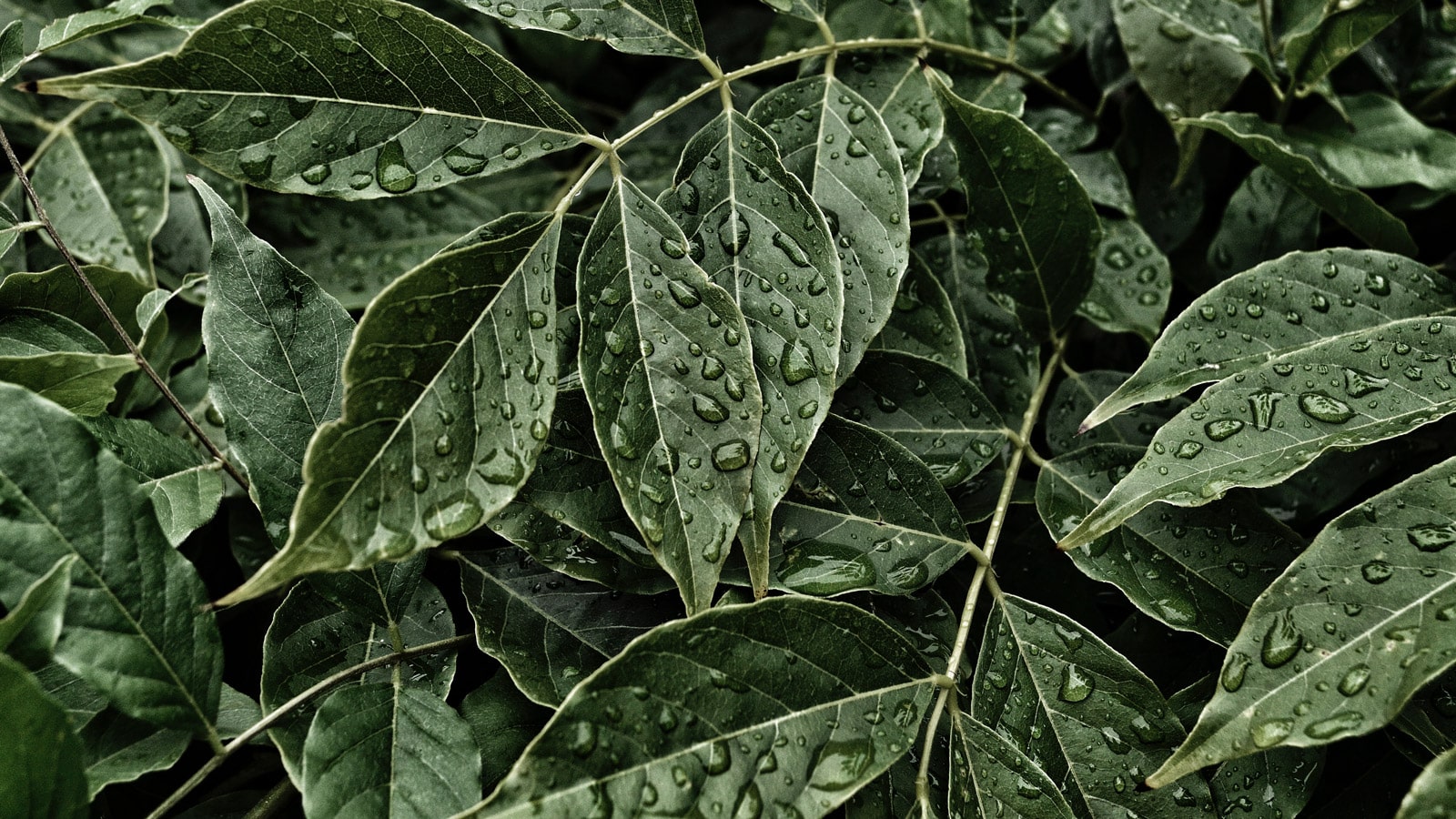
Wild yam is the common name for several plants in the Dioscorea group. In herbal products sold in the US, it often refers to Dioscorea villosa root. The root is the part most often dried, powdered, extracted, or infused.
For generations, herbal traditions used wild yam for cramping and stomach upset. It also showed up in formulas for menstrual discomfort, pelvic tension, and general digestive complaints. In that sense, wild yam earned a reputation as a soothing herb rather than a quick fix.
That history is useful, but it has limits. Traditional use tells us how people have used a plant over time. It does not prove the plant works in the same way modern ads may suggest.
Another point often gets lost. Wild yam as an herb is not the same as a prescription hormone product. They may be connected by chemistry in a lab, but they are not interchangeable on your bathroom shelf.
Wild yam root, diosgenin, and the biggest source of confusion
The biggest point of confusion is diosgenin, a plant compound found in some wild yam species. Scientists can use diosgenin in a lab as a starting material to make steroid hormones. That fact is real, but it’s also where marketing often outruns biology.
Your body does not take wild yam cream or a wild yam capsule and turn it into progesterone on its own. Human bodies do not perform that lab conversion. In other words, applying a cream with wild yam extract is not the same as using progesterone cream.
Wild yam is not progesterone, and wild yam cream does not act like prescription hormone therapy.
That doesn’t mean the herb has no value at all. It means shoppers should separate traditional herbal use from hormone claims that sound more certain than the evidence supports.
This distinction matters most for women shopping for symptom relief. If a label hints that a product can replace hormone therapy, pause and read carefully. That’s a red flag, not a small detail.
Why wild yam shows up in creams, capsules, teas, and tinctures
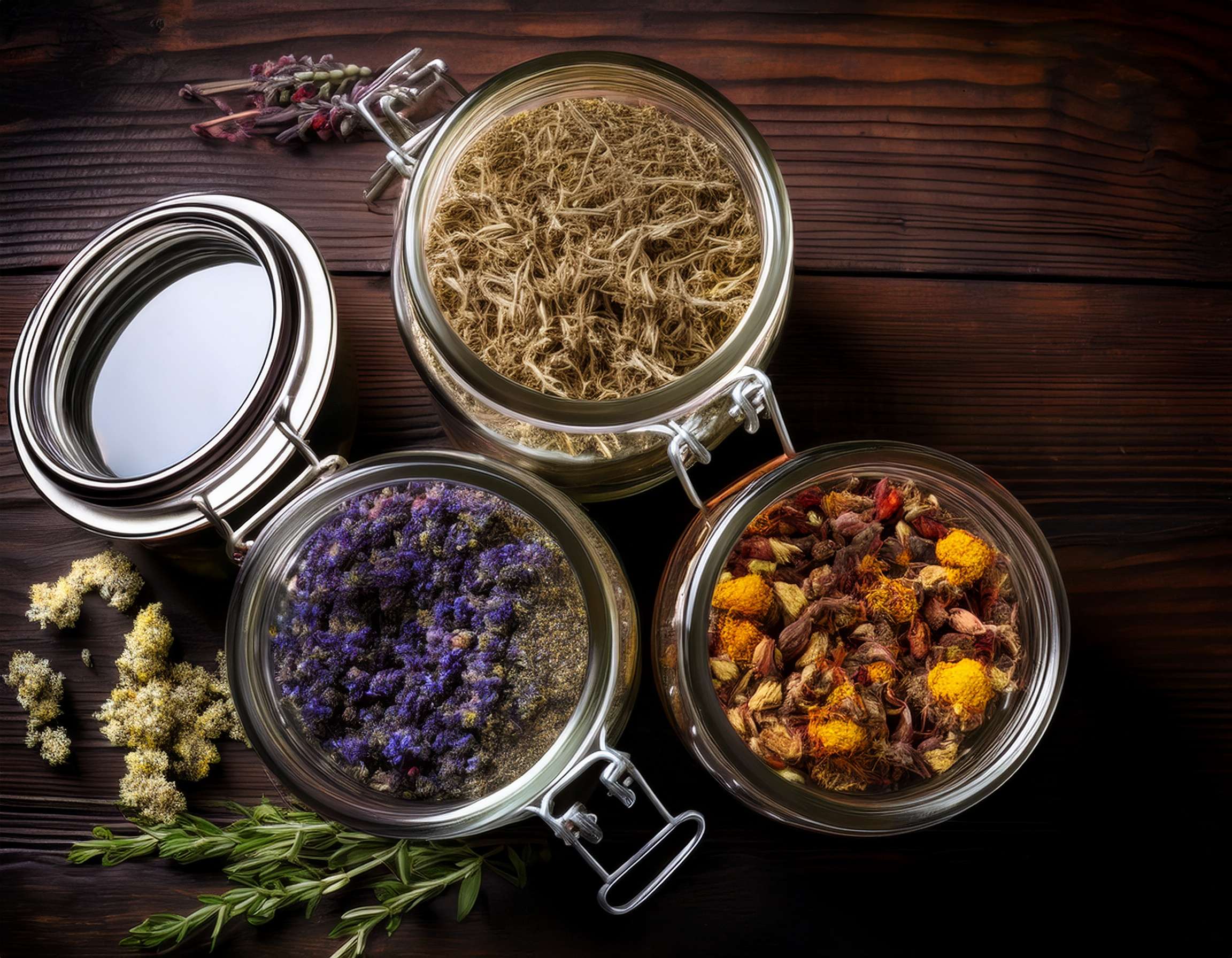
Wild yam comes in several forms, and each one is marketed a little differently. Creams usually target women’s wellness and menopause support. Capsules often promise broader herbal support. Teas and tinctures tend to lean into old-fashioned digestive and cramp formulas.
Brands also market wild yam for joint comfort, muscle tension, and general balance. Some of that language comes from older herbal traditions. Some of it comes from modern wellness branding. Those are not always the same thing.
Creams appeal to people who want a simple topical product. Capsules are popular for convenience and dose consistency. Teas feel gentle and familiar, while tinctures appeal to shoppers who prefer liquid extracts.
If you’re browsing these products, pay close attention to what the label actually says. Words like “supports” and “balances” can sound reassuring, but they don’t prove a benefit. Good labels explain the herb clearly and avoid making wild promises.
Possible wild yam benefits, and what the research really says
Wild yam sits in that wide space between tradition and hard proof. Many of its claimed benefits come from herbal history, small studies, and product marketing. Human research is still limited, so expectations should stay modest.
That doesn’t make the herb useless. It means the best way to view wild yam is as a traditional wellness herb with uncertain modern evidence. For some people, that’s enough reason to try it carefully. For others, especially those with strong symptoms, it’s not enough to rely on alone.
Menstrual comfort and menopause support, promise versus proof
Wild yam is often used for cramps, cycle discomfort, hot flashes, and other menopause complaints. That use makes sense historically because herbalists often reached for it when smooth muscle tension or lower abdominal discomfort was part of the picture.
Still, the proof is not strong. Studies in humans are limited, and results have been mixed. Some people report personal relief, yet that isn’t the same as a well-run clinical trial showing clear benefit.
This is also where the hormone myth gets loudest. Some products imply that wild yam creams can raise progesterone or work like hormone replacement. That is not supported by the body’s actual chemistry.
For menopause symptoms like hot flashes, some people prefer a broader self-care plan that may include sleep support, stress management, cooling habits, and other plant-based options. If that sounds familiar, DI Writes also has a guide to best essential oils for hot flashes that fits nicely into a non-hormonal routine. For cramp-focused comfort, supportive measures like heat and topical self-care may feel more realistic than expecting wild yam to do everything on its own, and marjoram oil for menstrual cramps is another option some readers explore.
The bottom line is simple. Wild yam may appeal to people seeking gentle support, but it should not be expected to work like prescription hormone therapy.
Digestive and antispasmodic uses in traditional herbal practice
Wild yam also has a history as a digestive herb. Older herbal texts often mention it for intestinal cramping, gas, and abdominal discomfort. In plain language, it was seen as a plant that might help when the gut felt tight, restless, or unsettled.
That traditional antispasmodic reputation is one reason it still shows up in wellness conversations today. The idea is easy to grasp. When digestion feels like a clenched fist, herbs that are thought to relax tension can sound appealing.
However, modern clinical proof here is also thin. There is not enough strong human evidence to say wild yam is a proven answer for digestive discomfort. At best, it remains a traditional option with a long record of use.
If your goal is general digestive comfort, you may want to compare wild yam with more familiar kitchen and tea herbs. For example, DI Writes has helpful guides on best digestive teas for gut comfort and natural digestion support with ginger. Those may give you a wider view of gentle, plant-based support.
How to use wild yam safely
Natural doesn’t always mean risk-free. That’s true for herbs, essential oils, and supplements alike. Wild yam may sound mild, but smart use still matters.
Start with the label. Check the plant name, serving size, and directions. If the product is a cream, look for how much wild yam extract it contains and what else is mixed in. If it’s a capsule or tincture, note the amount per serving and whether other herbs are included.
Also, pay attention to how you feel. If a product causes irritation, stomach upset, or unusual symptoms, stop using it. Ongoing pain, heavy bleeding, severe hot flashes, or new hormone-related symptoms deserve proper medical care, not guesswork.
Common side effects, precautions, and who should avoid it
Some people tolerate wild yam without major problems. Others may notice mild stomach upset, nausea, or digestive discomfort, especially with oral products. Topical creams can also irritate sensitive skin.
Pregnancy and breastfeeding are two big caution areas. There isn’t enough strong safety data to call wild yam safe in either case. Because of that, most cautious guidance says to avoid it unless a qualified healthcare professional says otherwise.
Extra caution also makes sense for people with hormone-sensitive conditions. The same goes for anyone taking birth control, hormone therapy, fertility drugs, or other hormone-related medicines. Even if wild yam does not become progesterone in the body, products in this category may still raise important questions about fit and safety.
If symptoms are ongoing, hormone-related, or getting worse, stop self-treating and get medical advice.
Long-term use is another gray area. Since strong safety data is limited, it makes sense to get professional guidance before using wild yam for weeks or months at a time.
How to choose a quality wild yam product
A good wild yam product should be easy to understand. Look for the full ingredient list, the plant part used, and the amount per serving. If the label hides the details, move on.
Third-party testing is a plus because it adds another layer of trust. So does a company that explains where the herb comes from and how the extract is made. Clear labeling doesn’t guarantee a result, but it does lower the odds of buying something vague or misleading.
Be wary of products that imply hormone replacement without saying so plainly. Phrases like “natural progesterone support” or “bio-identical style balance” can blur the truth. A label should not make you feel like you’re reading a riddle.
It’s also smart to choose the form that matches your goal. If you want a traditional herbal approach, a capsule, tea, or tincture may make more sense than a cream sold with hormone-heavy language. On the other hand, if you prefer topical use, patch test first and watch for redness or itching.
Finally, keep your expectations grounded. A quality product is not one that promises the moon. It’s one that tells you exactly what it is.
The bottom line on wild yam
Wild yam has a long history in herbal wellness, and that history still interests many people today. At the same time, modern evidence for many of its popular claims remains limited, especially around hormones and menopause. Use wild yam thoughtfully, choose products with honest labels, and talk with a healthcare professional when symptoms are persistent, strong, or hormone-related. In short, this herb may have a place in careful self-care, but it shouldn’t replace informed medical guidance.
Stay Connected for More Natural Living Inspiration
If you enjoyed this post about herbal wellness and love discovering natural ways to refresh your home and wellness, don’t miss out on future recipes and clean-living tips! Subscribe to the blog for weekly DIYs, wellness inspiration, and herbal remedies delivered straight to your inbox.
Don’t forget to visit my Amazon storefront for the links to my favorite essential oils, herbal teas, and natural recipes. I also create YouTube ambiance videos for sleeping; a channel I created to help people who have trouble sleeping. The link to all social media content is here.
Thanks for coming by!
Don’t forget to visit my Amazon storefront for the links to my favorite essential oils, herbal teas, and natural recipes. I also create ambiance videos for sleeping on YouTube; a project I created to help with insomnia symptoms, and I also have a second channel, Rooted in Nature; both channels feature herbal recipes for wellness and home. The link to all social media content is here.
Thanks for coming by!

Leave a Reply