
(DISCLAIMER: I am not a doctor, and you should consult your healthcare professional before starting any health regimen.)

Key takeaways about hawthorn
- Hawthorn is a thorny shrub or small tree in the rose family.
- People use the berries, leaves, and flowers in herbal teas, tinctures, capsules, and extracts.
- Its best-known traditional use is heart and circulation support.
- Hawthorn is often chosen for gentle, long-term herbal support, not quick relief.
- Anyone taking heart or blood pressure medicine should talk with a healthcare professional before using it.
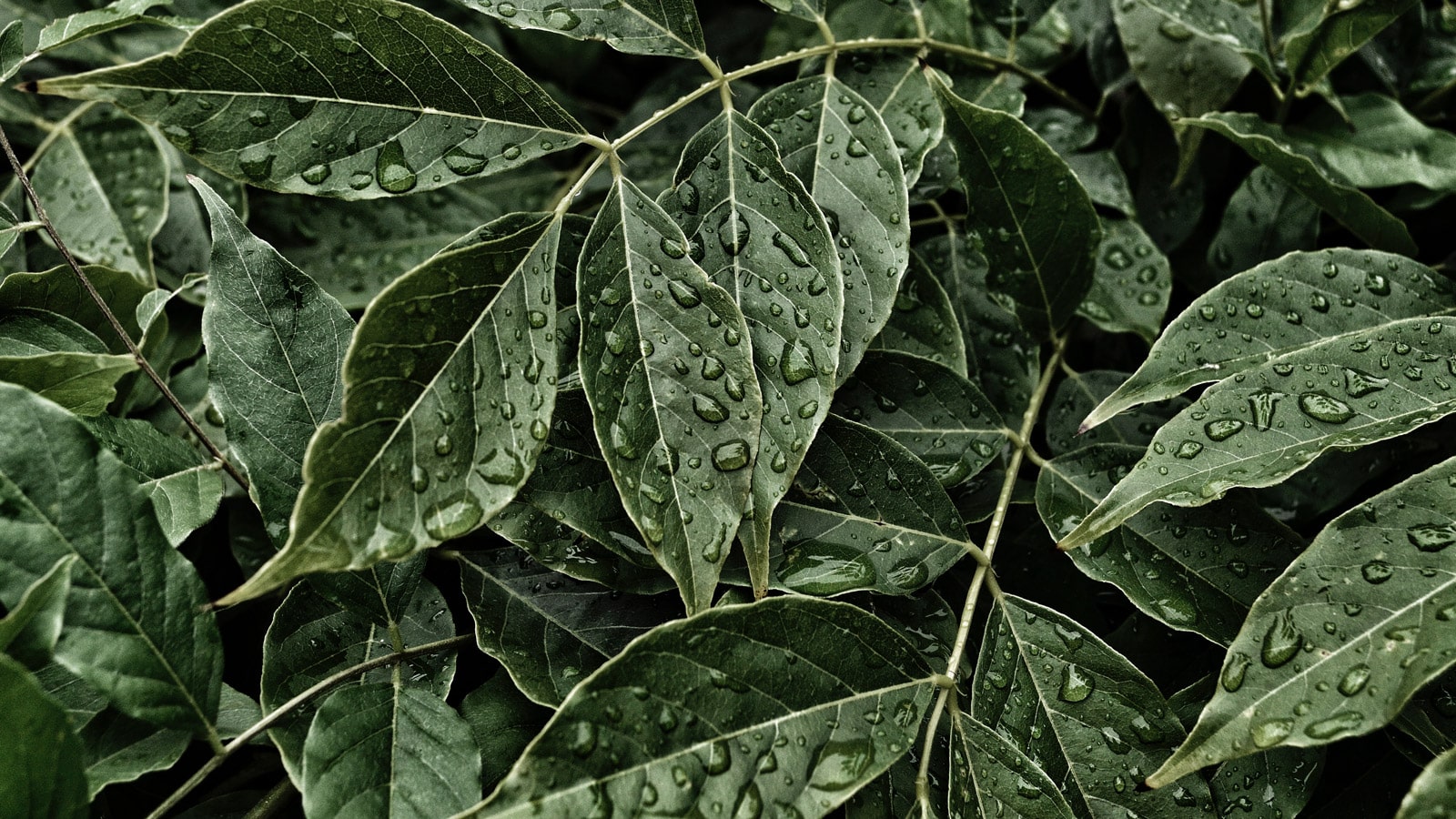
If you enjoy herbs, teas, and gentle wellness routines, hawthorn is worth knowing. This thorny shrub, or small tree, belongs to the rose family. Its berries, leaves, and flowers have a long history in herbal practice, especially for heart and circulation support.
Today, hawthorn still gets attention from herbalists and wellness-minded readers because it sits at the meeting point of tradition and modern interest. It is not a magic fix, and it is not a substitute for medical care. Still, many people use it as part of a steady, thoughtful approach to daily well-being. If you like learning about simple plant-based habits, you may also enjoy these herbal teas for anxiety relief.
This guide covers what hawthorn is, how it may work, possible benefits, common forms, safety concerns, and easy ways to use it at home.
How hawthorn works in the body and why it matters
Hawthorn contains plant compounds that help explain its long-standing herbal use. The best known are flavonoids and other antioxidant compounds, including procyanidins. In plain terms, these are natural chemicals that help protect cells from daily wear and tear.
That matters because the heart and blood vessels face constant work. They move blood, oxygen, and nutrients every minute of the day. Herbalists often connect hawthorn with this system because its compounds appear to support healthy circulation and help the body handle oxidative stress.
Research on hawthorn has focused most on cardiovascular wellness. Some studies suggest it may support normal blood flow and help maintain healthy heart function in certain settings. At the same time, results vary, and hawthorn should not be treated like a cure. It fits better into the category of supportive herb than emergency remedy.
Think of it like tending a garden. A plant won’t thrive from one splash of water. It does better with steady care over time. Hawthorn is often approached in that same slow, nourishing way.
The parts of the plant people use most
Different hawthorn products use different parts of the plant. That can confuse beginners at first.
The berries are the best known. They are often dried for tea, made into syrup, or used in extracts. Many people think of them first because of their bright red color and long herbal history.
The leaves and flowers are also valued. In many herbal traditions, these parts are used together, especially in spring and early summer harvests. Some herbalists prefer leaf and flower for daily support, while others like berry-based products later in the year.
Many formulas combine all three parts. That blend is common because each part has a place in herbal practice. When you buy hawthorn, it helps to check the label so you know exactly what you’re getting.
Why hawthorn is linked with heart and circulation support
Hawthorn’s reputation comes from both tradition and research. For generations, herbal systems in Europe and other regions used it as a tonic for the heart. That use continues today, mostly in the context of mild, supportive care.
Modern interest centers on how hawthorn compounds may help with blood vessel tone, circulation, and antioxidant protection. Some findings suggest it may support the heart’s normal pumping action and help maintain healthy blood flow. Those effects are part of why hawthorn is often discussed in heart wellness circles.
Still, measured language matters here. Hawthorn may support cardiovascular health, but it does not replace a diagnosis, prescribed treatment, or urgent medical help. If someone has chest pain, fainting, or sudden shortness of breath, herbs are not the right first step.
Potential hawthorn benefits, from heart support to everyday wellness
Most readers ask one thing first: what can hawthorn actually do? The honest answer is that its main use stays fairly focused. Hawthorn is best known for heart and circulation support, while other possible benefits are more secondary.
That narrow focus is helpful. It keeps expectations realistic. Hawthorn is not one of those herbs claimed to do everything. Instead, it is usually chosen for a few specific reasons, then used with patience.
What hawthorn may do for heart health
Hawthorn may help support normal circulation and gentle cardiovascular function. That is its best-known role, both in traditional herbalism and in much of the research around it.
For some people, hawthorn is used as a nourishing tonic rather than a short-term fix. Herbalists often describe it as a plant that supports the heart over time. The goal is not to force the body, but to offer steady support.
Some evidence suggests hawthorn may help with blood flow and exercise tolerance in certain cases. There is also interest in how it may help the body respond to oxidative stress, which matters because oxidative stress can affect the heart and blood vessels.
Still, limits matter. Hawthorn is not a stand-in for emergency care, heart testing, or prescription treatment. If you have a diagnosed heart condition, talk with your clinician before adding it. That step is especially important if you already take medicines that affect heart rhythm or blood pressure.
Herbal support can be useful, but it is never the right response to sudden chest pain or breathing trouble.
Other possible benefits people ask about
People also ask about hawthorn for antioxidant support, stress-related tension, and general wellness. Those questions make sense because hawthorn is often taken as a calming daily herb.
Some users say hawthorn tea feels grounding and gentle, especially as part of an evening ritual. That may have as much to do with the pause, warmth, and habit as the plant itself. In addition, antioxidant-rich herbs can fit well into a broad wellness routine.
Those uses are more supportive than specific. In other words, hawthorn shines most when the focus stays on the heart and circulation.
How to use hawthorn safely in tea, tincture, and other forms
Hawthorn comes in several forms, so you can choose what fits your routine. Tea works well for people who enjoy a slow herbal ritual. Tinctures suit those who want convenience. Capsules and standardized extracts appeal to readers who prefer a simple, measured product.
No single form is best for everyone. A lot depends on taste, budget, and how often you plan to use it.
Common ways to take hawthorn
Tea is one of the most traditional options. Berry tea has a mild, fruity, slightly tart flavor. Leaf and flower tea is lighter and more grassy. Many people like tea because it turns the herb into a calm daily practice rather than another pill.
Tincture is popular because it is concentrated and easy to take. It also works well for people who do not want to simmer berries or brew tea every day.
Capsules offer convenience and skip the taste. They can be useful when you want consistency, though quality matters a lot.
Extracts and syrups are also available. Syrups may be more pleasant for those who dislike bitter herbs, while extracts often appeal to experienced herbal users.
If you enjoy rotating different herbal drinks through the week, these top teas to ease digestion naturally can round out a gentle tea cabinet.
Safety, side effects, and who should ask a doctor first
Hawthorn is often described as well tolerated, but that does not mean it is risk-free. Some people report mild side effects such as nausea, dizziness, headache, tiredness, or stomach upset.
The bigger concern is interaction with medicines. Hawthorn may affect the heart and circulation, so caution is important if you take blood pressure medicine, heart medicine, or other drugs that affect cardiovascular function. Because of that, it is smart to ask a healthcare professional before trying it.
Extra caution is also wise if you are pregnant, breastfeeding, have a known heart condition, or are preparing for surgery. Children should only use hawthorn with guidance from a qualified professional.
Get medical care right away for chest pain, sudden shortness of breath, fainting, or fast-changing heart symptoms.
That warning cannot be overstated. Herbal care has a place, but urgent symptoms need urgent evaluation.
How to choose, prepare, and store hawthorn for the best results
A good hawthorn product should feel trustworthy before you even open it. Clear labeling, fresh smell, and careful storage all make a difference.
What to look for when buying hawthorn products
Start with the label. It should say whether the product contains berries, leaf and flower, or a blend. That small detail helps you compare products and choose with purpose.
Look for herbs from a trusted company with good sourcing practices. Organic options may appeal to some buyers, although clear identification and freshness matter just as much. When available, third-party testing adds another layer of confidence.
Avoid products with vague wording, old stock, or no plant-part details. Dried hawthorn should have color and aroma, not a stale smell. Tinctures and extracts should list ingredients clearly, including alcohol or glycerin base if used.
In short, buy like a careful cook shops for produce. Fresh, well-labeled ingredients usually give better results.
Simple tips for making hawthorn tea and storing it well
Tea preparation depends on which plant part you use. Berries are tougher, so they often need a longer simmer. Leaves and flowers are more delicate and usually do better with a gentler steep.
That difference matters. If you brew berries like soft leaves, the tea may come out weak. If you treat leaves and flowers too harshly, the cup can turn dull or overly bitter.
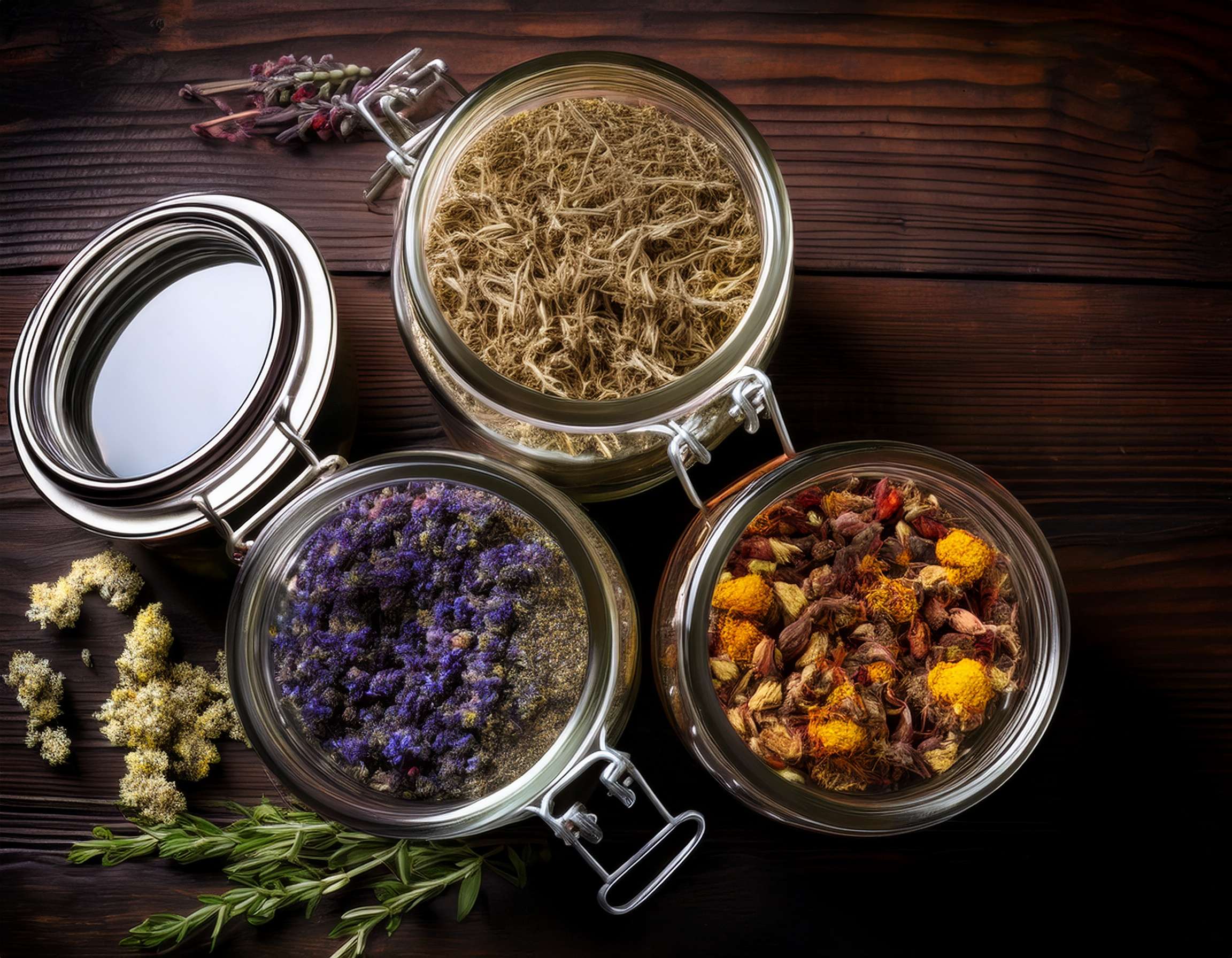
Store dried hawthorn in a cool, dark, dry place. A tightly sealed jar or pouch works well. Keep it away from heat, moisture, and direct sun. Those three things shorten shelf life fast.
For tinctures and syrups, follow the label and keep bottles sealed when not in use. If a product smells off, looks cloudy when it should not, or is far past its best-by date, replace it.
Conclusion
Hawthorn is best known as a traditional herb for heart and circulation support, with berries, leaves, and flowers all used in practice. It may suit people who enjoy gentle, steady herbal wellness, especially through tea or tincture. At the same time, safety comes first, especially for anyone with heart concerns or medications. Start by learning the plant forms, choosing a quality product, and speaking with a healthcare professional when needed.
Stay Connected for More Natural Living Inspiration
If you enjoyed this post about herbal wellness and love discovering natural ways to refresh your home and wellness, don’t miss out on future recipes and clean-living tips! Subscribe to the blog for weekly DIYs, wellness inspiration, and herbal remedies delivered straight to your inbox.
Don’t forget to visit my Amazon storefront for the links to my favorite essential oils, herbal teas, and natural recipes. I also create ambiance videos for sleeping on YouTube; a project I created to help with insomnia symptoms, and I also have a second channel, Rooted in Nature; both channels feature herbal recipes for wellness and home. The link to all social media content is here.
Thanks for coming by!

Leave a Reply