
(DISCLAIMER: I am not a doctor, and you should consult your healthcare professional before starting any health regimen.)

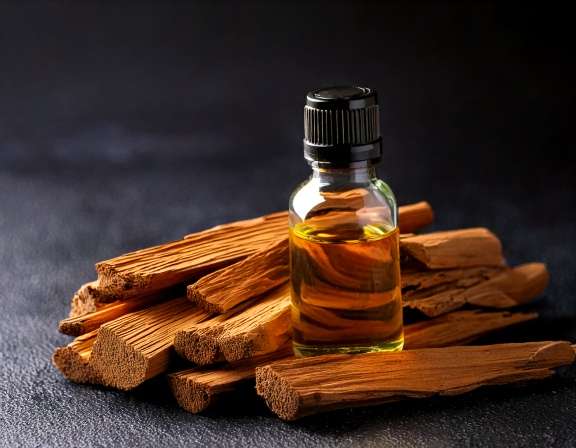
Sweet wood, a ribbon of citrus, and a cool mint-like note give Palo Santo essential oil an inviting scent. If you’re opening your first bottle, a small amount is enough to begin exploring its warm, balsamic character.
You can enjoy it during a quiet evening, pair it with brighter oils, or make a carefully diluted personal blend. This beginner-friendly guide covers its scent, common aromatherapy uses, three simple recipes, and safe starting amounts.
Before choosing a recipe, get familiar with the plant behind the label and the sourcing details worth checking.
Key Takeaways
- Expect sweet, woody, balsamic notes, often with citrus and mint-like accents; individual bottles can smell different.
- Diffusion and brief personal inhalation are common ways to enjoy the aroma without burning wood.
- Start with low diffuser amounts and fresh air. For skin, use a carrier oil, measure a cautious 1% dilution, and patch-test.
- Check for Bursera graveolens, origin, plant part, and extraction method. Ask how suppliers obtained the material rather than relying on a “sustainable” label alone.
Palo Santo Essential Oil for Beginners: Scent and Uses
Palo Santo oil commonly comes from Bursera graveolens, a tree found in dry forests, including parts of western South America. Ecuador and Peru are among the countries associated with this aromatic tree.
However, “Palo Santo” is a common name applied to different plants. The botanical name helps you identify what you’re buying.
Getting to Know the Aroma
The scent usually combines sweet wood and balsam with a brighter citrus edge. Some oils also carry mint-like freshness or soft spice. That combination gives the aroma warmth without making it uniformly heavy.
Eden Botanicals describes its Palo Santo oil with woody, fruity, balsamic, and sweet notes, plus citrus, mint, and soft spice accents. Still, that description belongs to its product; another bottle may smell different.
When you first sample yours, notice which note arrives first and which lingers. A single drop on a scent strip lets you become familiar with the aroma without filling a room. Keep the strip away from your face and take brief, comfortable breaths.
Distilled Oil and Incense Wood Are Different
Essential oil is a concentrated volatile extract obtained through distillation. Burning Palo Santo wood produces smoke and the aroma of heated wood, so the two experiences differ.
Palo Santo wood also has cultural and ceremonial contexts in communities where it grows. Diffusing a commercial oil doesn’t recreate those practices.
For everyday aromatherapy, users commonly choose room diffusion or brief personal inhalation. These approaches fit easily into reading, journaling, or an evening pause. You can enjoy Palo Santo essential oil alone before deciding whether you’d like a blend.
Simple Ways to Enjoy Palo Santo Oil Safely
Begin with your diffuser’s instructions because devices differ in capacity and operation. The recipes below suit a cautious first trial in a water-based diffuser, provided its maker permits those amounts. Waterless devices need their own directions.
Use the lowest suggested amount in a ventilated room. A short first session, such as 10 minutes, gives you time to notice how comfortable the aroma feels. Then switch the diffuser off and take a break rather than letting it run continuously.
Keep the diffuser away from your face, and don’t aim its mist at your breathing space. Stop if you notice irritation, coughing, headache, or nausea. DI Writes’ practical diffuser usage guide offers additional help with everyday operation and cleaning.
For skin use, blend the oil with a carrier rather than applying it neat. A 1% dilution is a cautious beginner starting point, not a guarantee that every person’s skin will tolerate it.
Patch-test the finished blend on a small area of intact skin and monitor it for 24 hours. Avoid broken, inflamed, or irritated skin. Keep both concentrated oil and diluted blends away from eyes, lips, nostrils, and other mucous membranes.
Don’t ingest the essential oil or add it to drinking water or tea. Store the bottle tightly closed, away from heat and light, and beyond children’s and pets’ reach. Label homemade blends with their ingredients and mixing date.
Before use around children, during pregnancy or breastfeeding, or around pets, seek qualified guidance suited to the person or animal. Ask a veterinarian about pet exposure. These beginner recipes are for adult use; a pleasant scent doesn’t establish suitability for everyone sharing the room.
Three Simple Palo Santo Oil Recipes
Choose one recipe for your first session. Keeping the ingredients simple makes it easier to recognize the aroma and notice your response.
A One-Drop Palo Santo Diffuser Trial
Ingredients
- 1 drop Palo Santo essential oil.
- Water only as directed by your diffuser’s maker.
Fill the reservoir according to its instructions, then add the oil if the device permits it. Run a short session in a ventilated room, then switch it off. Stop sooner if the aroma feels irritating. This single-oil trial lets you meet Palo Santo’s character before adding other scents.
A Woodland Citrus Diffuser Blend
Ingredients
- 1 drop Palo Santo essential oil.
- 1 drop sweet orange essential oil.
- 1 drop cedarwood essential oil.
- Water as directed by your diffuser’s maker.
Add the water and oils according to the device’s directions. This three-drop aroma blend pairs warm wood with orange brightness. Follow your diffuser’s capacity and drop guidance; reduce the amount if needed. Use a brief session with fresh air and a break afterward. For future combinations, consult these beginner essential oil blending tips.
A Gentle Palo Santo Pulse-Point Oil
Ingredients
- 0.10 mL Palo Santo essential oil.
- 9.90 mL jojoba oil.
Measure with calibrated tools capable of accurately measuring 0.10 mL, then combine in a clean, labeled glass bottle. This makes 10 mL at 1% dilution. Drop sizes vary, so don’t substitute a fixed drop count. Patch-test before applying a small amount to an intact wrist; don’t apply behind irritated ears or near your face. These essential oil patch-testing tipscan help you plan the test.
How to Choose Palo Santo Oil with Care
A useful product page tells you more than how lovely the oil smells. Look for details that identify the plant and explain the route its material took to the bottle.
Read Beyond the Common Name
Check for Bursera graveolens, the country or region of origin, the plant part, and the extraction method. Don’t assume every Palo Santo essential oil comes from the same material. Research on this species includes wood, leaves, and stems.
For a wood-derived oil, the label or supplier should make that clear. Likewise, look for a stated method such as steam distillation rather than guessing from the product name.
Batch identification and a way to contact the supplier also help when you have questions. If a listing offers only “Palo Santo fragrance,” ask whether it is a distilled essential oil or another scented product. Similar names don’t establish identical contents.
Ask What the Sourcing Claims Mean
“Wildcrafted” describes collection outside cultivation, but it doesn’t explain harvesting practices. Likewise, “sustainable” needs supporting detail. Ask whether the material came from naturally fallen or dead trees, how suppliers collected it, and what documentation follows it.
Praan Naturals says its distiller uses naturally fallen trees and wood dead for at least two years. Anima Mundi describes aged dead wood from fallen trees. These are supplier-specific accounts, not universal harvesting rules or independent proof of traceability.
When details remain unclear, ask about collection locations, traceability, and applicable permits. Wood sticks and essential oil are different products, so a sourcing statement about sticks may not cover the oil. Prefer answers that describe actual practices over reassuring adjectives.
Frequently Asked Questions
What Does Palo Santo Essential Oil Smell Like?
Expect sweet wood and balsam, often brightened by citrus and a mint-like accent. Some bottles have a fruitier edge, while others feel woodier or softly spicy. Because oils vary, sample a small amount before buying a larger bottle, and use scent descriptions as a starting point.
Can I Use Palo Santo Oil on My Skin?
Use it diluted in a carrier oil, and patch-test the finished blend before broader application. Apply only to intact skin, and stop if redness, itching, or discomfort develops. Even a low dilution needs individual care, especially if your skin already reacts to fragranced products.
Is Palo Santo Essential Oil the Same as Burning Palo Santo Wood?
The oil is a distilled extract, while incense involves burning wood and producing smoke. Their aromas overlap, but diffusion doesn’t reproduce the full smell of burning material. It also doesn’t recreate a cultural ceremony, which includes meaning and practices beyond the fragrance itself.
Which Oils Blend Well With Palo Santo?
Sweet orange adds brightness, while cedarwood extends the woody character. Lavender offers a floral contrast, and frankincense adds a resinous note. Start with a low total number of drops and change one ingredient at a time, so you can identify the pairing you enjoy most.
How Can I Smell a Sample Without Using a Diffuser?
Place one drop on a paper scent strip and hold it at a comfortable distance for a brief smell. Let the strip rest between checks rather than inhaling continuously. Keep the oil off your skin, and discard the strip somewhere children and pets can’t reach.
Begin With a Small, Thoughtful Ritual
Palo Santo’s sweet wood, citrus, and mint-like notes reward a gentle introduction. Begin with a small amount, give yourself fresh-air breaks, and choose a bottle with clear plant identification and transparent sourcing.
Try the one-drop diffuser recipe if you’re curious about the oil alone. If you prefer a personal fragrance, take time to measure and patch-test the diluted blend.
Let your routine stay simple: a scent you enjoy, a preparation you understand, and careful use each time you open the bottle.
Stay Connected for More Natural Living Inspiration
If you enjoyed this post about herbal wellness and love discovering natural ways to refresh your home and wellness, don’t miss out on future recipes and clean-living tips! Subscribe to the blog for weekly DIYs, wellness inspiration, and herbal remedies delivered straight to your inbox.
Don’t forget to visit my Amazon storefront and Patreon community for the links to my favorite essential oils, herbal teas, and natural recipes. The link to all social media content is here.
Thanks for coming by!

Leave a Reply