
(DISCLAIMER: I am not a doctor, and you should consult your healthcare professional before starting any health regimen. Some links are commissioned and supports the blog)

Key Takeaways
- Pine scent can feel calming because smell connects fast to emotion and memory.
- Many people use pine oil to support steadier moods, brighter energy, and focus.
- A little goes a long way, start low to avoid scent fatigue or headaches.
- Pine essential oil is wellness support, not a cure or a replacement for care.
- Safe use matters (dilution, ventilation, and extra caution around kids and pets).
Step into a pine forest in your mind for a second. The air feels crisp, almost cold, and every breath has that clean, green snap. Your shoulders drop without you trying. Your thoughts get quieter, like someone turned the volume down in your head.
That’s the pull of pine essential oil for a lot of people. Not because it “fixes” life, but because it can support the kind of atmosphere where you can reset. Think stress after work, mental fatigue, low mood, or that stuck, stuffy-room feeling when you’ve been indoors too long.
Why the smell of pine can feel calming and clearing
Smell is the shortcut sense. Before you can talk yourself out of a feeling, your nose has already sent a message to your brain. When you inhale an aroma, scent signals travel from the nose to areas linked with emotion and memory (often called the limbic system). That’s why a smell can change your mood in seconds, even if you can’t explain why.
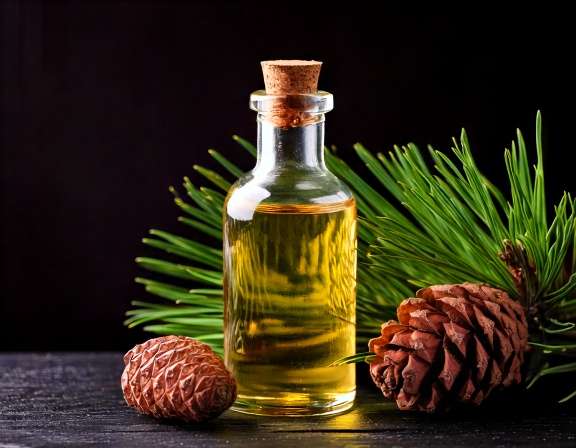
Pine essential oil is a concentrated plant extract, most often steam-distilled from pine needles (and sometimes twigs). You’ll see different types sold, including Scots pine (Pinus sylvestris) and Siberian pine (Pinus sibirica). They’re not identical, but many share a similar “forest air” character that people describe as fresh, resinous, and clean.
There’s also something simple and human going on here. Pine smells like outdoors. It hints at space, wind, and distance. If your day has been tight and noisy, that kind of scent can feel like opening a window in your mind.
Scent, memory, and the “reset” feeling
Have you ever noticed how pine can feel like a mental shower? For some people, it brings back winter walks, holiday trees, or hikes where the only sound is boots on needles. Those memories can cue safety and steadiness, even if you’re currently stuck in traffic or staring at a sink full of dishes.
Picture this: it’s late afternoon in February, the light is thin, and your brain feels like it’s been running all day without a break. You put two drops of pine in a diffuser. Ten minutes later, the room doesn’t just smell different, it feels different. The air seems “new,” and your thoughts stop clumping together.
That’s not magic, it’s association. Your body learns patterns. Fresh forest scents often get linked with breathing deeper, moving more, and being away from screens.
Key compounds in pine oil and what studies suggest
Many pine oils contain natural compounds called terpenes, including alpha-pinene and beta-pinene. These show up across conifer oils, and they’re a big part of that sharp, clear scent.
Early research on terpene-rich aromas suggests they may support a calmer stress response for some people, and may also feel mentally stimulating at low levels. In plain terms, pine can land in a sweet spot: not sleepy, not harsh, just clean and wakeful. Some people also report that pine makes a room feel less stale, which can change mood all by itself.
It’s still important to keep expectations grounded. Aromatherapy research is growing, but it’s not the same as proof of treatment. Think of pine oil as a tool for emotional and mental support, the way music or a hot shower can support you, not as a medical solution.
Emotional wellbeing benefits people report with pine essential oil
Pine oil doesn’t fix your schedule or erase hard feelings. What it can do is help you build a small, repeatable moment where your nervous system can unclench. Many people like it because it feels both comforting and bracing, like wrapping up in a blanket and stepping into cool air at the same time.
Here are a few emotional wellbeing shifts people commonly report, described the way they tend to feel in real life:
A calmer baseline in the room: Pine can soften the edge of a tense space, especially after an argument, a busy morning, or too much news.
Less “stuck” in your head: That crisp scent can interrupt the loop of spiraling thoughts, not by force, but by giving your attention somewhere else to land.
A cleaner emotional slate: Pine is often described as “clearing,” which can feel like starting over when you’ve had a heavy day.
Gentle confidence to start: Some people use pine before chores or tough emails because it feels steady, not sugary-sweet.
More comfort during indoor seasons: When windows stay shut, pine can make your home feel aired out, which can lift mood in a quiet, practical way.
Feeling steadier during stress and overwhelm
Stress often shows up as speed, fast thoughts, shallow breaths, quick reactions. Pine’s smell can encourage the opposite. Not because it sedates you, but because it hints at steadiness. Like a tall tree that doesn’t rush.
If your mind is racing, try pairing pine with a simple action that signals “I’m safe now.” A small ritual works better than waiting for a perfect mood.
Try this: add 1 to 2 drops of pine essential oil to your diffuser and do a 10-minute tidy-up (just surfaces, no deep cleaning). Keep the goal tiny. When the timer ends, stop. You’re teaching your brain that a reset can be short and doable.
If you want other diffuser ideas for days when the air feels heavy, these 2 powerful diffuser blends for allergies and immunity can also help your space smell fresher (especially during closed-window months).
A brighter mood when you feel stuck or low-energy
Pine can feel uplifting without being loud. It doesn’t have the candy-bright punch of some citrus oils, but it can still add lift. Think of it as “morning air” energy, crisp and simple.
This can be helpful during seasonal mood shifts, when the days are short and you realize you’ve been holding your breath all week. Pine won’t replace sunlight or support from a professional when you need it, but it can support the habits that help.
Try pairing pine with one small mood-brightening habit:
- Open a window for five minutes, even if it’s cold.
- Take a short walk and notice the sky, not your phone.
- Journal three lines: “What feels heavy, what feels possible, what’s one next step.”
Pine works best when it becomes part of a routine that tells your brain, “We’re moving again.”
Mental clarity and focus, using pine for a cleaner headspace
Mental fatigue doesn’t always feel like sleepiness. Sometimes it feels like static. You read the same sentence twice. You forget why you walked into the room. You start tasks, then bounce away from them like a pinball.
Pine essential oil can support focus because it feels clean and structured. It’s not a guarantee, but many people find it helps set a tone for work, study, or basic life tasks. The scent can act like a boundary line: this is “work time,” this is “reset time,” this is “finish what I started” time.
That said, overdoing it can backfire. Too strong of a scent can distract you, irritate your nose, or trigger a headache. If you’re using pine for clarity, treat it like seasoning, not the whole meal.
If you want more options beyond pine, this guide on essential oils for focus and mental clarity is a useful next read, especially if you’re building a small “study scents” rotation.
A study-friendly scent for work blocks and chores
Aroma works best when it’s light and timed. Continuous diffusion all day can make your brain tune it out (or start to feel annoyed by it).
A simple routine:
- Add a small amount of oil to your diffuser (start low).
- Set a timer for 25 minutes.
- Work until the timer ends, then take a 5-minute break.
During the break, step away from the scent if you can. Drink water. Look outside. Let your senses reset. This keeps pine feeling fresh instead of “too much.”
Pine also pairs well with physical tasks that need momentum, like laundry, meal prep, or cleaning out a drawer. It can make the air feel less stale, which often makes your brain feel less stale.
Blend ideas that support focus without feeling harsh
Pine can stand on its own, but blending can help you shape the mood. Keep blends simple so your nose doesn’t get overwhelmed.
Here are a few pairings people tend to like:
- Pine + lemon: bright, clean focus for daytime work.
- Pine + lavender: calm clarity when your mind is busy.
- Pine + frankincense: steady attention when you need patience.
- Pine + rosemary: alertness for chores and lists.
Start with small amounts. In most diffusers, a total of a few drops is plenty. If the scent hits you like a wall when you walk in, it’s too strong. You want it to float in the background, like fresh air, not perfume.
Safe, simple ways to use pine essential oil for mood support
Pine essential oil is natural, but it’s also concentrated. Safe use is what keeps it supportive instead of irritating. A good rule is to begin with the lowest amount that you can still notice, then adjust slowly.
A few basics that matter:
- Ventilation: Don’t trap strong scent in a tiny room for hours.
- Quality: Buy from brands that list the botanical name and sourcing details.
- Patch test: If you plan to use it on skin, test first.
- Kid and pet caution: Many animals (especially cats) can be sensitive to essential oils. Use extra care with diffusion and keep oils out of reach.
- Know when to skip: If you have asthma, scent-triggered migraines, or strong allergies, be cautious. If you’re pregnant, nursing, or managing a health condition, ask a qualified clinician before use.
If you also use oils when the “stuffy-room feeling” turns into a head-heavy day, you might like this sinus decongestant diffuser blend recipe as a separate, targeted option. Keep it for comfort, not as medical care.
Diffusing and inhaling, the easiest way to start
Diffusion is often the simplest, gentlest method for emotional support.
Beginner steps:
- Add water to your diffuser as directed.
- Start with 2 to 4 drops of pine essential oil.
- Diffuse for 15 to 30 minutes, then take a break.
Avoid running a diffuser nonstop all day. Your nose gets tired, and the scent can become irritating. Also clean your diffuser regularly, since leftover oil residue can change the smell and performance over time.
If you want an even more personal option, a personal inhaler can be helpful. It keeps the scent close to you and uses less oil. Just keep it light and stop if you notice any irritation.
Topical and shower use, cozy options for hard days
Topical use can feel comforting because it adds warmth and ritual, but dilution is not optional.
Simple dilution guidance:
- 1 percent dilution for regular use (gentle, everyday level).
- 2 percent dilution for short-term use (still conservative for many adults).
Apply diluted oil to areas like the chest or the back of the neck (avoid the face and eyes). Wash hands after. If your skin gets red or itchy, stop and wash with soap and water.
For a shower steam moment, try this: put 1 drop of pine essential oil on a damp washcloth and place it on the shower floor, away from direct water. The steam will carry the scent upward without making it overpowering.
Skip adding essential oils directly to bathwater. Oil and water don’t mix, so the undiluted drops can cling to skin and irritate. If you want a bath, use a proper dispersant, and keep the dose low.
Conclusion
Pine essential oil can feel like a deep breath you didn’t realize you needed. People reach for it when they want a calmer mood, a brighter emotional tone, and a clearer headspace, especially during indoor seasons or mentally packed weeks. Used lightly, pine can support steady routines that help you feel more like yourself.
Start low, pay attention to your body, and treat the scent like a gentle background. This week, pick one method (diffuser, inhaler, or shower cloth) and try it a few times. Keep a simple note on scent and mood, even if it’s just three words, and see what patterns show up.
Stay Connected for More Natural Living Inspiration
If you enjoyed this post about herbal wellness and love discovering natural ways to refresh your home and wellness, don’t miss out on future recipes and clean-living tips! Subscribe to the blog for weekly DIYs, wellness inspiration, and herbal remedies delivered straight to your inbox.
Don’t forget to visit my Amazon storefront for the links to my favorite essential oils, herbal teas, and natural recipes. I also create YouTube ambiance videos for sleeping; a channel I created to help people who have trouble sleeping. The link to all social media content is here.
Thanks for coming by!


Leave a Reply