
(DISCLAIMER: I am not a doctor, and you should consult your healthcare professional before starting any health regimen.)

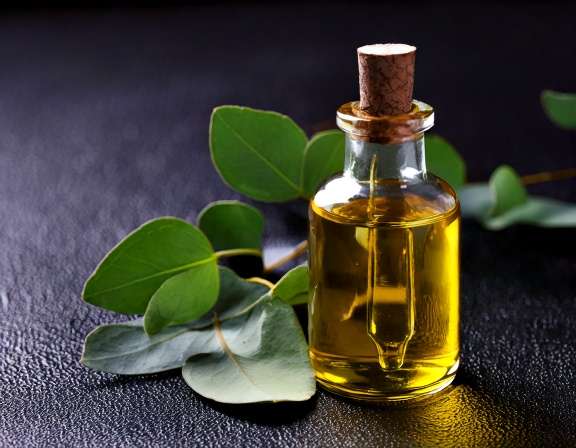
Eucalyptus essential oil has become a favorite in homes and wellness routines worldwide. Known for its crisp scent and soothing properties, this oil is steam-distilled from the leaves of the eucalyptus tree. People reach for it when searching for natural comfort from congestion, sinus relief, and colds.
Its popularity has surged as more seek gentle, plant-based options for everyday health. Whether you’re curious about eucalyptus essential oil benefits or want to find new uses for eucalyptus essential oil in aromatherapy, this guide is for you. You’ll learn why so many choose eucalyptus oil for congestion, the science behind eucalyptus oil aromatherapy, and how it can support your self-care toolkit. For more practical ways to add it to your routine, see these Benefits of Eucalyptus Essential Oil.
What Is Eucalyptus Essential Oil?
Eucalyptus essential oil stands out in the world of natural wellness for its sharp, invigorating scent and host of practical uses. With a history rooted in traditional practices, it has gained modern popularity for everyday health, especially when it comes to breathing easier and supporting clean spaces.
How Eucalyptus Essential Oil Is Extracted
Eucalyptus essential oil is most often produced by steam distillation. This method uses hot steam to gently capture the fragrant oils locked inside the leaves of the eucalyptus tree. The process is simple yet effective: as steam passes through the leaves, it lifts the oils, which are then condensed and collected.
- Steam distillation preserves the pure aroma and beneficial compounds of the oil.
- No harsh chemicals are needed, making it a clean and natural extract.
Because this oil comes from the leaves rather than flowers or bark, you get a fresh, crisp scent directly from the source.
Eucalyptus Species Used for Oil
Not all eucalyptus trees are the same. Over 700 types exist, but only a handful are used for making essential oil. The gold standard is Eucalyptus globulus. This species, sometimes called blue gum, is native to Australia.
- Eucalyptus globulus oil boasts the highest concentration of 1,8-cineole (also called eucalyptol), which is known for its clear scent and strong benefits for colds and sinus relief.
- Other species, like Eucalyptus radiata or Eucalyptus citriodora, are available but are usually milder, with different scent notes.
To dig deeper into how different essential oils impact your health, check out these helpful Aromatherapy insights on DIWrites.
Characteristic Scent and Properties
The scent of eucalyptus essential oil is unmistakable. It combines cool, minty notes with a hint of wood and fresh leaves. Many people describe it as a breath of fresh air for a stuffy room.
Here’s why this oil is so popular:
- Cooling and clearing aroma that refreshes the senses
- Natural antibacterial and antiviral properties that make it a favorite for cleansing spaces
- High in eucalyptol, which supports easier breathing and opens up sinuses during colds or allergies
With this oil’s blend of scent, strength, and simplicity, it’s easy to see why so many put eucalyptus oil for congestion, eucalyptus oil aromatherapy, and other uses at the top of their self-care lists.
Understanding the roots and qualities of eucalyptus essential oil will help you make the most of it in your day-to-day wellness routine.
Eucalyptus Essential Oil Benefits for Health and Well-being
Eucalyptus essential oil brings more to the table than just a crisp, clean scent. This oil sits at the core of many home health kits because it supports respiratory health, helps clear the air, and calms physical discomfort. Its benefits are rooted in both traditional and modern uses, making it a versatile ally for well-being. Each drop packs its own punch, so let’s break down the most impactful ways it can support your daily life.
Respiratory Relief: Breathe Easier, Naturally
One of the top uses for eucalyptus essential oil is as a go-to remedy for stuffy noses and clogged sinuses. The secret is its high content of eucalyptol (or 1,8-cineole), which can help clear airways and ease troubled breathing.
- Opens nasal passages: When used in a steam inhalation or diffuser, eucalyptus oil for congestion is a clear winner. Its vapors loosen mucus and make each breath feel easier.
- Soothes irritated airways: People often reach for eucalyptus oil for sinus relief and colds. Its cooling effect calms that raw, inflamed feeling you get with seasonal illness.
Sprinkle a few drops in a bowl of hot water, inhale deeply, and many report almost instant comfort.
Antimicrobial Powerhouse for Home and Body
Eucalyptus essential oil doesn’t just smell clean, it actually helps keep things clean. With proven antibacterial and antiviral abilities, it’s a smart addition for anyone aiming to limit germs, especially during cold season.
- Surface spray: Mixed with water and vinegar, it can help wipe away unwanted germs on counters or doorknobs.
- Air purification: Add it to a diffuser to help clear the air of microbes, especially when someone in the house is under the weather.
For an in-depth look at the science and practical tips, explore the Benefits of Eucalyptus Essential Oil.
Natural Support for Pain Relief and Muscle Aches
Eucalyptus oil offers gentle, targeted relief when your body feels stiff or sore. Its ingredients help block pain signals and can even reduce swelling, making it a long-standing favorite among athletes and anyone with an achy back.
- Massage oil: Mix with a carrier oil to rub onto sore muscles or joints.
- Cool compress: A few drops on a cold towel can bring quick comfort to tired feet or minor bumps.
Quick Reference Guide: Eucalyptus Essential Oil Benefits
The main benefits and uses for eucalyptus essential oil stand out for how they touch daily needs, especially during the colder months or busy times.
BenefitHow to UseWhy It WorksRespiratory reliefSteam inhalation, diffuserClears airways, thins mucusAntimicrobial actionSpray, diffusionFights germs and purifies airPain reductionMassage, compressSoothes muscles and joints
Keep in mind, blending this oil with others can also boost its effects. For ideas, see calming blends and stress relief recipes, such as these Calming essential oil diffuser blends.
With its strong record for home, health, and well-being, eucalyptus essential oil is more than just another pretty scent. Whether you want to ease breathing, fight germs, or help your muscles recover, eucalyptus oil brings real, lasting value to daily life.
Popular Uses for Eucalyptus Essential Oil
Eucalyptus essential oil shines thanks to its natural power for respiratory health, home care, and self-care routines. Its crisp scent fills a room, lifts the mood, and has potent germ-fighting properties. If you’ve wondered about the best uses for eucalyptus essential oil, especially for congestion or aromatherapy, here’s how you can put this versatile oil to work every day.
Eucalyptus Oil for Congestion and Sinus Relief
Eucalyptus oil is famous for cutting through stubborn nasal and chest congestion. It owes much of its power to eucalyptol, a natural compound that helps thin mucus, open nasal passages, and soothe the respiratory system. Many people use eucalyptus oil for sinus relief because it can help you breathe more comfortably during colds, allergies, or seasonal stuffiness.
Steam inhalation is one of the most effective methods:
- Add 2–3 drops of eucalyptus oil to a bowl of steaming water.
- Lean over (keeping your eyes closed) and inhale the vapor for several minutes.
- Use a towel over your head to trap the steam if you’d like.
Alternatively, a diffuser can spread the cooling vapor throughout the room, easing congestion without direct inhalation. This gentle approach is ideal at night when colds and allergies make sleep tough.
For even more natural tools, see these Natural Congestion Relief Techniques that pair eucalyptus oil with other essential oils for added comfort.
Eucalyptus Oil in Aromatherapy
Aromatherapy using eucalyptus oil is more than just pleasant, it’s practical. Eucalyptus oil aromatherapy can help sharpen your mind, fight fatigue, and boost your mood, thanks to its invigorating aroma. Many find it clears mental fog and helps them feel more focused throughout the day.
Here are a few ways to add eucalyptus essential oil benefits to your environment:
- Add a few drops to your diffuser for clean, uplifting air.
- Blend with other bright oils like lemon or peppermint.
- Sprinkle a bit on a shower floor or in a bowl of warm water to envelop your senses.
The crisp, cool scent acts much like “a breath of fresh air” for both mind and body. It refreshes your home, making any room feel more spacious and alive. For simple, effective blends, dive into easy Calming essential oil diffuser blends.
Topical and Household Applications
Eucalyptus oil isn’t just for sniffles, it’s practical in your self-care and cleaning toolkits. When diluted with a carrier oil, it can be used as a chest rub to support breathing or gently massaged into sore muscles for fast relief. Many athletes prefer it for its cooling, soothing effect after workouts.
Proper topical use includes:
- Mix a few drops of eucalyptus oil with coconut or jojoba oil.
- Rub onto the chest, back, or achy muscles.
- Always spot-test first; never use full strength on the skin.
Its germ-fighting power also makes it a favorite natural cleaning agent:
- Add to natural cleaning sprays for counters, tiles, or doorknobs.
- Diffuse to help purify indoor air and reduce unwanted odors.
Clean, effective, and easy to reach for, eucalyptus oil is a staple you’ll find useful again and again. For guidance on how essential oils tackle congestion or seasonal challenges, visit Essential Oils for Sinus Relief.
In short, the uses for eucalyptus essential oil reach far beyond aroma, they bring real relief, cleaner spaces, and a fresh perspective to any routine.
Supporting Immune Health and Cooling Relief
Eucalyptus essential oil benefits stretch far beyond its familiar aroma. Many keep this oil on hand not just for congestion, but to boost immune health and ease classic symptoms of colds, flu, and fever. Its power lies in the active component eucalyptol, which helps clear sinuses, cools overheated skin, and gently supports the body’s natural defenses. When symptoms hit hard or seasons change, eucalyptus oil becomes a frontline favorite in home wellness routines.
Eucalyptus Oil for Immune Support
When your immune system faces seasonal threats, eucalyptus oil steps up as a natural helper. The eucalyptol in the oil works in two key ways: it helps the body break up mucus and supports the lungs in staying clear, making it easier for your immune system to do its job.
Regular use in a diffuser or steam bowl brings these benefits home:
- Air feels cleaner: Eucalyptus oil helps purify indoor air, which lowers the germ load.
- Breathing is smoother: Supporting clear sinuses helps keep your immune response on track.
People often notice less stuffiness and a fresher feel indoors. For more details on when and how to use oils throughout the year, check out the Top Essential Oils to Boost Your Immune System Seasonally.
Cooling and Symptom Relief for Colds and Flu
Eucalyptus oil doesn’t just ease congestion. It has a strong cooling effect, which helps when a fever rises or your body aches from illness. A few drops diluted in a carrier oil can be rubbed on the back or chest to calm hot, flushed skin, much like the relief of a cool breeze on a summer day.
Key benefits for cold and flu care:
- Cooling sensation reduces heat: The oil can calm the discomfort of fevers.
- Gentle, natural alternative: No need for medicines when seeking simple soothing.
If a fever makes you uncomfortable, using eucalyptus with other cooling oils can help. See this list of Natural Cooling Essential Oils for Fever for more comfort ideas that fit right into your routine.
Simple Ways to Use Eucalyptus Oil for Immune and Cooling Benefits
Using eucalyptus essential oil for immune support and cooling relief can be easy. These trusted methods fit neatly into any self-care plan:
- Diffuser or humidifier: A few drops clean the air and open breathing.
- Steam bowl: Adds moisture and clears sinus pathways.
- Topical use (always diluted): Offers targeted cooling sensation for chest or forehead.
Choose the method that feels best for you and your household. Consistent, mindful use turns eucalyptus oil into a powerful part of your natural health toolkit. Whether sniffles start or the weather shifts, you’ll have a simple, effective way to support your body all year.
How to Use Eucalyptus Essential Oil Safely
Eucalyptus essential oil brings strong support for congestion, sinus relief, and overall wellness. But like any potent remedy, it needs to be handled with care. Safe use ensures you enjoy all the eucalyptus essential oil benefits without side effects. Below you’ll find guidelines for dilution, aromatherapy safety, and who should take extra precautions.
Proper Dilution for Topical Use
Never apply eucalyptus essential oil directly to your skin, it’s highly concentrated and can irritate even healthy skin. Always dilute it first, which unlocks its benefits for muscles or chest rubs, while protecting your skin.
For adults, follow these safe dilution ratios:
- General use: Mix 3 drops of eucalyptus essential oil with 1 teaspoon (5 ml) of carrier oil like coconut, jojoba, or almond.
- Sensitive skin: Try 1-2 drops per teaspoon of carrier oil.
Test your blend on a small spot (like your inner forearm) before broader use. If you notice redness or irritation, wash the area off and use more carrier oil to reduce the strength.
Safe Aromatherapy Dosages
Eucalyptus oil shines in diffusers, steam bowls, or showers for sinus relief and easier breathing. These uses are gentle but need the right amount so you sleep better, not cough more.
Best practices for aromatherapy:
- For diffusers: Use 3-5 drops per room or device, depending on size.
- For steam inhalation (over a bowl of hot water): Add 2-3 drops, and keep sessions under 10 minutes.
- For shower aromatherapy: Place 1-2 drops on the shower floor (away from the direct water stream) and inhale with deep breaths.
Open windows or air out your space after aromatherapy sessions, especially if you have pets or young children at home.
Precautions for Children, Pets, and Sensitive Individuals
Eucalyptus oil isn’t for everyone, even if you love the scent, certain people and animals are at risk. The active compounds are strong, and extra care protects those with developing or fragile systems.
Pay close attention if you’re around:
- Children under 6: Eucalyptus oil should not be used on or near infants and young children. Their airways and systems are sensitive, making reactions like coughing, wheezing, or even breathing issues more likely.
- Pregnant or breastfeeding women: Always check with a healthcare provider before using eucalyptus or any essential oil.
- People with asthma or respiratory issues: Eucalyptus can trigger symptoms in some, even in a diffuser. If you or someone in your home has asthma, choose gentler oils or skip eucalyptus unless given the go-ahead from a doctor.
- Pets (especially cats and dogs): Eucalyptus vapors can be harmful to pets. If you have animals, use essential oils in well-ventilated areas, and never let pets come in direct contact with the oil or diffuser mist.
If you’re looking for gentle blends that are safe for most users, explore suggestions in this Beginner’s Guide to Essential Oils for a balanced start.
Conclusion
Eucalyptus essential oil benefits are clear and practical, serving as a trusted go-to for congestion, sinus relief, and everyday wellness. Its clean aroma, natural strength, and simple uses make it a strong choice for anyone looking to support their health. By following safe practices, you can enjoy its soothing effects for aromatherapy, immune support, and relief during colds.
Stay Connected for More Natural Living Inspiration
If you enjoyed this post about herbal wellness and love discovering natural ways to refresh your home and wellness, don’t miss out on future recipes and clean-living tips! Subscribe to the blog for weekly DIYs, wellness inspiration, and herbal remedies delivered straight to your inbox.
Don’t forget to visit my Amazon storefront for the links to my favorite essential oils, herbal teas, and natural recipes. I also create YouTube ambiance videos for sleeping; a channel I created to help people who have trouble sleeping. The link to all social media content is here.
Thanks for coming by!


Leave a Reply