
(DISCLAIMER: I am not a doctor, and you should consult your healthcare professional before starting any health regimen.)

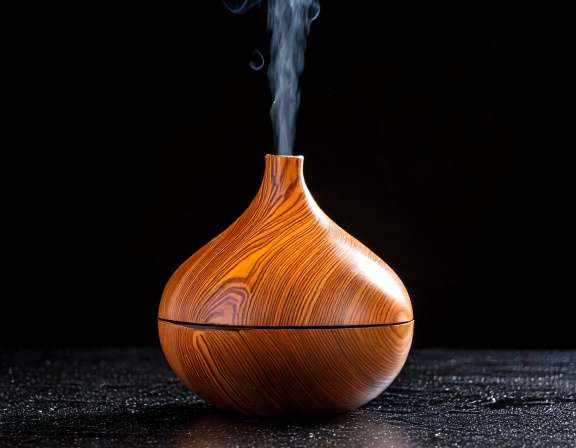
A stuffy afternoon can leave a room feeling close and heavy. Then a gentle, fresh aroma begins to drift from the diffuser, and the space feels calmer, brighter, and more comfortable.
Essential diffuser blends for congestion can add a pleasant sensory layer to a simple self-care routine during seasonal stuffiness. Aromatherapy complements appropriate care, while medical attention takes priority whenever symptoms call for it.
Use these recipes as a starting point, keep the aroma light, and let fresh air share the room with your diffuser.
Key Takeaways
- Eucalyptus and peppermint are popular choices for a fresh, open-feeling aroma during seasonal congestion.
- Start with only a few drops, because a light blend often feels more pleasant than a strong one.
- Run a diffuser for about 30 to 60 minutes, then give the room a break with fresh airflow.
- Try the three easy recipes below for daytime, early evening, and a quieter nighttime atmosphere.
- Children, pregnant people, people with scent sensitivities, and pets benefit from individualized care and extra attention.
- Pause the diffuser and enjoy fresh air whenever an aroma feels irritating or uncomfortable.
Essential Diffuser Blends for Congestion That Feel Refreshing
These essential diffuser blends for congestion are written for a standard water-based diffuser. Check your device manual first, then scale the total drops to suit its reservoir size and guidance. A small amount can fill a room with a clean, plant-forward scent.
Crisp Daytime Eucalyptus Blend
This blend has a bright, brisk character that suits a morning kitchen, home office, or freshly opened living room.
Ingredients
- 2 drops eucalyptus essential oil
- 1 drop peppermint essential oil
- 1 drop tea tree essential oil
Add the drops to the water-filled reservoir, then run the diffuser in a ventilated room. Eucalyptus brings a cool, familiar scent, while peppermint adds a sharp lift. Tea tree rounds out the blend with a crisp herbal note.
For more ideas on using this familiar oil with care, explore eucalyptus aromatherapy for congestion.
Balanced Cajeput and Eucalyptus Blend
This is the featured blend for readers who enjoy a fuller fresh aroma that still feels light enough for a shared space.
Ingredients
- 2 drops eucalyptus essential oil
- 2 drops cajeput essential oil
- 1 drop peppermint essential oil
Cajeput has a camphor-like, airy scent that pairs naturally with eucalyptus. Peppermint gives the final note a cool edge, so the blend feels fresh rather than perfume-heavy. Begin with a short cycle, especially if cajeput is new to your collection.
Gentle Evening Forest Blend
Evening calls for a softer scent, especially when the day has been full of bright mint and eucalyptus aromas.
Ingredients
- 2 drops fir essential oil
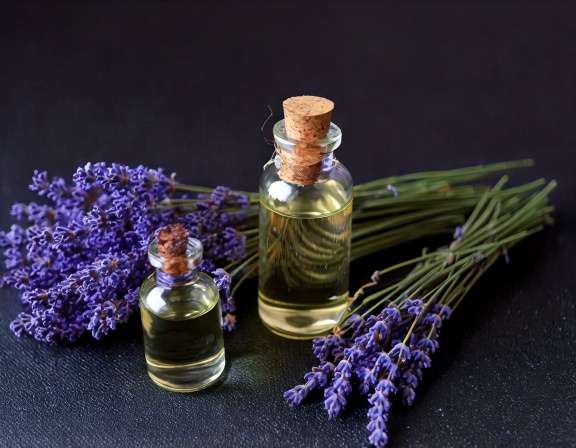
- 1 drop lavender essential oil
- 1 drop frankincense essential oil
Fir gives this recipe the scent of clean evergreen needles. Lavender softens the edges, while frankincense adds a warm, resinous base. Use it while tidying your bedroom, reading, or settling into an unhurried evening routine.
How to Match Each Blend to Your Routine
Choose the eucalyptus and peppermint blend when you want a bright morning atmosphere. The cajeput recipe fits an early-evening reset, perhaps after coming in from pollen, errands, or a long day indoors. Save the fir, lavender, and frankincense blend for a calmer nighttime setting.
Keep blends simple by choosing one main oil and one supporting oil when you begin experimenting. This approach helps you notice which aromas feel best in your home. A small notebook can track the blend, session length, room size, and how the room felt afterward.
How to Diffuse Essential Oils Comfortably and Safely
Start with a clean ultrasonic or water-based diffuser. Fill the reservoir with the amount of water listed in the manufacturer’s directions, then add oils only after the water is in place.
For a 100 mL reservoir, about three to five total drops is a cautious starting range when it matches your device instructions. Smaller reservoirs often need less. The goal is a gentle background aroma that leaves room for ordinary breathing and conversation.
Place the diffuser on a stable, water-safe surface, away from electronics, bedding, and curious hands or paws. Open a window slightly or keep an interior door open when possible. Fresh airflow helps the room feel comfortable during a diffuser session.
Run the diffuser for 30 to 60 minutes, then turn it off and let the space rest. A break gives you time to notice the aroma and decide whether a later session still sounds appealing. Overnight diffusion is unnecessary for a comforting routine.
Clean the reservoir according to the manufacturer’s instructions after use. Old water and oil residue can shift a blend’s scent and leave the next session smelling muddled. A well-maintained diffuser lets eucalyptus smell clear, lavender smell soft, and every recipe stay true to its character.
A pleasant diffuser session should feel like part of the room, not the loudest thing in it.
If anyone experiences headache, coughing, nausea, irritation, or breathing discomfort, switch off the diffuser and bring in fresh air. For more everyday guidance, this practical guide to essential oils for diffusers covers choosing, using, and cleaning a diffuser.
What to Consider Around Children, Pregnancy, and Pets
Children, pregnant people, people with asthma or fragrance sensitivity, and pets may need personalized guidance before essential oil diffusion. Nationwide Children’s Hospital recommends checking with a qualified health professional before using inhaled aromatherapy during pregnancy or with certain health considerations.
A veterinarian can offer pet-specific advice, especially for animals with breathing concerns. ASPCA guidance also supports giving pets access to a separate, well-ventilated area where they can move away from the scent.
Keep essential oil bottles, water reservoirs, and diffuser cords out of reach. Diffuser guidance and topical dilution guidance are separate practices, so use each method according to its own instructions.
When a Stuffy Nose Calls for More Than Aromatherapy
A diffuser can be one comforting part of a seasonal routine while you continue paying attention to how you feel. Fresh air, rest, hydration, and a warm cup of properly prepared herbal tea can fit naturally alongside your chosen blend.
Seek prompt medical guidance for breathing difficulty, chest symptoms, severe or unusual symptoms, symptoms that continue to worsen, or congestion that remains after several days. When a scent feels uncomfortable, turning off the diffuser and enjoying fresh air is a sensible first response.
Add a Warm Herbal Tea Ritual
A diffuser and herbal tea can make an ordinary rest break feel more intentional. Prepare herbal tea as a brewed infusion, using ingredients such as dried peppermint, chamomile, ginger, or lemon balm according to a trusted recipe or product label.
Peppermint tea suits a daytime diffuser cycle with eucalyptus, while caffeine-free chamomile is a gentle companion for the fir, lavender, and frankincense blend. Keep essential oils reserved for aromatic use, and enjoy herbs in their traditional tea form.
A warm mug also encourages a slower pace. Sit near an open window, keep your diffuser session short, and let the aroma remain a soft detail rather than the center of the room. These herbal tea and diffuser remedies for congestionoffer more cozy pairing ideas.
Frequently Asked Questions
Which essential oils create the freshest congestion diffuser blend?
Eucalyptus and peppermint are widely loved for their clean, cooling aroma. Tea tree, cajeput, fir, lavender, and frankincense can add herbal, woody, or soothing depth. Choose oils for the scent experience you enjoy, then use a modest total drop count.
Can I use a nebulizing diffuser for these recipes?
A nebulizing diffuser works differently from a water-based diffuser because it disperses undiluted oil into the air. Follow its manufacturer directions closely and start with brief sessions, since the aroma may feel stronger than the same blend in an ultrasonic diffuser.
How can I make a blend smell less intense?
Reduce the number of drops first. You can also choose lavender or frankincense as a softer supporting oil, use a larger ventilated room, or run the diffuser for a shorter time. A light aroma often makes it easier to enjoy the individual notes.
Can I blend essential oils with herbal tea?
Enjoy the two as separate rituals. Brew dried herbs into a tea, and use essential oils in a diffuser according to product and device directions. This keeps your cup warm and comforting while your diffuser provides its own aromatic atmosphere.
How should I store essential oils between uses?
Keep bottles tightly closed in a cool, dry place away from direct sunlight. Clear labels and a dedicated storage box make it easier to identify each oil and keep your collection organized. Store bottles securely where children and pets cannot access them.
A Fresh, Mindful Diffuser Routine
A few carefully chosen oils can turn a diffuser into a fresh, comforting part of a congestion self-care routine. Start with a light blend, use short sessions, invite fresh airflow into the room, and choose the recipe that fits your time of day.
The best routine feels comfortable and considered. Let the bright daytime blend, balanced early-evening recipe, or gentle forest-inspired scent create a calm personal ritual while safety and appropriate care stay at the center.
Stay Connected for More Natural Living Inspiration
If you enjoyed this post about herbal wellness and love discovering natural ways to refresh your home and wellness, don’t miss out on future recipes and clean-living tips! Subscribe to the blog for weekly DIYs, wellness inspiration, and herbal remedies delivered straight to your inbox.
Don’t forget to visit my Amazon storefront for the links to my favorite essential oils, herbal teas, and natural recipes. I also create YouTube ambiance videos for sleeping; a channel I created to help people who have trouble sleeping. The link to all social media content is here.
Thanks for coming by!


You must be logged in to post a comment.