
(DISCLAIMER: I am not a doctor, and you should consult your healthcare professional before starting any health regimen. Product links are commissioned and supports the blog)

Key Takeaways
- Helps calm stress and everyday tension
- Gently supports better sleep and rest
- Lifts mood without feeling overly sweet or sharp
- Helps balance oily, breakout prone skin
- Freshens the air and supports a cleaner home feel
If you enjoy natural tools for stress, sleep, and cleaner living, petitgrain is a quiet hero worth knowing. This gentle oil often sits in the background while lavender and orange steal the spotlight, yet it has a steady, calming effect that many people fall in love with once they try it.
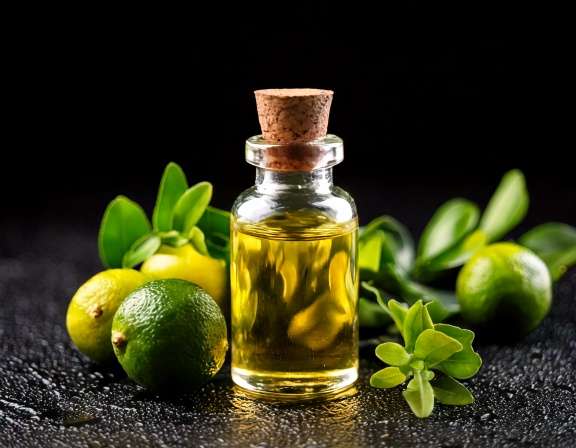
Petitgrain essential oil comes from the leaves and twigs of the bitter orange tree, not the fruit. It smells fresh, green, and lightly floral, like a walk in a citrus grove just after rain. People use it for mood support, sleep, skin balance, and even freshening up their homes.
This guide is for anyone who likes simple, natural tools but still wants honest, safe advice. If you love essential oils but do not want hype, you are in the right place.
What Is Petitgrain Essential Oil and Where Does It Come From?
Petitgrain essential oil is steam distilled from the leaves and twigs of the bitter orange tree (Citrus aurantium). Unlike sweet orange oil, which comes from the peel, or neroli, which comes from the blossoms, petitgrain is all about the leafy, woody parts.
The scent is:
- Fresh and green
- Lightly floral
- Softly citrus, not sharp
It smells less like a fruit and more like branches and leaves in the shade of an orange orchard. Many people find it grounding and soothing.
Since it comes from the same tree as neroli and bitter orange, it fits into the citrus family but feels different on the nose. It often shows up in classic perfumes and colognes because it adds a clean, herbal top note that still feels cozy.
For a long time, herbal and folk traditions used petitgrain for mood balance, better sleep, and gentle skin support. When people ask what is petitgrain essential oil good for, the short answer is this: a calmer mind, more settled sleep, and a fresh feeling on skin and in the home. These are some of the quiet but steady petitgrain oil medicinal uses that have been passed down.
Petitgrain vs Neroli vs Orange Oil
All three oils come from the same tree, yet they do very different jobs.
Neroli comes from the orange blossoms. It smells rich, floral, and a bit honey like. It is loved for deep emotional support and skin care, but it is also one of the more expensive essential oils.
Sweet orange oil comes from the peel of the ripe fruit. It smells juicy, bright, and cheerful. People reach for it to lift mood, freshen rooms, and add a happy note to blends.
Petitgrain essential oil comes from the leaves and twigs. It is fresher, greener, and less sweet than orange, and less intense than neroli. The scent sits somewhere between herbal and floral, with a citrus twist.
Here is why many people choose petitgrain for blends:
- It gives some of neroli’s calm, floral feel at a lower cost.
- It blends well with both floral and wood oils.
- It feels more balanced than very sweet citrus oils.
So if you want a calming, slightly floral citrus note, and neroli feels too pricey, petitgrain is a smart and friendly choice.
Top Petitgrain Essential Oil Benefits for Mind and Mood
When people talk about petitgrain essential oil benefits, emotional support is usually at the top of the list. The scent helps the nervous system shift out of high alert and into a more steady, relaxed state.
If you are wondering, what does petitgrain essential oil do for the mind, think of it as a soft pause button. It will not knock you out or make everything perfect, but it can soften the edges of a stressful day.
Calms Stress and Everyday Tension
Life piles up. Work deadlines, house chores, kids that will not sleep, that long list of errands. Petitgrain steps in as a gentle helper.
The light, green citrus scent has a relaxing feel that can help:
- Settle racing thoughts
- Soften anxious knots in the chest or stomach
- Ease tight shoulders and jaw tension
Some early research and many years of traditional use point to petitgrain’s effect on the nervous system. It is often used in blends meant to support relaxation, steady breathing, and a general sense of ease.
Simple ideas:
- Diffuse petitgrain near your desk during a busy workday.
- Place a drop in your hands, rub, cup over your nose, and breathe slowly before a hard meeting.
- Add it to a personal calm down blend with lavender for evenings at home.
These everyday petitgrain oil uses can be small, yet they add up when used with intention.
Supports Better Sleep and Rest
Have you ever crawled into bed, turned off the light, and then your brain suddenly decided to replay the entire day? This is where petitgrain can help the body move from “go mode” into “rest mode”.
People often choose petitgrain essential oil for sleep because it feels calming but not heavy. It seems to gently nudge the nervous system toward rest.
Nice pairings for bedtime:
- Lavender, for classic sleep support
- Roman chamomile, for deep comfort
- Cedarwood, for a cozy, grounding base
You can:
- Add a few drops of petitgrain and lavender to a diffuser 30 minutes before bed.
- Make a simple pillow spray with petitgrain, lavender, water, and a bit of witch hazel.
- Use a diluted roll on on wrists or chest while you read at night.
Remember, with oils, less is more. A few drops are usually enough to feel the health benefits of petitgrain essential oil as part of your sleep ritual.
Lifts Low Mood Without Feeling Too Sweet
Some people love sweet orange or lemon, but others find them too sugary or sharp, especially on harder days. Petitgrain sits in the middle. It is bright enough to lift, but green enough to feel steady and calm.
When you think about benefits of petitgrain oil for mood, picture a gentle reset. It can help during:
- Late afternoon energy slumps
- Emotional overwhelm and busy, cluttered thoughts
- Days when you feel scattered or a bit flat
A simple idea is to blend petitgrain with a small amount of bergamot and a grounding oil like frankincense. Use it in a diffuser or personal inhaler when you need a quiet lift instead of a loud burst of energy.
Skin and Body Health Benefits of Petitgrain Essential Oil
The health benefits of petitgrain essential oil extend beyond mood. It can also support skin and body comfort when used with care.
As with all essential oils, think of it as a helper, not a cure. Petitgrain oil medicinal uses are best seen as part of a wider wellness routine that includes good sleep, movement, nutrition, and, when needed, proper medical care.
Helps Balance Oily and Blemish Prone Skin
Petitgrain is often used in natural skin care for oily or combination skin. It has a gentle, astringent feel that can help:
- Balance oil without stripping
- Reduce the look of enlarged or clogged pores
- Give a fresh, toned look to the skin
People sometimes add it in low amounts to facial serums, toners, or spot treatments. It pairs well with carrier oils that suit oily skin, like jojoba or grapeseed.
Simple tips:
- Use a low dilution, around 0.5 to 1 percent for facial care.
- Always blend into a carrier oil or unscented lotion.
- Patch test on a small area and avoid broken or irritated skin.
When used wisely, the benefits of petitgrain oil for skin can feel like a gentle reset for shiny T zones and stubborn blemish areas.
Soothes Tight Muscles and Body Tension
Petitgrain also works well in body oils and massage blends. The scent relaxes the mind, and the massage itself helps ease tight muscles. Together, they support a sense of full body unwinding.
You might find it helpful for:
- Tight shoulders from computer work
- Neck tension from stress
- General body tightness after a long day
Try a simple DIY tension blend:
- Add a few drops of petitgrain and lavender to a tablespoon of carrier oil, like sweet almond or jojoba.
- Rub into neck, shoulders, or lower back, then breathe deeply.
This kind of use is one of the gentle petitgrain essential oil advantages for daily life. It offers both scent and touch support at the same time.
Supports a Fresh, Clean Home Environment
Petitgrain is not only for skin and mood. It has a crisp, green scent that works nicely in natural cleaning mixes and room sprays.
People use it to:
- Freshen stale or musty rooms
- Add a clean scent to all purpose sprays
- Make linen or curtain sprays feel more “green” and less sweet
It blends well with:
- Lemon, for bright cleanliness
- Tea tree, for a sharper, clean scent
- Eucalyptus, for a more airy, open feel
These petitgrain oil uses can help you move away from synthetic fragrances while still enjoying a house that smells fresh and cared for.
Practical Petitgrain Oil Uses You Can Try at Home
Now that you know what petitgrain essential oil is good for, it helps to see how it fits into real life. You do not need a fancy setup or a huge oil collection. A few simple tools are enough.
Common home uses include diffuser blends, personal inhalers, roll ons, bath salts, pillow sprays, and green cleaning recipes. These give many ways to enjoy the scent without overloading your space or your skin.
Easy Diffuser and Inhaler Blends for Calm
Diffusers and inhalers are one of the safest ways to test how an oil feels for you. You get the scent and mood benefits without putting oil directly on your skin.
Here are a few quick ideas:
- Calm focus blend: petitgrain, bergamot, and a touch of rosemary, useful for study or deep work.
- Bedtime wind down: petitgrain, lavender, and cedarwood, run in a diffuser while you get ready for bed.
- Fresh home: petitgrain, lemon, and eucalyptus, for airing out stale spaces or post cooking smells.
Personal inhalers work well if you share a space and do not want to scent the whole room. Just add drops to the cotton wick, then inhale when needed.
Roll On and Body Oil Ideas for Everyday Support
Roll ons are handy, portable, and help you use petitgrain in a more targeted way. Always dilute the oil in a carrier before putting it on your skin.
For daily use, keep the dilution low, around 1 to 2 percent. That usually means just a few drops of essential oil in a 10 ml roll on bottle filled with carrier oil.
Ideas:
- Stress support roll on: petitgrain and lavender on wrists or over the heart during tough days.
- Neck and shoulder blend: petitgrain, sweet marjoram, and a drop of peppermint, rolled on tense muscles.
- Soft uplifting perfume: petitgrain with a hint of ylang ylang or geranium for a green floral scent.
These blends give steady petitgrain essential oil benefits without feeling heavy or overpowering.
Fresh Home Sprays and Green Cleaning Recipes
If you like natural cleaning, petitgrain fits right in. It gives DIY recipes a more complex scent than plain lemon, and pairs well with many other oils.
High level ideas:
- Room spray: distilled water, a splash of witch hazel, petitgrain, and lemon. Shake before each use and spray into the air, not on people or pets.
- Linen or pillow spray: distilled water, witch hazel, petitgrain, and lavender for a bedtime mist. Test on fabric first.
- All purpose cleaner: vinegar or castile soap, water, petitgrain, and tea tree for wiping counters and sinks. Only use on surfaces that handle vinegar or soap well.
These simple mixes help bring the benefits of petitgrain oil into your cleaning routine, so your home smells fresh without strong synthetic scents.
How to Use Petitgrain Essential Oil Safely
Essential oils are strong plant extracts, not mild floral waters. Even gentle oils call for respect. Petitgrain is often well tolerated, but safe use still matters.
Dilute it, keep it out of eyes and sensitive areas, and store bottles away from kids and pets. When in doubt, use less.
Dilution, Skin Safety, and Sun Concerns
Basic safe dilution ideas:
- For daily body care, aim for about 1 percent dilution.
- For short term use on tight muscles or specific areas, up to 2 percent can work for many adults.
A simple way to think about this: 1 percent is about 1 drop of essential oil in a teaspoon of carrier, or 3 drops per tablespoon. You can use an online dilution chart if you like exact numbers, but this gives a basic guide.
Petitgrain comes from leaves and twigs, not from the peel, so it is usually less of a concern for sun reactions than many peel oils like bergamot or cold pressed lime. Still, it is smart to:
- Use normal amounts, not large, heavy doses on exposed skin.
- Watch how your skin reacts in sun if you are new to the oil.
- Skip use on broken, inflamed, or very sensitive skin.
Always patch test a new blend on a small area and wait a day to see how your skin responds.
Who Should Be Careful With Petitgrain Oil
Even with the many petitgrain essential oil advantages, some people need extra care.
Simple safety notes:
- Keep petitgrain and all essential oils out of reach of babies and young children.
- During pregnancy or breastfeeding, talk with a qualified provider or trained aromatherapist before regular use.
- If you have long term health conditions, take medications, or have a history of skin reactions, check with a health professional.
- Never put essential oils in the eyes, ears, or deep inside the nose.
This information is for general education and does not replace medical care or personal advice from a practitioner who knows your history.
Conclusion
Petitgrain might not be the loudest oil in your box, but it is one of the most steady. When someone asks, what is petitgrain essential oil good for, the answer is simple: calm, balance, and a fresh, green sense of comfort for both body and home.
You now know how petitgrain essential oil benefits mood, supports sleep, helps balance oily skin, and adds a clean scent to simple DIY cleaners and sprays. You have also seen why use petitgrain essential oil instead of only reaching for sweet orange or neroli, and how to enjoy it safely.
Start small. Try a bedtime diffuser blend, a gentle roll on, or a simple room spray. See how your body and mind respond before adding more petitgrain oil uses to your routine.
If you found this helpful, save it to come back to the blend ideas later, and share it with a friend who loves calm, green scented wellness tools as much as you do.
Stay Connected for More Natural Living Inspiration
If you enjoyed this post about herbal wellness and love discovering natural ways to refresh your home and wellness, don’t miss out on future recipes and clean-living tips! Subscribe to the blog for weekly DIYs, wellness inspiration, and herbal remedies delivered straight to your inbox.
Don’t forget to visit my Amazon storefront for the links to my favorite essential oils, herbal teas, and natural recipes. I also create YouTube ambiance videos for sleeping; a channel I created to help people who have trouble sleeping. The link to all social media content is here.
Thanks for coming by!

Leave a Reply