
(DISCLAIMER: I am not a doctor, and you should consult your healthcare professional before starting any health regimen.)

Key Takeaways
- What it may help: that stuffy, congested, pressure-filled feeling in your nose and sinuses.
- Safest ways to use it: short diffuser sessions, gentle steam (1 to 2 drops max), proper skin dilution.
- Who should skip it or be extra careful: kids (especially babies), pregnancy and breastfeeding, asthma, seizure history, sensitive skin, and pets in small spaces.
- When to see a doctor: trouble breathing, face or throat swelling, worsening symptoms, or symptoms lasting over 10 to 14 days.
- This guide stays simple and safety-first, so you can try it without guessing.
That allergy moment is too familiar. You wake up with a stuffed nose, your eyes itch like you rubbed them with a wool sweater, and your face feels heavy from sinus pressure. You blow your nose, drink water, maybe take a shower, and still feel “blocked.”
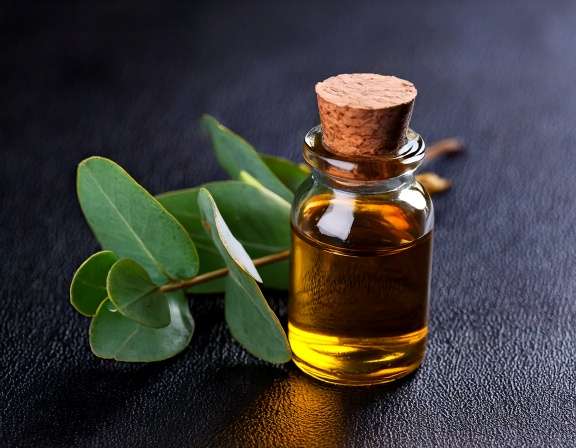
This is where eucalyptus essential oil for allergies comes up a lot. It can make breathing feel easier and help with that clogged, irritated feeling, but it’s not a cure for allergies (and it won’t “shut off” your immune response to pollen).
Can eucalyptus essential oil help allergies, what it can and can’t do
Eucalyptus essential oil is best known for one thing: that crisp, clearing smell that makes you feel like your nose just “opened.” The main compound behind that sensation is often 1,8-cineole (also called eucalyptol). When you inhale it (gently and in small amounts), it can feel soothing in irritated airways and may help loosen that thick, sticky mucus feeling.
Here’s the important distinction: allergies are driven by an immune response, often involving histamine. That’s what causes things like sneezing fits, itchy eyes, and watery runny noses. Eucalyptus does not stop histamine from doing its thing. What it can do is help you feel more comfortable when allergies leave your nose and sinuses inflamed and clogged.
Think of it like this: allergies are the fire alarm going off, eucalyptus is more like opening a window so the room feels less stuffy. Helpful, but not the same as fixing the wiring.
Common allergy symptoms eucalyptus may ease (for some people):
- Stuffy nose and “blocked” breathing
- Sinus pressure and that full-face heaviness
- Post-nasal drip feeling (when mucus feels stuck in the back of your throat)
Symptoms eucalyptus won’t fix (and should not be used as your main plan for):
- Hives or itchy skin reactions
- Severe swelling (lips, face, throat)
- Asthma attacks or sudden wheezing
- Anaphylaxis (medical emergency)
Quality matters more than most people think. Look for 100% pure essential oil from a brand that provides batch testing, a clear botanical name, and sourcing details. Avoid anything labeled “fragrance oil” or “perfume oil.” If you want more background on how people use it for breathing comfort, see Eucalyptus oil benefits for sinus relief.
Allergies vs colds, why eucalyptus can feel helpful either way
Allergies and colds can look weirdly similar at first. Both can leave you congested, tired, and reaching for tissues. The difference is the trigger.
- Allergies: your body reacts to pollen, dust, pet dander, mold, and other triggers. It tends to come with itching (eyes, nose, throat) and sneezing.
- Colds: a virus irritates your airways. You might get a sore throat, body aches, and sometimes a fever.
Eucalyptus can feel helpful in both cases because it’s mainly about the “blocked up” sensation. If your nose is swollen and your sinuses feel tight, that cooling, clearing inhale may help you feel like you can take a deeper breath.
Example: if you’re fine indoors but get stuffy after walking the dog, that’s a classic allergy pattern. Eucalyptus won’t remove the pollen, but it may make the congestion feel less intense once you’re back inside.
What the science says, simple summary without hype
Research on 1,8-cineole is stronger for airway comfort and mucus loosening than it is for treating the allergic reaction itself. In plain terms, it may help you feel less congested and support easier breathing when your nose and sinuses are irritated.
What it doesn’t prove: that eucalyptus “cures allergies” or replaces medical care for asthma, severe allergic rhinitis, or sinus infections.
If symptoms are severe, keep coming back, or you have asthma, talk with a clinician. Breathing issues shouldn’t be a DIY project.
Safe ways to use eucalyptus essential oil for allergy relief at home
Before we get into methods, a few safety basics that matter every time:
- Don’t take essential oils by mouth unless a qualified clinician specifically guides you.
- Keep eucalyptus away from eyes, inner nose, and other delicate areas.
- Wash your hands after handling the bottle (it’s easy to rub your eyes without thinking).
- For skin use, do a patch test and stick to low dilution.
Eucalyptus is strong. The goal is a gentle nudge, not a face-full of fumes.
Diffuser tips for a stuffy nose, amounts and timing that make sense
Diffusing is one of the easiest ways to use eucalyptus essential oil for allergy season, especially when congestion is the main issue.
A safe way to start:
- Start with 2 drops of eucalyptus in your diffuser.
- Diffuse for 15 to 30 minutes, then stop.
- Open a window or refresh the air before running another short session.
If you tolerate it well, you can increase slowly, but more isn’t always better. Too much can cause headaches, throat scratchiness, or that “overpowering” feeling.
A few practical rules that keep it comfortable:
- Don’t run it all night while you sleep. Short sessions work fine.
- Use it in a well-ventilated room, especially in small spaces.
- If anyone in the home gets irritated (coughing, watery eyes, headache), turn it off and air the room out.
Kids and pets change the equation. Diffuse cautiously, keep the door open so they can leave, and stop fast if you notice any reaction. If you want blend ideas that mix eucalyptus with other oils people use during allergy season, check out DIY aromatherapy blends for allergy symptoms.
Steam inhalation and shower steamers, quick relief for sinus pressure
Steam can be amazing when your face feels tight and full. It also has the most “instant” feel, so it’s easy to overdo. Keep it gentle.
Safe steam inhalation (adult method)
- Boil water, then turn off the heat.
- Pour hot water into a bowl and let it sit for about 1 minute.
- Add 1 drop of eucalyptus essential oil (2 drops max).
- Keep your face back, eyes closed, and breathe normally for 5 to 10 minutes.
Stop right away if you start coughing, wheezing, or feel chest tightness. Steam should feel soothing, not harsh.
Simpler shower method
- Add 1 drop to a wet washcloth.
- Place the cloth in the shower where it won’t sit against your skin and won’t be directly under the water stream.
- Let the steam carry the scent.
This method is lower effort and lowers the risk of getting oil too close to your eyes.
Extra caution: steam can burn. This is also not a good method for young kids.
Topical use for chest and neck, how to dilute it safely
If you like the “breathe-easy rub” idea, dilution is non-negotiable. Eucalyptus can irritate skin fast when used neat.
A beginner-friendly dilution for most adults is 1%:
- 1% dilution = 1 drop essential oil per 1 teaspoon (5 ml) carrier oil
Good carrier oils: fractionated coconut oil, jojoba oil, sweet almond oil.
Simple breathe-easy rub (1% dilution)
- 1 teaspoon carrier oil
- 1 drop eucalyptus essential oil
- Optional: 1 drop lavender essential oil (many people find it softer on the senses)
Apply a small amount to your upper chest or the back of the neck.
Important don’ts:
- Don’t apply to your face, under your nose, or inside your nostrils.
- Don’t apply on broken or irritated skin.
- Wash hands after applying, even if you used a roller bottle.
Who should avoid eucalyptus, common side effects, and when to get medical help
Eucalyptus essential oil is popular, but it isn’t “gentle” for everyone. Some people do great with it, others get irritated fast. Your history matters more than what works for your friend.
People who should avoid it, or get medical advice first:
- Infants and young children (their airways are sensitive, and dosing is tricky)
- Pregnancy and breastfeeding (ask your clinician first)
- Asthma or COPD (scents can trigger symptoms)
- Seizure history (some essential oils can be a concern)
- Sensitive skin, eczema, or fragrance sensitivity
- Anyone on medications where you’re unsure about interactions (a pharmacist can help with a quick check)
Common side effects to watch for:
- Eye, nose, or throat irritation
- Headache or nausea (often from too much, too long)
- Skin redness, burning, or rash after topical use
If you get irritation, stop using it, wash the area with soap and water (for skin exposure), and get fresh air.
Accidental ingestion is a big deal. If someone swallows eucalyptus oil, contact Poison Control right away (US: 1-800-222-1222) or your local poison hotline. Don’t wait for symptoms.
Kids, pets, and asthma, extra caution rules
A few simple rules prevent most problems:
- Don’t use eucalyptus around babies.
- Don’t diffuse in a closed room with kids.
- Never apply eucalyptus under a child’s nose (or on their face).
- Store bottles locked up or up high and out of reach, oils are small but potent.
- For pets: watch for drooling, pawing at the face, hiding, vomiting, or acting “off.” If you see it, stop diffusing and ventilate.
For asthma, be strict: if eucalyptus makes you cough, wheeze, or feel tight-chested, it’s not the right oil for you. Stop immediately and follow your asthma action plan.
Red flags that mean you should stop and call a pro
Stop using eucalyptus and get medical help if you notice:
- Trouble breathing, wheezing, or chest tightness
- Swelling of lips, tongue, face, or throat
- Hives spreading fast
- High fever
- Symptoms lasting more than 10 to 14 days
- Severe sinus pain (especially one-sided)
- Thick green discharge with worsening symptoms
Any signs of anaphylaxis (trouble breathing, swelling, faintness) call emergency services.
If you’re building a broader allergy routine with other oils and home habits, Seasonal allergy remedies using essential oils can help you see where eucalyptus fits and where it doesn’t.
Conclusion
Eucalyptus essential oil can be a solid add-on for allergy season when congestion and sinus pressure are the main problem. Used the right way, it can help you feel clearer and more comfortable, especially when your nose feels swollen and stubborn.
Start with the safest options: short diffuser sessions, gentle steam with 1 to 2 drops max, or a properly diluted chest rub (about 1% for most adults). Keep it out of your eyes and off your face, and stop if you feel irritated.
Pick one method to try today, use a small amount, and track how you feel afterward. If you have asthma, you’re pregnant, or your symptoms are severe or lingering, check in with a clinician so you’re not guessing with your breathing and allergy health.
Stay Connected for More Natural Living Inspiration
If you enjoyed this post about herbal wellness and love discovering natural ways to refresh your home and wellness, don’t miss out on future recipes and clean-living tips! Subscribe to the blog for weekly DIYs, wellness inspiration, and herbal remedies delivered straight to your inbox.
Don’t forget to visit my Amazon storefront for the links to my favorite essential oils, herbal teas, and natural recipes. I also create YouTube ambiance videos for sleeping; a channel I created to help people who have trouble sleeping. The link to all social media content is here.
Thanks for coming by!


You must be logged in to post a comment.