

(DISCLAIMER: I am not a doctor, and you should consult your healthcare professional before starting any health regimen.)

A stuffy morning can make the whole day feel smaller. Your eyes itch, your throat feels scratchy, and even a bright spring window seems to carry too much pollen inside.
Many people reach for essential oils for allergies to make their home feel fresher and their wellness routine more comforting. These concentrated plant aromas can support a soothing sensory ritual, while personal allergy care should always match your symptoms, sensitivities, and health needs.
The ideas below cover familiar oils, gentle ways to enjoy them, herbal tea for throat comfort, and three simple recipes for adults.
Key Takeaways
- Eucalyptus, peppermint, lavender, tea tree, and lemon are popular choices for seasonal aromatherapy because each brings a distinct scent to a room or personal ritual.
- Essential oils for allergies fit best as a comfort practice. Their aromas can make a space feel crisp, calm, bright, or relaxing during a difficult allergy day.
- Short diffuser sessions in a well-ventilated room and indirect inhalation from a tissue are easy starting methods for many adults.
- Topical blends need a carrier oil. A mild adult dilution of about 1% to 2% offers a practical starting point, with lower concentrations for sensitive users.
- Children, older adults, pregnant people, and people with fragrance sensitivity benefit from extra-gentle routines and individualized professional guidance.
- Warm caffeine-free herbal tea supports hydration and can feel soothing when postnasal drip leaves the throat dry or irritated.
- Breathing trouble, chest tightness, facial swelling, or rapidly worsening symptoms deserve prompt medical care.
Essential Oils for Allergies: Which Oils Are Commonly Used?
Aroma preference matters. Some people love the bracing lift of mint, while others settle best with a soft floral note near bedtime. Start with one familiar oil rather than filling the room with several strong scents at once.
A seasonal allergy aromatherapy guide can also help you compare scent profiles and build a simple routine around the oils you already enjoy.
Eucalyptus and peppermint for a fresh, open feeling
Eucalyptus has a crisp, camphor-like aroma that can make a room feel cool and freshly aired. Many people enjoy it in a morning diffuser blend after a night of stuffiness.
Peppermint smells bright, green, and distinctly minty. Its cooling sensory character can feel refreshing during a warm, pollen-heavy afternoon. Together, eucalyptus and peppermint create a lively room aroma without overpowering softer oils.
Use a light hand around young children, pets, people with asthma, and fragrance-sensitive guests. Review eucalyptus aromatherapy precautions before bringing this strong oil into a shared home.
Lavender for a calmer evening routine
Lavender has a gentle floral-herbal scent that many people associate with winding down. It works well in an evening diffuser session, a bedside tissue ritual, or a low-dilution pulse-point blend.
Better rest can make a long allergy season feel more manageable. A calming bedroom atmosphere also gives you a pleasant alternative to stronger, sharper aromas after a busy day.
For skin use, blend lavender with a carrier oil and patch test first. Sweet almond, jojoba, and fractionated coconut oil are all popular choices for a simple personal blend.
Tea tree and lemon for fresh-smelling spaces
Tea tree brings a sharp, herbal, almost medicinal scent to diffuser blends. It pairs well with lemon when you want a room to smell clean and bright after closing the windows.
Lemon adds a sunny citrus note that can lift heavier herbal aromas. A few drops in a diffuser or room mist often create a cheerful atmosphere for kitchens, entryways, and workspaces.
Tea tree calls for thoughtful skin use because concentrated oils deserve gentle handling. Lemon oil also needs special attention in leave-on products, especially before sun exposure. Keep both oils centered on scent, atmosphere, and careful dilution.
How to Use Essential Oils for Allergy Season Comfort
Essential oils are concentrated botanical materials, so small amounts go a long way. Choose one method, begin gently, and notice how your body and household respond to the aroma.
A simple routine feels more inviting when it leaves plenty of fresh airflow in the room.
Diffusion and indirect inhalation
Fill your diffuser according to its manufacturer instructions, then use a small number of drops for a brief session. Open a door or window when practical, and give the room fragrance-free breaks between sessions.
For a personal option, place one drop on a tissue and hold it nearby for a brief inhale. Smelling the bottle lid is another low-exposure way to enjoy an aroma before deciding whether it belongs in a blend.
Shared spaces call for a lighter touch. How to use essential oil diffusers safely offers useful guidance for homes with children, pets, older adults, or guests with scent sensitivities.
Dilution basics for skin and pulse-point blends
Carrier oil turns a concentrated essential oil into a skin-friendly personal blend. For many adults, about 1% to 2% dilution is a useful range for occasional pulse-point use.
One drop of essential oil in one teaspoon of carrier oil creates a mild blend. Sensitive skin often feels best with an even lower concentration and a small patch test on the inner forearm before regular use.
Apply a tiny amount to intact skin after the patch test. Keep blends away from the eyes, inner nose, lips, and other delicate areas. These essential oil dilution and patch testing practices make personal aromatherapy more comfortable.
Who should use extra care with essential oils?
Children, pregnant people, older adults, and people with asthma or fragrance sensitivity benefit from lower dilutions and a gentle approach. Johns Hopkins Medicine lists child dilution ranges that vary by age, weight, and individual needs.
For example, Johns Hopkins lists 0.25% to 0.5% for children ages 3 to 24 months, while children ages 2 to 6 years may use 1% to 2% with appropriate guidance. Pregnancy routines also benefit from individualized advice, with professional aromatherapy guidance often favoring low topical dilutions.
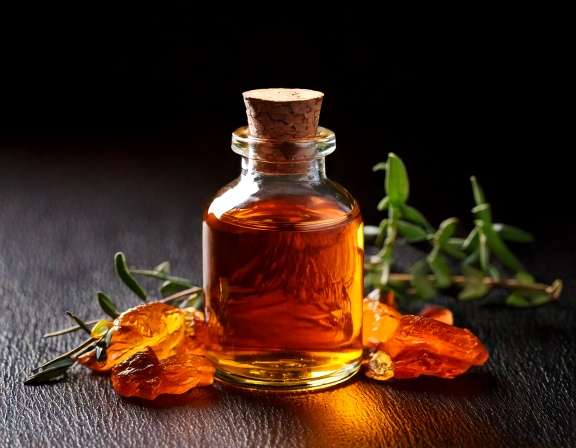
Keep bottles upright, tightly closed, and out of children’s reach. Use oils externally and reserve ingestion for direction from a qualified professional who knows your health history and the specific product.
Simple Essential Oil Recipes and Herbal Tea Ideas
These adult-focused ideas keep the emphasis on pleasant scent, small amounts, and a relaxed home atmosphere. Choose quality oils labeled with their botanical name, and adjust the aroma to your preference.
Seasonal Soothe diffuser blend
Ingredients
- 1 drop eucalyptus essential oil
- 2 drops lavender essential oil
- 1 drop lemon essential oil
- Water for your diffuser
Add water up to your diffuser’s fill line, then add the oils within the drop limit listed by the manufacturer. Run the blend for a short session in a well-ventilated room. The eucalyptus and lemon smell crisp, while lavender softens the blend with a calm floral finish.
Gentle lavender and peppermint pulse oil
Ingredients
- 1 drop lavender essential oil
- 1 drop peppermint essential oil
- 2 teaspoons jojoba oil or fractionated coconut oil
- One small glass roller bottle or capped glass bottle
Combine the oils in the bottle and swirl gently. Patch test the blend before regular use, then apply a small amount to pulse points on intact skin. Peppermint brings a cooling sensation, while lavender gives the blend a softer finish. Keep the oil away from the eyes, nose, broken skin, and areas used by young children.
Lavender and lemon room or linen mist
Ingredients
- 3 drops lavender essential oil
- 2 drops lemon essential oil
- 1 teaspoon polysorbate 20 or another solubilizer made for essential oils
- 2 ounces distilled water
- One small spray bottle
Blend the essential oils with the solubilizer first, then add distilled water and cap the bottle. Shake before each use and mist lightly into the air or onto suitable linens after testing a hidden spot. Keep the mist away from eyes, pets, children, and delicate fabrics. Citrus blends belong on fabrics and in the air, not on skin before sun exposure.
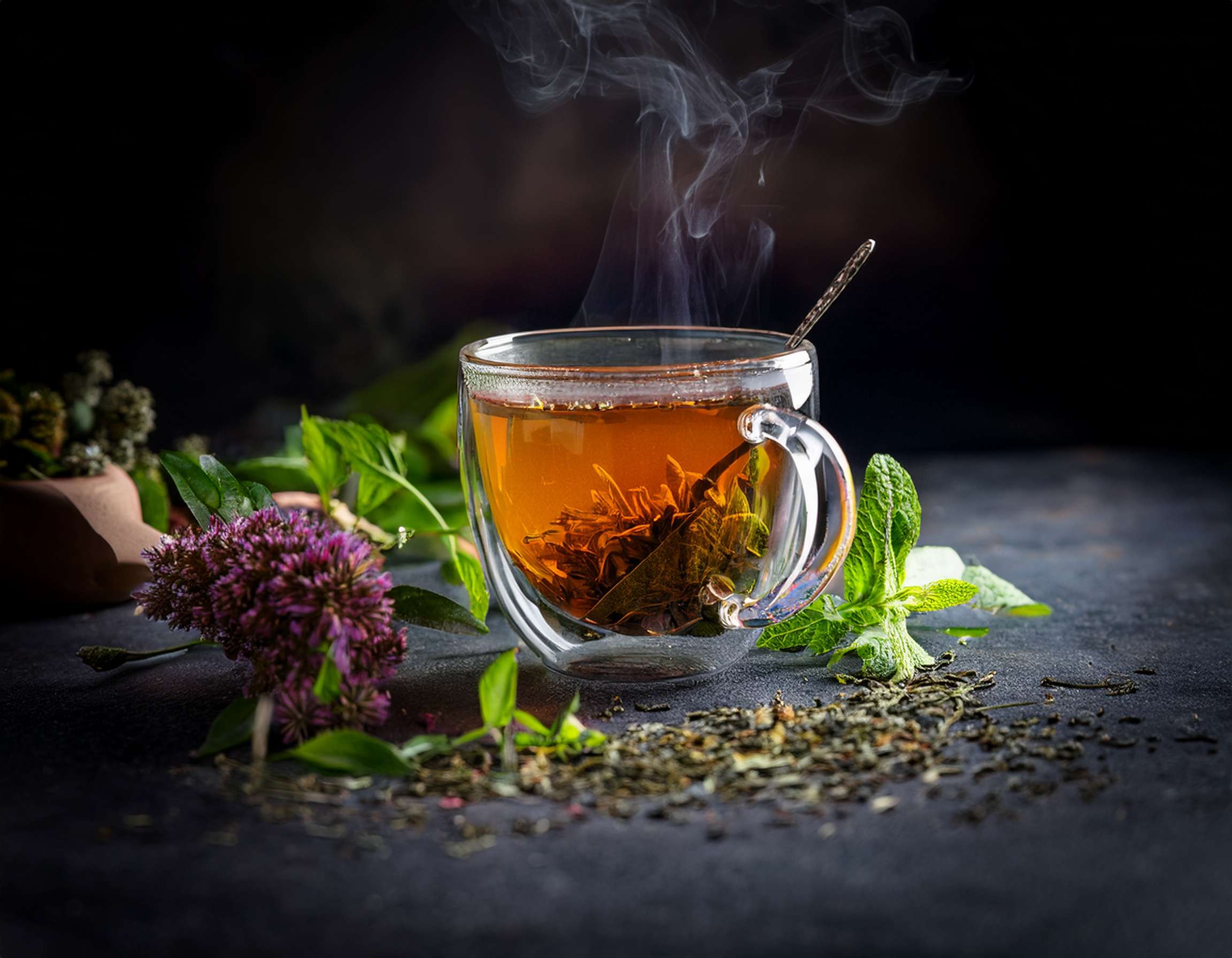
Warm herbal tea for throat comfort
Ingredients
- 1 caffeine-free herbal tea bag, such as chamomile, peppermint, or ginger
- Hot water
- Honey or lemon, if desired and personally suitable
Steep the tea according to the package directions and sip it while warm. The steam, warmth, and extra hydration can feel comforting when the throat feels dry from postnasal drip. Choose herbs you already tolerate, and ask a qualified professional about blends that fit your medicines or known plant allergies.
Frequently Asked Questions
Can essential oils replace my usual allergy care?
Essential oils work best as part of a broader comfort routine. Continue with the personal care plan that fits your symptoms, and use aromatherapy for the pleasant sensory support it brings to your day.
A light diffuser session, a carefully diluted pulse oil, or a warm cup of tea can fit around the routines that already help you feel well.
How long should a diffuser run during allergy season?
Follow your device’s instructions and begin with a short session. Fresh airflow and regular fragrance-free breaks help keep the room comfortable, especially when several people share the space.
A smaller amount of oil often creates a more pleasant result than a heavily scented room.
Can I use essential oils in my bedroom overnight?
A brief evening session can create a relaxing pre-bed ritual. Many people prefer turning the diffuser off before sleep, then enjoying the lingering scent in a room with comfortable airflow.
Lavender is a popular option for this quieter part of the day because its aroma is softer than eucalyptus or peppermint.
Which carrier oil works best for a pulse-point blend?
Jojoba, fractionated coconut oil, and sweet almond oil are common choices because they spread easily and have mild scents. Pick one that suits your skin and personal preferences.
A patch test remains a smart step with every new carrier oil and essential oil combination.
What should I do if someone accidentally swallows an essential oil?
Poison Control recommends prompt guidance for any essential-oil ingestion in the United States. Its online tool and the phone line at 1-800-222-1222 can provide immediate, situation-specific support.
Keep the bottle available so you can share the product name and ingredients.
How should I store essential oils?
Store bottles upright with caps secured, away from heat, direct sunlight, and children’s reach. Dark glass bottles help protect the oils from light exposure.
Clear labels also make it easier to recognize each oil and follow its intended use.
A Calmer Way to Enjoy Seasonal Aromas
Start with one aroma you already enjoy, then choose a simple method such as a short diffuser session or a low-dilution pulse oil. Good ventilation, careful dilution, and a comfortable scent level make essential oils for allergies a pleasant addition to a seasonal wellness routine.
Herbal tea can bring the same sense of care through warmth, hydration, and a soothing pause. Prompt care remains important for breathing trouble, chest tightness, facial swelling, or symptoms that rapidly worsen.
Stay Connected for More Natural Living Inspiration
If you enjoyed this post about herbal wellness and love discovering natural ways to refresh your home and wellness, don’t miss out on future recipes and clean-living tips! Subscribe to the blog for weekly DIYs, wellness inspiration, and herbal remedies delivered straight to your inbox.
Don’t forget to visit my Amazon storefront for the links to my favorite essential oils, herbal teas, and natural recipes. I also create YouTube ambiance videos for sleeping; a channel I created to help people who have trouble sleeping. The link to all social media content is here.
Thanks for coming by!

Leave a Reply