(DISCLAIMER: I am not a doctor, and you should consult your healthcare professional before starting any health regimen.)

Key takeaways about butterfly pea flower tea
- It is naturally caffeine-free, making it an excellent choice for calm afternoon or evening sipping.
- This herbal tea is rich in plant compounds and antioxidant properties that may help protect cells from oxidative stress.
- It brews best using dried flowers and hot water, followed by a simple strain.
- A short steep results in a lighter blue cup, while a longer steep produces a deeper color and a more robust taste.
- Many people enjoy the drink for relaxation, though scientific research supporting specific health claims is still in the early stages.
- Consult with a healthcare professional before use if you are pregnant, breastfeeding, taking medication, or managing a pre-existing health condition.
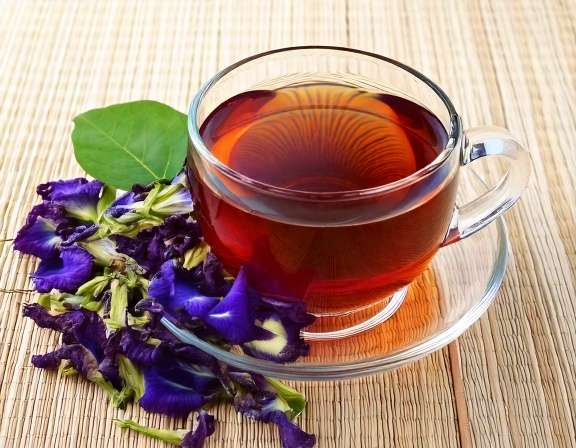
A cup of butterfly pea flower tea looks like liquid twilight, bright blue and almost jewel-like in the glass. The vibrant color catches your eye first, then the soft herbal aroma pulls you in.
People keep talking about this blue tea because it feels both simple and a little surprising. It is a caffeine-free herbal tea made from dried butterfly pea flowers native to Southeast Asia, and it has a mild taste that leaves plenty of room for creative blends. Below, you will find the main wellness ideas people associate with it, the best way to brew it, easy flavor ideas, and a few safety notes to keep in mind.
What is butterfly pea flower tea and why people drink it
Butterfly pea flower tea is derived from the petals of the butterfly pea plant, known scientifically as Clitoria ternatea. This climbing vine produces vivid blue blossoms that appear almost painted by hand. When these dried petals meet hot water, they release a striking blue pigment that has made the beverage popular as a natural food coloring and a natural dye in culinary circles.
The tea has gained widespread attention because it looks beautiful in a cup, but its appeal extends far beyond its aesthetic. Because it has such a mild profile, it is frequently used in wellness drinks, herbal tea blends, and creative cocktails and mocktails. Perhaps its most famous trait is its color changing abilities. When you add a splash of citrus, the ph level of the tea shifts in response to the acidity of the lemon juice, turning the drink from deep blue to a vibrant purple shade.
The tea stands out from other herbal infusions because it feels both quiet and playful. You can drink it plain or use it as a base for layered drinks featuring fresh fruit, herbs, and spices.
From flower to cup, the basic story
Dried butterfly pea flowers are the primary ingredient for this tea. Once the petals are dried, they retain much of their intense color and can be stored easily in a jar or tin. A small amount of dried flowers goes a long way.
The brewed tea usually appears blue, though the intensity can vary from a pale sky blue to a deep indigo. That saturation depends on how many flowers you use and your preferred steeping time. Because of its dramatic transformation, butterfly pea flower tea is a favorite for anyone looking to add visual flair to a drink without overpowering the palate with a strong or bitter flavor.
What it tastes like and how it smells
Butterfly pea flower tea features a mild, earthy flavor that many describe as clean and slightly grassy. Some people notice a soft bean like note, while others find the profile almost neutral.
The scent is equally gentle. It does not hit the nose with the intensity of chamomile or peppermint. That mildness is precisely why it pairs so well with honey, mint, ginger, or citrus fruits. On its own, the tea is calm and understated, serving as a blue canvas waiting for the right ingredients to bring out its hidden potential.
Health benefits of blue tea
The most well-known butterfly pea flower tea benefits stem from its rich profile of plant compounds, particularly antioxidants. While many health claims surrounding butterfly pea flower tea are rooted in traditional medicine or preliminary research, it is best viewed as a supportive herbal beverage rather than a clinical cure.
Even with that balanced perspective, this vibrant drink has earned a place in many wellness routines. It is easy to prepare, caffeine-free, and pleasant to sip. If you are looking for a natural herbal tea for relaxation, it serves as a wonderful, calming addition to your evening wind-down ritual.
A potent source of antioxidants
The deep blue color of the tea comes from anthocyanins, which are powerful plant compounds that help the body fight free radicals. By neutralizing these unstable molecules, the antioxidants in the tea help protect your cells from oxidative stress. While a single cup is not a miracle cure, incorporating it into your day is a simple way to increase your intake of beneficial plant-based compounds.
A caffeine-free choice for stress relief
Because it is naturally caffeine-free, butterfly pea tea is a soothing option when you want a warm drink without a stimulant jolt. This makes it ideal for moments of stress relief during a hectic workday or as part of a quiet evening routine. For many, the simple ritual of brewing this vibrant blue tea creates a intentional pause that helps the body and mind settle.
Supporting cognitive function, eyes, and skin
Butterfly pea tea has long been used in Ayurveda to support general wellness, and modern interest continues to grow regarding its potential health impacts:
- Brain function: Some people drink the tea for cognitive function, as the antioxidants are believed to support overall brain health and focus.
- Eye and skin health: The tea is often associated with improvements in eye health. Additionally, its compounds are sometimes linked to skin health and the promotion of collagen production, which may also support hair growth.
- Metabolic support: There is frequent discussion regarding butterfly pea tea for weight loss. While some believe it may help boost metabolism, more rigorous scientific research is needed to confirm these effects.
- Blood sugar and inflammation: Researchers are exploring the tea’s potential impact on maintaining healthy blood sugar levels and its general anti-inflammatory effects within the body.
The evidence for these specific benefits is still emerging, so these effects are not guaranteed. However, the tea remains a popular choice for those seeking a light, functional beverage that feels more intentional than sugary alternatives.
Steeping instructions for the perfect blue tea
The cleanest cup starts with dried flowers, hot water, and the right steep time. You do not need special tools, as a mug, a teaspoon, and a strainer are enough to prepare this herbal infusion.
A shorter steep gives you a brighter blue. A longer steep gives you a deeper color and a stronger herbal taste.
The easy hot tea method
Follow these simple steeping instructions for one cup:
- Add about 1 teaspoon of dried butterfly pea flowers to a mug or teapot.
- Pour in 1 cup of hot water.
- Steep for 3 to 5 minutes if you want a light blue tea.
- Steep for 10 to 15 minutes if you want a darker color and fuller flavor.
- Strain out the flowers and drink it plain, or add a little honey.
If you want a stronger cup for iced tea, use a bit more flower rather than stretching the steep time too far. That keeps the flavor from getting rough.
How to make iced butterfly pea tea
Iced butterfly pea tea is easy to build once the hot tea is ready. Brew it a little stronger than usual, then let it cool for a few minutes.
Pour the tea over a glass full of ice. If you want a color shift, add a squeeze of lemon or lime. The blue often turns purple or violet, which makes the drink look dramatic without much effort. A sprig of mint works well too.
How to get the best color without making it bitter
The bright blue color comes out well even with a short steep. If you leave the flowers in too long, the tea can taste more intense and a little bitter. Start small, then adjust next time.
For most people, that means testing a 5-minute steep first. If the color feels too pale, go longer on your next cup. That way, you find the line between a pretty drink and one that tastes too sharp.
Simple ways to flavor and serve it at home
Butterfly pea flower tea has a mild, earthy taste, which makes it a perfect blank canvas for your favorite flavors. A small addition can completely shift the mood of your cup, whether you are looking for something warm and comforting or bright and refreshing. Because of its versatility, this herbal infusion is excellent for experimenting with various ingredients to suit your mood.
Easy pairings that taste good with the tea
- Honey: Softens the herbal profile and adds a smooth finish to your butterfly pea flower tea.
- Lemon or lime: These citrus juices sharpen the flavor and trigger the tea’s famous color-changing abilities, turning the deep blue liquid into a vibrant purple or pink.
- Mint: Adds a cooling, refreshing sensation that works well in both hot and iced versions.
- Ginger: Provides a gentle bite and a warming quality, making it ideal for a cozy cup.
- Lavender: Introduces a floral note that is perfect for a relaxing, bedtime-style drink.
- Cinnamon: Gives your tea a comforting scent and a subtle touch of spice.
If you enjoy tart and fruity flavors, butterfly pea flower tea also pairs beautifully with hibiscus. This blend offers a striking color contrast and a brighter taste profile. For another floral-herbal blend idea, see these benefits of hibiscus tea.
Two quick recipe ideas readers can try
- Soothing evening cup
Steep 1 teaspoon of dried flowers in 1 cup of hot water for 5 to 7 minutes. Strain the liquid, then stir in a little honey and a thin slice of fresh ginger for a calming treat. - Bright iced citrus tea
Brew a stronger concentration by steeping 2 teaspoons of dried flowers in 1 cup of hot water. Allow it to cool, pour over ice, and finish with a squeeze of fresh lemon juice. This method highlights the tea’s color-changing abilities and is a popular base for creative cocktails and mocktails.
Both recipes are easy to adjust based on your preferences. If you want a deeper blue hue, simply add more flowers. If you prefer a softer flavor profile, shorten the steeping time and use a lighter hand with your citrus additions.
Who should be careful with butterfly pea tea
While most individuals can safely enjoy butterfly pea flower tea in moderate amounts, certain people should exercise caution. Some drinkers report mild stomach upset, particularly after consuming a very concentrated brew.
If you are pregnant or breastfeeding, please consult with a healthcare professional before making this beverage a regular part of your diet. The same advice applies if you are currently taking medication or managing an underlying health condition. Herbal teas can sometimes interact with your health needs in ways that are not immediately obvious.
It is a good idea to start with a small cup if you are trying this tea for the first time. This simple step allows you to monitor how your body responds to the drink before consuming it in larger quantities.
Frequently Asked Questions
Is butterfly pea flower tea naturally caffeine-free?
Yes, it is completely caffeine-free, making it a perfect choice for an evening drink or a calming break during the day. Because it lacks stimulants, you can enjoy it without worrying about the jittery side effects often associated with traditional black or green teas.
Why does the tea change color when I add lemon?
This is caused by the shift in pH levels when the acidic lemon juice meets the tea’s natural pigments. The anthocyanins in the flowers react to the acidity by shifting from their signature deep blue to a vibrant purple or magenta hue.
Can I drink butterfly pea flower tea every day?
For most people, enjoying a cup of this herbal tea in moderation is considered safe and part of a healthy routine. However, if you are pregnant, nursing, or taking regular medication, it is best to consult your healthcare provider first to ensure it fits your specific health needs.
What is the best way to store dried butterfly pea flowers?
To keep the petals fresh and vibrant, store them in an airtight container or a sealed tin kept in a cool, dark place. Moisture and direct sunlight can cause the flowers to lose their color and potency over time.
Conclusion
Butterfly pea flower tea is popular for good reason. It brings a vivid blue color, a mild taste, and potential health benefits derived from its unique plant compounds. When brewed with dried flowers and hot water, it creates a clean, simple cup that is easy to enjoy plain or dressed up with lemon, mint, or honey.
This blue tea is a wonderful, unique addition to any wellness routine, offering both visual appeal and herbal properties that support your lifestyle. The best results come from a light hand and a little patience. Keep the steep time in check, use it in moderation, and pay attention to how your body responds to it.
Try a basic cup at home, then adjust the flavor until it perfectly suits your taste.
Stay Connected for More Natural Living Inspiration
If you enjoyed this post about herbal wellness and love discovering natural ways to refresh your home and wellness, don’t miss out on future recipes and clean-living tips! Subscribe to the blog for weekly DIYs, wellness inspiration, and herbal remedies delivered straight to your inbox.
Don’t forget to visit my Amazon storefront for the links to my favorite essential oils, herbal teas, and natural recipes. I also create YouTube ambiance videos for sleeping; a project I created to help with insomnia symptoms and the second channel, Rooted in Nature YouTube Channel both channels feature herbal recipes for wellness and home. The link to all social media content is here.
Thanks for coming by!



Leave a Reply