
(DISCLAIMER: I am not a doctor, and you should consult your healthcare professional before starting any health regimen.)

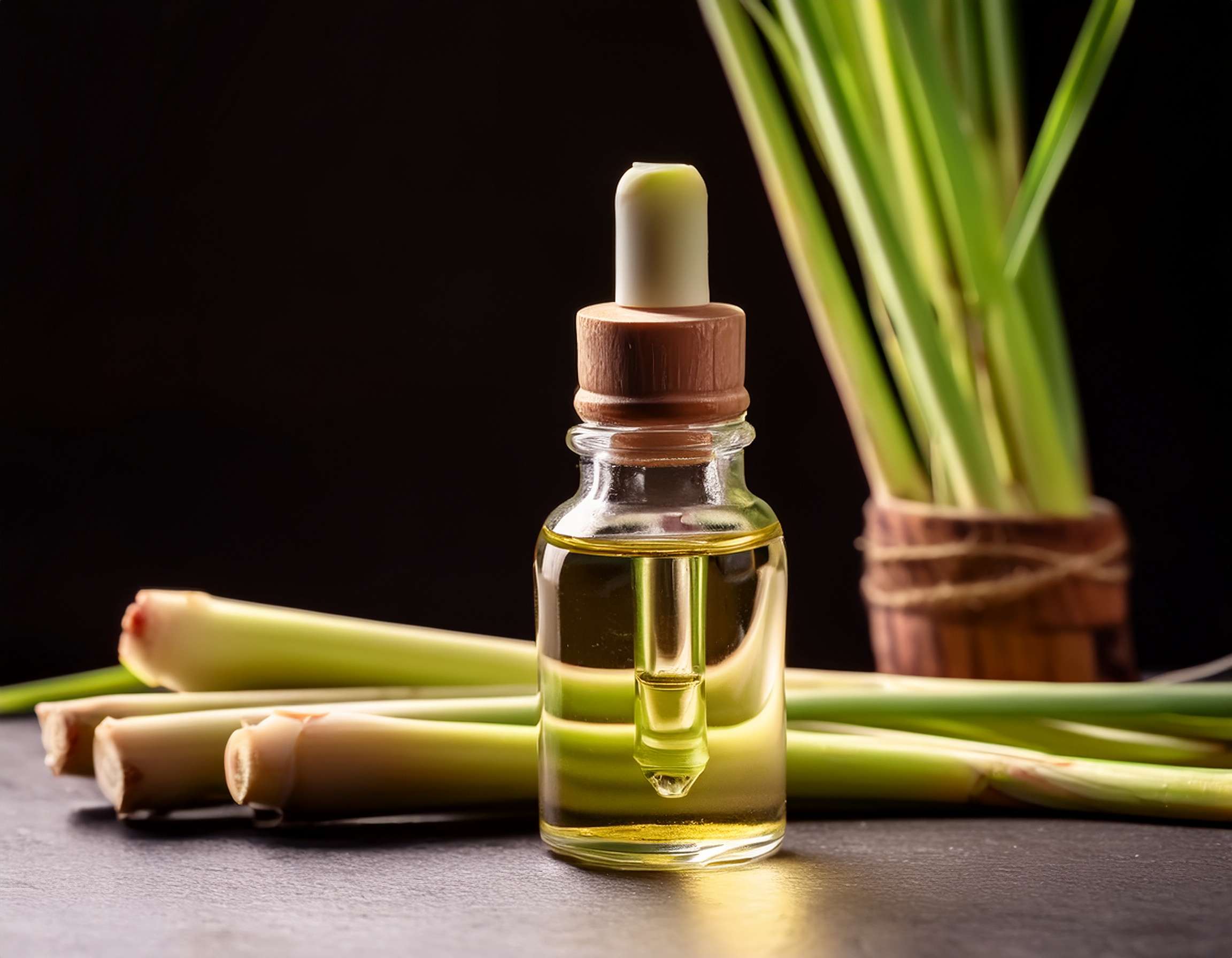
Lemongrass has a bright, fresh, lemony-green scent that can fill a room with only a few drops. Pair it with lime, and it feels livelier. Add a floral note, and its sharper edges soften.
If you’ve wondered what to mix with lemongrass essential oil, start with the scent you want to enjoy. Citrus, mint, flowers, herbs, and woods each take it in a different direction. Small blends make those differences easy to notice.
These pairing ideas lead into three DIY recipes for a diffuser, a room spray, and a diluted body oil. A few simple use and safety habits will help you enjoy each one.
Key Takeaways for Pairing Lemongrass Oil
- Lime and spearmint bring out lemongrass’s crisp, fresh character.
- Geranium, ylang ylang, and vanilla give its citrus-herbal scent a softer feel.
- Basil, rosemary, and spruce add herbal or woody depth.
- Try a diffuser blend, a room spray, and an adult-use body oil using the recipes below.
- Keep blends simple, follow product directions, and dilute essential oils properly before applying them to skin.
Lemongrass Essential Oil Pairings for Every Mood
Lemongrass already has plenty of presence. Its lemony scent has a green, grassy edge, so a partner oil can change the whole feel of a blend without taking over. Start with one companion scent. Then smell the combination before adding a third.
Add lime or spearmint for a bright, fresh blend
Lime gives lemongrass a lively citrus lift. Together, they smell sunny and crisp, with the grassy note keeping the blend distinct from a plain citrus scent. Spearmint adds a cooler, sweeter finish that feels light rather than icy.
For a home diffuser, try 1 drop lemongrass, 3 drops lime, and 1 drop spearmint. Add the oils according to your diffuser’s directions, and use the water amount its manual recommends. If you prefer a gentler scent, make your next batch with fewer drops while keeping the same balance.
Other citrus oils can work, too. Sweet orange brings a rounder sweetness, while lemon keeps the blend brisk. For more ideas suited to a water-based device, see these lemongrass diffuser blends for a fresh home.
Soften the sharp edges with floral or sweet notes
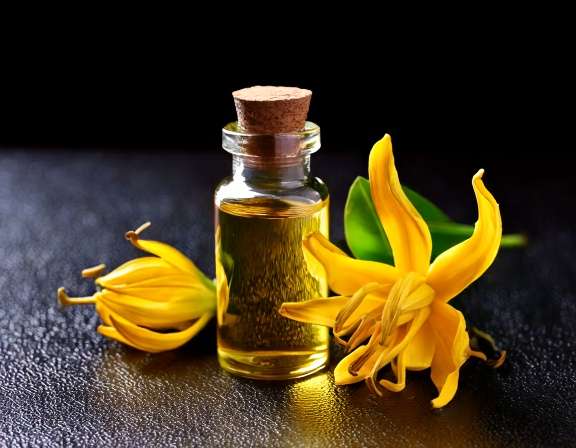
Geranium adds a rosy, green quality that sits comfortably beside lemongrass. Ylang ylang is richer and sweeter, so a little can change the blend quickly. Vanilla brings a warm sweetness when you use an aromatic vanilla product suited to your chosen method.
Begin with one drop of your floral or sweet note alongside lemongrass. Smell the oils together on separate scent strips before committing them to a recipe; that gives you room to adjust each one. Vanilla extracts and absolutes vary in thickness, so check the label before putting one in a diffuser.
If you like a gentle floral impression, reach for geranium first. Choose ylang ylang when you want a fuller, more perfumed aroma.
Bring in herbs or woods for a grounded aroma
Basil and rosemary make lemongrass smell greener. Basil can lend a sweet herbal note, while rosemary adds a sharper, garden-like character. Spruce takes the pairing toward a cool, woody scent that feels at home on a rainy afternoon.
A deeper note often needs less space in a blend than you expect. Try smelling one drop of rosemary or spruce alongside lemongrass on separate scent strips, then adjust the balance. If you’re new to combining oils, these beginner tips for blending essential oils offer a useful starting point.
Three Easy DIY Recipes with Lemongrass Oil
Pick the recipe that suits how you’d like to enjoy the scent. A diffuser scents the air while it runs, a room spray offers a quick burst of fragrance, and a body oil keeps the aroma close. Each preparation needs its own kind of care, so use the ingredients and directions for that recipe.
Fresh Citrus-Mint Diffuser Blend
This pairing opens with lime, then leaves a cool hint of spearmint behind the lemongrass. It’s a cheerful choice when you’d like your space to smell fresh.
Ingredients
- 1 drop lemongrass essential oil
- 3 drops lime essential oil
- 1 drop spearmint essential oil
- Water, in the amount specified by your diffuser’s instructions
Fill the reservoir to its recommended line, then add the oils as your diffuser manufacturer directs. Run it in a ventilated space and use the settings appropriate for your device. For a smaller room or a lighter aroma, reduce the total number of drops next time. Empty and clean the diffuser according to its manual so the next blend smells the way you intended.
Keep this mixture in the diffuser. Carrier oils belong in topical recipes rather than a water-based diffuser tank.
Sunny Lemongrass Room Spray
This simple spray puts lemongrass at the center. Because essential oil and water need help staying mixed, include a solubilizer labeled for water-based essential oil sprays. Witch hazel or ordinary vodka alone won’t do that job.
Ingredients
- 2 tablespoons unscented witch hazel or plain vodka
- 2 tablespoons distilled water
- 8 to 10 drops lemongrass essential oil
- Water-compatible essential oil solubilizer, in the amount its maker specifies for 8 to 10 drops of oil
First, combine the lemongrass oil with the solubilizer following the solubilizer’s directions. Add the witch hazel or vodka and distilled water, then transfer the mixture to a clean spray bottle. Shake before each use. Spritz lightly into open air, away from faces, pets, and flames, and test an inconspicuous spot before spraying fabric. Make a small batch for prompt use, and clean the bottle before refilling it.
The scent is strongest just after spraying, so begin with a light mist. You can decide whether you’d like another spritz once the fragrance settles.
Gentle Floral Lemongrass Body Oil
Geranium gives this adult-use blend a soft floral note. Jojoba feels light on the skin, while sweet almond oil offers another familiar carrier option. Choose whichever carrier suits your preferences and ingredient needs.
Ingredients
- 2 teaspoons (10 mL) jojoba or sweet almond carrier oil
- 1 drop lemongrass essential oil
- 1 drop geranium essential oil
Add the oils to a clean small bottle and swirl to combine. Apply a small amount to intact skin after a 24-hour patch test, and keep the blend for external use. Use clean hands when handling the bottle, and label it with its ingredients.
The two teaspoons of carrier oil are intentional. With a typical drop size, one drop of lemongrass in 10 mL works out to roughly 0.5%, below the Tisserand Institute’s 0.7% adult dermal maximum for lemongrass. Drop sizes vary, so follow the directions for the products you own.
Choose the Right Pairing and Use It with Care
Your favorite blend will depend on where you use it and how you want it to smell. A scent that feels lovely in a diffuser may be too strong as a room spray; a body oil calls for a different dilution altogether. Start small so you can judge the aroma before making more.
Match the scent to the moment
For an energizing feel, choose lemongrass with citrus or spearmint. Lime makes it zippy, while spearmint adds a sweet, cool edge. If you want a softer fragrance, try geranium or a suitable vanilla aromatic product. Basil, rosemary, and spruce are good choices when you prefer an herbal or wooded scent.
Scent preference is personal. Smell possible partners on separate scent strips first, then make a small batch of the combination you like. Let the blend settle briefly before adjusting it; the first sharp impression may mellow. Keeping a note of your drop counts makes a favorite easy to recreate.
Keep topical blends diluted and simple
Lemongrass is a strong oil for skin use, so blend it into a carrier oil at a low concentration. Tisserand’s adult dermal maximum for lemongrass is 0.7%, which is why the body oil above uses two teaspoons of carrier for one drop of lemongrass. For more detail on carriers and patch testing, read how to use essential oils safely on skin.
Patch test for 24 hours before applying a new body blend more widely. Keep essential oils off broken or irritated skin, and follow each product’s label for its intended use. For questions related to pregnancy, children, pets, skin conditions, or medications, seek guidance suited to your household.
Diffusers and sprays have their own directions, too. Follow your diffuser manual, allow fresh air into the room, and give others a way to leave the scented space if they prefer. A modest amount lets you enjoy the aroma without overwhelming the room.
Frequently Asked Questions
Which essential oils smell best with lemongrass?
Lime emphasizes lemongrass’s bright citrus side, while spearmint adds a sweet, cool note. Geranium makes it rosier; basil and rosemary draw out its green character. For a woody finish, try spruce. Smell potential partners side by side to find the combination that appeals to you.
Can I use lemongrass oil in a diffuser every day?
You can make it part of a regular home-scent routine while following your diffuser and oil labels. Use modest amounts, keep the space ventilated, and air it out between sessions. Household preferences matter, so adjust the amount and run time to suit the people sharing the room.
Does lemongrass essential oil need a carrier oil?
Yes, when you’re applying it to skin. A carrier such as jojoba or sweet almond oil dilutes the essential oil for a body blend. Diffuser oils go into a device according to its instructions, while a water-based room spray needs a suitable solubilizer to help distribute the oil.
Can I swap one pairing oil for another?
Yes. Sweet orange can take lime’s place for a rounder citrus scent, and rosemary can replace basil for a sharper herbal one. Change one oil at a time, begin with a small amount, and check the new oil’s directions for your intended use. For topical blends, review any sun-exposure guidance on citrus oil labels as well.
A Fresh Take on Lemongrass
A few well-chosen drops can make lemongrass feel bright, soft, or grounded. Lime and spearmint bring sparkle; geranium lends warmth; rosemary or spruce adds a greener finish.
Start with the recipe that fits your day, and keep the first batch small. Once you know which scent you enjoy, it’s easy to make it again with the same thoughtful balance.
Stay Connected for More Natural Living Inspiration
If you enjoyed this post about herbal wellness and love discovering natural ways to refresh your home and wellness, don’t miss out on future recipes and clean-living tips! Subscribe to the blog for weekly DIYs, wellness inspiration, and herbal remedies delivered straight to your inbox.
Don’t forget to visit my Amazon storefront for the links to my favorite essential oils, herbal teas, and natural recipes. I also create YouTube ambiance videos for sleeping; a channel I created to help people who have trouble sleeping. The link to all social media content is here.
Thanks for coming by!
Leave a Reply