

(DISCLAIMER: I am not a doctor, and you should consult your healthcare professional before starting any health regimen. Product links are commissioned and supports the blog)

Key Takeaways
- Most common use: A diluted, skin-friendly add-on for skin care and a calmer-looking complexion, especially when skin looks stressed.
- Best ways to use it: Try diluted topical use with a carrier oil (face oil, roller, massage) or aroma use (diffuser, personal inhaler).
- What it’s best at: Supporting muscle and joint comfort routines and the appearance of healthy skin, not treating disease.
- Who should be cautious: Pregnancy and breastfeeding, asthma or scent sensitivity, very young kids, and anyone on blood thinners.
- Quality matters: Look for Helichrysum italicum, a batch number, and GC/MS testing from the brand.
- Start small: One drop can be plenty, especially for facial use.
- Simple starter blend idea: Add 1 drop helichrysum and 2 drops lavender to 1 teaspoon jojoba oil for a gentle evening face oil (patch test first).
- Big mistake to avoid: Using it “neat” on skin, especially on the face or near the eyes.
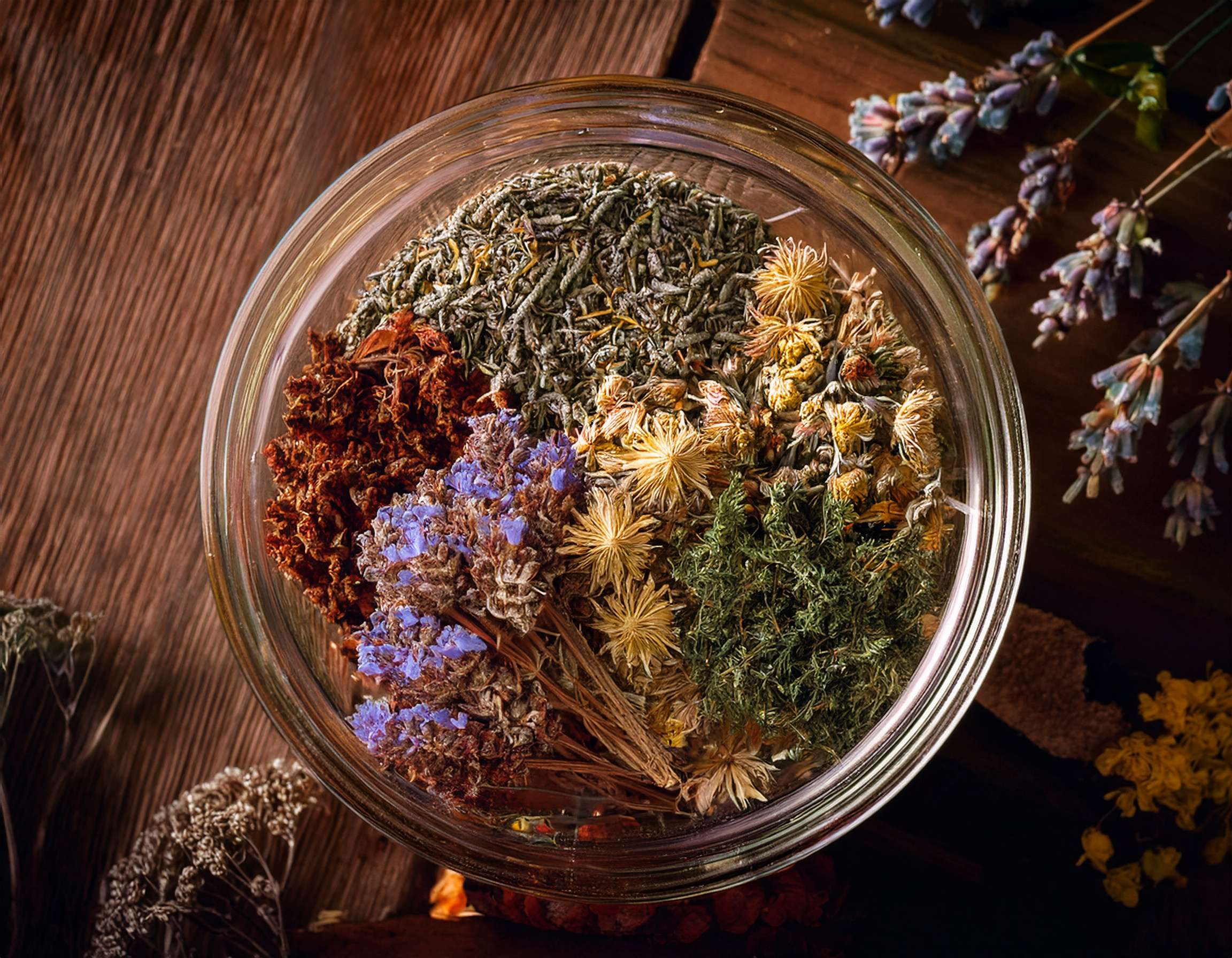
A warm, honey-like scent rises first, then something like sun-dried hay and wild herbs. Helichrysum, native to the Mediterranean, comes from small golden flowers known as the everlasting flower that look like they could hold onto summer forever. That’s part of why people call it immortelle.
Helichrysum essential oil is loved for simple reasons. It fits into skin-care routines, post-workout massages, and bedtime wind-down rituals. Still, it’s not a magic fix, and it’s not a substitute for medical care. Research on essential oils is also mixed, so results can vary from person to person.
In this guide, you’ll learn practical uses, what the oil is (and why labels matter), plus safer ways to use it with proper dilution.
What helichrysum essential oil is, and why the plant matters
Helichrysum italicum is the species most people mean when they say “helichrysum essential oil”, often labeled immortelle and sometimes called the curry plant (though it is not the edible spice). Helichrysum is a plant group, not a single plant. Many species share the name, and they don’t all smell or act the same.
That Latin name is more than botanical trivia. It tells you what you’re actually buying. The growing region also matters because soil, sun, rainfall, and harvest timing can shift the aroma; for example, oils from Croatia often have a distinct profile. In aromatherapy, those shifts often change how an oil feels in a blend. One bottle may smell sweeter and softer, while another leans sharp, green, or earthy.
You may also see “chemotype” mentioned. That word points to the oil’s dominant natural compounds like neryl acetate, alpha-pinene, and beta-diketones. Those compounds vary by plant genetics and location. As a result, two oils can share a species name yet still feel different in daily use.
Most helichrysum essential oil is steam distilled. Hot steam passes through the flowering tops, then cools so the aromatic compounds separate into oil and hydrosol. Helichrysum tends to have a low oil yield, so it takes a lot of plant material to produce a small bottle. That’s a major reason the oil often costs more than lavender or lemon.
If the label is vague, the oil can be vague too. With helichrysum, details like species and origin help you predict the scent and the experience.
Helichrysum italicum vs. other helichrysum oils: what to look for on the label
A trustworthy label makes shopping easier, especially with a premium oil. Use this quick checklist before you buy:
- Latin name: Look for Helichrysum italicum if you want the classic immortelle profile.
- Organic certification: For organic essential oil purity.
- Plant part: “Flowering tops” is common for essential oil.
- Country of origin: Helpful for scent expectations and traceability.
- Batch number: A sign the brand tracks production lots.
- GC/MS availability: Many reputable companies offer a test report on request.
- Neat vs. diluted: Some products come pre-diluted in a carrier oil. That can be great for beginners, but it changes drop counts.
Also watch for wording like “absolute,” “CO2 extract,” or “fragrance.” Those aren’t the same as steam-distilled essential oil. Absolutes and CO2 extracts can smell amazing, yet they behave differently in blends and on skin.
How it smells and feels: the scent profile that guides blending
Helichrysum doesn’t smell like a typical “pretty” floral. It’s richer and more grounded. Many people notice honey, dry hay, and a tea-like note, with a soft earthy finish. That warmth is why it can feel comforting at night, even when you’re not aiming for sleep.
Because it’s both sweet and herbal, it plays well with oils that either calm the blend or brighten it:
- Lavender and frankincense add a quiet, resin-floral softness.
- Citrus oils add lift, like opening a window in a warm room.
- Conifers (like cedarwood) bring a clean, outdoorsy backbone.
A few plain, easy pairings:
- Bedtime calm: helichrysum + lavender + a touch of frankincense in a diffuser.
- Post-workout comfort: helichrysum + eucalyptus in a carrier oil for massage (adult dilution).
- Simple skin routine: helichrysum + a gentle, unscented face oil, then keep the rest of your products fragrance-light.
If you want more ideas for emotional blends beyond helichrysum, this guide to mood-boosting essential oils pairs well with a calming routine.
Most common uses and benefits people reach for
Helichrysum essential oil has a strong reputation in natural wellness circles. Some of that reputation is based on traditional use, including historical applications for digestive disorders, and some comes from early research on its natural constituents. Either way, the most realistic benefits are about support: supporting the look of skin, supporting comfort after activity, and supporting relaxation through scent.
Topical use works best when you keep it gentle and consistent. Aromatic use works best when you treat it like a cue, not a cure. In other words, scent sets the stage, then your habits do the heavy lifting.
Below are the most common ways people use helichrysum, along with simple, safer “how-to” steps.
Skin support: the go-to oil for a calmer-looking complexion
People often choose helichrysum for skin that looks irritated, dry, or uneven. It’s also popular in routines meant to support the look of post-blemish marks like acne scars, fine lines, and mature skin. Its reputation comes from antioxidant, antimicrobial, antibacterial, and antifungal properties, plus anti-inflammatory effects. The goal here isn’t to “erase” anything overnight. Instead, it’s to help skin look more settled over time, especially when paired with a barrier-friendly routine.
Try this basic face oil format (for adults):
- In 1 teaspoon of a gentle carrier oil (jojoba, squalane, or sweet almond), add 1 drop of helichrysum essential oil.
- Apply at night to slightly damp skin, avoiding eyes and lips.
- Use 2 to 4 nights per week at first, then adjust based on how your skin reacts.
A few safety notes matter here, especially for topical application. Patch test every new blend, since facial skin can surprise you. Also, helichrysum isn’t known as a phototoxic oil like some citrus oils, but good sun habits still count. Use sunscreen in the daytime, and don’t apply any essential oil blend too close to the eyes or mucous membranes.
Muscle and joint comfort after a long day
A bottle of helichrysum shines when you treat it like part of a comfort routine for muscle and joint areas. Think warm shower, light stretching, then a slow massage. The oil becomes the ritual’s scent and slip, not the whole solution, with its anti-inflammatory benefits adding to the ease.
For an adult roller blend (10 ml):
- Fill the roller with a carrier oil (fractionated coconut oil or jojoba).
- Add 3 drops helichrysum.
- Add 4 drops lavender or 3 drops eucalyptus (choose one, not both at first).
- Roll onto shoulders, calves, or lower back, then massage for 30 seconds.
If you want more ideas for eucalyptus in body blends, this post on eucalyptus oil for muscle pain offers practical ways to use it thoughtfully.
Diffuse the aroma while you stretch if you like scent layering. Keep diffusion time modest, and ventilate the room. Also, if you have sharp pain, swelling, or a new injury, get medical guidance. Comfort routines shouldn’t delay care.
Bumps, bruises, and “oops moments”: traditional support for tender skin
Helichrysum is famous in traditional medicine for bruised-looking skin and those everyday “I walked into the table” moments, with a nod to wound healing. People reach for it when skin looks tender or stressed, even if it’s not broken.
Keep your approach gentle:
- Mix 1 to 2 drops helichrysum into 1 teaspoon carrier oil.
- Apply around the area (not on broken skin), 1 to 2 times daily.
- Keep the pressure light. Let your hands do a soft sweep, not a deep rub.
Skip essential oils on open cuts, deep wounds, or stitches. Also be careful if you bruise easily, take blood thinners, or bruising seems severe or unusual. If a bump involves a head injury, don’t guess. Get checked.
If you’re building a small home kit for everyday mishaps, this guide to an essential oils first aid kit can help you keep things simple and safer.
Stress relief and sleep: using the aroma to help your body unwind
Scent works like a shortcut to memory. One breath can remind your body of a calm evening, even before your mind catches up. Helichrysum’s warm, honeyed profile often feels grounding, especially when your thoughts keep pacing.
Two easy options:
Diffuser blend (evening)
Add 2 drops helichrysum and 3 drops lavender to your diffuser. Run it for 20 to 30 minutes while you dim lights and tidy one small area.
Steam bowl or personal inhalation
Add 1 drop helichrysum to a bowl of hot water, then inhale from a safe distance for 30 to 60 seconds. Keep eyes closed. If steam feels too intense, put 1 drop on a tissue, then inhale gently.
A low-effort bedtime routine you can copy:
- Wash your face and hands.
- Roll a diluted blend onto shoulders (or use a diluted face oil).
- Breathe slowly for 5 counts in, 6 counts out, for 2 minutes.
- Keep the room cool and the phone out of reach.
Aromatherapy works best when it supports a routine you can repeat. One calm night helps, but a steady pattern helps more.
How to use helichrysum safely, choose a quality bottle, and avoid common mistakes
Helichrysum essential oil is precious, so it’s tempting to use more. Still, essential oils don’t reward heavy hands. Skin can get irritated, and noses can get overwhelmed. A safer approach is simple: start low, go slow, and stay consistent. For beginners, a patch test is a mandatory safety step before any topical application.
Storage helps too. Choose a quality bottle of organic essential oil, and keep it tightly closed, away from heat and bright light. Oxidized oils can irritate skin more easily, so don’t keep a half-open bottle near a sunny window.
Common mistakes to avoid:
- Applying undiluted oil to the face
- Using it near eyes, inside ears, or on mucous membranes
- Using essential oils on broken skin
- Diffusing for hours in an unventilated room
- Buying a bottle with no species name or testing info
Dilution made simple: how many drops to use for face, body, and rollers
You don’t need perfect math, just steady guardrails.
For adults, these ranges work well for many people:
- Face: about 0.25 to 0.5 percent (very gentle)
- Body: about 1 to 2 percent (moderate)
- Spot use: stay cautious, because “small area” can still react
Plain examples you can use right away:
- Face oil: In 1 teaspoon carrier oil, use 1 drop helichrysum (or even 1 drop per 2 teaspoons if you’re sensitive).
- Body oil: In 1 tablespoon carrier oil, use 3 to 6 drops total essential oils (helichrysum alone or in a blend).
- 10 ml roller: Use 3 to 6 drops total essential oils for a moderate, everyday roller.
If you’re blending for older adults, teens, or anyone with reactive skin, choose the low end. With kids, especially under 6, get professional guidance first. Some families choose to skip helichrysum for young children due to cost and sensitivity concerns.
Who should be careful, and when to talk with a professional
Some people need extra caution with any essential oil, including helichrysum.
Talk with a qualified professional before use if you are pregnant, breastfeeding, managing asthma, or highly scent-sensitive. If you have allergies to plants in the daisy family (Asteraceae), patch testing matters even more.
Medication also counts. Because helichrysum is often used for bruised-looking skin, people on blood thinners should be especially careful and ask a clinician before making it a regular topical habit. When in doubt, bring the bottle to your appointment so you can discuss ingredients clearly.
Stop use right away if you notice burning, itching, headache, nausea, or a rash. Wash the area with soap and water, then switch to plain carrier oil until skin settles.
Conclusion
Helichrysum essential oil earns its loyal following because it fits real life. It can support a calmer-looking complexion in your skin care routine, add comfort to sore-day routines, and bring a warm, steady aroma through aromatherapy to your evenings. The best results usually come from small doses used consistently, not from overdoing it.
Focus on the basics: choose a bottle labeled Helichrysum italicum, also known as Immortelle, dilute carefully, and patch test. Then pick one simple method to try this week, a roller for after work, a gentle face oil at night, or a short diffuser session before bed. Essential oils can support a wellness routine, but they don’t replace medical care when you need it.
Stay Connected for More Natural Living Inspiration
If you enjoyed this post about essential oils and love discovering natural ways to refresh your home and wellness, don’t miss out on future recipes and clean-living tips!
Subscribe to the blog for weekly DIYs, wellness inspiration, and herbal remedies delivered straight to your inbox.
Thanks for coming by!
Leave a Reply