
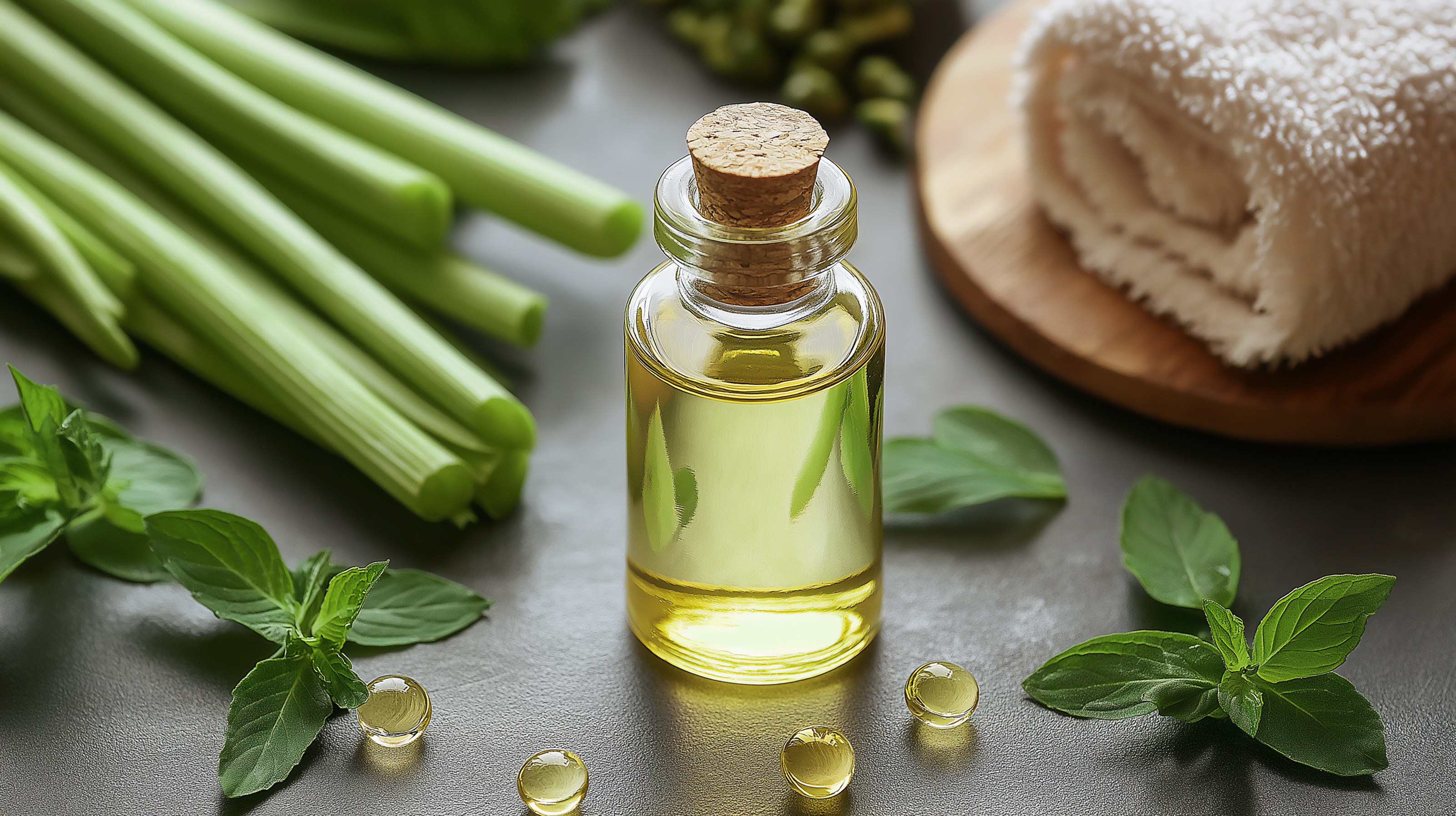
(DISCLAIMER: I am not a doctor, and you should consult your healthcare professional before starting any health regimen.)

Key Takeaways
- A bright scent can lift the mood and make your home feel more “awake.”
- Lemongrass is great for odor control in kitchens, bathrooms, and entryways.
- Many people like it for focus and energy during work, chores, or workouts.
- It can add seasonal comfort when the house feels closed up.
- Safe use is simple: start low, diffuse in short sessions, and ventilate.
You know that moment when the kitchen still smells like last night’s dinner, the bathroom feels a little stale, and your brain is stuck in “I need a reset” mode? Sometimes you don’t want to scrub harder or light a heavy candle. You just want the room to feel fresh again.
That’s where lemongrass essential oil in a diffuser fits in. It’s simple, low-effort, and the scent reads as clean and upbeat. In this post, you’ll see the practical, everyday benefits of diffusing lemongrass essential oil, plus how to use it without making the air feel too sharp.
What lemongrass essential oil smells like and why it works so well in a diffuser
Lemongrass smells like clean citrus with a green edge. Think lemon peel, fresh-cut grass, and a light earthy note that keeps it from smelling like candy. It’s bright, but it’s not sugary. If “freshly mopped floor” had a natural scent, lemongrass would be close.
A diffuser helps because it spreads that aroma through the air as a fine mist (or, depending on your diffuser type, as micro-particles you don’t really see). Instead of sniffing from the bottle, the scent becomes part of the room. That matters when you’re trying to shift the feel of a whole space, not just your wrist or a cotton ball.
What you’ll notice most is how quickly lemongrass changes the vibe. A stuffy room can feel more open. A post-cooking kitchen can feel less “lived-in.” A sleepy afternoon can feel more like a fresh start.
Still, lemongrass is bold. In a diffuser, bold can be amazing, or it can be too much if you go heavy on drops. The sweet spot is a light, steady aroma that you notice when you walk in, not one that smacks you in the face.
Lemongrass vs. lemon, citronella, and eucalyptus: how the vibe is different
If you’re deciding between a few “fresh” oils, the differences are real:
- Lemongrass: Clean, sharp, green-citrus. Best when you want “fresh and energized,” especially for kitchens, entryways, and work time.
- Lemon: Brighter and sweeter, like lemon candy or lemon zest. Great if you want a softer citrus that feels friendly and easy.
- Citronella: More outdoorsy and grassy. Many people connect it with patio nights. If you want that summer, outdoor vibe, citronella fits.
- Eucalyptus: Crisp and minty, with a “clear the air” feel. Nice for a shower-like vibe, but it’s a different direction than citrus-clean.
If your goal is a home that smells freshly cleaned (without smelling like cleaner), lemongrass often hits that note best.
Picking a quality lemongrass oil so your diffuser results are worth it
A diffuser can’t fix a low-quality oil. A few quick checks help you buy with confidence:
- Look for the botanical name: Common ones are Cymbopogon citratus or Cymbopogon flexuosus.
- Avoid “fragrance oil”: For diffusing, stick with essential oil, not synthetic fragrance blends.
- Choose dark glass bottles: Amber or cobalt helps protect the oil from light.
- Prefer brands with clear info: Sourcing details, testing notes, and basic safety guidance are good signs.
- Trust your nose: Lemongrass should smell fresh and strong. If it smells flat, waxy, or “perfume-like,” skip it.
Everyday benefits of diffusing lemongrass essential oil at home
Lemongrass isn’t just “nice.” It’s useful. When you use it with a light hand, it can support a home that feels cleaner, brighter, and easier to be in. The benefits of diffusing lemongrass essential oil show up most in the spots where smells linger and energy dips.
Think about your high-traffic zones: the kitchen after cooking, the bathroom after showers, the entryway where shoes and bags land, or the corner where you work. These spaces collect odors and moods. Lemongrass is a quick way to shift both.
Below are the most common real-life wins, with simple ways to make them work in your routine.
Helps a room smell cleaner by tackling stubborn odors
Lemongrass has a strong “fresh” identity. That matters when you’re trying to cut through smells that hang around, like:
- fried food and garlic
- trash and recycling odors
- wet towels
- pet funk near litter boxes or dog beds
It’s not a magic eraser, but it can help the room smell fresher while you handle the source (taking out trash, wiping the bin, washing fabrics).
A simple approach: diffuse for 15 to 30 minutes after cooking, then crack a window for a few minutes if you can. The combination of fresh air plus a clean scent usually feels better than either one alone.
Creates an energizing mood for mornings, workouts, or mid-day slumps
Some scents feel cozy. Lemongrass feels like flipping on the lights.
Try it when you want to move from “I’m dragging” to “okay, I can do this”:
- during your morning tidy-up
- before guests arrive, especially if you want the house to feel crisp
- while you fold laundry or do dishes
- before a home workout (especially cardio or stretching)
Use a quick “sniff test” mindset. Start with fewer drops than you think. After 10 minutes, decide if you want more. You can always add a drop or two, but it’s hard to undo an overpowering cloud of citrus-grass.
Supports focus while you study, work, or clean
Scent won’t do your work for you, but it can shape your environment. Many people find that lemongrass feels alert and clean, which pairs well with tasks that need a little push.
A practical way to use it: diffuse during a 25-minute work sprint, then stop the diffuser during your 5-minute break. That pause keeps your nose from getting “used to” the scent, and it helps prevent scent fatigue.
If you’re sensitive to smells or prone to headaches, keep it light. A gentle background aroma supports focus better than a strong blast that distracts you.
Can feel calming in a “reset the house” routine without smelling sleepy
Lavender is a classic for winding down, but sometimes you want calm without getting drowsy. Lemongrass can feel like a mental reset: clear, fresh, and steady.
It’s a good fit for early evening when you want to:
- put the kitchen back together after dinner
- reset your living room
- take a quick shower and switch into “home mode”
- read or journal without feeling ready for bed yet
If your home feels busy or cluttered, lemongrass can act like a scent cue that says, “We’re starting fresh.” Not dramatic, just noticeable.
How to diffuse lemongrass safely (and make the scent last without overdoing it)
Lemongrass is one of those oils where less usually works better. The goal is a clean, pleasant background scent, not a fog bank. Safe use also protects your diffuser, your airways, and anyone else sharing the space.
A few habits go a long way:
- Use fewer drops, especially at first.
- Diffuse in short sessions.
- Add ventilation when possible.
- Be extra cautious around kids, cats, dogs, birds, and anyone with scent sensitivity.
Also, keep oils away from eyes and skin. This post is about diffusing, but it’s still worth saying: don’t apply essential oils to skin unless you know proper dilution and safety steps.
How many drops to use for small, medium, and large rooms
Drop count depends on your diffuser tank size and how strong you like it. Your diffuser manual should come first, but these ranges work for many people as a starting point:
- Small room (bathroom, small bedroom): 2 to 4 drops
- Medium room (average bedroom, office): 4 to 6 drops
- Large room (open living space): 6 to 8 drops
If you’re new to lemongrass, start at the low end. Give it 10 minutes. If it feels faint, add 1 drop, not 4. Your nose will thank you.
Smart timing: how long to run it, and when to take a break
Running a diffuser all day can turn a great scent into an annoying one. Intermittent use keeps it pleasant.
A simple rhythm:
- 15 to 30 minutes on, then 30 to 60 minutes off
That “off” time helps prevent irritation and keeps the aroma from feeling sharp. Stop diffusing if you notice signs like a headache, throat irritation, or watery eyes. Pay attention to pets too. If they leave the room or seem bothered, turn it off and ventilate.
And one more practical note: don’t diffuse while you sleep all night. If you want scent at bedtime, run it for a short session as you get ready, then turn it off.
Common mistakes that make lemongrass smell “too sharp,” plus easy fixes
If lemongrass ever smells harsh, it’s usually one of these issues:
- Too many drops: Cut the drops in half next time.
- Tiny closed room: Open a door, crack a window, or move the diffuser to a larger space.
- Dirty diffuser: Oil residue can sour the scent. Wipe the tank after use, and deep-clean regularly (follow your diffuser’s care guide).
- Water issues: If your diffuser recommends it, try distilled water for a cleaner mist.
- No softness in the blend: Add a rounder oil (like lavender or sweet orange) to smooth the edges.
Easy lemongrass diffuser blends you can try today
Lemongrass blends well with citrus, herbs, and some woods. If straight lemongrass feels too strong, blending is the easiest fix. Think of it like adding a splash of cream to strong coffee. The goal is balance.
Use these as starting points for a medium-size diffuser, and adjust for your tank size and comfort. If you’re diffusing in a small room, scale down.
Clean Kitchen Blend (fresh, not sweet)
- Lemongrass: 3 drops
- Lemon: 2 drops
- Rosemary: 1 drop
This smells like clean counters and open windows. It’s great after cooking or right before guests arrive. If rosemary feels too herbal, swap it for 2 drops of sweet orange instead.
Focus Blend for work or homework
- Lemongrass: 3 drops
- Frankincense (or cedarwood): 2 drops
- Peppermint: 1 drop (optional)
Keep peppermint low. It can take over fast and turn the whole blend into “mint first, everything else second.” This mix works well during a work sprint, especially when you want the room to feel clear and steady.
Spa Night Blend (bright and relaxing)
- Lemongrass: 2 drops
- Lavender: 2 drops
- Bergamot (or geranium): 2 drops
This is for that “shower, skincare, clean pajamas” mood. Run it for a short session while you reset the house, then turn it off. Ventilation helps keep the scent soft instead of intense.
Conclusion
A lemongrass essential oil diffuser is one of the easiest ways to make a home feel fresher, especially in kitchens, bathrooms, and busy living areas. The scent often feels energized and clean, and it can support a focus-friendly atmosphere without smelling heavy or sleepy. Simple blends can soften the sharp edge and make it feel more “you.”
Keep it comfortable and safe: start with fewer drops, diffuse in short sessions, and give the room fresh air when you can. Pick the one benefit you want most (odor control, energy, focus, or a reset), try one blend, and adjust until it feels right for your home.
Stay Connected for More Natural Living Inspiration
If you enjoyed this post and love discovering natural ways to refresh your home and overall health wellness, don’t miss out on future recipes and clean-living tips! Subscribe to the blog for weekly DIYs, wellness inspiration, and herbal remedies delivered straight to your inbox.
Tap here to visit my LinkTree store where you can purchase the essential oils and herbal teas listed in this article.
Thanks for coming by!


Leave a Reply