
(DISCLAIMER: I am not a doctor, and you should consult your healthcare professional before starting any health regimen.)

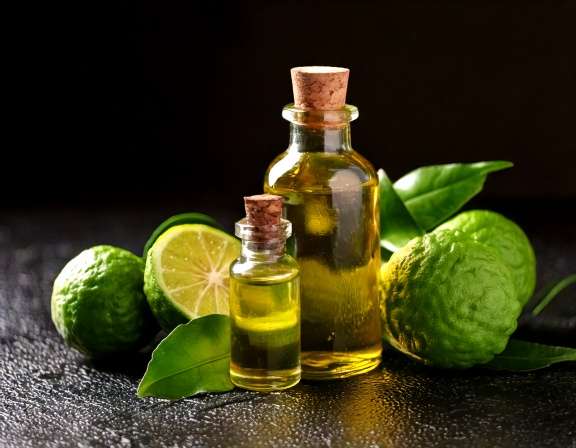
The first breath of bergamot smells like freshly peeled citrus, with a softer, almost floral finish. If you’re curious about bergamot essential oil for beginners, you can start with one well-labeled bottle and a light touch.
This guide will help you recognize the scent, choose between expressed and bergapten-free oil, use it safely, and try three simple recipes. Bergamot essential oil is different from Earl Grey or herbal tea flavored with bergamot; each has its own place in a pleasant daily ritual.
Start with the few details that matter most when you pick up a bottle.
Key Takeaways
- Bergamot has a bright, slightly sweet citrus scent with soft floral and herbal notes.
- Look for Citrus bergamia on the label, along with the plant part and extraction method.
- Dilute bergamot before skin use. For leave-on blends, choose bergapten-free or FCF oil and follow the label’s sun guidance.
- A diffuser, personal inhaler, or scented cotton pad offers an easy way to enjoy the aroma.
- Begin with a small amount. You can adjust a blend once you know how it smells in your space.
Bergamot essential oil for beginners: scent, source, and what to expect
Bergamot comes from a citrus fruit. Essential oil producers commonly express the oil from its peel, where much of that recognizable fragrance sits. The resulting scent feels fresh without the sharp edge some people associate with lemon.
A fresh citrus scent with a soft floral edge
Open a bottle and you may catch a bright citrus note first, followed by gentle floral and herbal notes. Bergamot smells slightly sweet, which makes it an easy partner for lavender’s floral scent or the rounder sweetness of orange. One drop can give a blend character without filling the whole room.
That familiar note also appears in Earl Grey tea. The tea and the essential oil are different products, prepared for different uses. Brew Earl Grey or an herbal tea according to its package directions, and keep your essential oil for aromatic or properly diluted topical blends.
In a home routine, bergamot fits the hour before guests arrive or a few calm minutes at your desk. You can enjoy it on its own before deciding which other scents belong beside it.
How to choose a bottle with clear labeling
When buying bergamot essential oil for beginners, turn the bottle around before judging its scent. Look for the botanical name Citrus bergamia, the plant part (usually the peel), and the extraction method. Those details help you compare bottles that otherwise look alike.
Next, check whether the label says expressed or cold-pressed, or identifies the oil as bergapten-free or FCF. Expressed bergamot can make treated skin more sensitive to ultraviolet light. Bergapten-free and FCF oils are processed to reduce that concern, so they are practical choices for leave-on skin blends. Follow the directions on your particular bottle, including its dilution and sun-exposure guidance.
How to use bergamot essential oil safely in everyday routines
A little oil goes a long way. Choose your method first, then measure for that use rather than adding drops by guesswork.
Dilute it before applying it to skin
Essential oils are concentrated. For a modest first blend, mix one drop of bergamot with one teaspoon of jojoba or sweet almond oil. The exact dilution varies with drop size, the product, and its intended use, so check the label too.
Apply a small amount to a patch of intact skin and watch how it feels before using more. Keep the blend away from your eyes, lips, and other sensitive areas. For more carrier-oil ideas, see these essential oil dilution tips for topical use.
Enjoy the aroma with a diffuser or personal inhaler
Add the amount your diffuser’s instructions recommend, then run it for a short session in a ventilated room. A personal inhaler offers a scent you can keep nearby; add a few drops to its wick according to the inhaler’s directions and close it securely.
Start lightly and adjust on another occasion if you’d like more fragrance. Keep bottles and diffusers where children and pets can’t reach them, and give animals room to leave a scented space. These practical essential oil diffuser tips can help you match a blend to your device.
Plan skin use around sunlight
Expressed bergamot contains compounds that can increase skin sensitivity to sunlight and tanning lamps. For a leave-on roller you plan to wear during the day, choose bergapten-free or FCF bergamot and follow its label.
If you’re using expressed oil on skin, keep the treated area covered from UV exposure for the time stated on the product. This distinction applies to oil left on skin; you can still enjoy expressed bergamot as an aroma. For more detail, read about bergamot oil and sun-exposure precautions.
Keep your bergamot routine pleasant at home
Where you place a scent can matter as much as the blend itself. A cotton pad beside your desk gives you a small pocket of fragrance. A diffuser carries the aroma farther, so it suits a shared room when everyone enjoys the oils you’ve chosen.
Use short sessions and notice how the room smells after you turn the diffuser off. Bergamot may linger longer than you expect in a small space. For an evening ritual, you might scent the room while you settle in with a freshly brewed cup of herbal tea. The tea is for sipping; the oil has its own role in the diffuser.
Afterward, close the oil bottle firmly and store it according to the label, away from heat and direct sunlight. A clean diffuser and a fresh inhaler wick also help each new blend smell the way you intended. Small habits like these make it easy to return to a scent you enjoy.
Three easy bergamot recipes for a fresh, calming ritual
These blends give bergamot a different setting each time: a room, a pulse point, and a spot near your desk. Start with the stated amounts and follow the directions on your oil and equipment.
Brighten a room with a simple diffuser blend
Lavender softens bergamot’s citrus edge without covering it. This small blend suits a brief afternoon session or the start of a relaxed evening.
Ingredients
- 2 drops bergamot essential oil
- 1 drop lavender essential oil
- Water, if required by your diffuser’s instructions
Fill the diffuser as its manufacturer directs, then add the oils if the device allows this three-drop amount. Use less if its directions call for less. Run it briefly in a ventilated room and turn it off when the scent feels right. For another evening pairing, try these bergamot and lavender bedtime blends.
Make a gentle bergamot pulse-point oil
A small roller bottle keeps your blend ready for a quiet moment. Choose bergapten-free or FCF bergamot for this leave-on recipe.
Ingredients
- 1 drop bergapten-free or FCF bergamot essential oil
- Jojoba oil to fill a 10 mL roller bottle
- One clean 10 mL roller bottle with a secure cap
Add the bergamot to the empty bottle, fill with jojoba oil, and attach the roller top. Roll the closed bottle gently between your hands to mix. Patch test a little on intact skin, then use a small amount on a pulse point according to the bergamot label. Keep the roller away from your eyes and sensitive areas.
A single drop gives this blend a light scent. If you prefer a different carrier, choose one that suits your skin and check its storage directions before filling the bottle.
Create a fresh desk-side bergamot aroma
A cotton pad offers the simplest third recipe. The scent stays close enough to notice when you pause at your desk, and the pad is easy to replace when you’d like a fresh blend.
Ingredients
- 1 drop bergamot essential oil
- 1 drop sweet orange essential oil
- One plain cotton pad
- A small ceramic dish
Place the cotton pad in the dish and add the oils directly to it. Set the dish beside your workspace, away from the edge and out of reach of children and pets. Refresh it with a new pad when the scent fades. Keep the scented pad clear of skin, papers, and delicate fabrics so the concentrated oil stays on the cotton.
Sweet orange makes this pairing especially sunny. For a softer version, use one drop of lavender in its place. Either way, the dish gives the pad a designated home, so you can move it when you need more desk space.
Frequently Asked Questions
Which carrier oil works well with bergamot?
Jojoba has a light feel and a mild scent that leaves room for bergamot to shine. Sweet almond oil is another option if it suits your skin. Choose a carrier you already enjoy, and use the bergamot bottle’s directions when deciding on a dilution.
Can I use bergamot in my evening routine?
Yes. A brief diffuser session can bring its citrus scent into a room before you settle down. You could also keep a personal inhaler nearby when you want a more contained aroma.
How should I store an opened bottle?
Close the cap tightly and follow the storage and use-by guidance on the label. A cool place away from direct sunlight is a sensible spot. Check the bottle’s scent and appearance before making a new blend.
How do I clean a diffuser after a bergamot blend?
Turn it off and unplug it first. Empty and clean the reservoir according to the manufacturer’s instructions, then let it dry before your next blend. This helps the next oil smell like itself rather than yesterday’s mix.
Can bergamot aromatherapy accompany herbal tea?
Yes. Bergamot in a diffuser pairs pleasantly with the ritual of making a cup of tea. Brew your chosen Earl Grey or herbal tea as directed, and enjoy the essential oil through your aromatic setup.
A simple place to begin
Bergamot’s fresh citrus scent can be part of your day without an elaborate blend. A clearly labeled bottle, a small measured amount, and the right method for where you’ll use it are enough to begin.
Start with the aroma that drew you to bergamot. Then, when you make a skin blend, let dilution and sun guidance shape the recipe.
Stay Connected for More Natural Living Inspiration
For more wellness tips, subscribe to the blog for weekly posts about essential oils, teas, and herbs. Want an ad free experience with DIY essential oil, herbal recipes and tips? Head here for a distraction free experience.
Thanks for stopping by!

You must be logged in to post a comment.