
(DISCLAIMER: I am not a doctor, and you should consult your healthcare professional before starting any health regimen.)

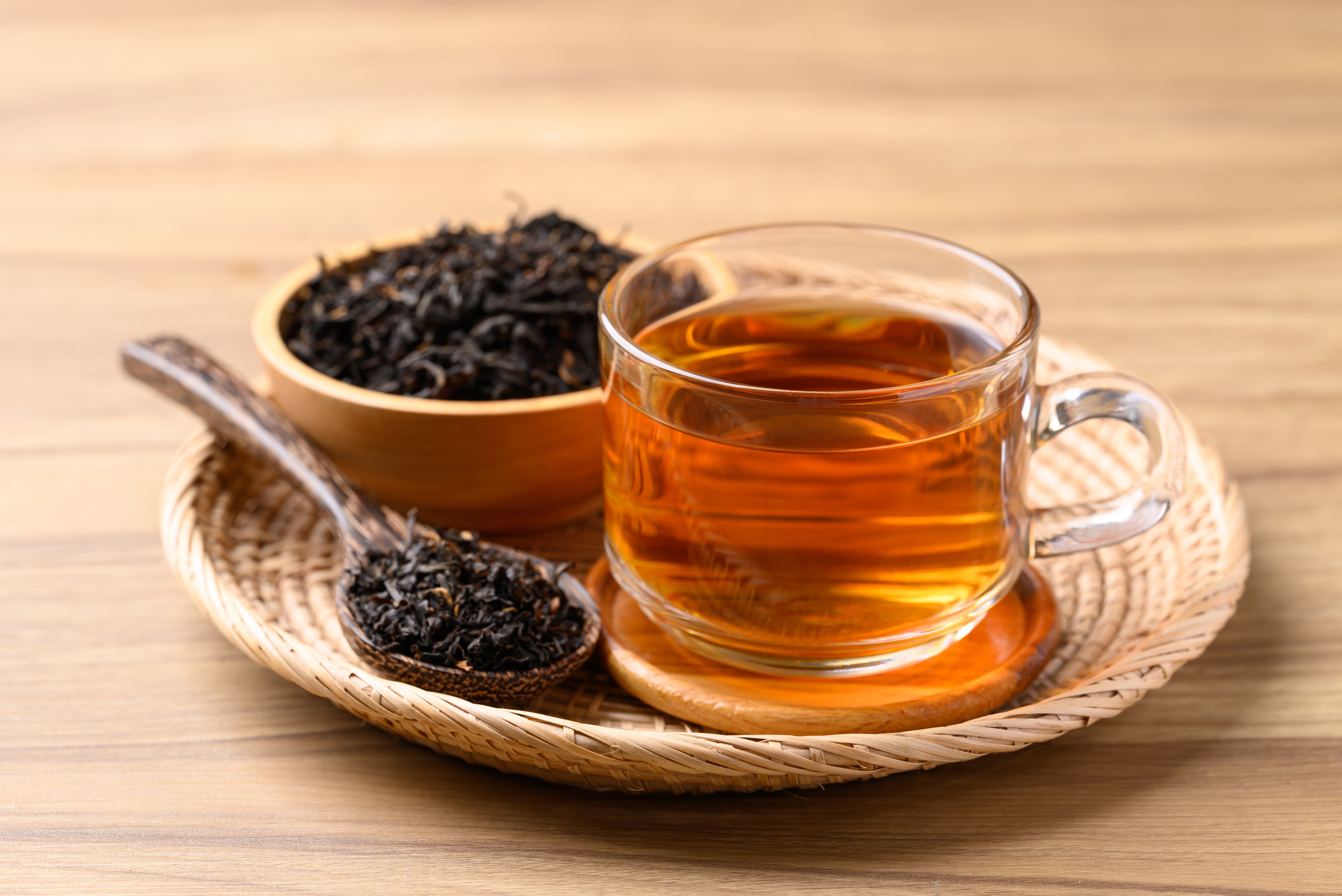
If worries keep you up at night, you’re definitely not alone. More people are reaching for a cup of herbal tea for sleep as a gentle, natural remedy for stress and restlessness. Calming tea blends made from soothing herbs can help ease your mind and prepare your body for rest, without harsh side effects.
In this post, you’ll discover three simple herbal tea recipes designed for relaxation and improved sleep. Each calming tea blend features trusted ingredients known for their soothing qualities, so you can unwind and get the rest your body needs. To get even more out of your nightly routine, you might want to check out a Chamomile Bliss Tea Benefits guide or explore how Skullcap and Lavender Tea for Stress may help with bedtime relaxation. Get ready to try three easy insomnia natural remedy blends that could help you sleep better tonight.
Why Herbal Tea Supports Better Sleep
A good night’s sleep sometimes feels out of reach, but herbal tea for sleep is a gentle way to guide your body and mind toward rest. For centuries, people have trusted calming tea blends made from plants like chamomile, valerian, lavender, and skullcap to help with insomnia and nighttime worries. Science is catching up to tradition, showing us why these time-tested herbs work as an insomnia natural remedy.
The Calming Compounds in Herbal Teas
Herbal teas for sleep do more than warm you up or set the mood. The natural chemicals found in these herbs interact with your body’s stress response and nervous system. Here’s how some of the most popular herbs help:
- Chamomile: This classic herb is rich in apigenin, an antioxidant that binds to receptors in your brain, encouraging relaxation and sleepiness. If you’re curious about the full range of chamomile’s calming effects, check out the Chamomile Bliss Tea Benefits guide.
- Valerian Root: Known for its earthy flavor and strong sleep support, valerian contains valerenic acid, which can ease anxiety and lengthen deep sleep stages.
- Lavender: The soothing scent and gentle flavor aren’t just for show. Compounds in lavender can help lower your heart rate and quiet the mind.
- Skullcap: This lesser-known but powerful herb helps calm mental chatter and physical tension, making it easier to drift off.
Each of these herbs brings its own benefits, but they shine even brighter in a well-crafted calming tea blend. By pairing herbs with different strengths, you get a tea that addresses the mind, body, and senses for more restful sleep.
Building a Bedtime Ritual with Herbal Tea
Sipping a cup of herbal tea for sleep is about more than the plant compounds. The simple act of making tea; boiling water, steeping leaves, breathing in the aroma, signals to your body that it’s time to slow down. Routines like this act as helpful cues, building a bridge from the busy day to a peaceful night.
If you love learning about new tea blends or want to try fresh insomnia natural remedy ideas, you’ll find even more inspiration in the DIY Herbal Recipes Collection. Whether you stick to a single herb or mix several for a custom calming tea blend, these gentle rituals make a real difference at bedtime.
Tradition Meets Modern Sleep Support
The roots of herbal tea for sleep run deep, with old remedies proving their worth generation after generation. Now, modern research supports what tradition has shown: calming herbs like chamomile, valerian, lavender, and skullcap help the body unwind and let go of tension.
If you’re ready to experiment with new ways to relax, explore Relaxation Tips and Articles for even more ideas on calming routines, sleep strategies, and natural solutions for restlessness. Incorporating a simple cup of herbal tea could be the gentle shift you need in your evening routine.
Key Ingredients for Calming Tea Blends
Choosing the right herbs for your calming tea blend makes all the difference for a good night’s rest. Each ingredient brings its own soothing properties, backed by both centuries of tradition and modern research. Let’s break down the star players you’ll want to include in any herbal tea for sleep or homemade insomnia natural remedy.
Chamomile: The Classic Calming Flower
Chamomile has long been a favorite for calming tea blends. People have sipped chamomile tea for generations to ease anxiety and calm nerves before bed. Its gentle floral notes relax the senses. The main reason it works so well? Chamomile is packed with apigenin, a unique compound that interacts with the brain to reduce tension and promote sleepiness.
- Mild taste that’s easy for everyone to enjoy
- Great for winding down after a busy day
- Supports falling asleep faster
Don’t be surprised if you find chamomile at the heart of almost every traditional herbal tea for sleep.
Lemon Balm: Nature’s Stress Reliever
Bright and slightly citrusy, lemon balm offers more than great flavor. Studies suggest it binds to receptors in the brain that manage stress and worry. This makes it a smart choice for anyone fighting racing thoughts at bedtime.
- Eases anxious feelings and low mood
- Can be paired with other herbs for extra relaxation
- Traditional use for promoting steady, peaceful sleep
Lemon balm blends beautifully with other calming herbs, adding a gentle uplift to your nightly routine.
Lavender: Floral Scent, Soothing Power
Lavender brings both aroma and calm to calming tea blends. Its essential oils can quiet the nervous system and help slow a racing heart. If you want a tea that prepares your mind and body for bed, lavender is a reliable pick.
- Floral and slightly sweet taste
- Known to settle nerves and reduce irritation
- Often used in aromatherapy for sleep support
Curious how lavender pairs with other herbs for even deeper calm? Check out this recipe on Skullcap and Lavender Tea for Stress.
Valerian Root: Powerful Natural Sedative
Valerian root may be the most potent of the sleep-supporting herbs. It’s earthy in flavor and works as a natural sedative. Valerian contains compounds like valerenic acid that interact with neurotransmitters, helping reduce sleep latency and letting you stay asleep longer.
- Traditionally used for deep, uninterrupted sleep
- Best when blended to smooth out strong taste
- Strongly supported by scientific studies for sleep improvement
If you need more on how quick-acting teas can ease tension, read about soothing herbal teas for anxiety.
Skullcap: Calms the Mind and Body
Skullcap doesn’t get as much attention, yet it’s a powerhouse herb in insomnia natural remedy circles. Used traditionally in North America to calm nerves and reduce muscle tension, skullcap can lead to deep relaxation right when you need it most.
- Eases nervous system overactivity
- Supports recovery from a stressful day
- Blends well with lavender and chamomile
For a deep dive into how these two herbs can work together, explore Skullcap and Lavender Tea for Stress.
These key herbs are the backbone of any effective herbal tea for sleep. They bring their own strengths and fit seamlessly together in calming tea blends, giving you a cup that soothes both body and mind before bed.
How to Make Herbal Tea for Sleep: Essential Tips
Choosing, blending, and brewing your herbal tea for sleep can quickly become a favorite part of any calming bedtime ritual. Getting this process right means more than just tossing herbs in hot water. The best cup supports relaxation, quiets restless thoughts, and makes you look forward to winding down. Below, you’ll find tips to help you make the most out of your insomnia natural remedy and calming tea blend.
Picking the Right Ingredients: Fresh, Dried, or Pre-Made
The quality and form of your tea ingredients set the foundation for its effectiveness. You can use fresh herbs from your garden, dried loose-leaf options, or a store-bought calming tea blend. Fresh herbs deliver vibrant flavor, but dried herbs make measuring and storing much easier. Pre-made blends are ideal for busy evenings and still offer great benefits. No matter what you choose, read labels carefully and go for organic to avoid unwanted chemicals.
- Fresh herbs: Pick just before brewing for the brightest taste
- Dried herbs: Store in a cool, dark place in airtight containers
- Pre-made blends: Look for clear ingredient lists with no artificial add-ins
Many people find success mixing their own insomnia natural remedy by combining two or more key herbs. If you want more inspiration beyond the basics, browse the DIY herbal recipes collection for easy blend ideas.
Ideal Brewing Methods: Steep Time, Temperature, and Tools
Hot water releases the soothing compounds from your herbs, but steeping for too long or at the wrong temperature can lead to bitterness. Each calming tea blend has its own sweet spot, but these general rules rarely disappoint:
- Water temperature: 190–205°F (right below boiling) preserves delicate flavors
- Steeping time: Let your tea steep for 5 to 10 minutes. Longer means a stronger brew, which can help with sleep, but test your own preference.
- Tools: Use a teapot, French press, or a simple mug with an infuser. Glass or ceramic works best to keep flavors pure.
Cover your cup while steeping to trap the gentle aromas and keep the tea warm.
Enhancing Flavor and Sweetening the Cup
Some insomnia natural remedy teas naturally taste sweet, while others (like valerian) can be earthy or bitter. Personalize your calming tea blend by adding:
- Local honey: Just a teaspoon, added after steeping, can soften flavors and soothe the throat.
- Maple syrup: For a mellow, wooded sweetness.
- Lemon: A small squeeze brightens up herbal notes.
Avoid commercial sweeteners or too much sugar, as these can disrupt sleep or overpower the relaxing herbs.
The Importance of a Bedtime Tea Ritual
A cup of herbal tea for sleep does more than deliver plant compounds. The whole process; choosing your herbs, heating the water, smelling the fragrance as it steeps, helps signal your body that it’s finally time to unwind. Turning tea preparation into a nightly tradition creates a sense of comfort and stability. Pair this moment with other relaxation techniques like soft lighting or gentle music for the best results.
Making tea isn’t just about the herbs you use, but the environment you create. The small moments; measuring, pouring, waiting, invite you to slow down and feel present, making your herbal tea for sleep both a physical and emotional insomnia natural remedy.
3 Soothing Herbal Tea Recipes for Insomnia Relief
Let’s bring your sleep routine to the next level with three calming tea blends you can make at home. Each recipe uses time-tested herbs known for relaxing the body and mind, so you feel reassured settling into bed. These insomnia natural remedies are quick to prepare and perfect for building a relaxing nightly ritual around a steaming cup of herbal tea for sleep.
Chamomile Vanilla Dream Tea
A gentle favorite, this blend pairs the sweet floral notes of chamomile with a soft touch of vanilla. Chamomile is famous for its calming effect, easily helping you quiet worries and slip into sleep.
Ingredients:
- 2 teaspoons dried chamomile flowers
- 1/2 teaspoon dried lemon balm (optional, for extra relaxation)
- 1/4 teaspoon vanilla bean or 1/2 teaspoon pure vanilla extract
- 8 ounces hot water (just off the boil)
- Honey or maple syrup to taste
Directions:
- Add chamomile and lemon balm to a teapot or mug.
- If using a vanilla bean, split and scrape seeds into the herbs; otherwise, you’ll add vanilla extract at the end.
- Pour hot water over the mixture.
- Cover and steep for 5-7 minutes.
- Strain, stir in vanilla extract if using, and sweeten as desired.
Bedtime Routine Tip:Sip this tea an hour before bed, dim your lights, and put your screens aside. Let the mild aroma and warmth signal your body to slow down and relax.
Lavender Lemon Balm Tranquility Tea
If you love floral, soothing flavors, this calming tea blend will be your new go-to. Lemon balm adds a light citrus touch which pairs perfectly with lavender’s gentle, peaceful notes. This herbal tea for sleep calms frayed nerves and eases tension before bed.
Ingredients:
- 1 teaspoon dried lemon balm
- 1 teaspoon dried lavender buds
- 1 teaspoon dried chamomile (optional, for even more calm)
- 8 ounces hot water
- Lemon slice or drizzle of honey, if desired
Directions:
- In a mug or infuser, combine all herbs.
- Pour hot water over and cover.
- Steep for 6-8 minutes.
- Strain and add honey or lemon if you like.
Bedtime Routine Tip:Make this tea while playing quiet music or practicing deep breathing. Its subtle floral aroma works wonders for melting away the day’s stress. For even more ways to use this blend, try this lemon balm and lavender tea recipe for added ideas on boosting calm and clarity at night.
Valerian Skullcap Slumber Tea
Looking for something a bit stronger? This insomnia natural remedy brings together valerian root and skullcap, both cherished for easing chronic sleeplessness and stubborn restlessness. The earthy taste is more assertive, but you’ll likely find the calm is well worth it.
Ingredients:
- 1 teaspoon dried valerian root
- 1/2 teaspoon dried skullcap
- 1 teaspoon dried chamomile or lemon balm (to balance flavor)
- 8 ounces hot water
- Honey or a splash of apple juice (optional)
Directions:
- Add valerian, skullcap, and your smoother herb (chamomile or lemon balm) to a mug.
- Pour hot water over the mix and cover.
- Steep for 8-10 minutes for the strongest effect.
- Strain and sweeten lightly if desired.
Bedtime Routine Tip:Set a consistent bedtime and drink this tea about 30 minutes before you want to sleep. Its effects build over several nights. Read a book or do gentle stretches to enhance the tea’s calming action as you wind down.
These three calming tea blends make it easy to personalize your herbal tea for sleep. Whether you prefer a gentle, a floral, or an extra-strength insomnia natural remedy, these recipes help create a comforting routine your body and mind will soon welcome.
Safety, Side Effects, and Precautions
A hot cup of herbal tea for sleep can turn stressful nights into restful ones. While many of these calming tea blends are gentle and safe for most people, it’s wise to stay aware of possible risks and side effects. Just because herbs are natural doesn’t mean they’re always harmless. Let’s cover what you need to know about staying safe, who should take extra care, and simple steps to avoid problems when using any insomnia natural remedy or calming tea blend.
Common Safety Tips for Herbal Tea for Sleep
Most people can enjoy a soothing herbal tea for sleep without worry, but it helps to keep a few basic safety tips in mind:
- Start with small amounts, especially if using a new herb.
- Always use fresh, high-quality herbs from trusted sources.
- Avoid teas with unfamiliar ingredients or odd smells.
- Follow recipe directions for quantities and simmering time.
If you notice anything unusual like itching, rashes, or trouble breathing, stop drinking the tea and get medical help. Remember, herbs can cause allergic reactions just like foods or pollen. For those who have known allergies to plants like ragweed, steer clear of chamomile, as it can cross-react.
Side Effects: What to Watch Out For
Even calming tea blends can lead to mild side effects for some people. Most are rare and go away quickly, but being alert helps avoid surprises. These are the most common side effects:
- Digestive upset: Some herbs can spark nausea, tummy pain, or loose stools if you drink too much.
- Drowsiness: Valerian and skullcap are strong enough to cause lingering grogginess. Avoid driving or handling heavy machinery after drinking a potent insomnia natural remedy.
- Mild allergic reactions: Look out for itching, sneezing, or mild swelling. These usually show up right after drinking the tea.
Drug Interactions and Medical Precautions
Some herbs in sleep teas can interact with common medicines. Here are the most important warnings:
- Avoid valerian, skullcap, or passionflower teas if you take sedatives, sleeping pills, anxiety medicine, or certain antidepressants. These combos could lead to heavy sedation or more side effects.
- Herbs like chamomile and lemon balm may thin the blood a little, so talk to your doctor before using if you’re on blood thinners.
- If you use prescription drugs for thyroid, liver, or kidney problems, double-check with a healthcare provider before trying new calming tea blends.
Staying informed helps you get the most out of your herbal tea for sleep while avoiding risks.
Who Should Check With a Doctor First?
Some groups need special care before starting any insomnia natural remedy or calming tea blend:
- Pregnant or nursing people: Not all herbs are safe during pregnancy or breastfeeding. Chamomile, valerian, and skullcap are best avoided unless your doctor says otherwise.
- Young children: Herbal teas are not made for toddlers or children under 12 unless recommended by a pediatrician.
- People with chronic illness: If you have liver, kidney, or seizure disorders, check with your healthcare provider first.
If you’re exploring other teas that support health and calm, consider reading about Mullein Tea Benefits for Lung Health. Always match your new tea to your unique health needs.
Best Practices for Safe, Effective Use
To enjoy the full benefits of your calming tea blend, follow these simple tips:
- Use herbs as directed and avoid excessive or long-term daily use unless guided by an expert.
- Pay attention to how your body reacts and listen to change. If anything feels off, pause and discuss with a healthcare professional.
- Store dried herbs in airtight containers away from sunlight to preserve their strength and reduce spoilage.
By keeping these safety tips in mind, you can enjoy your nightly cup of herbal tea for sleep with peace of mind, building restful habits you can trust.
Conclusion
Making your own herbal tea for sleep puts relaxation and wellness in your hands. These calming tea blends offer a gentle, natural way to ease your mind and settle your body before bed. Trying the recipes above can create a bedtime routine that supports better sleep without the worry of side effects.
For those interested in more sleep tips and natural support, you might find value in exploring the Natural Remedies Guide. Discover even more ways to unwind, rest easy, and enjoy nighttime calm with herbal allies by your side.
If these blends help you wind down, share your experience or experiment with new combinations. Building healthy sleep habits starts with small changes, and a warm cup at night might be one of the most comforting.
Stay Connected for More Natural Living Inspiration
If you enjoyed this post about herbal wellness and love discovering natural ways to refresh your home and wellness, don’t miss out on future recipes and clean-living tips! Subscribe to the blog for weekly DIYs, wellness inspiration, and herbal remedies delivered straight to your inbox.
Don’t forget to visit my LinkTree for the links to my favorite essential oils, herbal teas, natural recipes, YouTube ambiance videos for sleeping; a project I created to help with insomnia symptoms and the second channel, Rooted in Nature YouTube Channel both channels feature herbal recipes for wellness and home.
Thanks for coming by!


Leave a Reply