
(DISCLAIMER: I am not a doctor, and you should consult your healthcare professional before starting any health regimen. Product links are commissioned and supports the blog)

Key Takeaways
- Myrrh oil is often used for dry, rough, or mature-looking skin, especially in face oils, balms, and body blends.
- Its scent is warm, grounding, and resinous, which makes it a good fit for evening diffusers, massage oils, and personal fragrance.
- Traditional wellness use includes oral care and minor skin support, though that doesn’t mean every use is proven equally well.
- For skin, myrrh may help support comfort and softness, but it should always be diluted in a carrier oil first.
- A little goes a long way. Lower amounts often work better, especially on the face or sensitive skin.
- Don’t swallow myrrh essential oil unless a qualified health professional tells you to.
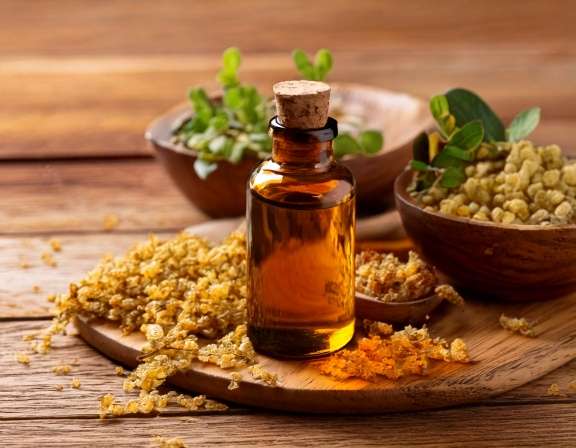
Some oils smell bright and easy. Myrrh essential oil doesn’t. It smells warm, earthy, resinous, and a little smoky, like a wooden cabinet that still holds a faint trace of incense.
That deep scent is part of why people keep coming back to it. Myrrh has a long place in wellness traditions, and today it’s still used for skin support, calming aromatherapy, and simple home care. Not every claim around it is strong or modern, though, so it helps to stay practical.
If you’re curious about using myrrh at home, the most helpful approach is a simple one: start with realistic benefits, easy recipes, and careful dilution.
How myrrh essential oil supports skin care
Myrrh is one of those oils people reach for when skin feels worn out. Not glamorous, maybe, but useful. Its reputation comes from a mix of traditional use, lab research, and early studies that point to antioxidant, antimicrobial, and anti-inflammatory activity.
In simple terms, that matters because dry or stressed skin often needs support, not harsh treatment. Myrrh oil shows up in products made for mature skin, rough patches, and post-weather skin that feels tight or flaky. It may also help skin feel calmer when used in a well-diluted blend.
Still, it’s not a miracle oil. It won’t erase deep wrinkles or fix ongoing skin issues by itself. Think of it more like a rich, steady helper, the kind of ingredient that works best when it’s part of a gentle routine.
Ways it may help dry, rough, or tired-looking skin
Dry skin usually wants two things: protection and softness. Myrrh can fit into that picture because it’s often added to oils and balms meant to reduce that rough, stretched feeling.
You’ll see it used for hands, elbows, heels, and other places that get neglected until they start to complain. It also has a place in mature skin care, where the goal is often comfort and texture, not chasing perfection. A few diluted drops in jojoba or rosehip oil can make a face oil feel richer and more grounding.
Some people also like myrrh for tired-looking skin because its aroma changes the whole routine. Skin care can feel less like maintenance and more like a pause. That’s not a medical benefit, but it does matter in real life.
Myrrh can be supportive for dry skin, but “supportive” is the right word. Gentle, steady use beats strong, frequent use.
Simple myrrh skin-care ideas readers can try
A small recipe is usually enough. Myrrh has a thick, potent character, so more isn’t better.
For a simple face oil, mix 1 drop myrrh essential oil with 2 teaspoons jojoba oil and 1 teaspoon rosehip oil. Apply 2 to 3 drops to slightly damp skin at night. Keep it away from the eye area.
For a dry-patch treatment, stir 1 drop of myrrh into 1 teaspoon of shea butter or coconut oil. Dab a small amount onto rough elbows, heels, or knuckles. This is best as a spot treatment, not an all-over body cream.
For a nourishing body balm, melt 1 tablespoon shea butter with 1 tablespoon sweet almond oil. Let it cool slightly, then add 2 drops myrrh and 2 drops lavender. Whip or stir until smooth. Use on dry hands or feet before bed.
Patch test first, especially if your skin reacts easily. If your skin stings, turns red, or feels hot, wash it off and try a weaker blend next time.
The scent of myrrh and how to use it in aromatherapy
Myrrh doesn’t smell sweet in a cheerful way. It’s deeper than that, more like warm resin, dry earth, and old wood. Some people love it on first sniff. Others need time.
That heavy, steady scent is why it’s often used when the goal is calm. Myrrh can make a room feel settled, almost softer around the edges. It’s popular in meditation, evening routines, and massage blends for that reason. If you already enjoy mood-boosting essential oils, myrrh is the quieter cousin, less bright, more grounding.
Aromatherapy is personal, though. One person finds myrrh peaceful. Another finds it too intense. Start small and let your nose decide.
Diffuser blends that feel calm and earthy
Myrrh works best in blends where it doesn’t have to carry the whole scent by itself. A few drops can anchor lighter oils and give the blend more depth.
Try this evening blend: 2 drops lavender, 1 drop myrrh, 2 drops cedarwood. It smells soft, woody, and restful.
For a grounded focus blend, use 2 drops frankincense, 1 drop myrrh, and 2 drops sweet orange. The orange keeps it from feeling too heavy.
For a cozy room scent, mix 2 drops cedarwood, 2 drops orange, and 1 drop myrrh. It smells warm without becoming sharp or syrupy.
Keep diffuser sessions modest, around 30 to 60 minutes in a ventilated room. If the scent starts to feel thick or headache-inducing, use fewer drops next time.
Using myrrh in perfume, soap, and home fragrance
Because myrrh smells deep and long-lasting, it often acts like a base note. In plain terms, that means it helps a scent stay put and gives lighter oils something to rest on.
In natural perfume, try 1 drop myrrh with 3 drops orange and 2 drops frankincense in 1 tablespoon jojoba oil. Apply lightly to pulse points. Test on a small area first.
In handmade soap, myrrh is usually there for scent more than dramatic skin results. It pairs well with lavender, patchouli, cedarwood, and citrus oils. The result often smells grounded and slightly old-world, in a good way.
You can also add myrrh to a bath oil, but only after diluting it well in a carrier oil first. For a simple linen or room blend, mix 6 tablespoons distilled water, 1 tablespoon vodka, 3 drops lavender, and 1 drop myrrh in a spray bottle. Shake before each use. Avoid spraying directly on delicate fabrics.
Care uses for mouth, wounds, and everyday wellness
This is where myrrh gets especially interesting. Some of its best-known traditional uses go beyond scent and skin softness, especially in oral care and small-scale first-aid blends.
Research around myrrh includes antimicrobial and anti-inflammatory activity, and it’s been used for a long time in mouth products and skin salves. Still, there are gaps. Some uses are backed better than others, and traditional use doesn’t mean unlimited use.
So the balanced view is the best one. Myrrh may be helpful in everyday care, but it belongs in the “minor support” category, not the “replace medical care” category.
Oral care uses people still talk about
Myrrh has a long history in gum and mouth care. You’ll still find it in some herbal tooth powders, mouth rinses, and oral comfort products today. That’s one reason it often comes up alongside clove oil benefits for gum comfort, since both oils show up in natural oral care conversations.
A simple home option is a mouth-rinse concentrate for external use only: add 1 drop myrrh and 1 drop peppermint to 1 tablespoon of vodka, then mix a few drops of that concentrate into a small cup of warm water before rinsing. Spit it out. Do not swallow it.
If your gums are irritated, keep expectations modest. Myrrh may help freshen the mouth and support comfort, but it doesn’t replace dental treatment for infection, pain, or bleeding that keeps coming back.
Essential oils are concentrated. “Natural” doesn’t mean safe to swallow or safe to use straight.
Traditional support for small cuts, sore spots, and skin repair
Myrrh also shows up in salves for minor cuts, scrapes, cracked skin, and sore spots. Some lab and early wound-healing research supports that traditional reputation, though home use should stay simple and conservative.
A basic skin repair salve can be made with 1 tablespoon calendula-infused oil, 1 teaspoon beeswax, and 1 drop myrrh. Melt, stir, cool, and use a small amount on minor dry or irritated spots. Avoid open, deep, or serious wounds.
It’s also commonly paired with lavender, tea tree, or calendula oil in blends meant for everyday skin care. If you like keeping a few basics on hand, this guide to top essential oils for natural first aid is a helpful next step.
How to use myrrh essential oil safely and well
Safety with myrrh isn’t complicated, but it does matter. The oil is thick, concentrated, and easy to overuse if you’re drawn to stronger scents or richer blends.
Most problems come from simple mistakes: skipping dilution, using too much, or treating an essential oil like a medicine cabinet all by itself. Myrrh usually works best when it’s used in small amounts, mixed well, and kept out of eyes and mucous membranes.
Extra caution is wise during pregnancy, while nursing, around young children, around pets, and with highly reactive skin. If you have a medical condition, take medication, or want to use myrrh near the mouth often, check with a qualified professional first.
Best dilution rates and carrier oils
For the face, keep it low. About 1 drop per 2 to 3 teaspoons of carrier oil is a gentle place to start.
For the body, 2 to 4 drops per teaspoon of carrier oil is a common adult range, depending on the area and your skin tolerance. For small dry patches, you can stay on the lower end and still get good results.
Good carrier oils include jojoba, sweet almond, fractionated coconut, olive oil, and rosehip. Jojoba is a favorite for facial use because it feels light. Shea butter works well for balms and heel treatments.
If you need a refresher on patch testing, storage, and age-related precautions, these safe dilution tips for essential oils are worth reviewing.
Mistakes to avoid when using myrrh oil at home
The first mistake is using myrrh undiluted. That can irritate skin fast, especially on the face.
The second is getting it too close to the eyes, lips, or inner nose. Essential oils don’t belong on delicate tissue.
Another common issue is overloading the diffuser. Myrrh is heavy. One or two drops may be enough in a small space.
And finally, don’t confuse topical or aromatic use with internal use. Myrrh essential oil should not be swallowed unless a trusted health professional gives that advice for your situation.
Conclusion
Myrrh has lasted this long for a reason. It offers a rich scent, a comforting place in skin care, and a long tradition in everyday wellness practices.
The most useful way to think about myrrh essential oil is simple: use it with respect, keep claims realistic, and start small. A diluted face oil, a bedtime balm, or a gentle diffuser blend is often enough to see whether it belongs in your routine.
If you’re new to it, begin with one easy use first. Your skin, your nose, and your comfort level will tell you a lot.
Stay Connected for More Natural Living Inspiration
If you enjoyed this post about herbal wellness and love discovering natural ways to refresh your home and wellness, don’t miss out on future recipes and clean-living tips! Subscribe to the blog for weekly DIYs, wellness inspiration, and herbal remedies delivered straight to your inbox.
Don’t forget to visit my LinkTree for the links to my favorite essential oils, herbal teas, natural recipes, YouTube ambiance videos for sleeping; a project I created to help with insomnia symptoms and the second channel, Rooted in Nature YouTube Channel both channels feature herbal recipes for wellness and home.
Thanks for coming by!

Leave a Reply