
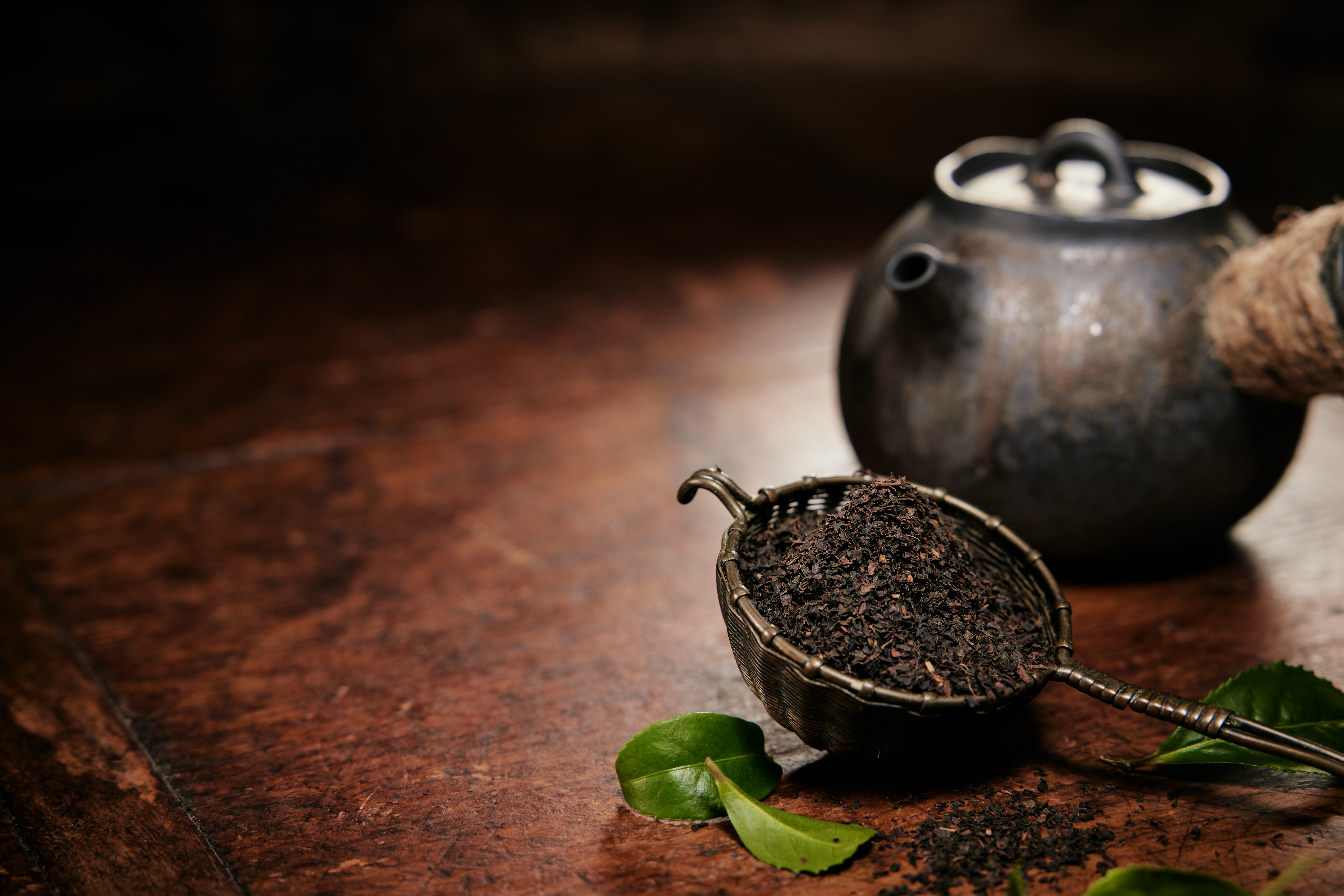
(DISCLAIMER: I am not a doctor, and you should consult your healthcare professional before starting any health regimen.)

Key Takeaways
- Mullein tea is a traditional remedy for respiratory conditions and lung detox in wellness, not a literal detox treatment.
- Many people use it for gentle natural respiratory support during the common cold and dry indoor seasons.
- The tea is mild, earthy, and often feels coating on the throat.
- Strain it very well, those tiny mullein leaf hairs can irritate your throat.
- The strongest evidence is limited, much comes from lab or animal research.
Mullein tea has that old-school, grandma’s-cupboard reputation rooted in Native American traditions, especially as a classic mullein tea benefits favorite for people who want breathing comfort. In folk wellness, it’s often called a “lung detox tea”, but it’s better to think of it as a soothing habit, not a cure or a medical detox.
If you love herbal teas, essential oil rituals, or cozy self-care routines, mullein can fit right in as a tea habit focused on lung health. Just keep your expectations grounded: it may support comfort, especially during seasonal sniffles, but it won’t replace real medical care when you need it.
What mullein tea is, what it tastes like, and why people use it for breathing
Mullein usually means Verbascum thapsus, a tall plant with soft, fuzzy leaves and small yellow flowers. Herbalists most often use the dried leaves (and sometimes flowers) to make tea. The taste is pretty gentle, mild, earthy, and slightly grassy, kind of like a “field” smell after rain. It’s not a bold mint or a sharp ginger. It’s more of a soft background tea that pairs well with honey or lemon.
So why do people reach for it when they feel chesty or scratchy? Mullein has a long history in traditional use for cough and throat comfort. In plain terms, it tends to feel soothing and “slippery” going down, which is why many people like it when their throat feels dry, irritated, or tickly. It’s also commonly described as helping the body move mucus out, which is why it’s often mentioned as an expectorant in herbal circles.
It’s also worth clearing up what mullein tea is not. Tea is just a water infusion, so you’re mostly getting water-soluble compounds. A mullein tincture (alcohol extract) can pull out different plant constituents, capsules deliver powdered herb, and “smoking mullein” is a trend some people talk about online. Smoking anything can irritate your lungs, so it doesn’t make sense as a wellness habit.
One practical safety note matters more than most people realize: mullein leaves have tiny hairs. If you don’t strain the tea well, those hairs can make your throat feel more irritated, which is the opposite of what you want.
The parts of the plant that matter (leaves vs. flowers)
The mullein leaf is the most common choice for tea. It’s easy to find, affordable, and traditionally used for respiratory comfort. Mullein flowers are also used, sometimes described as a bit lighter in feel, and they’re popular in infused oils for other folk uses.
Quality matters because mullein is like a sponge. Buy from reputable herbal brands, or harvest only from clean areas you trust. Avoid roadside plants, they can be exposed to exhaust, dust, and chemicals. Proper drying also matters, since poorly dried herbs can develop off smells or spoil.
Why it’s often called a “lung herb” in traditional use
Traditional “lung herbs” often share a few traits: they feel soothing, they may help loosen stuck mucus, and they can make breathing feel less tight or scratchy. That’s the lane mullein sits in for many tea drinkers.
Modern research is still catching up, but reviews of Verbascum thapsus discuss plant compounds like mucilage, which provides demulcent properties, saponins, and flavonoids that may explain why people experience throat comfort and easier coughing. Studies also explore its antibacterial effects. For a science-leaning overview, see this PubMed review of common mullein research and this full-text mullein review on PMC.
10 powerful Mullein tea benefits you should know (and what the evidence really suggests)
Before we get into the list, here’s the honest frame: many mullein findings come from traditional use, lab studies, and animal research, including its anti-inflammatory properties. Human evidence is limited, and results from a test tube don’t always translate to a mug of tea. Still, people don’t keep a plant in their home routines for centuries for no reason.
- May help loosen mucus: Mullein is commonly described as an herb that supports moving mucus along to clear mucus, so it’s easier to cough up. That matters when you feel “gunked up” and every cough feels unproductive. Saponins in plants are often mentioned in herbal texts for this kind of effect.
What it may feel like: a cough that seems less stuck and more “clearing.” - Supports cough comfort: A harsh cough can make your chest and throat feel worn out, especially with chronic cough. Mullein tea is often used as a gentle, calming sip that may make coughing feel less raw. Think of it as comfort support, not a stop-cough switch.
What it may feel like: fewer sharp cough “spikes,” especially at night. - Soothes a sore, scratchy throat: Many people like mullein because it can feel coating, especially when your throat is dry from indoor heat or post-nasal drip. Herbs with mucilage are often used this way, like a soft layer over irritated tissue. Warmth alone helps too, and mullein adds a gentle herbal feel.
What it may feel like: less throat scratchiness when you swallow. - May calm airway irritation: When the air is cold, smoky, or dusty, your throat and upper airways can feel reactive with respiratory conditions, including asthma symptoms or bronchitis. Mullein has a reputation for being “softening” rather than stimulating. That’s why it’s a common choice for natural respiratory support routines, especially if peppermint feels too intense.
What it may feel like: breathing feels less prickly or dry. - Supports congestion relief during colds: During a cold, congestion is a mix of swelling, mucus, and irritation. Mullein tea won’t “cure” a cold, but it can support hydration and comfort, and it may help clear mucus. Pairing it with steam inhalation or a warm shower can boost that cozy relief feeling.
What it may feel like: a slightly clearer head and chest after a warm cup. - Shows antimicrobial activity in lab studies: Some test-tube studies suggest mullein extracts may have antimicrobial effects against certain microbes. That doesn’t mean the tea replaces antibiotics, and it doesn’t guarantee it works the same way in the body. It does help explain why mullein keeps showing up in traditional cold season herb blends.
What it may feel like: not a “feeling” benefit, more of a background support you choose for the tradition and research interest. - Shows antiviral activity in lab studiesTest-tube studies exploring antiviral activity of mullein compounds, including against the influenza virus. Again, a lab setup is very different from what happens in your throat or lungs after sipping tea. Still, it’s one reason researchers keep revisiting mullein.
What it may feel like: steady comfort support while you rest and hydrate. - Provides antioxidant support: Plants contain antioxidants, and mullein is no exception with its antioxidant effects. Antioxidants help balance oxidative stress in the body, which often rises during illness, poor sleep, and inflammation. This isn’t a dramatic, instant effect, it’s more like daily maintenance.
What it may feel like: subtle support, especially when paired with good sleep and fluids. - May offer mild digestion comfort: A lot of people notice that warm, mild teas help when their stomach feels tense or bloated. Mullein isn’t the first herb people pick for digestion, but its gentle nature can make it an easy choice when you want something soothing and not too stimulating. If you’re prone to heartburn, skip acidic add-ins like lots of lemon. What it may feel like: a calmer belly and less “tight” feeling after meals.
- Possible brain-cell protection signals from early studies: Some early research interest around mullein looks at neuroprotective and anti-inflammatory properties, but this is very much “early signals” territory. It’s exciting in a science-nerd way, but it’s not a reason to treat mullein tea like a brain supplement. Consider it a bonus area researchers are still exploring.
What it may feel like: nothing obvious, this is not a quick, noticeable effect.
A quick note on the phrase “lung detox tea”: it’s a wellness term people use to describe herbs that support coughing things up and soothing irritation. It’s not the same thing as a medical detox, and it doesn’t mean your lungs were “dirty” in a literal sense.
If you like pairing herbs with aromatherapy, you might enjoy building a simple comfort routine that includes tea plus gentle diffusion, especially considering other traditional uses like mullein oil for ear infections. These guides can help with ideas: essential oils for bronchitis relief, hyssop essential oil for cough and cold relief, or top essential oils for pneumonia relief (pneumonia is serious, always get medical care).
How to make mullein tea safely, plus who should skip it
Making mullein tea is easy, but the “tiny hairs” issue is real. If you’ve ever had a cup that made your throat feel itchy, it’s usually not the herb itself. It’s the leaf hairs that slipped through your strainer.
Use hot water, give it time to steep, then strain it through something very fine when straining mullein tea. A tea ball alone often isn’t enough. A coffee filter, a paper tea filter, or a very fine mesh cloth works better.
For flavor and comfort, add-ins can make a big difference:
- Honey: adds soothing sweetness and a thicker feel in the throat (don’t give honey to infants under 1 year).
- Lemon: brightens the taste and can feel refreshing, but go easy if you’re reflux-prone.
- Ginger: adds warmth and a “wake up” feeling, helpful when you feel chilled.
A simple mullein tea brewing instructions that doesn’t irritate your throat
- Add 1 to 2 teaspoons dried loose leaves of mullein leaf (or a leaf and flower blend) to 1 cup of hot water (just off boiling).
- Cover and steep 10 to 15 minutes.
- Strain very well, ideally through a coffee filter or double-layer fine filter.
- Start with a weaker cup (1 teaspoon) the first time, then adjust based on how you feel.
If you want it stronger, steep longer before adding more herb. That often keeps the taste smoother.
Side effects and safety reminders before your first cup
Mullein tea is generally considered gentle for many adults, but “gentle” doesn’t mean “for everyone.” Common side effects people run into include:
- Throat irritation from poor straining.
- Mild stomach upset, especially on an empty stomach.
- Skin irritation for some people when handling the plant (less common with bagged tea).
Talk to your clinician before using mullein if any of these apply:
- You’re pregnant or breastfeeding (not enough safety data).
- You want to give it to kids (ask a pediatric clinician first).
- You have plant allergies, especially if you react to herbal teas often.
- You have asthma, COPD, or ongoing breathing symptoms that need medical management.
- You take prescription meds and you’re unsure about interactions (interaction data is limited).
Also, choose reputable brands of mullein, a staple in herbal medicine, and avoid harvesting from unknown areas. “Wild and free” sounds nice, but roadside mullein can come with unwanted extras.
If you want a deeper look at what research does and doesn’t say, you can skim this clinical trial paper on hyssop and mullein tea and compare it with broader summaries like the PubMed mullein review.
Conclusion
Mullein tea is one of those simple, comforting traditions that can earn a spot in your pantry. When you make it right and strain it well, it often feels soothing for the throat and helpful during seasonal sniffles, highlighting the mullein tea benefits especially if you’re trying to build a steady natural comfort routine at home for lung health.
Try it for a few days, keep notes on how you feel, and adjust your strength and add-ins. Honey, lemon, and ginger can change the whole experience.
If you make mullein tea, share in the comments: do you like it plain, sweetened, or with a little spice? And please get medical help right away for serious symptoms like trouble breathing, chest pain, high fever, or symptoms that worsen instead of improving.
Stay Connected for More Natural Living Inspiration
If you enjoyed this post about herbal wellness and love discovering natural ways to refresh your home and wellness, don’t miss out on future recipes and clean-living tips! Subscribe to the blog for weekly DIYs, wellness inspiration, and herbal remedies delivered straight to your inbox.
Don’t forget to visit my Amazon storefront for the links to my favorite essential oils, herbal teas, and natural recipes. I also create YouTube ambiance videos for sleeping; a channel I created to help people who have trouble sleeping. The link to all social media content is here.
Thanks for coming by!


Leave a Reply