

(DISCLAIMER: I am not a doctor, and you should consult your healthcare professional before starting any health regimen.)

Steam curls above a favorite mug, carrying the scent of flowers, mint, and warm herbs after a busy day. A homemade tea ritual can begin with a familiar base herb, one or two supporting ingredients, and a steeping time that suits the blend.
These herbal tea blends for stress, sleep & energy make everyday moments feel more intentional. Calming and bedtime tisanes are naturally caffeine-free when they contain herbs alone, while green or black tea brings caffeine to an energizing cup. Start with a few dried herbs, a covered mug, and a willingness to adjust each recipe to your taste.
Key Takeaways for Homemade Herbal Tea Blends
- Begin with a simple formula of two parts main herb to one part accent herb for balanced flavor and aroma.
- Use clean, fragrant dried herbs, then steep most herbal blends in water between 200°F and 212°F for about five to ten minutes.
- Cover the mug while the herbs steep, since the lid helps keep their fragrant aromatic compounds in the cup.
- Chamomile, lemon balm, and lavender create a gentle blend for calm daytime pauses.
- Chamomile, lavender, and optional valerian root suit a soothing evening cup, while green tea, black tea, and peppermint support an energizing ritual.
- Tea recipes shine with dried botanicals. Essential oils fit beautifully into appropriate aromatherapy practices such as properly diluted topical use or diffusion.
For more recipe inspiration, explore these natural herbal blends for stress relief.
How to Make Herbal Tea Blends for Stress, Sleep & Energy at Home
Learning how to make herbal tea blends for stress, sleep & energy starts with one main ingredient. Choose a herb you enjoy drinking, then add one or two companions that bring a new aroma, flavor, or purpose.
For one 8 to 10 ounce cup, use two teaspoons of a main herb and one teaspoon of supporting herbs. A larger batch works well too. Combine the dried ingredients in a clean glass jar, shake gently, and scoop out about one tablespoon per cup.
Leafy herbs and flowers release flavor fairly quickly. Roots, including valerian, often appreciate a longer steep. Green and black tea leaves come from Camellia sinensis and contain caffeine, while pure herbal infusions are generally caffeine-free.
Use hot water around 200°F to 212°F for most herbal blends. Cover the mug and steep for five to ten minutes, then strain, sip, and adjust the next cup in small steps.
Choose Herbs That Match the Moment
Chamomile is a soft, floral base with an apple-like scent. Lemon balm, also known as Melissa officinalis, adds a bright lemony note. Lavender brings a powerful perfume, so a small amount can shape an entire cup.
Valerian root has an earthy flavor that fits an evening blend. Peppermint gives a crisp lift, while rooibos creates a smooth, naturally caffeine-free base with gentle sweetness. Flavor matters as much as timing because a blend becomes meaningful when you look forward to making it.
A tisane contains steeped herbs, flowers, spices, fruit, or rooibos. Green and black tea come from tea leaves. Learn more about the benefits of tisanes when choosing between caffeine-free herbal cups and traditional tea.
Build Your First Batch With Restraint
Start with three ingredients or fewer. A crowded jar can create a muddy taste, especially when strong botanicals such as lavender, peppermint, or ginger appear together.
Taste each cup before adding more herbs. If the flavor feels faint, increase the main herb by one-half teaspoon next time. If a floral note takes over, reduce the accent herb. This slow approach helps you recognize what each plant brings to the mug.
Label every jar with the ingredients and date. Keep dried herbs in a cool, dark, dry place, away from sunlight, heat, moisture, and strong food aromas.
Three Easy Herbal Tea Recipes for Calm, Rest, and Steady Energy
Each recipe makes one 8 to 10 ounce cup. Use a fine mesh strainer or reusable tea filter, and add honey or lemon after steeping when the flavor calls for it.
Calm-Day Chamomile and Lemon Balm Blend
INGREDIENTS
- 1 teaspoon dried chamomile
- 1 teaspoon dried lemon balm
- 1/2 teaspoon dried lavender
Pour hot water, around 200°F to 212°F, over the herbs. Cover and steep for five to seven minutes, then strain into your favorite mug. The cup tastes floral and lemony, with lavender lingering in the aroma. Enjoy it after work, during a reading break, or whenever you want to slow the pace of the afternoon.
For a softer floral profile, use one-quarter teaspoon of lavender. A small spoonful of honey gives the blend a rounder finish.
Bedtime Chamomile, Lavender, and Valerian Tea
INGREDIENTS
- 1 teaspoon dried chamomile
- 1/2 teaspoon dried lavender
- 1/2 teaspoon dried valerian root
Add the herbs to a covered mug with water around 200°F. Steep for seven to ten minutes, then strain and enjoy the cup about an hour before bed. Chamomile and lavender bring gentle floral notes, while valerian gives the blend an earthy depth.
Valerian can stay out of the jar for a milder, more floral cup. In that version, add an extra one-half teaspoon of chamomile or lemon balm. A quiet room, soft light, and a warm mug can turn this simple blend into an evening ritual.
Green Tea, Peppermint, and Ginger Morning Blend
INGREDIENTS
- 1 teaspoon green tea leaves
- 1/2 teaspoon dried peppermint
- 1 small slice dried ginger
Heat water to about 175°F to 185°F, then steep the ingredients for two to three minutes. Strain promptly so the green tea stays bright and fresh. Peppermint brings a cool finish, while ginger adds gentle warmth behind the tea’s grassy character.
For a caffeine-free version, replace the green tea with two teaspoons rooibos and steep for five to seven minutes in hotter water. Peppermint is also a refreshing choice for an afternoon cup, and peppermint tea for focus and digestionoffers more ways to enjoy it.
How to Adjust Flavor, Strength, and Caffeine
Change one detail at a time. Add a little more herb for fuller flavor, or steep a few minutes longer when using flowers and leafy herbs. Rooibos adds body to delicate blends, lemon balm brings brightness, and peppermint creates a cooling finish.
Green and black tea fit morning and early afternoon routines because they contain caffeine. Healthline lists about 21 milligrams of caffeine in a 6 ounce serving of green tea and about 35 milligrams in the same amount of black tea, although brewing style changes the final amount. Rooibos and most herbal tisanes fit beautifully later in the day, while decaffeinated tea gives a tea-like flavor with less caffeine.
Keep a simple tea journal with ingredients, steep time, flavor notes, and the time of day. After several cups, your favorite combinations become clear.
Build a Safe and Enjoyable Tea Ritual
A satisfying tea ritual begins with quality ingredients. Choose dried herbs with clear labels and a fresh, pleasant scent. When trying a new plant, prepare it on its own first. That simple step helps you learn its flavor and how it fits your routine.
Pregnant or breastfeeding readers, children, people with plant allergies, and anyone using regular medications can enjoy extra confidence by speaking with a qualified health professional about individual herb choices. Valerian and other relaxing herbs fit best when their timing suits your plans for the evening.
Keep Essential Oils in Their Proper Place
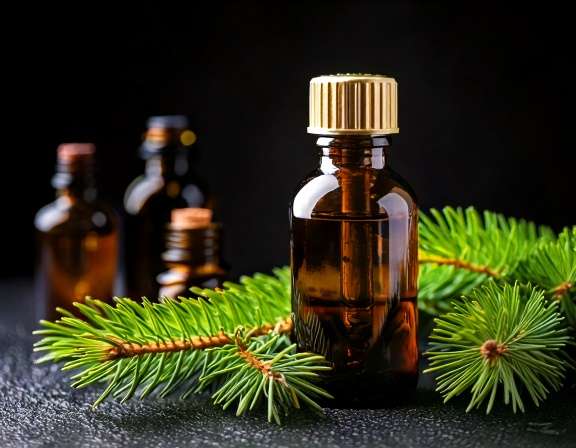
Tea recipes use dried herbs, flowers, roots, spices, and tea leaves. Essential oils are highly concentrated aromatic plant products, and they belong in suitable aromatherapy applications rather than beverage recipes.
Readers who enjoy essential oils can use them through properly diluted topical blends or diffusion methods that follow the product label. A qualified aromatherapist can also help match oils and methods to a personal routine. The scent of lavender in a diffuser beside a cup of chamomile tea creates a lovely sensory pairing.
Dried lavender flowers bring gentle flavor to tea, while lavender essential oil offers aroma through appropriate external aromatherapy use.
Find more plant-centered inspiration through these herbs, plants, and wellness ideas.
Store Your Blends and Make Them Part of Your Day
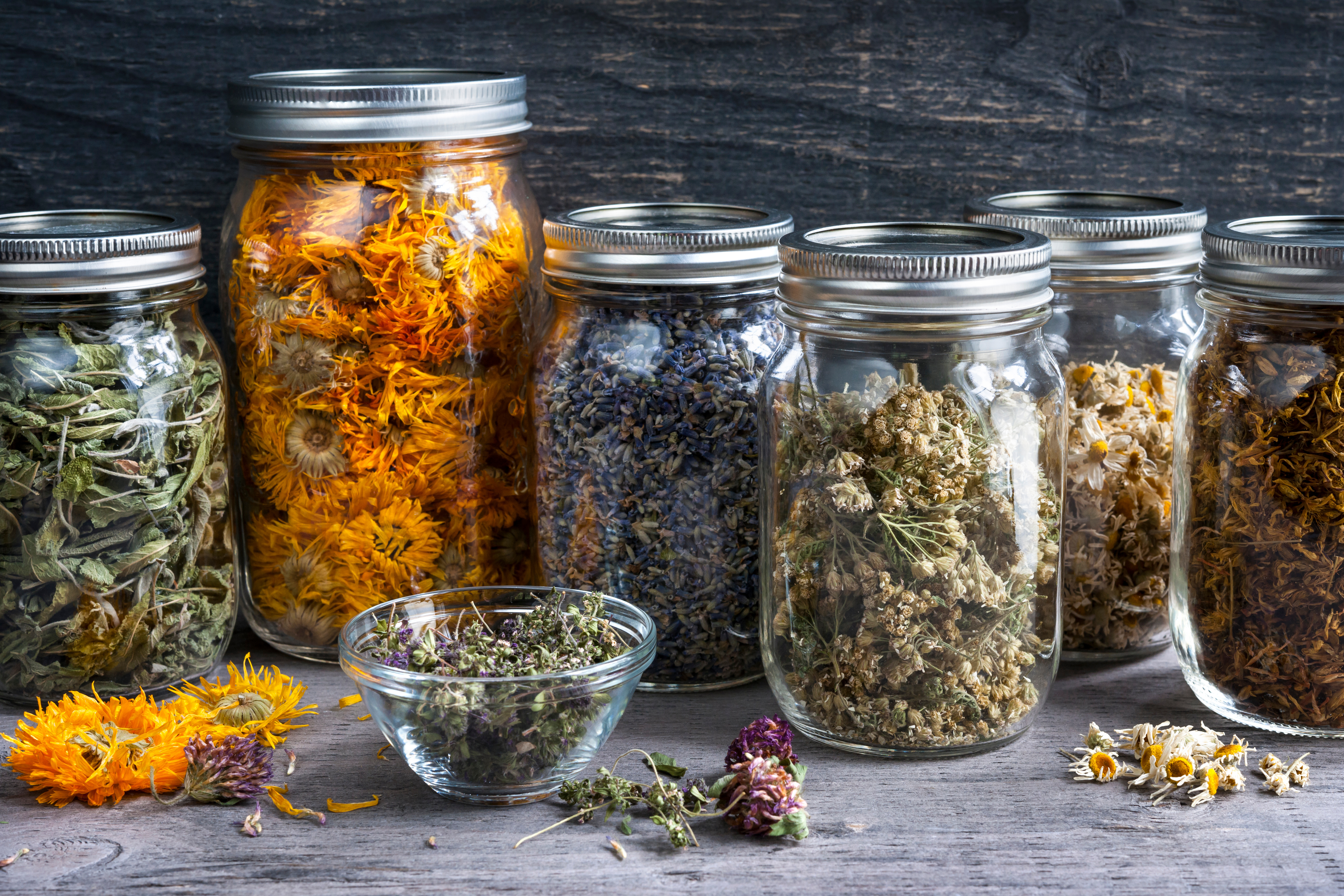
Small airtight glass jars keep homemade blends organized and fragrant. Clear labels prevent mix-ups, while a cool, dark cabinet protects flavor. Store strongly scented herbs, including lavender and peppermint, in separate jars so their character stays distinct.
Make a small batch first, perhaps enough for four to six cups. Fresh aroma makes a difference, and many dried herbal teas taste their best within six to 12 months.
Pair each recipe with a daily cue. Enjoy the chamomile and lemon balm blend after work, pour the bedtime blend during a quiet evening, or brew the green tea blend before a morning task. A tea journal can reveal which flavors, strengths, and times feel most satisfying.
Frequently Asked Questions
Can I use fresh herbs instead of dried herbs?
Fresh herbs work well in homemade tea, especially mint, lemon balm, and chamomile flowers. Use roughly two to three times as much fresh plant material because fresh herbs contain more water. Rinse them well, bruise the leaves gently, and steep them covered.
How long do homemade herbal tea blends stay fresh?
Airtight jars in a cool, dark cabinet help dried blends keep their aroma and flavor. Many herbal tea supplies taste freshest within six to 12 months. A bright scent and rich color are helpful signs of a lively blend.
Which tea works best for an afternoon energy ritual?
Green tea offers a gentle caffeinated lift with a fresh taste, while black tea has a bolder flavor and more caffeine per typical serving. Peppermint and ginger pair well with either choice. Rooibos with peppermint offers a caffeine-free afternoon alternative.
Can I sweeten herbal tea blends?
Honey, maple syrup, and a slice of lemon all pair well with herbal tea. Add sweeteners after steeping and straining so you can taste the blend first. Chamomile and lavender often taste especially lovely with a small spoonful of honey.
Why should I cover my mug while tea steeps?
A saucer, small plate, or fitted lid helps keep warmth and aroma in the cup. Herbs such as lemon balm, peppermint, and lavender release fragrant compounds into steam. Covering the mug keeps more of that sensory experience close to the tea.
A Cup That Fits the Moment
The most satisfying blends begin with a familiar base, one or two complementary herbs, and careful steeping. Chamomile, lemon balm, lavender, valerian, peppermint, rooibos, and tea leaves each bring their own flavor, aroma, and best time of day.
Herbal tisanes offer naturally caffeine-free comfort, while green and black tea create a brighter caffeinated ritual. Choose the blend that suits the moment, cover the mug as it steeps, and let a warm cup become a small, intentional pause in your day.
Stay Connected for More Natural Living Inspiration
If you enjoyed this post about herbal wellness and love discovering natural ways to refresh your home and wellness, don’t miss out on future recipes and clean-living tips! Subscribe to the blog for weekly DIYs, wellness inspiration, and herbal remedies delivered straight to your inbox.
Don’t forget to visit my Amazon storefront for the links to my favorite essential oils, herbal teas, and natural recipes. I also create YouTube ambiance videos for sleeping; a channel I created to help people who have trouble sleeping. The link to all social media content is here.
Thanks for coming by!
Leave a Reply