
(DISCLAIMER: I am not a doctor, and you should consult your healthcare professional before starting any health regimen. Product links are commissioned and supports the blog)

Key Takeaways for Fast Relief
- Inhalation is the easiest first step when nausea starts suddenly.
- Dilution matters if you use ginger oil on your skin. Undiluted oil can irritate fast.
- A personal inhaler, cotton ball, or diffuser are the most practical DIY options.
- Short sessions work better than strong, long ones for most people.
- Medical advice is needed for ongoing nausea, dehydration, severe vomiting, or pregnancy concerns.
Nausea can hit out of nowhere, on a winding car ride, after surgery, during pregnancy, or when your stomach is already off. When that happens, you want something simple, safe, and easy to use without turning your day upside down.
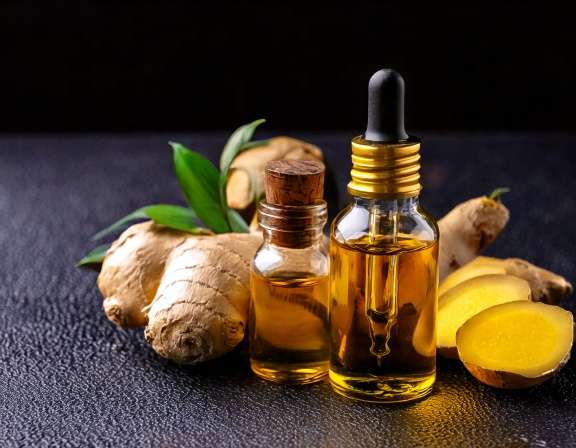
Ginger essential oil is one of those tools people reach for when they want quick comfort. It may help calm a queasy stomach, but the way you use it matters just as much as the oil itself.
- Inhale it first if nausea comes on fast.
- Always dilute it before putting it on skin.
- Keep recipes simple, especially for travel or daily use.
- Get medical help if nausea lasts, gets worse, or comes with red flags.
These are the basics. Keep them in mind before you try any recipe or blend.
Why Ginger Essential Oil May Help an Upset Stomach
Ginger has a long history as a stomach-soother, and the essential oil carries the same warm, spicy scent people connect with digestive comfort. It’s much more concentrated than ginger root, which is why a little goes a long way.
The oil is used because scent can feel immediate. When nausea starts, smell is one of the fastest routes into the body’s response. That’s part of why ginger essential oil is often used for short-term relief, especially when the queasy feeling is tied to motion, stress, or a temporary upset stomach.
Research up to 2026 suggests it may help some kinds of nausea, especially when used early. It is not a cure-all, and it won’t fix every cause of nausea. Still, for mild to moderate symptoms, it can be a useful support.
How it differs from ginger tea or ginger root
Ginger root and ginger tea are food-based options. They’re useful when you want warmth, hydration, and a gentle stomach-friendly drink.
Ginger essential oil is different. It is stronger, more concentrated, and usually used for aromatherapy, diffusion, or diluted skin use. You don’t sip it like tea. You use it as a scent or a topically diluted blend.
That difference matters. If you want something to drink, ginger tea makes sense. If you want quick scent-based support, the oil may fit better.
What the latest research suggests
The current research leans most heavily toward inhalation. That’s the method studied the most in nausea settings like surgery, chemotherapy, and early pregnancy.
The results are mixed, but some people do report relief. Ginger oil seems more helpful for short-term nausea than for severe or ongoing symptoms. It may also help when nausea and stress show up together, since the scent can feel grounding.
Ginger essential oil is best treated like support, not a stand-alone fix.
That’s the right expectation. It may help, but it’s not the whole answer.
The Safest Ways to Use Ginger Essential Oil for Nausea
If you want the simplest path, start with smell. It’s often the gentlest option and the easiest to stop if it doesn’t suit you.
You can also use diluted topical blends. That works best when nausea lingers and you want something you can wear on the skin. Diffusion is another option, though it’s better for steady support than for urgent relief.
Inhale it when nausea starts
This is the fastest method for many people. Put a drop or two on a cotton ball, tissue, or personal inhaler, then take a few light breaths.
You do not need a strong smell. In fact, too much can make nausea worse. Keep it mild and short. If steam feels tempting, skip harsh steam methods. They can be too intense and may leave you feeling worse instead of better.
This approach makes sense for motion sickness, sudden queasiness, or the first wave of nausea before it gets stronger.
Use a diluted belly rub or wrist blend
Topical use is helpful when you want a slower, more steady effect. Mix ginger oil with a carrier oil before putting it on your skin. Good spots include the belly, wrists, or pulse points.
A little goes a long way. Use a light blend and stop if it feels hot or irritating. If your skin is sensitive, start even lower than you think you need.
This method works well for people who want a portable option they can use at home, at work, or after a meal that sat badly.
Diffuse it in a room or car
Diffusion gives you a soft background scent. It’s useful when nausea is tied to stress, travel, or a stuffy room.
Keep diffusion short. Open a window if you can. Fresh air matters. If a scent starts feeling too strong, turn the diffuser off and step away. Some people do better with a few minutes of scent, not an hour of it.
For travel, this can be a nice support tool, but it should stay light.
Easy Ginger Essential Oil Recipes for Nausea Relief
These blends stay simple on purpose. You do not need a crowded recipe to get a useful result.
A quick inhale blend for travel or sudden nausea
Use this one for motion sickness, car rides, or a sudden wave of nausea.
You need:
- 1 cotton ball or tissue
- 1 to 2 drops ginger essential oil
How to use it: Place the drop on the cotton ball. Hold it near your nose and take a few gentle breaths. Put it away after a minute or two.
If you want a similar option with peppermint, this peppermint oil for nausea relief guide is a useful companion.
A gentle tummy roller for daily use
This is a good pick if you want something easy to carry.
You need:
- 10 ml roller bottle
- 10 to 12 drops ginger essential oil
- Carrier oil, such as fractionated coconut, jojoba, or sweet almond
How to make it: Add the ginger oil to the bottle, fill the rest with carrier oil, and cap it tightly. Roll onto the belly or wrists as needed.
Keep the scent light. This is for comfort, not for flooding the room.
A calming diffuser blend for steady support
Use this blend during rest, work, or low-key travel.
You need:
- 3 drops ginger essential oil
- 2 drops lemon or bergamot
- 1 to 2 drops peppermint or spearmint
How to use it: Add the oils to your diffuser with water, then run it for a short session. Start with 15 to 30 minutes and see how you feel.
If you prefer peppermint-based blends, you may also like this safe peppermint inhalation for travel nausea resource.
How to Avoid Skin Irritation and Other Side Effects
Ginger oil is strong. That’s part of the appeal, and part of the problem if you use too much.
The most common issue is skin irritation. People sometimes feel burning, redness, or itching when the oil is not diluted enough. A patch test helps you catch that before you spread it over a larger area.
Store the bottle in a cool, dark place and keep the cap tight. Heat and light can weaken the oil over time. Also, buy from a source you trust. A weak or poorly handled oil is not worth the risk.
Signs the oil is too strong for your skin
Watch for:
- Redness
- Burning
- Itching
- Rash
- Swelling
If any of those show up, stop using it right away. Wash the area with mild soap and water. Don’t keep testing the same spot.
If the reaction looks severe, gets worse, or spreads, get medical help.
When to avoid ginger essential oil completely
Some people should skip it or talk to a doctor first. That includes people who are pregnant or breastfeeding, people who use blood thinners, people with bleeding disorders, and people with gallbladder problems.
It also makes sense to avoid it if you know you’re allergic to ginger. If you’re headed into surgery, ask your clinician before using it. That’s a simple question now that can spare you trouble later.
When Nausea Needs More Than an Essential Oil
Ginger essential oil can be useful for mild to moderate nausea, but it is not the right answer for every situation. If your symptoms keep hanging around, the cause may be something that needs more than home care.
Get medical advice if nausea lasts more than 48 hours, if you can’t keep fluids down, or if you start showing signs of dehydration. Dry mouth, dizziness, dark urine, and weakness are all clues that your body needs more support.
Red flags that need medical attention
Do not wait on these:
- Chest pain
- Fever
- Blood in vomit
- Fainting
- Trouble breathing
- Severe stomach pain
- Severe headache
- Inability to keep liquids down
If nausea gets worse instead of better, that matters too. Essential oils are not a substitute for treatment when the body is waving a bigger flag.
Frequently Asked Questions
Can I put ginger essential oil directly on my skin?
No. Mix it with a carrier oil before applying it. Undiluted essential oil can irritate the skin.
Can I swallow ginger essential oil for nausea?
No. These recipes are for inhalation, diffusion, or diluted topical use. Do not ingest essential oil.
How should I use ginger oil for motion sickness?
A cotton ball or personal inhaler is easy to carry. Add one drop, take a few gentle breaths when needed, and stop if the scent feels unpleasant.
Is ginger essential oil safe to use during pregnancy?
Ask your healthcare professional before using it during pregnancy. They can help you decide whether aromatherapy is appropriate for your situation.
How long should I run a diffuser?
Follow the instructions for your diffuser and start with a short session. Turn it off if the scent feels too strong or uncomfortable.
Conclusion
When nausea shows up, the simplest option is often the best one. With ginger essential oil, that usually means inhalation first, then diluted skin use or light diffusion if it fits the situation.
The big rule is easy to remember, dilute for skin, keep it light, and choose the method that matches the moment. A cotton ball can help on the road, a roller can help during the day, and a diffuser can help when you want steady support.
Used well, ginger essential oil can be a helpful part of a broader nausea care plan, not the whole plan. That’s where it works best, quietly doing its job while you take the next step that your body actually needs.
Stay Connected for More Natural Living Inspiration
For more wellness tips, subscribe to the blog for weekly posts about essential oils, teas, and herbs. Want an ad free experience with DIY essential oil, herbal recipes and tips? Head here for a distraction free experience.
Thanks for stopping by!
Leave a Reply