
(DISCLAIMER: I am not a doctor, and you should consult your healthcare professional before starting any health regimen. Product links are commissioned and supports the blog)

Key Takeaways
- Inhaling peppermint oil is the best-studied method for nausea relief.
- Start small, one or two gentle breaths or a few diffuser drops is enough.
- Never take pure peppermint essential oil straight by mouth.
- If you use it on skin, dilute it first with a carrier oil.
- Peppermint tea and lozenges are often gentler options for mild queasiness.
- Stop if the scent causes headache, dizziness, coughing, or skin irritation.
- Get medical help for severe vomiting, dehydration, chest pain, fever, or lasting nausea.
Nausea can turn an ordinary day into something small and miserable. When your stomach feels unsettled, many people reach for peppermint essential oil because the scent is quick, familiar, and often calming.
That can make sense, but only if you use it the right way. Peppermint may help some kinds of nausea, especially when inhaled, but more is not better, and pure oil is not something to swallow.
A little care goes a long way here, so let’s start with the safest basics.
Why Peppermint Essential Oil May Help Ease Nausea
Peppermint has a crisp, cooling smell that many people find comforting when they feel sick. Part of that comes from menthol, one of the main compounds in peppermint. In simple terms, menthol can create a cooling sensation and may help the body feel less tense and less unsettled.
There is also a mind-body piece to it. Nausea often gets worse when you’re anxious, overheated, or overstimulated. A scent that feels fresh and steady can interrupt that spiral for some people. It doesn’t fix the cause, but it may help take the edge off.
Recent research gives peppermint aromatherapy some support. A 2021 hospital study found nausea improved within an hour for many patients using peppermint aromatherapy. A smaller study in first-trimester pregnancy also reported lower nausea scores after a week of twice-daily inhalation. That’s helpful, but still modest. Inhalation is the best-studied method, not a cure-all.
How the cooling scent can calm the body
Smell has a fast track to memory, emotion, and comfort. That’s why a scent can shift how you feel before you’ve fully thought about it.
Peppermint’s cooling aroma can feel like opening a window in a stuffy room. For some people, that fresh sensation makes queasiness feel less intense. If nausea is tied to stress, heat, or a closed-in feeling, peppermint may feel surprisingly supportive.
When peppermint may work better than expected
Peppermint is often tried for motion sickness, mild stomach upset, stress-related nausea, and some cases of morning sickness. It may also help when nausea comes with a headache or a general “off” feeling.
Still, expectations matter. Peppermint may soften symptoms, not erase them. If nausea comes from food poisoning, a stomach bug, medication side effects, or something more serious, it may offer comfort without solving the problem.
The Safest Ways to Use Peppermint Oil for Nausea
When nausea hits, the safest options are usually the simplest ones. Start with inhalation, then consider diluted topical use, peppermint tea, or lozenges if those fit you better. Always read the product label, because diffusers, roll-ons, and lozenges can vary.
Inhale it directly or use a diffuser
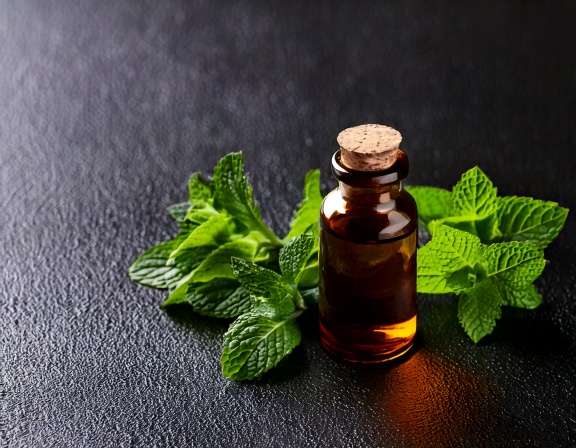
This is the method with the most research behind it, and it’s usually the easiest place to start. You can open the bottle, hold it a few inches from your nose, and take one or two slow breaths. Give it a minute. If it feels helpful, repeat once or twice.
A diffuser works too, especially if you want a lighter scent in the room instead of a direct inhale. Add only a few drops, following the diffuser’s instructions, and keep the space ventilated. Ten to fifteen minutes is plenty for most people.
If the smell feels sharp, stop. Strong scents can backfire when you’re already queasy.
A simple inhalation recipe is enough:
- Put 1 drop of peppermint oil on a cotton ball or tissue.
- Hold it near, not against, your nose.
- Breathe gently for 30 to 60 seconds.
That small amount is often all you need for a first try.
Use diluted peppermint oil on skin with care
Topical use can feel soothing, but it needs a lighter hand. Never apply peppermint essential oil straight to skin. Dilute it in a carrier oil first, or use a pre-made roll-on from a brand with clear directions.
A beginner-friendly blend is simple: mix 1 tablespoon of carrier oil, such as jojoba or sweet almond oil, with 2 drops of peppermint essential oil. Rub a small amount onto the upper chest or abdomen if that feels comfortable. Some adults also use a little on the temples for related tension, but keep it far from the eyes and nose.
Patch test first on a small area of skin. Wait 24 hours if you can, especially if you have sensitive skin. Avoid broken skin, active rashes, and freshly shaved areas. If you want a refresher on safe essential oil skin use, it helps to keep dilution basics close by.
Try peppermint tea or lozenges for gentler relief
Sometimes scent is enough. Sometimes you want something softer.
Peppermint tea can be a good choice when nausea comes with bloating, fullness, or a mildly upset stomach. The warmth, the fluid, and the herb itself can all feel calming. If that sounds more appealing than inhaling oil, a cup of peppermint tea for digestion may be the gentler route.
Lozenges can also be useful when you’re in the car, at work, or away from home. They give you a portable peppermint option without carrying an open bottle of oil around.
Peppermint tea is not the same as peppermint essential oil. Pure essential oil should never be taken straight by mouth.
If you buy lozenges, follow the label and keep the dose modest. More peppermint does not always mean better relief.
How to Use Peppermint Oil Without Overdoing It
Peppermint feels clean and light, which can make it seem harmless. But essential oils are concentrated. A few careful steps help you avoid turning a helpful remedy into one more irritation.
Keep inhalation sessions short. Use only a few drops in a diffuser. Dilute before skin use. Read the label every time, especially with blends, roll-ons, and products sold for children or pregnancy.
If symptoms get worse, stop using it. The same goes for headache, dizziness, burning, coughing, or skin redness.
Start with less and see how your body reacts
This matters even more if you’re new to essential oils or sensitive to fragrance. Start with one drop on a tissue, not five drops in a tiny room.
Give your body a minute or two to respond. If peppermint helps, stay with that small amount. If it doesn’t, piling on more usually won’t fix it. It may only make the scent feel too strong.
Know when not to use it
Peppermint isn’t right for every person or every situation. Pregnancy is one example. Aromatherapy may be used by some pregnant people, and one study found first-trimester inhalation helpful, but it’s still wise to check with your prenatal provider first.
Children need extra caution. Peppermint can feel too strong for babies and young kids, and essential oils should be kept away from their faces unless a clinician says otherwise. Pets can be sensitive too, especially in closed rooms with a diffuser.
Asthma, strong fragrance sensitivity, and acid reflux also matter. Peppermint can irritate airways in some people, and it may worsen reflux for others. If you take regular medication, ask a healthcare professional before using peppermint often, especially if nausea is new or unexplained.
Ongoing nausea deserves more than home care.
A Simple Peppermint Inhalation Routine You Can Follow at Home
If you want one easy method, keep it basic.
Sit upright and crack a window if the room feels stuffy. Open your peppermint oil bottle and hold it a few inches from your nose. Take 2 slow breaths, then close the bottle and wait for 60 seconds. Notice whether your stomach feels any calmer.
If you prefer a softer approach, place 1 drop on a tissue instead. Breathe in gently for about 30 seconds, then set it aside. You can repeat this once after a few minutes if it still feels helpful.
For a diffuser, use 2 to 3 drops in a well-ventilated room for 10 minutes. Then turn it off and see how you feel. Short sessions are usually enough.
When Nausea Needs More Than Peppermint Oil
Home remedies have limits, and that’s a good thing to remember. Peppermint may help mild queasiness, but severe or unusual nausea needs a wider look.
Reach out for medical care if you’re vomiting repeatedly, can’t keep fluids down, feel faint, or notice signs of dehydration, such as a dry mouth or very dark urine. Fever, strong belly pain, chest pain, confusion, or sudden nausea with a severe headache also need attention.
If nausea lasts more than a few days, keeps coming back, or starts after a new medication, don’t brush it off. A soothing scent can be helpful in the moment, but it shouldn’t cover up something your body is trying to flag.
If peppermint helps a little but the bigger pattern keeps going, it’s time to check the cause.
Conclusion
Peppermint can be a comforting tool when nausea is mild, and inhalation is still the safest place to start for most adults. The key is using it lightly, in the right form, and with realistic expectations.
Stick with small amounts, dilute before skin use, and keep pure essential oil out of your mouth. When in doubt, the gentlest option is often the best one. Start small, pay attention to how you feel, and choose the method that feels calm, simple, and safe.
Stay Connected for More Natural Living Inspiration
If you enjoyed this post about herbal wellness and love discovering natural ways to refresh your home and wellness, don’t miss out on future recipes and clean-living tips! Subscribe to the blog for weekly DIYs, wellness inspiration, and herbal remedies delivered straight to your inbox.
Don’t forget to visit my Amazon storefront for the links to my favorite essential oils, herbal teas, and natural recipes. I also create YouTube ambiance videos for sleeping; a channel I created to help people who have trouble sleeping. The link to all social media content is here.Thanks for coming by!


You must be logged in to post a comment.