
(DISCLAIMER: I am not a doctor, and you should consult your healthcare professional before starting any health regimen.)

Key Takeaways
- Peppermint oil can ease tension and pressure in the head when used in small, diluted amounts.
- Inhalation and gentle massage may help with nausea and support digestive health.
- Many people use it for muscle pain relief after workouts or long days.
- Safety matters, so always dilute peppermint oil with a carrier oil and avoid use on children and babies.
- A few drops in a diffuser can support focus, energy, and easier breathing.
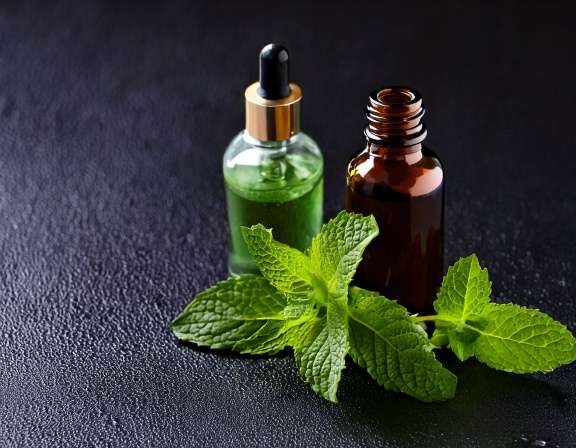
Cool, sharp, and instantly recognizable, peppermint essential oil is one of those little bottles many people reach for again and again. Its scent delivers health benefits that can wake up your mind, calm a tense head, and even settle a nervous stomach.
In this guide, you’ll learn how to use peppermint oil for headaches, nausea, digestive support, and muscle pain. You’ll also see simple ways to work peppermint oil into your daily wellness routine.
Peppermint Oil for Headaches
Many people use peppermint oil for headaches because of how quickly it feels cooling on the skin and soothing to the mind when easing headaches. The star here is the Menthol compound, the main compound that gives peppermint its icy kick.
When diluted peppermint oil is applied topically to your temples or neck, the skin feels cooler and the muscles may relax. At the same time, increased blood flow in the area can ease tightness that often fuels headaches.
You can also use peppermint oil in a diffuser. Breathing in the vapor can help you feel more clear and alert, which is helpful when a dull, nagging headache makes it hard to think.
How the Menthol Compound Relieves Headache Pain
The Menthol compound works a bit like holding a cold cloth on a sore spot. It does not freeze your skin, but it tricks your body into feeling a cool sensation.
Here is a simple way to picture it:
- Your nerves send “it hurts” messages to your brain.
- When the Menthol compound hits the skin, it wakes up your cold receptors.
- These cold signals compete with the pain signals.
- Your brain pays more attention to the cool feeling, so the pain seems less sharp.
This “distraction” effect can make tension headaches feel lighter. It is similar to rubbing your elbow after you bump it. You cannot erase the problem, but you change how your brain experiences the pain.
Topical and Inhalation Methods
For many people, the easiest way to try peppermint oil for headaches is with a quick topical blend and a short inhalation session.
Simple temple blend
- Add 2 drops of peppermint essential oil to 1 teaspoon of carrier oil. Coconut, jojoba, or sweet almond oil all work well.
- Stir or swirl to mix.
- Lightly dab the blend on your temples, the back of your neck, and along the hairline.
- Close your eyes and rest for a few minutes while the cooling feeling spreads.
Avoid the eye area, since peppermint can cause strong burning if it gets too close.
Quick diffuser use
- Fill your diffuser with water as directed.
- Add 2 to 3 drops of peppermint oil.
- Run the diffuser for 5 to 10 minutes while you sit quietly and breathe slowly, enjoying the aromatherapy.
Short sessions are usually enough. You can always add another round later if it feels helpful.
Safety and Precautions
Peppermint oil is strong, so treat it with respect.
- Always dilute peppermint oil before putting it on your skin to reduce the risk of burning or rash.
- Do a small patch test first. Apply your diluted blend to a small spot on your forearm, then wait 24 hours to watch for redness, itching, or skin irritation.
- Avoid using peppermint oil on broken or irritated skin.
- Keep it away from eyes, inside the nose, and other sensitive areas.
- Do not use peppermint oil on children under 6 years old, and use extra care around older kids and pets.
If headaches are frequent or severe, talk with a healthcare provider, even if natural methods bring some relief.
Peppermint Oil for Nausea and Digestive Health
Many people reach for peppermint oil for nausea on travel days, during mild stomach bugs, or bouts of nausea and vomiting from strong smells. Peppermint has a long history in herbal medicine for stomach comfort and symptoms related to irritable bowel syndrome (IBS), and the peppermint oil can offer similar support when used gently.
Menthol and other compounds in peppermint can calm the smooth muscle in the gastrointestinal (GI) tract. This may ease cramping, gas, and bloating. Some people also use peppermint oil for digestive health when they feel symptoms of functional dyspepsia after a large meal.
You can try inhalation, light abdominal massage, and traditional peppermint tea. If sharp stomach pain is long lasting, or paired with fever or blood, always see a doctor or physician rather than self-treating.
Inhalation Techniques to Reduce Nausea
When your stomach feels unsteady, strong smells can make it worse, but the right scent in tiny amounts can help.
Try one of these simple inhalation methods:
- Place 1 drop of peppermint oil on a tissue or handkerchief. Hold it a few inches away from your nose and take 3 to 5 slow breaths.
- Use a personal inhaler if you have one. Add 5 to 10 drops of peppermint oil to the wick, close it, then take light sniffs when waves of nausea hit.
Keep the scent gentle. If it smells too strong, hold the cloth farther away or take a break.
Abdominal Massage with Diluted Oil
A gentle belly massage can support peppermint oil for digestive health, especially when gas or mild cramping related to irritable bowel syndrome (IBS) is the problem.
A 1 percent dilution is a good starting point for adults. That means about 1 drop of essential oil per teaspoon of carrier oil.
Here is a simple method:
- Mix 1 drop peppermint oil into 1 teaspoon of carrier oil.
- Warm the blend between your hands.
- Lie on your back and bend your knees slightly, or sit in a comfortable chair.
- Massage your abdomen in slow circles, moving in the same direction as digestion (clockwise when you look down at your belly).
- Continue for 3 to 5 minutes, then rest.
Use light pressure. If massage makes the pain worse, stop and seek medical advice.
Peppermint Tea and Supplement Ideas
While essential oils are very concentrated, plain peppermint tea is gentle and easy to use.
A quick cup:
- Pour 1 cup of hot water over 1 to 2 teaspoons of dried peppermint leaves or 1 peppermint tea bag.
- Cover and steep for 5 to 10 minutes.
- Strain if needed, then sip slowly.
Some adults use peppermint oil capsules designed for digestive support. If you are curious about capsules, talk with your doctor or pharmacist first. Do not drink plain essential oil in water or swallow it from the bottle. Internal use should only happen with proper guidance because the oil is so strong and can cause irritation from stomach acid.
Peppermint Oil for Pain Relief and Muscle Aches
If you’re dealing with muscle pain like tight shoulders or aching legs after a workout, peppermint oil can be a welcome part of your recovery routine, applied topically. Many people rely on it for pain relief (muscle aches, sore muscles) because it cools, distracts from pain, and may calm local inflammation.
This same cooling, soothing action also interests people with joint problems. If you need more ideas for joint care, you might like the detailed guide on essential oils for arthritis pain relief.
Mechanism Behind Muscle Pain Relief
Muscle pain often comes from tiny tears in the muscle fibers, strain in the surrounding tissue, and local inflammation. Menthol in peppermint oil can:
- Trigger cold receptors in the skin, which makes sore areas feel cooler and lighter.
- Help relax smooth muscle, which may ease tightness in the area.
- Offer mild anti-inflammatory effects, which can support the body’s own healing process.
This mix of cooling, relaxation, and support can make it easier to move and stretch while your muscles recover.
Massage Blend Recipe for Sore Muscles
You can make a simple massage blend at home in just a minute or two.
Try this basic recipe:
- 3 drops peppermint essential oil
- 2 drops lavender essential oil
- 1 tablespoon carrier oil (such as fractionated coconut or jojoba)
Steps:
- Add the essential oils to a small dish or palm of your hand.
- Pour in the carrier oil and mix.
- Massage into sore areas like calves, thighs, or shoulders after exercise or at the end of the day.
- Wash your hands after applying to avoid potential side effects like eye irritation.
Lavender adds a calming aroma, which can help your body slide into rest mode while peppermint delivers the cooling relief.
Combining Peppermint with Other Oils
Peppermint pairs well with several other essential oils that people use for comfort and support.
- Eucalyptus can bring a fresh, open feeling to chest and back rubs, which is nice when aches come with stuffiness.
- Rosemary offers a warm, herbal scent that many people like in pre-workout rubs for focus and circulation.
You can add 1 to 2 drops of eucalyptus or rosemary to the massage blend above, as long as you keep the total essential oil count low and always diluted.
Everyday Wellness with Peppermint Oil
Once you get comfortable with safe use, peppermint essential oil can become a small helper in day-to-day life. Beyond peppermint oil for headaches and muscle aches, it can support energy, focus, and easier breathing during allergy season. Its antimicrobial properties also make it useful for general wellness and even cleaning.
Use only a few drops at a time. With essential oils, less is usually more.
Boosting Energy and Mental Focus
That sharp, minty smell wakes up your senses in seconds. A short peppermint diffuser session in the morning can feel like a cool breeze blowing through a sleepy room.
Try:
- Adding 2 drops of peppermint oil and 2 drops of citrus oil (such as lemon or orange) to your diffuser.
- Running it for 15 to 20 minutes while you get dressed or start work.
Many readers also like to explore other mood helpers. If you are curious, the post on mood-boosting essential oilsshares more ideas for lifting your spirits with scent.
Respiratory Comfort and Allergy Support
Peppermint’s cool vapor can make breathing feel more open when your nose is stuffy or seasonal allergies flare up. Menthol helps you feel like air is flowing more freely, even though it does not clear mucus by itself.
A few ideas:
- Diffuse 2 drops of peppermint oil during high-pollen days.
- Add peppermint oil to a steam bowl. Place 1 drop in a bowl of hot water, lean over, cover your head with a towel, and breathe the steam for a few minutes with your eyes closed.
For more ideas that focus on allergy season, take a look at the guide on essential oils for allergy relief.
Incorporating Peppermint into Daily Routines
You do not need a long routine to enjoy peppermint oil. Small habits can make a difference. Topical use of diluted peppermint oil may even stimulate hair growth when massaged into the scalp regularly.
Some simple options:
- Put a drop of peppermint oil on a cotton pad and tuck it in your gym bag for a quick sniff before or after workouts.
- Add 1 drop of peppermint oil to a tablespoon of carrier oil and smooth it over your chest before bed for a cooling, fresh scent. For hair growth benefits, try massaging topical peppermint oil into your scalp a few times a week.
- Mix a tiny amount of peppermint oil into your unscented lotion for a post-shower foot rub. This can be very refreshing in hot weather, or place drops on wrists to repel bugs outdoors.
- Dilute peppermint oil in shampoo to potentially stimulate hair growth with consistent use.
Some people like the idea of adding peppermint oil to their water bottle. Essential oils are powerful, so if you want minty water, it is usually safer to use fresh peppermint leaves or a food-grade flavor rather than straight essential oil, as the FDA doesn’t monitor essential oils. For more ideas on natural support across the year, the post on seasonal essential oils for immune support is a helpful read.
Frequently Asked Questions
Can I apply peppermint oil directly to my temples?
No. Peppermint essential oil is concentrated and can irritate the skin when used undiluted. Mix it with a carrier oil first, apply a small amount, and keep it away from your eyes.
Can peppermint oil help with nausea?
Many people use its fresh aroma when they feel mildly queasy. Try a brief inhalation from a tissue or personal inhaler, and stop if the scent feels too strong.
Is peppermint tea safe to drink?
Peppermint tea is a common herbal drink. Steep dried peppermint leaves or a tea bag in hot water, then sip slowly. If peppermint does not agree with you, choose another tea.
Can I put peppermint essential oil in my water?
No. Essential oil does not mix evenly with water, and the concentrated drops may irritate your mouth or throat. Use fresh mint leaves or peppermint tea for a minty drink.
How often can I diffuse peppermint oil?
Follow your diffuser’s instructions and begin with a short session using a small amount. Take breaks between sessions, keep the room ventilated, and turn off the diffuser if anyone feels uncomfortable.
Conclusion
Peppermint oil is a small bottle with many uses. You can use peppermint oil for headaches, settle queasy moments like nausea and vomiting, support comfort for the gastrointestinal (GI) tract, and ease sore muscles with simple massage blends.
Pregnant and nursing women should consult a doctor or physician before use, especially if living with chronic pain, frequent headaches, or ongoing stomach issues. Pregnant and nursing women with these conditions should talk with a healthcare professional before making big changes. Start with low amounts, always dilute to avoid skin irritation, and listen to how your body responds to potential side effects.
For more ideas, explore the linked articles on beginners, mood, joint care, allergies, and immune support. With a bit of care and respect, can become a steady, cooling friend in your natural wellness kit.
Stay Connected for More Natural Living Inspiration
For more wellness tips, subscribe to the blog for weekly posts about essential oils, teas, and herbs. Want an ad free experience with DIY essential oil, herbal recipes and tips? Head here for a distraction free experience.
Thanks for stopping by!

You must be logged in to post a comment.