

(DISCLAIMER: I am not a doctor, and you should consult your healthcare professional before starting any health regimen. Product links are commissioned and supports the blog)

Key Takeaways
- Blue tansy is popular in calm, simple skincare routines because it can feel soothing and smells soft and herbal.
- A face mist for delicate skin should stay light, dilute the oil well, and use a solubilizer so the blend mixes evenly.
- Patch testing lowers the chance of surprise redness, itching, burning, or swelling.
- If your skin reacts easily, keep the recipe small, test each new batch, and skip any step that feels uncertain.
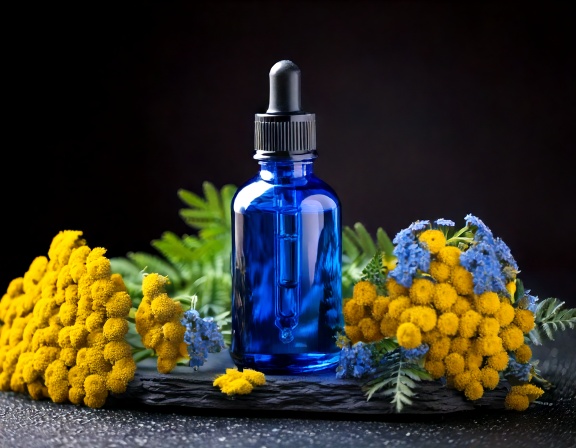
Blue tansy essential oil gets a lot of attention because it feels gentle before it even touches skin. People with sensitive skin often like its soothing scent and its place in a slower, more careful routine. Still, a gentle aroma doesn’t make an oil safe on its own, and dilution matters every time.
This guide keeps things simple. You’ll see why blue tansy is appealing for delicate skin, how to make a very light DIY face mist, and how to patch test it before it goes anywhere near your face.
What makes blue tansy interesting for delicate skin?
Blue tansy has a soft, herbal profile that many people find comforting. It often shows up in skincare when skin looks flushed, feels tight, or seems tired from too many products. That makes it attractive to anyone who wants a calmer routine without a long ingredient list.
Its appeal is practical, not magical. Blue tansy can support a soothing feel, but it won’t fix the cause of a rash, flare-up, or allergy. In other words, it can fit into a gentle routine, but it isn’t a cure.
Soothing benefits people notice most often
People often reach for blue tansy when their skin looks red or feels annoyed by dry air, wind, or over-cleansing. Some also like it when their face feels itchy or reactive after a long day. The oil’s scent can make a bedtime routine feel more peaceful, too.
That calming scent matters more than many people expect. A skincare step can shape the mood of the whole routine, and a soft, clean aroma can make the process feel less rushed. For some, that small shift is part of the benefit.
Why sensitive skin still needs extra caution
Even gentle-sounding essential oils can sting if they’re too strong. Sensitive skin often reacts faster than normal skin, so a blend that feels fine for one person can still irritate another. That’s why a tiny amount is the right place to start.
Dilution is the key. Start small, use a clean base, and keep the first version plain. If you want a broader refresher on topical use, these essential oil skin safety tips cover the basics in a clear, beginner-friendly way.
A soothing blend can turn sharp fast if the oil is too concentrated.
How to make a gentle blue tansy face mist at home
A face mist for sensitive skin should feel light, cool, and almost invisible on the face. If it feels oily or heavy, the formula needs adjusting. Keep the batch small, choose low-irritation ingredients, and remember that water and oil do not blend on their own.
For a mist, the goal is a soft spray, not a perfume cloud. The scent should stay light enough that you notice it only when you pause for a breath.
Choose the right base for a calming mist
Distilled water is the plainest option, and that is often a good thing. It gives you a simple base with no extra fragrance or plant residue. A gentle hydrosol, such as rose or chamomile, can also work if your skin already likes it.
Aloe vera juice or a ready-made aloe mist base can add a fresh feel, but check the ingredient list first. For sensitive skin, fewer extras usually means fewer chances for trouble. If a base already has a strong scent, it may be too much for this kind of blend.
Mix the recipe the safe way
Here is a very gentle 2-ounce face mist formula:
- 1 ounce distilled water or a mild hydrosol
- 1 ounce aloe vera juice or more hydrosol
- 1 drop blue tansy essential oil
- A solubilizer, used according to the label, so the oil disperses evenly
Mix the solubilizer and the oil first, then add the water-based ingredients. Shake well, but check the bottle after it sits for a minute. If you see oil floating on top, add the solubilizer the right way or remake the batch.
The oil should never sit in little slicks inside the bottle. Those pockets can land on skin at full strength, which defeats the whole point of a gentle mist. If you want a little more background on blending, diluting essential oils for beginner blends is a helpful companion guide.
If you don’t have a solubilizer, skip the essential oil and make a plain hydrosol mist instead. That version can still feel refreshing, and it’s easier to keep balanced.
How to use and store the mist
Mist lightly over clean skin, or spray it into your palms and press it on. Two or three sprays are enough. More isn’t better here, especially for skin that gets overwhelmed fast.
Avoid the eyes, lips, and any broken or freshly shaved skin. Store the bottle in a clean, dark spray bottle, and keep it in the fridge if it’s a water-based blend without a preservative. For a simple preservative-free batch, use it within a week and make a fresh one often.
Patch test it first so your skin can answer safely
A patch test gives your skin a small chance to respond before your face does. That matters because reactions can show up as redness, itching, warmth, or a burning feeling, and you want that to happen on your arm, not your cheeks. Test every new batch, even if you’ve used blue tansy before.
Patch testing a new batch is the easiest way to catch a problem early.
The simple patch test step by step
- Mix the mist exactly as you plan to use it. Do not test undiluted blue tansy essential oil.
- Apply a tiny amount to the inside of your forearm or behind your ear.
- Leave the spot alone for about 24 hours, and don’t wash it unless it feels wrong.
- Check for redness, itching, burning, swelling, bumps, rash, or warmth.
- If the area stays calm, try one light use on a small patch of facial skin before normal use.
A careful patch test takes a little patience, but it saves time later. Skin reactions often show up slowly, and a full day gives you a better read than a quick glance.
What skin reactions mean stop right away
If the spot turns red, feels hot, starts to itch, or burns, wash it off with mild soap and cool water. Then stop using the blend. A reaction on the arm usually means the face won’t like it either.
Swelling, a rash, or strong warmth are clear signs to stop. If the reaction looks severe or keeps spreading, seek medical help. Your skin is giving you a clear answer, so listen to it.
Extra safety tips for very reactive skin
Patch test one product at a time. That way, if something feels off, you know what caused it. Avoid broken skin, because even a mild blend can sting there.
Keep the first face use very light. One short mist is enough for a first try. If you have eczema, rosacea, fragrance allergies, frequent hives, or you’re pregnant or nursing, check with a dermatologist or another health professional before trying it. When skin is easily upset, caution is part of the recipe.
Conclusion
Blue tansy essential oil can fit into a gentle skincare routine when you treat it with care. The safest path is simple: dilute it well, keep the mist light, and patch test every new batch before it touches your face.
That first small test matters more than the perfect recipe. When you keep the blend plain and the steps slow, DIY skincare can feel soothing, simple, and safe.
Stay Connected for More Natural Living Inspiration
If you enjoyed this post about herbal wellness and love discovering natural ways to refresh your home and wellness, don’t miss out on future recipes and clean-living tips! Subscribe to the blog for weekly DIYs, wellness inspiration, and herbal remedies delivered straight to your inbox.
Don’t forget to visit my Amazon storefront for the links to my favorite essential oils, herbal teas, and natural recipes. I also create YouTube ambiance videos for sleeping; a channel I created to help people who have trouble sleeping. The link to all social media content is here.
Thanks for coming by!

Leave a Reply