
(DISCLAIMER: I am not a doctor, and you should consult your healthcare professional before starting any health regimen. Product links are commissioned and supports the blog)

Some days call for a softer routine: a warm shower, a slow stretch, a cup of herbal tea, and a scent that helps the room feel less tense. Geranium essential oil has a fresh, floral aroma that many aromatherapy users enjoy when their shoulders feel tight, their feet feel tired, or the day has simply felt like a lot.
Geranium essential oil is often used to support relaxation, gentle massage, skin comfort, and a calmer response to everyday aches. It is a supportive self-care tool, not a medical treatment, and it works best with simple dilution, patient use, and realistic expectations.
Start with the basics, then choose one easy method that fits your day.
Key Takeaways
- Geranium’s rosy, green aroma may support a more relaxed feeling during everyday tension and physical stress.
- Inhalation works through scent, while topical use adds the comfort of gentle, diluted massage.
- Geranium essential oil blends best with a carrier oil before body use.
- A patch test helps you get familiar with how your skin responds to a new blend.
- A single carrier oil, such as jojoba or sweet almond oil, keeps an everyday recipe simple and easy to use.
- Begin with a modest amount and pay attention to what feels comfortable for your body.
Geranium Essential Oil Pain and Physical Relief Benefits: What the Research Suggests
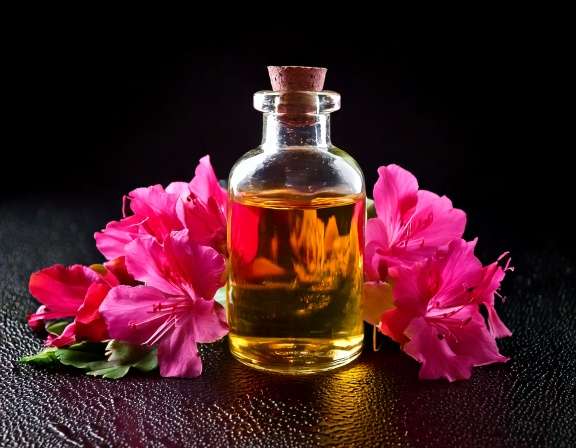
Geranium essential oil is commonly distilled from Pelargonium graveolens. Its scent is floral, lightly rosy, fresh, and sometimes a little green. It can bring a soft, clean feeling to a massage blend without being as sweet as a traditional rose fragrance.
For everyday aromatherapy, that scent matters. Taking a few slow breaths while resting, stretching, or receiving a hand massage can help shift attention away from a stressful moment. The experience often includes several parts at once: fragrance, touch, quiet, warmth, and a pause in a busy day.
A 2023 study published in Pharmaceuticals looked at 59 people with lumbar spinal stenosis. Participants inhaled either 1% Pelargonium graveolens essential oil or a placebo. The geranium group reported lower pain scores after the inhalation session. Participants in the moderate-to-severe pain group also reported lower anxiety and stress scores after using the geranium aroma.
A pediatric double-blind trial also explored aromatherapy after surgery. It included 96 children ages 3 to 6 and compared Rosa damascena, Pelargonium graveolens, and placebo sessions. Both the rose and geranium groups had lower pain scores than the placebo group after the aromatherapy sessions. The two floral oils had similar results.
These findings are promising, though the research is still developing. Geranium essential oil may support perceived comfort and relaxation, especially when it becomes part of a calm, caring routine.
Aroma, slow breathing, and gentle massage can work together to make everyday physical tension feel more manageable.
Persistent, severe, or unexplained pain deserves professional care. Aromatherapy can sit comfortably alongside rest, hydration, movement, and a care plan that fits your needs.
Simple Ways to Use Geranium Essential Oil for Everyday Physical Comfort
There are two easy approaches: inhale the aroma or use a properly diluted blend for massage. Inhalation is a lovely choice when you want a lighter ritual without applying anything to the skin. A personal inhaler, diffuser, or tissue can all work well.
For a diffuser, follow the maker’s instructions and keep the room comfortably ventilated. A few relaxed breaths are plenty. The goal is a pleasant scent in the background, not an overpowering fragrance.
Topical use brings in the comfort of touch. A small amount of diluted oil can be massaged into the shoulders, neck, hands, legs, or feet. Use slow, easy strokes and let your hands warm the blend before applying it. Keep the blend on healthy body skin and give tender areas a gentle touch.
Everyday Comfort Massage Oil
This 1% blend is a gentle starting point for a simple neck, hand, or foot massage.
Ingredients
- 6 drops geranium essential oil
- 30 mL jojoba oil or sweet almond oil
- One clean, dark 30 mL bottle
Add the geranium essential oil to the bottle, then pour in the carrier oil. Close the cap and roll the bottle gently between your hands to combine.
Place a small amount in your palms and massage it into one area at a time. Try it after a bath, before bed, or after a long day at a desk. Slow circles over the hands and feet can feel especially comforting.
Shoulder and Foot Massage Blend
This 2% blend has a fuller aroma for occasional adult massage on larger areas.
Ingredients
- 12 drops geranium essential oil
- 30 mL jojoba, sweet almond, or sesame oil
- One clean, dark 30 mL bottle
Add the essential oil first, then top up with your chosen carrier oil. Turn the closed bottle over a few times to mix it gently.
Use a small amount over the shoulders, upper back, calves, or feet. Massage slowly and breathe normally as you go. There is no need to use a large amount, a little blend can cover more skin than expected.
Geranium and Lavender Inhalation Blend
Geranium and lavender make a soft floral pairing for an end-of-day pause.
Ingredients
- 2 drops geranium essential oil
- 1 drop lavender essential oil
- One personal inhaler or diffuser used according to its instructions
For a personal inhaler, add the oils to the inhaler wick or cotton insert as directed by the maker. Assemble the inhaler, then take a few comfortable breaths whenever you want a calming moment.
For a diffuser, use the same three-drop blend with the water amount listed in the device directions. Let the fragrance fill a well-ventilated room while you read, stretch, sip herbal tea, or settle in for the evening.
These recipes are intended for adults. Children benefit from individualized formulas made with qualified guidance.
How to Dilute Geranium Essential Oil and Use It Comfortably
Dilution keeps body blends gentle, practical, and easy to repeat. For general massage, a 1% dilution is a comfortable place to begin. It is especially useful when you are new to geranium essential oil or prefer a lighter scent.
The simple math is easy to remember:
- About 6 drops in 30 mL of carrier oil makes a 1% blend.
- About 12 drops in 30 mL of carrier oil makes a 2% blend for occasional adult massage.
Jojoba oil has a light, smooth feel and works well for hands, shoulders, and feet. Sweet almond oil is soft and familiar for body massage. Coconut, olive, and sesame oils are other useful choices, depending on the texture you enjoy. One carrier oil is enough. A simple formula is easier to label, use, and remake.
Before wider use, patch test your blend on a small spot of the inner forearm. Leave it there for 24 hours, then check how your skin feels. This gives you a calm, clear starting point with a new oil or carrier.
Keep your blend away from the eyes, lips, mucous membranes, open or irritated skin, freshly shaved areas, and sunburned skin. Store it in a labeled dark bottle, away from heat and curious little hands.
These recipes focus on topical and inhaled use. Geranium essential oil belongs in a carrier blend, a personal inhaler, or a diffuser routine, while herbal tea can remain its own soothing part of your wellness ritual.
Make the Most of a Simple Aromatherapy Routine
Aromatherapy often feels best when it is paired with a small act of care. The oil does not need to carry the whole routine. A warm bath, a glass of water, gentle stretching, a heating pad, or a favorite caffeine-free herbal tea can help create the same sense of ease.
Try choosing one moment of the day for your blend. You might massage your hands after washing dishes, apply oil to your feet before bed, or use the inhaler after sitting at a computer for hours. Repeating a small routine can make it feel familiar and comforting.
Keep a note of what you used and how it felt. Over time, you may find that a 1% blend feels ideal for daily use, while a 2% blend feels right for an occasional shoulder or foot massage.
Choosing and Storing Geranium Essential Oil
Look for a bottle labeled with the botanical name Pelargonium graveolens. The label should also identify the plant part, country of origin when available, extraction method, and the amount of oil in the bottle. A clear label makes it easier to know what you are bringing home.
The oil itself is usually pale green to yellow-green and has a floral, leafy scent. It pairs well with lavender, bergamot, frankincense, clary sage, and citrus oils, though a one-oil blend is often the most peaceful place to start.
Store the bottle tightly closed in a cool, dark cabinet. Light and heat can change the fragrance over time. A fresh, well-stored bottle gives you the truest version of geranium’s lovely rosy-green aroma.
Frequently Asked Questions
Can I use geranium essential oil every day?
A 1% diluted body blend is a gentle option for many adults who enjoy regular massage. Start with small amounts and notice how your skin and senses respond. A simple routine often feels more useful than using many oils at once.
Does geranium essential oil smell like rose?
It has a rosy character, but it is usually greener, earthier, and more herbal than true rose oil. Many people describe it as floral with a fresh leaf-like note. That balanced scent is one reason it works well in calming massage blends.
Can I add geranium essential oil directly to a bath?
A bath blend needs a proper dispersing product made for essential oils before it goes into water. A safer, simpler option is to massage a diluted body oil onto your feet, hands, or shoulders after bathing, when your skin is dry and comfortable.
Which carrier oil feels best for tired feet?
Jojoba and sweet almond oil both glide nicely over dry feet and heels. Sesame oil has a richer feel for evening massage, while fractionated coconut oil feels lighter. Choose the one you enjoy using, because a blend you like is one you are more likely to reach for.
Can I enjoy herbal tea with aromatherapy?
Yes. A warm cup of peppermint, chamomile, ginger, or another favorite herbal tea can pair beautifully with gentle inhalation or a foot massage. Keep the tea and essential oil as separate parts of the ritual, each used in its intended way.
A Gentle Place to Begin
Geranium essential oil can bring a floral, calming touch to a routine built around massage, rest, and everyday comfort. Used with a proper carrier oil or a simple inhalation method, it may help you create a calmer response to tension, tired muscles, and those long days that settle into the shoulders.
Begin with a low dilution, patch test your blend, and choose either a small massage oil or a personal inhaler. Simple care often feels best when you give your body time to respond.
Pair your chosen recipe with water, light stretching, a warm bath, and a comforting herbal tea. Start with one blend, one quiet moment, and one scent you genuinely enjoy.
Stay Connected for More Natural Living Inspiration
If you enjoyed this post about herbal wellness and love discovering natural ways to refresh your home and wellness, don’t miss out on future recipes and clean-living tips! Subscribe to the blog for weekly DIYs, wellness inspiration, and herbal remedies delivered straight to your inbox.
Don’t forget to visit my Amazon storefront for the links to my favorite essential oils, herbal teas, and natural recipes. I also create YouTube ambiance videos for sleeping; a channel I created to help people who have trouble sleeping. The link to all social media content is here.
Thanks for coming by!

Leave a Reply