
(DISCLAIMER: I am not a doctor, and you should consult your healthcare professional before starting any health regimen.)

A headache can arrive in the middle of folding laundry, answering emails, or sitting down with a long-awaited cup of tea. When your head feels tight or heavy, a quieter room, a glass of water, lowered lights, and a familiar scent can make your self-care routine feel more comforting.
Essential oils for headaches can fit beautifully into those calm moments. Peppermint is the most practical starting point for tension-style discomfort, while lavender supports a restful atmosphere and eucalyptus adds a fresh note. Below, you’ll find three easy recipes, herbal tea ideas, safe application tips, and symptoms that call for prompt medical care.
Key Takeaways
- Peppermint is the best-supported essential oil for tension-type headaches, especially in a properly diluted topical preparation.
- Lavender may support a calming aromatherapy routine during some migraine experiences.
- Eucalyptus works well as a refreshing supporting scent, particularly when a stuffy room adds to discomfort.
- Dilute essential oils before applying them to the skin, and keep blends away from the eyes and airways.
- Rest, hydration, low light, quiet, and caffeine-free herbal tea can make an aromatherapy routine feel more restorative.
- Sudden, severe, unusual, or symptom-filled headaches deserve prompt medical evaluation.
Essential Oils for Headaches: Which Ones May Help Most?
Tension-type headaches often feel like a steady band of pressure across the forehead, temples, scalp, or neck. Tight shoulders, screen time, missed meals, and a demanding day can all add to that feeling.
Migraines can bring stronger throbbing pain, light sensitivity, nausea, sound sensitivity, or visual changes. Essential oils may add comfort during either experience, yet the best choice depends on what feels pleasant to you in the moment.
Peppermint Oil for Tension Headaches
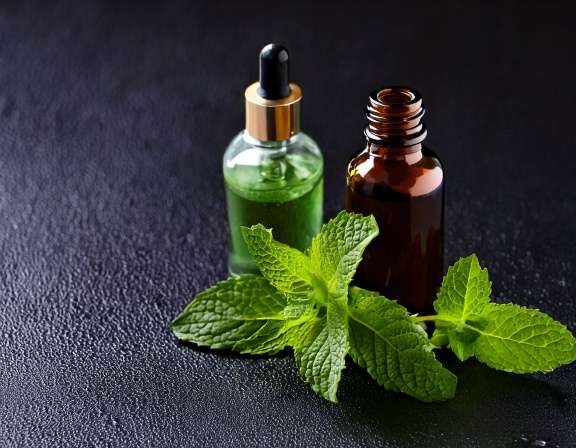
Among essential oils for headaches, peppermint has the clearest headache-specific research. A controlled clinical trial used a 10% peppermint preparation and found that participants experienced less tension-headache intensity within about 15 minutes.
Peppermint contains menthol, which creates a cool sensation on the skin. That cooling feeling, paired with slow massage at the temples or back of the neck, can feel especially welcome when your head and shoulders are tense.
The research involved a prepared 10% product rather than undiluted oil. For home use, choose a properly diluted blend and follow guidance for safe peppermint oil use for headaches. Apply a small amount along the forehead edge, temples, or neck, while leaving plenty of space around the eyes.
Lavender Oil for Migraine Comfort and Relaxation
Lavender has a softer, floral scent that suits rest-focused routines. A small placebo-controlled study of 47 people with migraine used lavender inhalation for 15 minutes and found greater reductions in reported headache severity than the comparison group.
That research is promising, while lavender remains best viewed as a calming companion rather than a cure. Its aroma may help you settle into a darkened room, slow your breathing, and release some of the tension that builds around a difficult migraine day.
A personal inhaler, a tissue blend, or a brief diffuser session can keep the scent gentle. For more ideas, explore essential oils for migraine relief.
Eucalyptus Oil as a Refreshing Aromatherapy Support
Eucalyptus brings a crisp, clean aroma to a blend. It can feel especially pleasant when congestion, stale indoor air, or a stuffy environment adds pressure around the head.
Headache-specific evidence for eucalyptus alone is limited, so peppermint and lavender deserve the spotlight in a headache routine. Still, one drop of eucalyptus in a well-ventilated diffuser can add a bright, open quality to the room.
Keep eucalyptus as a supporting scent rather than a primary treatment. Short diffuser sessions work well, and safe ways to use eucalyptus oil can help you build a comfortable routine.
How to Use Headache Essential Oil Blends Safely at Home
A clean roller bottle, fresh carrier oil, and a simple label make home blending easy. Before using any topical blend, test a small amount on your inner forearm and give your skin time to respond comfortably.
Use fresh jojoba or fractionated coconut oil as your carrier. Then label each bottle with the ingredients and date, especially if you keep several blends in the same drawer.
Cooling Temple and Neck Roller Blend
Ingredients
- 2 drops peppermint essential oil
- 1 drop lavender essential oil
- Fractionated coconut oil or jojoba oil
- One 10 mL roller bottle
Add the essential oils to the roller bottle, then fill the rest with carrier oil. Secure the roller top and turn the bottle gently several times. Apply a small amount to the back of the neck or temples, staying well away from the eyes and any broken skin. Massage with light circular motions, then pause for several minutes and notice how your skin feels.
Calming Lavender Inhalation Blend
Ingredients
- 2 drops lavender essential oil
- 1 drop peppermint essential oil
- One blank personal inhaler wick, or a clean tissue
Place the drops on the inhaler wick or tissue. Hold it several inches from your face and take slow, comfortable breaths for a short period in a well-ventilated room. The fragrance should feel light and pleasant. Fresh air is always a welcome choice when you prefer a scent-free pause.
Herbal Tea and Diffuser Wind-Down Ritual
Ingredients
- 1 drop lavender essential oil
- 1 drop eucalyptus essential oil
- A water-based diffuser
- One caffeine-free peppermint, ginger, or chamomile tea bag
- Hot water and a favorite mug
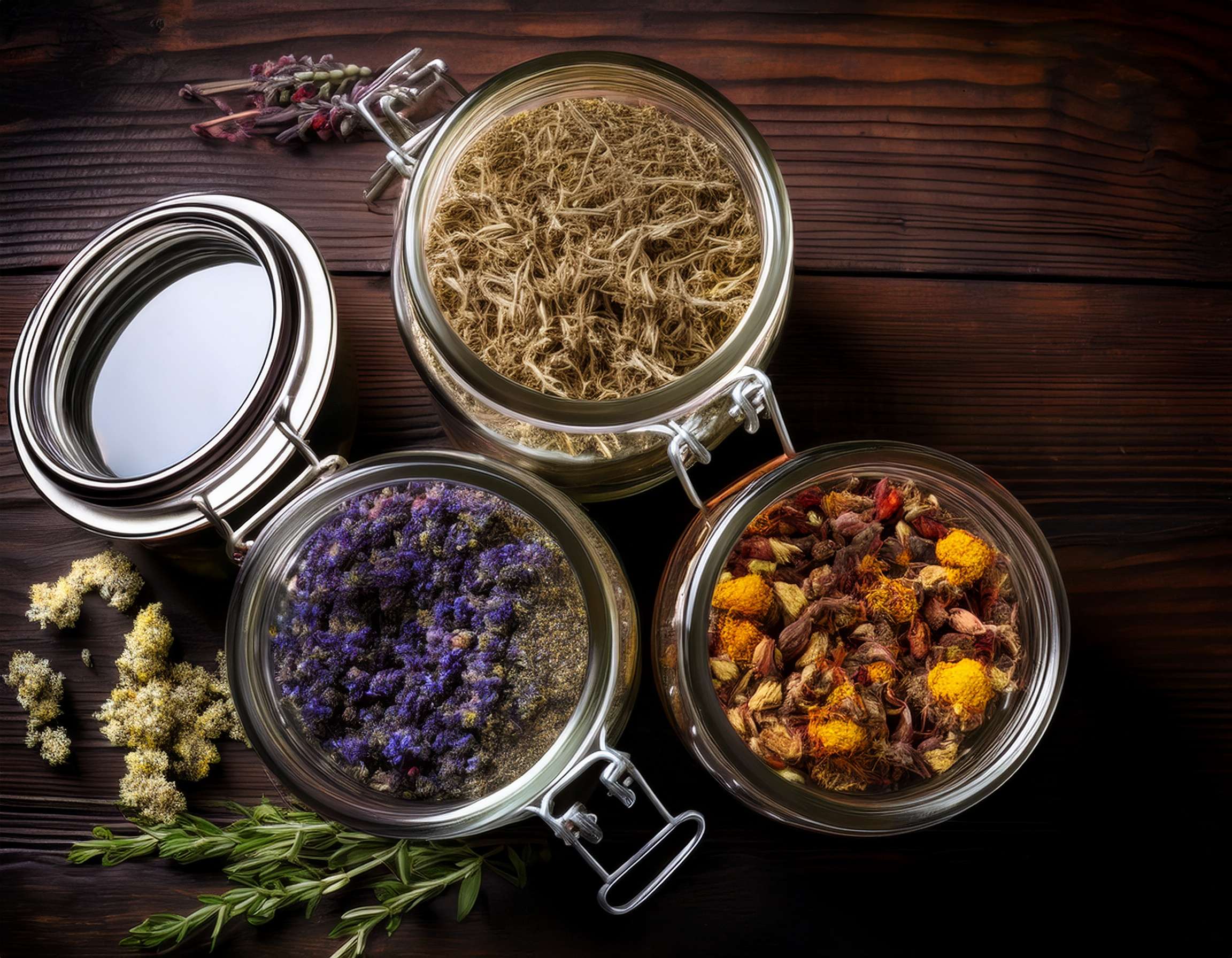
Prepare the tea according to its package directions, then sip it slowly while you rest. Add the oils to your diffuser water following the manufacturer’s directions, and run the diffuser briefly in a room with airflow. The tea brings warmth and hydration, while the diffuser creates a soft, restful atmosphere. Herbal tea belongs alongside your usual headache care and can make a quiet evening feel more nurturing.
Build a Headache-Friendly Rest Routine
A blend works best when it joins a few simple comforts. Dim the room, silence alerts, loosen a tight collar or hair tie, and settle into a position that supports your neck.
Hydration matters, especially after a busy morning, warm weather, or a long stretch without food. Keep water nearby, and pair it with a caffeine-free herbal tea if a warm drink sounds appealing. Peppermint tea has a bright, familiar flavor, ginger tea feels warming, and chamomile brings a gentle floral note.
Match the Scent to the Moment
Peppermint often suits a head-and-neck tension routine because it feels cooling and fresh. Lavender is a natural choice when you want to rest in lower light or prepare for sleep.
Eucalyptus can freshen the air in a stuffy room. Use a light hand with all three oils, since even beloved scents can feel intense when a headache makes you more sensitive to fragrance.
Keep Diffuser Sessions Light
A small room can fill with aroma quickly. Open a window slightly, use a fan, or choose a larger room when diffusing.
Brief sessions with breaks keep the scent pleasant. This approach also gives you time to notice whether your body prefers more aroma, less aroma, or plain fresh air. For practical guidance, see how to use essential oil diffusers safely.
A gentle scent supports comfort best when it leaves room for quiet, hydration, and rest.
Essential Oil Safety, Dilution, and When to Seek Care
Essential oils are concentrated plant extracts. A thoughtful routine uses small amounts, clean tools, gentle inhalation, and properly diluted topical blends.
The National Center for Complementary and Integrative Health (NCCIH), PubMed-indexed research, and American Family Physician materials offer helpful context for using peppermint and lavender with care. These sources support a balanced approach that pairs aromatherapy with attention to your personal health needs.
Dilution, Skin, Eye, and Airway Safety
The peppermint research commonly used a 10% preparation, rather than neat oil straight from the bottle. A diluted product is the right choice for topical use.
Keep oils away from the eyes, inside the nose, mucous membranes, and irritated or broken skin. A patch test offers a simple way to get familiar with a new blend. If your skin develops burning, redness, rash, or discomfort, wash the area with soap and water and choose a gentler option next time.
For inhalation, use short sessions in a ventilated space. Readers with asthma, reactive airways, or fragrance sensitivity benefit from extra care and lighter scents.
Pregnancy, Children, and Personal Health Needs
Pregnancy and postpartum headaches deserve medical guidance, especially when a headache is new, severe, or unlike your usual pattern. Professional advice also helps when choosing essential oils during pregnancy or around babies and young children.
Some peppermint research has involved children older than 6 using specific prepared products. Home recipes are personal wellness blends, so every family benefits from age-appropriate guidance. Consider allergies, eczema, respiratory conditions, medications, and known triggers before reaching for a new oil.
Headache Warning Signs That Need Medical Attention
Prompt medical evaluation is the right next step for a sudden thunderclap headache or the worst headache you’ve experienced. Seek urgent care for headache pain with weakness, numbness, confusion, fainting, seizure, speech trouble, or vision loss.
A fever with a stiff neck or rash, a headache after a head injury, new pain after age 50, and eye pain with vision changes also call for medical attention. Pregnancy or postpartum headaches, worsening headaches, and pain that feels very different from your usual pattern deserve the same care.
Frequently Asked Questions
How often can I use a peppermint roller for head tension?
Use a small amount when tension begins, then give your skin and senses time to respond. Many people find that a light application, rest, water, and gentle neck massage create a comfortable routine. Follow the label directions for any prepared product you buy.
Can I mix peppermint, lavender, and eucalyptus together?
Yes, these oils can make a pleasant blend when you use low amounts. Peppermint brings coolness, lavender softens the aroma, and eucalyptus adds freshness. A blend with all three works best in a diffuser, while peppermint and lavender are often simpler for a topical roller.
Which herbal tea pairs well with a headache comfort routine?
Caffeine-free peppermint, ginger, and chamomile tea are welcoming choices. Sip tea warm or cooled, based on what feels best to you. A mug of tea also gives you a reason to pause, hydrate, and step away from bright screens.
Can I apply essential oils to my forehead?
A diluted blend can be applied sparingly along the forehead edge or temples. Leave a wide buffer around the eyes, since essential oils can travel easily through touch and sweat. Wash your hands after application before touching your face.
Should I use essential oils during every migraine?
Choose the scents that feel comfortable during each episode. Lavender inhalation may fit a quiet, dark-room routine, while some days call for fragrance-free rest instead. Your own scent preferences can change when you feel unwell.
A Calmer Way to Care for Headaches
Peppermint is a practical first choice for tension-style discomfort, especially in a carefully diluted topical blend. Lavender brings a relaxation-focused option for quiet moments, while eucalyptus adds a clean supporting scent to a well-ventilated room.
Pair essential oils for headaches with water, rest, lower light, gentle massage, and a comforting herbal tea. Listen to your body, keep your routine gentle, and seek appropriate care whenever symptoms feel unusual or severe.
Stay Connected for More Natural Living Inspiration
If you enjoyed this post about herbal wellness and love discovering natural ways to refresh your home and wellness, don’t miss out on future recipes and clean-living tips! Subscribe to the blog for weekly DIYs, wellness inspiration, and herbal remedies delivered straight to your inbox.
Don’t forget to visit my Amazon storefront for the links to my favorite essential oils, herbal teas, and natural recipes. I also create YouTube ambiance videos for sleeping; a channel I created to help people who have trouble sleeping. The link to all social media content is here.
Thanks for coming by!

Leave a Reply