
(DISCLAIMER: I am not a doctor, and you should consult your healthcare professional before starting any health regimen. Product links are commissioned and supports the blog)

Key Takeaways
- Eucalyptus, ginger, frankincense, lavender, and peppermint are the oils that come up most often for joint comfort.
- Eucalyptus and peppermint feel cooling. Ginger feels warming. Lavender helps with relaxation. Frankincense is often chosen for sore, inflamed-feeling joints.
- Research is promising, but limited. Most evidence is from small human studies or animal research, not large RA trials.
- Always dilute essential oils before skin use.
- Patch test first, and ask a doctor if you are pregnant, take medication, have asthma, or have sensitive skin.
Rheumatoid arthritis can make a normal morning feel heavy. Joints may ache, stiffness may linger, and even small movements can feel slower than they should. That is often why people look for essential oils as a little extra comfort.
These oils do not treat RA, and they don’t replace medical care. Still, some of them may help with soreness, stiffness, and the tense feeling that follows a flare. Recent research points to a few useful options, especially when they are diluted well and used in a simple daily rub. If you want a gentle routine that feels realistic, you’re in the right place. The best place to start is with the oils that fit pain, skin comfort, and daily use.
The best essential oils for rheumatoid arthritis joint pain
Some oils feel better for a flare, while others are better for a daily comfort routine. That matters, because RA pain is not one-note. Sometimes it feels hot and swollen. Other times it feels stiff, tight, and worn down.
A good blend works with the feeling you have that day, not against it. If you want a broader look at joint-focused blends, this related post on essential oils for joint pain relief is a helpful companion piece.
Eucalyptus for cooling, soothing relief
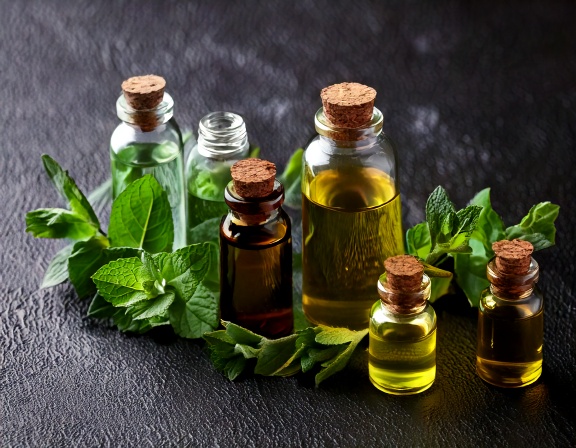
Eucalyptus is one of the first oils many people reach for when joints feel sore and puffy. It has a crisp, cooling scent that can make a rub feel more refreshing on tired hands, wrists, or knees.
That cooling feel does not cure inflammation, but it can make a painful area feel more manageable for a while. Research on eucalyptus is still limited for RA itself, yet it has shown pain-related benefits in other settings, which is part of why it remains so popular.
Ginger for warmth and stiffness
Ginger is the opposite of eucalyptus in feel. It is warm, cozy, and a little spicy. That makes it a strong choice when stiffness is the main issue and your joints feel like they need to loosen up.
It is often used in massage blends for people who want a deeper, more comforting rub. Some studies on joint pain suggest ginger oil massage can help with pain and stiffness over time. The evidence is not large, but the tradition of use is steady, and many people like the warming effect.
Frankincense for inflammation support
Frankincense has a calm, resinous scent that pairs well with sore-joint blends. It is often chosen because of its reputation for supporting a healthy inflammation response and easing general discomfort.
That does not mean it works like medicine. It means people often include it because it feels grounding and suits a blend meant for regular use. Frankincense also blends well with eucalyptus, lavender, and ginger, so it can soften sharper scents and make a daily rub feel more balanced.
Lavender for pain relief and relaxation
Lavender does two jobs at once. It can support comfort, and it can help the body settle down.
That matters with chronic pain, since poor sleep and stress can make everything feel harder. Lavender is one of the most flexible oils in this group, and it mixes easily with both warming and cooling oils. Recent arthritis reviews include lavender in blends that helped ease pain and fatigue, though the benefits are modest and should be seen as support, not treatment.
Peppermint for a cool, numbing feel
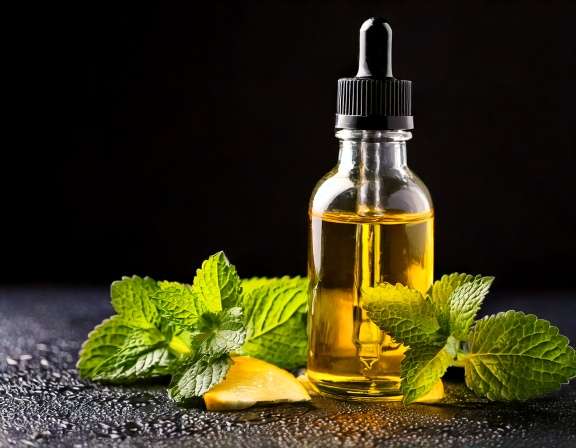
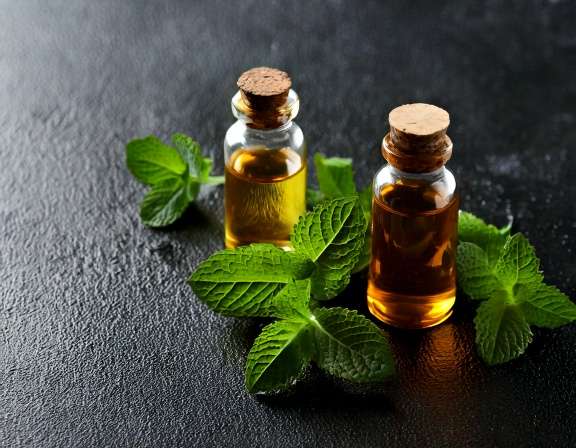
Peppermint gives a sharp, minty cooling effect that many people like for quick relief. It can create a light numbing sensation that takes the edge off a painful area for a little while.
A small amount goes a long way. Because peppermint is strong, it should always be diluted well, especially on sensitive skin or over joints that already feel irritated. Used carefully, it can make a morning rub feel fresher and more alerting.
Essential oils can help with comfort, but they should feel gentle on the skin. If they sting, burn, or redden your skin, stop and adjust the blend.
How to use essential oils safely when you have rheumatoid arthritis
Safety is not the boring part. It is the part that keeps a good idea from turning into a skin problem.
RA can make skin feel more reactive, and some medications can change how your skin responds too. That is why the safest approach is simple: dilute well, patch test, and keep the blend away from broken skin, eyes, and mucous membranes. Never use essential oils straight from the bottle on sore joints.
If your skin is sensitive, keep the blend mild. If you are pregnant, have asthma, or take prescription medication, ask a healthcare professional first. Natural does not mean safe for everyone.
Why dilution matters every time
Essential oils are concentrated. A few drops may smell light in a bottle, but they are strong on bare skin.
For a daily body rub, a gentle rule is 1 to 2 percent dilution. For beginners, that usually means about 4 to 6 drops of essential oil per 1 tablespoon of carrier oil. Carrier oils like jojoba, sweet almond, coconut, or olive oil help spread the blend and lower the chance of irritation.
Patch testing is worth the extra day. Put a tiny amount on the inner arm, wait 24 hours, and watch for redness or itching.
When to skip an oil or ask a doctor first
Some people need to be more careful than others. That includes anyone with very sensitive skin, a history of fragrance allergy, asthma, pregnancy concerns, or questions about medication interactions.
If you use blood thinners, have breathing issues, or flare easily with scented products, check first. A gentle blend should calm the skin, not challenge it.
A simple daily rub recipe readers can make in minutes
A daily rub does not need to be fancy. In fact, the best one is usually the easiest one to repeat.
This version is soft enough for regular use and simple enough for beginners. If you want help with oil pairing, mixing essential oils for beginners is a good place to build confidence.
Simple RA comfort rub
You will need:
- 1 tablespoon carrier oil, such as jojoba, sweet almond, olive, or fractionated coconut oil
- 2 drops lavender essential oil
- 1 drop eucalyptus essential oil
- 1 drop frankincense essential oil
How to make it:
- Add the carrier oil to a small glass bowl or bottle.
- Drop in the essential oils.
- Stir or cap and roll gently to mix.
- Apply a small amount to clean skin over sore joints.
This blend is mild, balanced, and easy to use once or twice a day. If you want a warmer blend, swap eucalyptus for ginger. If you want a more cooling feel, keep peppermint to one drop only and skip it if your skin is reactive.
Store the blend in a dark glass bottle away from heat and direct sun. Make a small batch first, so it stays fresh and you can see how your skin reacts.
Best blend ideas for morning and evening use
A daytime blend should feel light and steady. A nighttime blend can lean softer and more calming.
For the morning, try lavender, eucalyptus, and frankincense in a carrier oil. It feels clean and fresh without being too strong.
For the evening, try lavender and ginger with a little frankincense. That mix feels warmer and more settling, which many people like before bed.
How to massage the rub onto sore joints
Use a small amount, then work it in with slow circles. Hands, wrists, knees, ankles, and the muscles around sore joints are common spots.
Keep the pressure light. The goal is comfort, not deep tissue work. Two or three minutes is enough for most joints. If the skin feels hot, itchy, or irritated, wash it off and stop using that blend.
Conclusion
The best essential oils for rheumatoid arthritis joint pain are the ones that match your body’s needs without irritating your skin. Eucalyptus, ginger, frankincense, lavender, and peppermint each bring a different kind of comfort, whether you want cooling, warmth, relaxation, or a clean, fresh rub.
Used in a well-diluted daily blend, they can be a small support alongside medical care, not a substitute for it. That is the steady middle ground that works best for most people. A few calm minutes of rubbing in a gentle blend may not change RA, but it can make sore joints feel a little easier to live with.
Stay Connected for More Natural Living Inspiration
If you enjoyed this post about herbal wellness and love discovering natural ways to refresh your home and wellness, don’t miss out on future recipes and clean-living tips! Subscribe to the blog for weekly DIYs, wellness inspiration, and herbal remedies delivered straight to your inbox.
Don’t forget to visit my Amazon storefront for the links to my favorite essential oils, herbal teas, and natural recipes. I also create YouTube ambiance videos for sleeping; a channel I created to help people who have trouble sleeping. The link to all social media content is here.
Thanks for coming by!

Leave a Reply