
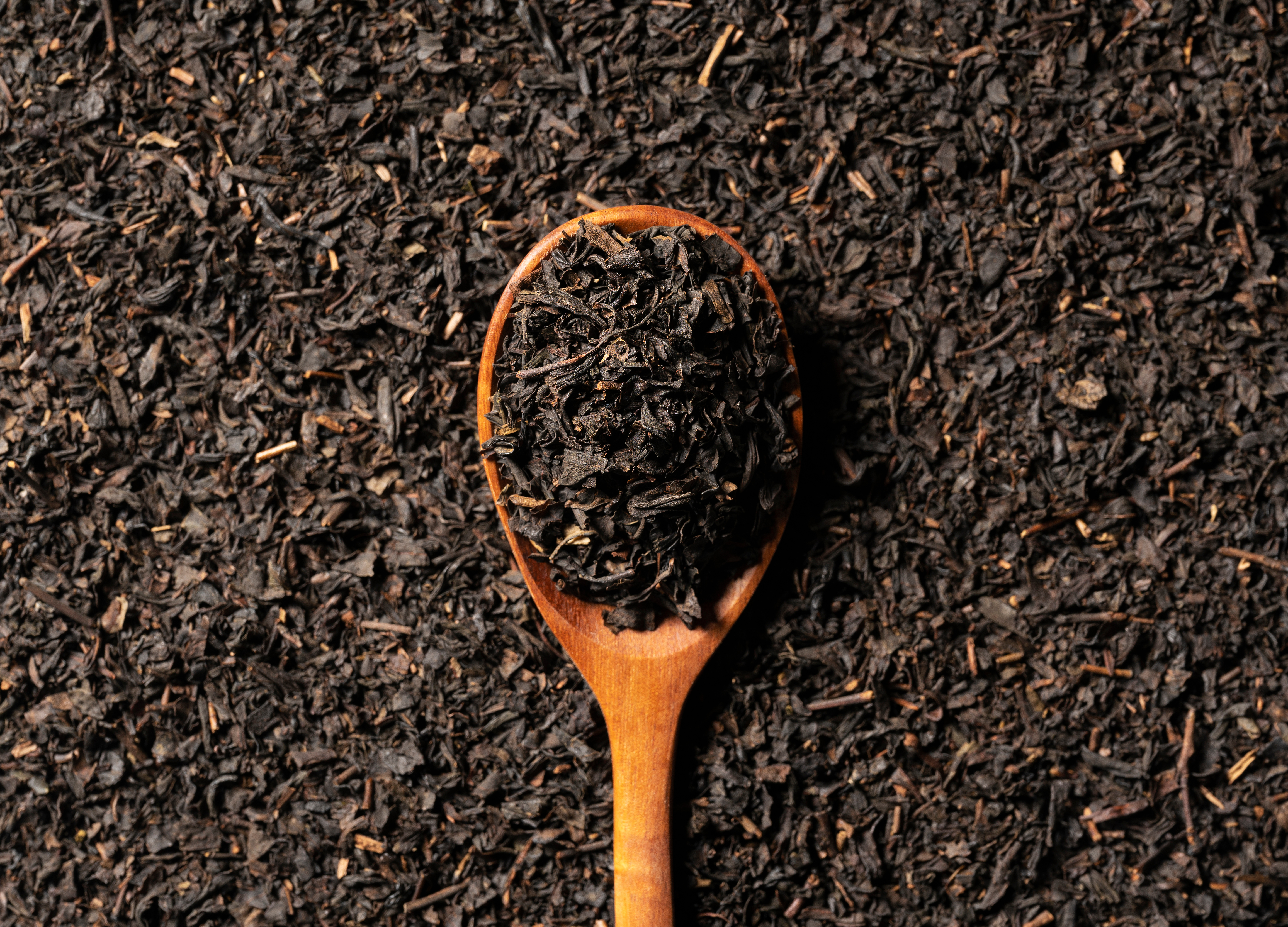

Many people search for ashwaghanda, although the herb’s accepted spelling is usually ashwagandha. Known botanically as Withania somnifera, it has a long history in Ayurvedic wellness traditions for supporting steadiness, rest, and everyday balance.
Ashwagandha can fit beautifully into a calming evening ritual, especially as a warm, earthy tea. Its possible benefits, common forms, simple recipes, realistic expectations, and safety considerations all deserve a clear look before you add it to your routine.
Key Takeaways About Ashwaghanda
- Ashwagandha is a rejuvenating Ayurvedic herb, often described as a rasayana or adaptogen-like tonic.
- Research is most promising for perceived stress support and sleep quality in some adults.
- Many clinical trials use standardized root extracts for about 8 to 12 weeks.
- Study doses often fall around 300 to 600 mg daily of standardized root extract.
- Tea, loose powder, and root chips offer a gentler kitchen-style experience and are not equal to extract doses.
- Personal health needs and medication use should guide every ashwagandha routine.
What Is Ashwaghanda and Why Do People Use It?
The spelling “ashwaghanda” is common in online searches, while ashwagandha is the standard name on most herb labels. Withania somnifera is a small shrub in the nightshade family. Wellness products usually use its root, although some extracts include leaf material.
In Ayurveda, ashwagandha is a rasayana, a term linked with restoration and long-term wellness. People have traditionally reached for the root during demanding seasons, when rest feels thin and daily energy needs more support.
Modern interest centers on stress, sleep, strength, exercise recovery, and general well-being. Still, traditional herbal use and modern clinical research are related ideas, not identical promises. A cup of tea can be a comforting part of your day without needing to carry the weight of a cure.
What Research Suggests About Stress and Sleep
The National Center for Complementary and Integrative Health, or NCCIH, states that ashwagandha may support stress and sleep in some adults. The NIH Office of Dietary Supplements also describes encouraging, yet limited, evidence for stress, anxiety, and sleep.
Most studies are short. They commonly use standardized ashwagandha root extracts at 300 to 600 mg daily for 8 to 12 weeks, sometimes split into two 300 mg servings. Results differ between people and products.
Those findings don’t translate neatly to a homemade tea or a spoonful of powder. Kitchen preparations bring a traditional, sensory ritual, while standardized extracts provide a measured amount listed on the label.
Ashwagandha Root, Powder, Extract, and Tea Compared
Ashwagandha comes in several forms, and each one has its own rhythm.
| Form | What to Look For | Everyday Use |
|---|---|---|
| Whole or dried root | Clean, recognizable root pieces | Long-simmered herbal tea |
| Root powder | Plain Withania somnifera root | Tea, golden milk, smoothies |
| Capsules and gummies | Serving size and ingredient list | Convenient measured portions |
| Standardized extract | Plant part and standardization details | Form commonly used in research |
Extract strength, plant part, and quality testing can shape the product experience. A well-labeled powder may suit a cozy drink routine, while an extract may suit readers who prefer a consistent label-guided serving.
How to Use Ashwagandha in a Simple Wellness Routine
Start with one form at a time, then follow the product label or recipe. A warm tea pairs well with dinner, soft lighting, hydration, and a screen-free wind-down. Its earthy flavor often benefits from cinnamon, ginger, milk, or a small touch of honey.
For a fuller evening ritual, pair your cup with calming herbal teas for stress or a gently scented room. Essential oils work well in a properly used diffuser when you follow their label directions and keep the space comfortably ventilated.
Cozy Ashwagandha Cinnamon Tea
Ingredients
- 1 teaspoon ashwagandha root powder
- 1 cup water
- 1 small cinnamon stick or 1/4 teaspoon ground cinnamon
- Honey, if desired
Add the powder, water, and cinnamon to a small saucepan. Simmer for 10 to 15 minutes, then strain well through a fine mesh strainer. Let the tea cool slightly before stirring in honey. Ashwagandha tastes earthy and mildly bitter, while cinnamon brings welcome warmth. This is a culinary tea, not a standardized extract dose.
Creamy Ashwagandha Golden Milk
Ingredients
- 1/2 to 1 teaspoon ashwagandha root powder
- 1 cup milk or unsweetened plant milk
- 1/4 teaspoon ground cinnamon
- 1/4 teaspoon vanilla extract
- 1 teaspoon honey or maple syrup
Warm the milk in a small pan over low heat, then whisk in the ashwagandha, cinnamon, vanilla, and sweetener. Keep whisking until the drink looks smooth and steamy, then pour it into your favorite mug. A small frother also helps reduce grit. If you enjoy essential oils, choose products labeled for internal use only and follow the product directions carefully.
Ashwagandha Root Chip Herbal Tea
Ingredients
- 2 to 3 grams dried ashwagandha root chips
- 1 cup water
- A few slices of fresh ginger, optional
- 1 small cinnamon stick, optional
Place the root chips and water in a saucepan. Simmer gently for about 15 minutes, then strain and serve warm. Ginger or cinnamon softens the root’s earthy edge and fills the kitchen with a pleasant scent. Root-chip strength varies, so enjoy this traditional-style tea as a mindful, occasional beverage rather than matching it to extract-study amounts.
Ashwagandha Safety, Side Effects, and Important Interactions
Short-term ashwagandha use appears generally well tolerated for up to about three months, according to NIH guidance. Long-term safety remains less clear, so a simple, observant approach is wise.
Some people experience drowsiness, nausea, digestive discomfort, loose stools, or vomiting. Starting with a modest amount and using one new herb at a time makes it easier to notice how your body feels.
Rare liver injury reports have been associated with ashwagandha products. Stop using the product and seek prompt medical guidance for yellowing skin or eyes, dark urine, unusual itching, or severe abdominal discomfort.
Herbal tea can be a gentle ritual, but plant compounds still matter. The same thoughtful care applies to tea, powder, capsules, and extracts.
Who Should Check With a Health Professional First
NCCIH advises against ashwagandha during pregnancy and breastfeeding. People with thyroid disorders, autoimmune conditions, liver concerns, or an upcoming surgery should also speak with a qualified health professional before use.
Tea and powder deserve the same consideration as capsules. They contain the plant’s active compounds, even though their strength is less concentrated and less predictable than a standardized extract.
Medicines and Supplements That May Interact
Ashwagandha may interact with diabetes medicines, blood pressure medicines, immunosuppressants, sedatives, antiseizure medicines, and thyroid hormone medications. Combining it with alcohol or other calming supplements may also add to drowsiness.
Share your complete list of herbs, supplements, essential oils, and medications with a pharmacist or clinician before adding ashwagandha. This simple conversation supports a routine that fits your needs without changing prescribed medicine on your own.
How to Choose a Reliable Ashwagandha Product
A trustworthy product makes its contents easy to understand. Look for Withania somnifera on the label, along with the plant part used, serving size, extract strength, and suggested duration.
Lot or batch information and independent quality testing add useful confidence. Skip products built around instant-result promises or vague proprietary blends that hide the amount of herb per serving. Clear labeling gives you a better starting point for a steady, uncomplicated routine.
Frequently Asked Questions
What does ashwagandha tea taste like?
Ashwagandha tea has an earthy, slightly bitter taste with a root-like finish. Cinnamon, ginger, vanilla, milk, or a little honey can make the flavor rounder and more comforting.
Can I drink ashwagandha tea in the evening?
Many people enjoy it as part of an evening wind-down because the warm drink itself supports a slower pace. Try your first cup when you have a relaxed schedule, then notice how it fits your personal routine.
Should I use root powder or root chips for tea?
Root powder is quick and works well in creamy drinks, though it may leave sediment. Root chips create a clearer tea after straining and invite a longer simmering ritual.
Does ashwagandha pair well with aromatherapy?
Yes, a warm mug and gentle diffusion can create a peaceful home ritual. For ideas that keep safety in view, try these DIY essential oil blends for sleep.
How long should I try ashwagandha before evaluating it?
Research often follows standardized extracts for 8 to 12 weeks. Tea drinkers can keep a simple note of timing, amount, and how they feel, then decide whether the ritual suits them.
A Grounded Way to Enjoy Ashwagandha
Ashwagandha is an old Ayurvedic herb with a place in many modern wellness routines. Its strongest current research relates to short-term stress and sleep support, while homemade teas offer a gentler daily ritual.
Choose one form of ashwaghanda, follow the label or recipe, and pay attention to your body’s response. Standardized extracts and kitchen teas are different preparations, and personal safety should guide every cup or capsule.
Stay Connected for More Natural Living Inspiration
If you enjoyed this post about herbal wellness and love discovering natural ways to refresh your home and wellness, don’t miss out on future recipes and clean-living tips! Subscribe to the blog for weekly DIYs, wellness inspiration, and herbal remedies delivered straight to your inbox.
Don’t forget to visit my Amazon storefront for the links to my favorite essential oils, herbal teas, and natural recipes. I also create YouTube ambiance videos for sleeping; a channel I created to help people who have trouble sleeping. The link to all social media content is here.
Thanks for coming by!


Leave a Reply