
(DISCLAIMER: I am not a doctor, and you should consult your healthcare professional before starting any health regimen.)

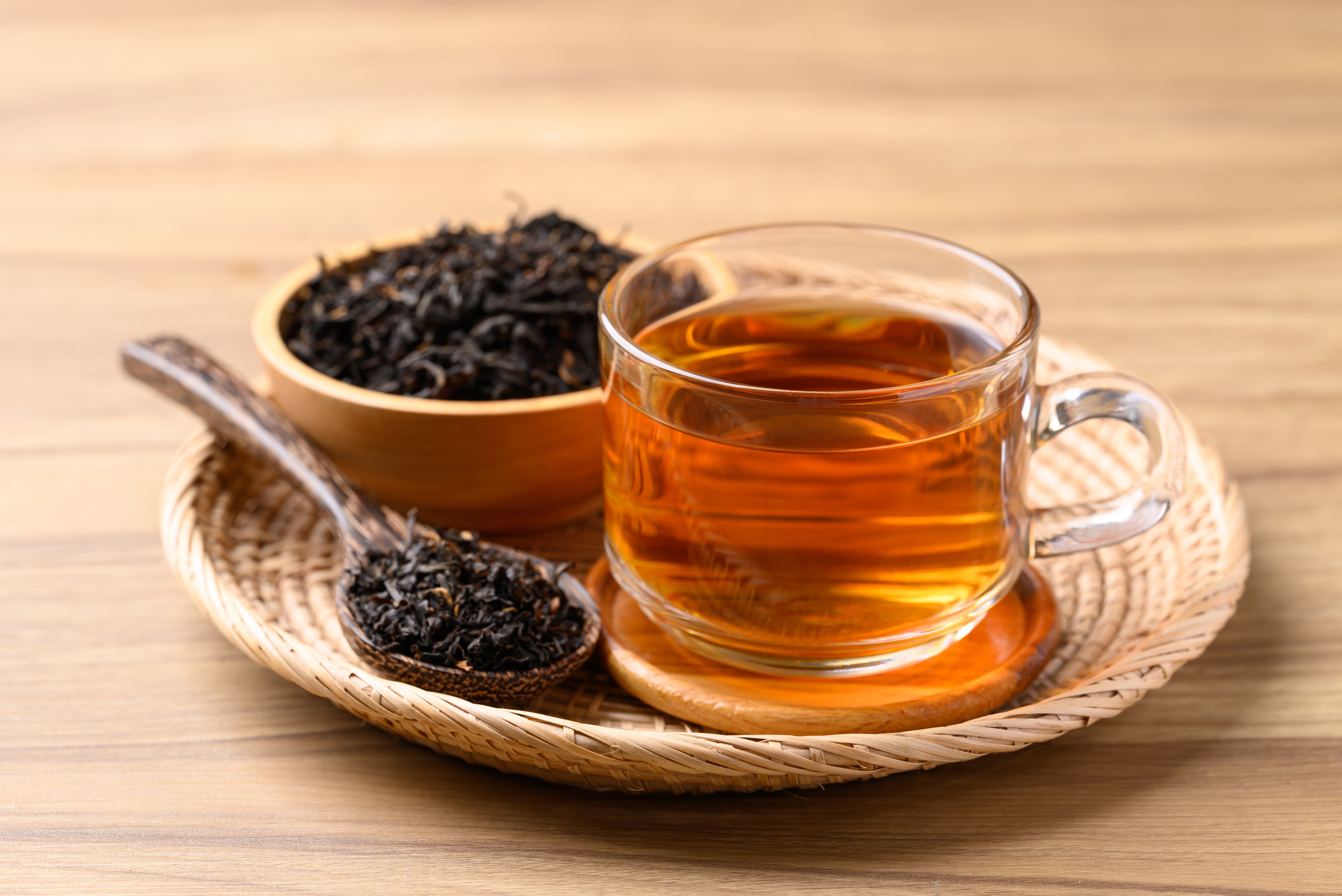
Quality sleep often feels out of reach, especially when stress or an overactive mind keeps you awake. For centuries, people have turned to herbal tea for insomnia and relaxation because these bedtime teas offer a gentle, natural way to wind down. From calming chamomile tea benefits to other top herbal blends, these are some of the best teas for sleep if you’re looking to rest easier without medication.
This post will highlight 10 herbal teas that help you sleep better naturally, focusing on their calming effects and history as trusted remedies. You’ll learn how each tea supports restful sleep so you can choose what works for you and start enjoying better nights. If you’re curious about calming teas that tackle both sleeplessness and stress, check out these soothing herbal teas for anxiety for extra tips on relaxing before bed.
How Herbal Teas Promote Better Sleep Naturally
Drinking herbal tea before bed is more than just a pleasant nightly ritual. Many sleep experts and herbalists agree that drinking the best teas for sleep offers both comfort and real benefits for the body and mind. There are centuries of tradition behind the use of herbal tea for insomnia, and modern research now supports what generations have known all along, herbal teas can help create the perfect bedtime environment for deep, restful sleep.
The Science of Relaxation in a Cup
Herbal teas work with your nervous system, helping to guide it away from stress and into a state of calm. Plants like chamomile, valerian root, and lavender aren’t just folklore; science shows they contain unique compounds that encourage relaxation:
- Apigenin: This antioxidant, found in chamomile, binds to receptors in your brain that reduce anxiety and initiate sleep. It’s one reason chamomile tea benefits those who struggle to turn off their racing thoughts at night.
- Linalool: Present in herbs like lavender, this compound triggers calming signals in the brain. It’s famous for gently reducing muscle tension and stress, which makes it easier to drift off.
- Valerianic Acid: Valerian root contains this compound, which helps boost levels of GABA, your body’s main calming neurotransmitter. GABA slows the nervous system, guiding you into sleep naturally.
Each sip of a well-chosen bedtime tea gently taps the brakes on an overactive mind, preparing you for a smoother transition into sleep.
Rituals and the Mind-Body Connection
A warm mug of herbal tea before bed isn’t just about plant chemistry. The ritual itself prepares your senses for rest. Turning down the lights, steeping your favorite blend, and mindfully sipping lets your body know the day is winding down. This triggers your body’s relaxation response and helps train your brain to associate these steps with feeling sleepy.
Simple rituals like this can be one of the most effective relaxation techniques and tips for breaking the cycle of insomnia. When combined with calming herbal blends, these moments become a powerful signal to your nervous system: it’s time to rest.
Why Herbal Tea is a Safe Choice for Natural Sleep
Many herbal bedtime teas are caffeine-free and non-habit forming. You won’t find harsh sedatives, just gentle ingredients that work in sync with your body’s sleep rhythms. For those sensitive to medication or looking to avoid side effects, these teas offer a soothing, gentle path to sweet dreams.
Some of the best teas for sleep do more than relax your body; they encourage healthy sleep habits and set the stage for long-lasting nightly rest. If you’re searching for a natural alternative to sleeping pills, these herbal blends are a comforting place to start.
The Top 10 Herbal Teas for Sleep and Insomnia Relief
Looking for the best teas for sleep that actually work? A steaming cup of herbal tea before bed can offer real relief from insomnia and help you unwind after a stressful day. Some herbal teas calm the nervous system, others settle the stomach or quiet a restless mind. If you want a bedtime tea that works with your body’s natural rhythms, these ten classic and unique herbal options can support better rest, each with science or tradition behind their calming effects.
Chamomile Tea: The Gold Standard for Bedtime
Chamomile tea stands out as a gentle, natural way to support sleep. This classic herbal tea for insomnia contains a plant compound called apigenin, which bonds with specific receptors in your brain to reduce nervous tension and encourage sleepiness. Multiple studies show chamomile’s effectiveness in helping people fall asleep faster and wake less often. Its mild floral taste and absence of caffeine make it a popular bedtime tea.
- Gentle on the stomach and the mind
- Helps calm busy thoughts and prepare the body for rest
- Might also ease mild digestive upset at night
Discover more about chamomile’s full benefits in the Chamomile bliss tea benefits guide.
Lavender Tea: Floral Relief for Sleepless Nights
Lavender isn’t just a relaxing scent for your pillow, it’s also a soothing tea that melts away tension. Sipping lavender tea helps lower anxiety, making it easier for your mind and body to relax at the end of the day. The tea’s lovely purple aroma and floral flavor can be a treat all on its own or combined with other calming herbs.
- Soothes nerves and lightens mental stress
- Can gently quiet the body and support deep, peaceful sleep
- Bonus: A beautiful floral aroma
See how to elevate your nightly routine with a Chamomile lavender tea for stress blend.
Valerian Root Tea: Traditional Herbal Sedative
Valerian root has a long history as a natural herbal tea for insomnia, dating back to ancient Greece and Rome. The root’s active compounds increase gamma-aminobutyric acid (GABA) in the brain. This neurotransmitter naturally slows down worried thoughts and tension, making it easier to sleep. While the taste is a bit earthy, valerian mixes well in bedtime blends.
- Supports falling asleep and staying asleep longer
- Best for those wanting a stronger herbal sleep tea
- Works well combined with other herbs like lemon balm or passionflower
Passionflower Tea: Mild Assistance for Restless Minds
Passionflower tea offers gentle, calming effects that work especially well when your mind won’t stop racing at bedtime. It enhances GABA activity in the brain, taking the edge off anxious thoughts so you can drift off naturally. Some people find it helpful for mild insomnia or stress-related sleeplessness.
- Relaxes both mind and body
- Safe for short-term use, but anyone pregnant or on medications should consult a healthcare provider
- Has a clean, slightly sweet herbal flavor
Lemon Balm Tea: Gentle Mood Booster and Sleep Support
Lemon balm tea is a favorite for anyone needing a gentle mood lift before bed. This mint-family herb can calm restlessness and ease bedtime jitters thanks to compounds that relax the nervous system. The mild lemony flavor brings comfort and may also help with digestion.
- Great option if stress is keeping you up
- Light taste makes it easy to blend with other herbs
- Traditionally used for centuries as a calming bedtime tea
Peppermint Tea: Easing Digestion for Better Rest
For some, trouble sleeping is tied to digestive discomfort. Peppermint tea gives your stomach the break it needs to relax by easing bloating, nausea, and indigestion. The menthol in peppermint soothes the digestive tract, setting the stage for deeper, uninterrupted rest.
- Caffeine-free and refreshing with a cool aftertaste
- Helps settle a nervous or upset stomach
- Can be enjoyed solo or mixed with lemon balm or chamomile
Magnolia Bark Tea: Ancient Herbal Sleep Tonic
Magnolia bark has been prized in traditional Chinese medicine as a natural sleep aid for centuries. The bark includes honokiol and magnolol, compounds believed to help reduce nighttime awakenings and quiet the mind. It has a warming, almost spicy flavor.
- May support more restful and continuous sleep
- Combines well with jujube seed or lotus flower in traditional blends
- Best used occasionally or as directed by an herbalist
Ashwagandha Tea: Stress Reduction and Improved Sleep
Ashwagandha is known as an adaptogen, helping the body adjust to stress and balance cortisol (the stress hormone). As a tea, it blends well with other calming herbs. By tackling stress at the source, ashwagandha may help the body relax into sleep and result in better sleep duration.
- Supports healthy sleep by calming mind and body
- Pairs well with calming teas for a complete nighttime ritual
- Learn about the role of soothing herbal teas for anxiety for total stress relief
Holy Basil (Tulsi) Tea: Balancing the Body for Nighttime Calm
Tulsi, or holy basil, is a staple in Ayurvedic medicine. This unique herbal tea helps balance mood, reduce stress responses, and settle internal chatter. With a slightly spicy, earthy taste, tulsi supports emotional well-being and helps the mind quiet for sleep.
- Adaptogenic qualities help the body unwind and reset at night
- May help you fall asleep quicker by soothing nervous energy
- Great solo or with lemon balm in a calming blend
Rooibos Tea: Caffeine-Free Antioxidant Power
Rooibos tea is a South African favorite that’s naturally caffeine-free and packed with antioxidants. While it contains no direct sedatives, its calming polyphenols may help reduce nighttime stress and support the immune system. Rooibos is smooth, earthy, and won’t over-stimulate your body or mind before bed.
- Ideal for sensitive sleepers needing caffeine-free options
- May reduce oxidative stress and encourage calm
- Safe and gentle for nightly use
Skullcap Tea: A Gentle Nerve Relaxant for Deep Sleep
American skullcap is one of the best teas for sleep if you’re craving deep relaxation. This classic nervine (nerve-calming herb) eases minor anxiety, relaxes the body, and can help you achieve restorative rest. User experiences and some research suggest increased sleep quality with regular, short-term use.
- Subtly tranquil flavor and effects
- Supports the nervous system without grogginess in the morning
- Traditionally brewed as part of herbal bedtime blends
Choosing your favorite herbal tea for insomnia or stress is a natural way to build a relaxing bedtime ritual. Whether you prefer the comforting flavor of chamomile or want to explore unique options like magnolia bark and skullcap, these teas offer a gentle solution to nights spent tossing and turning.
Tips for Brewing and Enjoying Herbal Teas Before Bed
A great cup of herbal tea for insomnia does more than soothe, done right, it can set the stage for your best night’s sleep yet. Adjusting how you brew and enjoy your bedtime tea helps you maximize the calming effects, turning a simple drink into a powerful ritual for relaxation. Here’s how to get the most from the best teas for sleep, from steeping to sipping.
Steeping Time and Water Temperature Matter
Getting the details right when brewing bedtime tea is an easy way to boost its benefits. Most herbal teas, including chamomile and lavender, do best with water that’s just below boiling (about 200°F).
- Too-hot water can make some herbs taste bitter. Wait a minute after boiling before pouring.
- Steep chamomile, lemon balm, or peppermint for 5-7 minutes to draw out their calming compounds.
- Stronger herbs like valerian or skullcap benefit from up to 10 minutes of steeping for a richer, more effective cup.
Keeping a timer handy helps you fine-tune your nightly routine.
Choose Additives That Won’t Disrupt Sleep
Add-ins can make bedtime tea delicious, but you don’t need much for great results.
- Raw honey adds a touch of sweetness and can soothe a scratchy throat. Use just a teaspoon, not too much sugar.
- Lemon brings a gentle, fresh flavor but avoid excess citrus late at night if you have reflux.
- Milk or milk alternatives (like oat or almond milk) add creaminess, especially nice with ashwagandha or rooibos.
Skip caffeinated additives, spicy flavors, or too much sweetener, which could undo the relaxing effects of your herbal tea for insomnia.
Make Mindful Brewing Part of Your Bedtime Ritual
How you approach your nightly tea matters. Treat brewing as a calming step in your wind-down routine—not just another task.
Try this simple routine:
- Turn off distractions (mute the TV or put your phone away).
- Breathe deeply as you measure and steep your tea.
- Notice the aroma and warmth as you pour your mug.
- Sip slowly and focus on each feeling, letting tension melt away.
This mindful approach helps your body and mind connect, telling your nervous system it’s bedtime. This method pairs perfectly with herbal blends like chamomile, lavender, or skullcap and lavender tea for total calm.
Try a Pre-Bedtime Wind Down
The best teas for sleep work even better paired with a short relaxation ritual. Bundle up in cozy pajamas, keep lights low, and savor your cup as the final part of your evening. Moments like these help cue your brain for rest. If you need more calm, try a blend with ingredients like peppermint and ginger. You can explore more about the calming effects of peppermint ginger tea if digestive comfort is as important to your sleep as mental clarity.
Making bedtime tea your nightly habit doesn’t take long but it does make a real difference. Start with these relaxing preparations and you’ll soon notice how much more restful and enjoyable your evenings become.
Precautions, Possible Interactions, and When to See a Professional
While the best teas for sleep and herbal tea for insomnia are often viewed as gentle alternatives to medication, it’s important to take a thoughtful approach when trying new herbs, especially if you have ongoing health concerns or take prescription medications. Even a naturally calming bedtime tea can have side effects or interact with specific conditions. Prioritizing safety helps you enjoy chamomile tea benefits and other herbs with peace of mind.
Precautions with Herbal Teas for Sleep
Most popular herbal teas, like chamomile and peppermint, are considered safe for healthy adults. However, not all herbs suit everyone. Always review labels and research any unfamiliar ingredients before adding a new sleep tea to your routine. Here are a few key precautions for responsible use:
- Pregnancy and Breastfeeding: Some herbs (like valerian or skullcap) aren’t recommended for those pregnant or breastfeeding.
- Allergies: Individuals with allergies to plants in the daisy family should be cautious with chamomile and related herbs.
- Underlying Health Conditions: People with liver disease, kidney issues, or who are immunocompromised should talk with their healthcare provider first.
- Quality and Purity: Choose reputable brands and steer clear of teas with fillers or unfamiliar additives.
Pay attention to your body the first time you try a new tea. Mild digestive changes, drowsiness, or an allergic response means it may not be the right option for you.
Possible Interactions and Side Effects
Many herbal sleep teas are free from caffeine and major drug-like effects, but side effects and interactions can still occur. Some herbs may alter the way medications are absorbed or processed by the body. It’s smart to do your homework, especially if you:
- Take sedative medications, antidepressants, blood thinners, or blood pressure medicine
- Use herbs known for strong effects, such as valerian or passionflower
- Have a history of food or drug sensitivities
Possible side effects are usually mild, but can sometimes include:
- Stomach upset
- Headache
- Drowsiness that lasts into the next day
- Allergic reactions (itching, rash, trouble breathing)
If you’re interested in the gentle side of herbal relief, check out the details on mullein tea benefits and its low risk profile.
Keep in mind: combining different herbal supplements, or mixing teas with prescription drugs, increases risk of unwanted effects.
When to See a Professional
Trying a bedtime tea for mild sleeplessness is usually safe, but don’t ignore signs that point to something more serious. Seek the guidance of a healthcare provider if you:
- Have trouble sleeping most nights for several weeks
- Experience severe sleep problems, panic, or nighttime breathing issues
- Are pregnant, breastfeeding, or managing complex medical conditions
- Take prescription medications daily
A sleep specialist, herbalist, or your doctor can suggest safe options or check for medical conditions that may be hiding beneath your sleep struggles.
For readers exploring more natural sleep aids beyond tea, you might find helpful guidance in the best essential oils for sleep guide, which also covers tips on when to consult a professional.
Safe use always starts with good information and listening to your body. Herbal teas can play a comforting part in your nightly ritual, but should be enjoyed with care and respect for your unique health needs.
Creating Your Nightly Sleep Routine With Herbal Teas
Bringing herbal tea into your sleep routine is a comforting way to help your body transition from busy days to peaceful nights. The best teas for sleep, like chamomile and valerian root, offer a natural pause that gently quiets your mind. Choosing a bedtime tea isn’t just about what’s in your cup, it’s about building habits that signal to your body it’s time to relax. Here’s how to weave herbal teas into a nighttime ritual for better sleep and less stress.
Setting the Tone: Your Evening Wind-Down
A good sleep routine starts before you even sip your herbal tea for insomnia. Consider dimming the lights about an hour before bed and turning off screens. Small changes send a clear message to your body that night is here. As you start your wind-down, slip into comfortable clothes and prepare your favorite calming tea blend.
You might fill the kitchen with the gentle aroma of chamomile or lavender. Sounds relaxing already, right? Now’s the time to focus on being present. Listen to the water heat, watch the steam rise, and enjoy the small pause this routine brings. These subtle cues prime both mind and body for restful sleep.
Mindful Sipping: Making Tea a Ritual
Instead of rushing through your evening tea, let yourself enjoy each step. Once you’ve brewed your selected bedtime tea, hold your mug in both hands. Feel the warmth and breathe in the delicate herbal scent. Take small, mindful sips, let the flavors linger.
This mindful approach slows your evening pace and connects your senses to the calming effects of the best teas for sleep. The very act of sipping quietly supports your relaxation response and makes it easier to drift off naturally.
Pairing Herbal Teas With Relaxation Methods
To get the most from your nightly routine, pair herbal tea with soothing techniques that promote rest. Here are a few practical ideas:
- Practice gentle stretches or light yoga poses while your tea steeps.
- Try a few minutes of deep breathing as you wait, inhale for a count of four, exhale for six.
- Listen to soft, calming music, or sounds of rain to foster a peaceful environment.
- Close your eyes and picture a safe, relaxing place for just a minute or two.
If you’re curious about using essential oils alongside herbal tea, explore the benefits of best essential oils for deep sleep for even deeper nighttime relaxation.
Building Consistency for Better Sleep
Creating a nightly ritual with herbal teas is all about consistency. Make your evening tea a non-negotiable part of your wind-down. When paired with relaxation strategies, it can train your body to associate these actions with rest.
Key habits to include:
- Sip your bedtime tea at the same time each night.
- Combine your tea with other calming cues, like aromatherapy or meditation.
- Set reminders to power down electronics as you brew your tea.
Over time, these small steps add up. You may find yourself falling asleep faster, waking less during the night, and feeling more refreshed in the morning. Making space for these nightly routines transforms herbal tea from a simple drink into a cornerstone of restful, healthy sleep.
Conclusion
Choosing the best teas for sleep and building a soothing herbal tea ritual can make a big difference in how well you rest. Natural options like chamomile, valerian root or lavender work gently to quiet the mind and help the body let go of stress, giving you a peaceful way to ease into sleep without the side effects of medication.
Consistent bedtime rituals and mindful tea habits support your body’s natural sleep cycle and help break the pattern of tossing and turning. Exploring the subtle differences in herbal tea for insomnia lets you find what relaxes you most.
Your sleep health is worth prioritizing. If you’re curious about other ways to support wellness, you might enjoy learning how certain Immune Boosting Tea Blends fit into restful routines, too.
Try a few blends, make slow evenings your new normal, and enjoy those deeper nights of rest, naturally.
Stay Connected for More Natural Living Inspiration
If you enjoyed this post about herbal wellness and love discovering natural ways to refresh your home and wellness, don’t miss out on future recipes and clean-living tips! Subscribe to the blog for weekly DIYs, wellness inspiration, and herbal remedies delivered straight to your inbox.
Don’t forget to visit my LinkTree for the links to my favorite essential oils, herbal teas, natural recipes, YouTube ambiance videos for sleeping; a project I created to help with insomnia symptoms and the second channel, Rooted in Nature YouTube Channel both channels feature herbal recipes for wellness and home.
Thanks for coming by!


Leave a Reply