
(DISCLAIMER: I am not a doctor, and you should consult your healthcare professional before starting any health regimen. Product links are commissioned and supports the blog)

Key Takeaways:
- Grounding and relaxing aroma for stress support: Many people find it “anchors” scattered thoughts, is calming and soothing, and helps the body unwind after tension.
- Sleep-friendly blending: It can add warmth to bedtime essential oil blends, especially with lavender, cedarwood, or frankincense.
- Skin and scalp support (when diluted): Used sparingly, it may help skin feel balanced and support a cleaner scalp feel.
- Odor control and a “fresh air” feel: Its earthy note can cover stubborn smells and help clear negative energy from a space, especially when paired with citrus.
- Seasonal comfort in diffuser or steam: The aroma can feel clearing and spa-like during stuffy seasons (without making medical claims).
- Quality changes results: Root vs seed oil, freshness, and testing all affect the scent and how it performs.
- Sun and UV caution may apply: Some angelica oils can raise sun sensitivity after skin use, so treat it with respect.
- Not for everyone: While great for relaxation, use extra caution with pregnancy, breastfeeding, young children, and certain medicines.
The aroma of white angelica feels like a clean forest floor after rain, earthy, slightly musky, and quietly steady. One breath can feel like lowering the volume on a loud day.
Still, “white angelica” isn’t a single, standard product. Most bottles labeled this way contain Angelica archangelica essential oil, with Angelica root essential oil as a primary component made from either the root or the seed (and those can smell, and feel, different). The benefits you notice depend on the plant part, the extraction method, and how you use it.
Below, you’ll find practical white angelica essential oil benefits people report, what early research and tradition suggest, safe ways to use it at home, and who should skip it.
What white angelica essential oil is, how it smells, and why quality matters
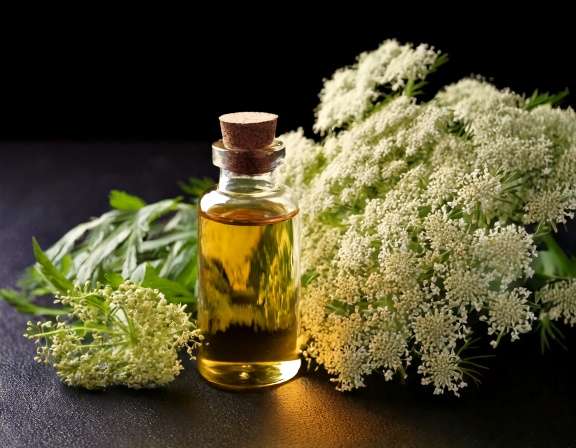
White angelica essential oil usually refers to oil from the plant with the botanical name Angelica archangelica, a tall, aromatic plant long used in European herbal traditions. The name “white angelica” often acts like a marketing nickname, not a strict label. That’s why two bottles can behave like two different oils.
The scent profile sits between herb and earth. It can smell like damp roots, peppery greens, and old wood, with a clean finish that feels almost airy. Because it’s a strong personality, most people use it as a base note. In other words, it helps a blend feel “held together.”
Quality matters more than most shoppers expect. Many users look for therapeutic grade oils, such as those from Young Living. Extraction method can change the chemistry and aroma. High-quality oils are often steam distilled, while CO2 extracts may smell fuller and can vary in composition. Freshness matters too, because oxidation can change the scent and raise irritation risk. Storage also counts. Heat and sunlight slowly flatten the oil’s character.
When buying, a quick label check saves disappointment:
- Look for the botanical name (Angelica archangelica).
- Confirm the plant part (root or seed).
- Check country of origin and basic sourcing details.
- Prefer brands that offer GC/MS batch testing.
- Choose a bottle with a child-resistant cap and tight seal.
Root oil vs seed oil: similar plant, different vibe
Angelica root essential oil tends to smell deeper and darker, earthy, musky, and almost soil-like. Many people reach for Angelica root essential oil when they want a steady, grounded mood and a cozy base note in blends.
Seed oil often feels brighter and more spicy-herbal. It can read as cleaner and lighter in the air, which some people prefer for daytime diffusion. Because the “vibe” shifts, check the label for “root” or “seed” so you can repeat results.
A simple safety note right up front: photosensitivity and other cautions
Angelica root oil may be phototoxic or photosensitive due to natural furocoumarins (the risk can vary by product and processing). Users should always apply topically with care to avoid skin irritation and sun exposure on that area for 12 to 24 hours, unless the supplier confirms it’s furocoumarin-free.
If you’re not sure about phototoxicity, treat topical angelica like a “night-only” oil, and keep it off sun-exposed skin.
Also keep it cautious with pregnancy and breastfeeding unless a clinician says it’s ok. Use extra care around children, and ask a pharmacist if you take blood thinners or sedatives.
The real-life benefits people use white angelica oil for, with simple ways to try it
White angelica isn’t flashy. It’s more like a steady hand on your back, guiding you toward a calmer pace. Here are some real-life White Angelica Essential Oil Benefits focused on everyday comfort, not medical treatment. Start low, because this oil can feel intense in a small room.
For stress support and grounding: a scent that helps your shoulders drop
Many people use white angelica when their mind won’t stop looping. The aroma can feel rooted, like standing barefoot on cool earth, offering spiritual protection by clearing negative energy and aiding emotional release. That sensory cue alone can help the body unclench, grounding you to the root chakra for better energy balance.
For a diffuser, keep it light: try 2 to 4 total drops of essential oils in your water diffuser. Make white angelica just one part of the blend. It pairs well with lavender or frankincense, because they soften the edges and keep the scent from getting too heavy. If you enjoy emotional blends, this guide to top oils to enhance emotional health can help you choose supportive partners.
A personal inhaler works too. Add 5 to 10 total drops across oils (not 10 drops of angelica alone). Inhale gently for a few breaths, then pause. Scent fatigue happens fast, so short sessions often feel best.
For sleep routines: warm, cozy blends that feel like a soft blanket
White angelica can turn a sharp bedtime blend into something warmer and more “room-like,” like candlelight instead of overhead lighting. Its aroma can increase the aura, providing a feeling of security to combat negative emotions. Keep totals low at night.
A simple bedtime diffuser blend: 1 drop white angelica, 2 drops lavender, 1 drop cedarwood. Run it 30 minutes before bed in the diffuser, then turn the diffuser off. The goal is a soft landing, not an all-night fog of fragrance, and it supports spiritual awareness.
If you share your home with kids or pets, keep scent off bedding. Instead, place a tissue with one drop of a finished blend near the bed, not on the pillowcase. For another calming ritual, a mug can sometimes do what a diffuser can’t. This list of calming teas like chamomile for stress pairs beautifully with a low-scent evening.
For skin and scalp: gentle support when you dilute it well
Used carefully, white angelica may help skin feel more balanced, and it can support a clean scalp feel in oily hair routines. The key is dilution and patience. More oil does not mean better results. To apply topically, mix it with a carrier oil.
For adults, stick with a 1% dilution: about 1 drop essential oil per 1 teaspoon (5 ml) carrier oil. Jojoba and fractionated coconut oil both feel light and absorb well, creating a soothing massage oil. Smooth a small amount onto dry spots or massage a little into the scalp before washing, then shampoo as usual.
Patch test first. Apply a tiny amount of your diluted blend to the inner forearm, then wait 24 hours. Also remember the sun caution from earlier, especially with root oil, and keep treated areas covered.
For seasonal comfort: a spa-like steam that clears the head
When the air feels thick and your head feels crowded, scent can bring quick comfort. White angelica’s aroma can feel opening, like stepping into a warm shower, helping you find inner strength and clarity for the third eye.
Try a simple steam bowl: pour hot water into a bowl, then add 1 drop max of essential oil (or skip the bowl and use a diffuser instead). Close your eyes, keep your face back from the steam, and breathe gently for 2 to 3 minutes. Stop right away if you feel irritation. Anyone with asthma or scent sensitivity should be extra cautious. If you want more ideas for “stuffy season” diffusion, this guide on essential oils for congestion relief offers options and safety reminders.
For a fresh home: earthy, clean scent that helps cover stubborn odors
White angelica shines when a room smells lived-in. Think cooking odors, musty closets, or that “closed window” feeling. The depth of angelica root essential oil as an earthy base note can make a space feel calmer and cleaner.
Use it in a diffuser, and brighten it with a citrus or pine oil for a fresher top note to create an essential oil blend. If you like low-tech options, add baking soda to a small jar, place it out of reach of kids and pets, and set it near odor spots. You can scent the lid area with a drop on a cotton ball beside the jar, not mixed directly into the powder. Also, don’t drip essential oils on painted surfaces or delicate fabrics, since stains and damage can happen.
Conclusion: making white angelica part of your routine
The best White Angelica Essential Oil Benefits are simple and livable: a grounding scent for stress support, a cozy note in sleep blends, gentle skin and scalp use when diluted, and a fresh home feel that doesn’t scream “air freshener.” Used with care, its calming aroma facilitates deep relaxation and a grounded lifestyle, making it a quiet favorite.
Keep two safety habits front and center: dilute for skin, and respect sun and UV caution after topical use (depending on the product). Next, choose a therapeutic grade Angelica root essential oil in a tested bottle, pick one method (diffusing or a 1% topical blend), and track how you feel for a week. Small rituals add up when you repeat what works.
Stay Connected for More Natural Living Inspiration
If you enjoyed this post about herbal wellness and love discovering natural ways to refresh your home and wellness, don’t miss out on future recipes and clean-living tips! Subscribe to the blog for weekly DIYs, wellness inspiration, and herbal remedies delivered straight to your inbox.
Don’t forget to visit my Amazon storefront for the links to my favorite essential oils, herbal teas, and natural recipes. I also create YouTube ambiance videos for sleeping; a channel I created to help people who have trouble sleeping. The link to all social media content is here.
Thanks for coming by!



Leave a Reply