
(DISCLAIMER: I am not a doctor, and you should consult your healthcare professional before starting any health regimen.)

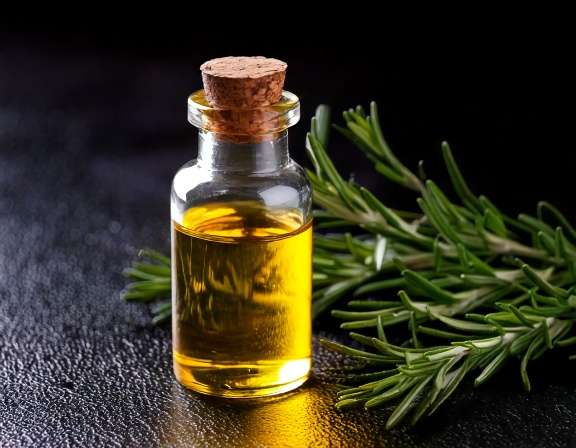
Rosemary essential oil benefits for skin have become a top choice for anyone seeking clearer, healthier, and more radiant skin. From fighting stubborn acne and oily patches to smoothing out fine lines and calming sensitive spots, rosemary oil is quickly earning its spot in all types of routines.
You’ll find out what makes rosemary oil for acne stand out, how to use rosemary oil for skin safely, and if rosemary oil for wrinkles or eczema really works. Get ready to learn the key rosemary essential oil benefits for skin, plus tips and safety info you can count on.
What Is Rosemary Essential Oil?
Rosemary essential oil is made from the fragrant leaves of the Rosmarinus officinalis plant, a common herb found in many kitchens and gardens. In skin care, rosemary oil is getting noticed for its ability to help fight acne, calm redness, and support a clearer, brighter complexion. It blends herbal scent with powerful plant compounds, making it popular for anyone searching for natural remedies that actually work.
Extraction and Chemical Profile
Rosemary essential oil comes from the steam distillation of the plant’s fresh flowering tops and leaves. This gentle process keeps the oil’s chemistry intact, which matters if you want real rosemary oil benefits for skin. Yields average about 1%, for every 100 kilograms of rosemary leaves, you get just about one kilogram of the essential oil. That small amount packs a serious punch.
The oil contains a mix of skin-friendly compounds. Some of the biggest players include:
- Cineole (Eucalyptol): Known for its clean, fresh aroma and powerful antimicrobial strength, cineole helps keep acne-causing bacteria in check. This makes rosemary oil for acne a smart choice in your routine.
- Camphor: Adds a cooling, refreshing feel and gently boosts local circulation, which encourages skin repair.
- Alpha-pinene: Brightens skin and helps unclog pores, a win for oily complexions.
- Rosmarinic acid: This antioxidant fights damage from pollution, sun, and daily stress. It keeps skin looking young and supports healing, which is why rosemary oil for wrinkles and eczema gets so much attention.
While each component brings its own perks, the real magic happens as they work together, delivering benefits greater than any one could alone.
Safety and Dilution Guidelines
When adding rosemary essential oil to your skin care, always mix it with a carrier oil first. Pure essential oil is too strong for direct use. For facial skin, experts recommend a dilution of 1–2%. That means 1–2 drops of rosemary oil for every teaspoon (5 ml) of carrier oil. Common carrier oils include:
- Jojoba oil: Closely matches your skin’s natural oils, making it good for all skin types.
- Sweet almond oil: Lightweight and hydrating, great for dry or sensitive skin.
- Grapeseed oil: Non-comedogenic, ideal if your skin is oily or prone to breakouts.
Some important reminders:
- Photosensitivity is not a known risk with rosemary oil, but always patch test a small area before trying it on your face.
- If you are pregnant, breastfeeding, or dealing with epilepsy or high blood pressure, check with a doctor before use.
- For those with sensitive skin, start slowly and use the lowest dilution first.
Consistency is key, but safety always comes first. Used correctly, rosemary oil for face care offers true, visible benefits and becomes a trustworthy natural staple for a wide range of skin concerns.
Key Skin Benefits of Rosemary Essential Oil
Rosemary essential oil isn’t just for a fragrant kitchen or spa day. When used right, it brings real benefits to your daily skin care. From smoothing out signs of aging to fighting breakouts, rosemary essential oil offers a collection of perks that make it a smart pick for nearly every skin type. Here’s a clear look at how rosemary oil for face care stands out and why it’s getting noticed in routines everywhere.
Antioxidant and Anti‑Aging Effects
Rosmarinic acid, a standout compound found in rosemary essential oil, acts as a top performer for defending your skin. When you add rosemary essential oil to your routine, you help protect your face from everyday stress, pollution, and the effects of sun exposure.
Here’s how it works:
- Neutralizes free radicals: Rosmarinic acid works like a shield. It stops the unstable molecules (free radicals) that can lead to visible signs of aging.
- Supports collagen production: Collagen keeps skin plump and youthful. Using rosemary essential oil encourages natural collagen-building, which means firmer skin and fewer fine lines.
- Smooths wrinkles and boosts elasticity: Recent studies have shown that regular rosemary oil use can improve skin elasticity and texture. One eight-week study reported a noticeable increase in firmness and a visible reduction in fine lines when participants used rosemary extract daily.
If you care about stronger, more youthful skin, rosemary essential oil benefits for skin give you a natural way to keep your face looking its best.
Acne‑Fighting Properties
Breakouts don’t have to stick around. Rosemary oil for acne has gained respect for handling problem skin, even if you’ve tried other products with little luck. Its plant-powered action gets the job done with three main benefits:
- Antimicrobial action: Rosemary essential oil has a knack for stopping the growth of acne-causing bacteria like Propionibacterium acnes. That means fewer pimples and calmer skin.
- Sebum regulation: Oily skin fuels clogged pores. Rosemary essential oil can dial back excess oil, helping skin stay fresh without a greasy shine.
- Reduces inflammation: Red bumps and spots become less angry when you use rosemary oil on breakouts. It calms swelling and targets redness.
Looking for a non-drying spot solution? Dab diluted rosemary oil for acne on the problem area as a targeted spot treatment. It works quietly and efficiently, making it perfect for stubborn blemishes you want gone fast.
Benefits for Oily and Combination Skin
If you’ve ever googled “is rosemary oil good for oily skin,” you’re not alone! The answer is a clear yes. Rosemary essential oil helps those with oily and combination skin by:
- Balancing oil production: It helps your skin find its balance. Instead of stripping oil (which only causes skin to create more), rosemary essential oil supports your skin’s natural function, keeping shine in check.
- No drying or flaking: Unlike harsh acne products, rosemary essential oil benefits for skin by avoiding dryness. You get oil-control with none of the tight, flaky side effects.
- Clearer pores and smoother texture: With regular use, pores look smaller, and skin feels softer.
While everyone’s skin is different, rosemary essential oil offers trustworthy support for staying oil-free and comfortable. This gentle, plant-based solution is a welcome answer for anyone tired of battling shiny skin without drying out.
In short, rosemary essential oil delivers real, visible changes for any routine, whether you’re fighting breakouts, smoothing wrinkles, or keeping oily skin under control.
How to Use Rosemary Oil for Specific Skin Concerns
Rosemary essential oil does more than just smell good on your skin. When used with care, it becomes a true multitasker in daily skincare routines. Ready to put rosemary oil to use for your face? These simple at-home methods can target acne, signs of aging, and even sensitive or dry patches, helping you get the most from every drop.
DIY Acne Spot Treatment
Blemishes can leave anyone feeling frustrated. Luckily, rosemary oil for acne has a proven track record. Its natural antibacterial power helps calm swelling and target problem spots fast. The best approach is to blend it with other skin-friendly oils so your skin stays balanced and happy.
Here’s how to make a simple acne spot treatment:
- Mix 1 drop rosemary essential oil with 4 drops of tea tree oil.
- Stir these oils into 1 teaspoon of jojoba oil. This gentle base keeps pores clear but never clogs.
- Dab a tiny amount on blemishes after cleansing, twice daily.
This combo delivers direct action where you need it. Tea tree oil backs up rosemary’s bacteria-fighting powers while jojoba maintains hydration. With regular use, you’ll notice less redness and more even skin.
Daily Facial Serum for Anti‑Aging
If you’re looking to smooth fine lines and wrinkles, rosemary oil for wrinkles plays well in a gentle serum. Its antioxidants support your skin’s built-in defenses, while hyaluronic acid and rosehip oil lock in moisture and boost glow, all without feeling heavy or greasy.
To create your anti-aging facial serum:
- Add rosemary essential oil so it makes up 2% of the total serum volume. For a teaspoon of serum, that’s about 2 drops.
- Blend the oil into your favorite hyaluronic acid serum. This hydrates and plumps skin right away.
- Mix in a few drops of rosehip oil for a final antioxidant kick.
Use this serum every morning and night on clean skin, gently pressing it into fine lines and any problem areas. Over time, you’ll see fewer wrinkles, a bouncier texture, and a softer, healthier look. Choosing rosemary essential oil for face care puts the focus on visible, lasting results instead of short-term fixes.
Moisturizer Boost for Dry or Sensitive Skin
Dry or sensitive skin doesn’t just crave moisture, it needs calm and protection from daily stress. Rosemary oil for eczema-prone or dry skin steps up here, providing antioxidants to soothe and shield skin. Its gentle power pairs well with fragrance-free creams that skip harsh additives.
For an easy daily boost, try this:
- Add 1% rosemary essential oil to your usual fragrance-free cream. For two teaspoons of moisturizer, that’s about 2 drops.
- Mix in thoroughly and apply as the last step in your routine.
The result is a soothing, antioxidant-rich cream that hydrates deeply while fighting off triggers from pollution or weather changes. This method supports repair for eczema-prone skin and brings relief to anyone dealing with flare-ups, tightness, or redness.
Rosemary essential oil benefits for skin fit all kinds of needs, whether you’re battling acne, fighting off wrinkles, or calming sensitive patches. Each technique harnesses the oil’s strengths for real, visible improvement right where you want it most.
Rosemary Oil for Eczema and Sensitive Conditions
Eczema and sensitive skin can take a lot of work to manage. Flare-ups bring itch, redness, and dry spots that never seem to go away. Many people turn to rosemary essential oil for skin relief because of its gentle, soothing effects. The oil’s powerhouse compounds, especially rosmarinic acid, make it a smart option for calming discomfort and rebuilding the skin barrier. If you want a natural way to tackle stubborn, reactive skin, rosemary oil checks all the right boxes.
Anti‑Inflammatory Action: Detail how rosmarinic acid reduces redness and itch by inhibiting cytokine release
Red, angry skin is often the result of inflammation. This can show up as blotches, bumps, or patches that itch and distract you all day. Rosemary essential oil benefits for skin stand out here thanks to a tiny but mighty molecule called rosmarinic acid.
Rosmarinic acid works by slowing down the release of cytokines, which are the chemicals your body sends out when it senses a threat. Normally, cytokines rush to protect you, but they sometimes go overboard and make inflammation worse. By putting on rosemary oil for eczema and sensitive patches, you help block this extra activity before things get out of control.
- Less redness: Your skin calms down, showing less flushing and raw patches.
- Reduced itch: The urge to scratch fades, so your skin gets a chance to heal normally.
- Better barrier: With less inflammation, your skin’s natural defenses bounce back faster.
Rosmarinic acid does not just mask symptoms. It targets one of the root causes of eczema: an out-of-control inflammatory response. When you add rosemary oil for face care, you help create a calmer, stronger base that can stand up to life’s daily stresses.
Application Tips for Eczema: Recommend a 0.5% dilution, patch test, and applying after a warm bath to lock in moisture
Managing sensitive skin with rosemary essential oil takes a gentle approach. To get the most from rosemary oil for eczema, the right method matters just as much as the oil itself.
Use these proven tips to keep your skin happy and protected:
- Dilute with care: Start with a 0.5% dilution. For every 2 teaspoons (10 ml) of carrier oil (like jojoba or sweet almond), add just 1 drop of rosemary oil. This level is enough to calm skin without causing reaction or sting.
- Do a patch test: Always test the diluted mix on a small area inside your arm or behind your ear first. Wait at least 24 hours. If there is no rash or burning, you can safely move forward.
- Apply after a warm bath: Soft, damp skin absorbs oils and creams much better. Smooth the diluted rosemary oil blend onto eczema-prone areas right after toweling off. This locks in moisture and gives your skin deeper, longer hydration.
- Avoid broken skin: Steer clear of open cuts or raw spots, as even gentle oils may sting.
Adding rosemary essential oil to your routine for sensitive skin pays off when used thoughtfully. Quality, dilution, and timing are key. When you get these steps right, rosemary oil delivers steady relief and helps restore skin’s natural strength.
Pair these habits with your regular fragrance-free moisturizer to boost the effect. With patience and consistency, you can reduce flare-ups and feel more comfortable in your own skin.
Potential Risks and Frequently Asked Questions
Rosemary essential oil benefits for skin are impressive, but a few practical concerns come up for anyone thinking about adding it to their routine. Even natural ingredients have their quirks, and it’s smart to know what to watch out for. Here, you’ll find answers to some of the top questions about rosemary oil for face care, especially when it comes to oily skin and possible irritation.
Is Rosemary Oil Good for Oily Skin?
Absolutely. Rosemary oil is a classic choice for people with oily or combination skin. The oil’s natural compounds work with your skin to help balance sebum (oil) production rather than stripping it away. This helps limit shiny patches and clogged pores, supporting a clearer, more even complexion over time.
Using rosemary oil for acne and oily skin feels especially fresh and clean. Instead of drying out your skin, it helps your face find its sweet spot, less greasy, but never tight.
Quick tip for use:
Mix 1-2 drops of rosemary essential oil with a teaspoon of a light carrier oil like grapeseed or jojoba. Apply after cleansing, focusing on oily areas or your T-zone. Regular use keeps skin balanced without any heavy residue.
Can Rosemary Oil Cause Irritation?
High concentrations of rosemary essential oil have the potential to irritate, especially on delicate facial skin. Like with all essential oils, direct application can lead to redness, stinging, or worsening of sensitive spots.
Here’s how to use rosemary essential oil for face care with confidence:
- Always dilute it before use. For most, a 1 to 2 percent dilution (1-2 drops per teaspoon of carrier oil) works well.
- Patch test every new blend. Apply a small amount to the inside of your arm or behind your ear. Wait 24 hours for any sign of reaction before applying to your face.
- If you notice any irritation, stop use right away and give your skin time to recover.
Taking these simple steps lets you enjoy rosemary essential oil benefits for skin while keeping unwanted side effects away. If you already use other products with strong ingredients, try rosemary oil on a separate day to see how your skin reacts.
By following these tips, you can try rosemary oil for acne, oily skin, or any other skin concern in a way that’s comfortable and safe.
Conclusion
Rosemary essential oil benefits for skin cover everything from fighting acne and balancing oily skin to easing signs of aging and calming eczema. The gentle power of this oil offers real results when you use it safely and stick with recommended dilutions. For anyone curious to try, start with a simple recipe like a diluted spot treatment or a custom moisturizer boost to see how your skin responds.
Sharing your story helps others learn too. Have you tried rosemary oil for acne, sensitive spots, or wrinkles? Drop a comment below or share your favorite method. Thanks for reading and trusting these tips, your healthy, glowing skin can start with just a drop.
Stay Connected for More Natural Living Inspiration
If you enjoyed this post about herbal wellness and love discovering natural ways to refresh your home and wellness, don’t miss out on future recipes and clean-living tips! Subscribe to the blog for weekly DIYs, wellness inspiration, and herbal remedies delivered straight to your inbox.
Don’t forget to visit my Amazon storefront for the links to my favorite essential oils, herbal teas, and natural recipes. I also create YouTube ambiance videos for sleeping; a channel I created to help people who have trouble sleeping. The link to all social media content is here.
Thanks for coming by!


Leave a Reply